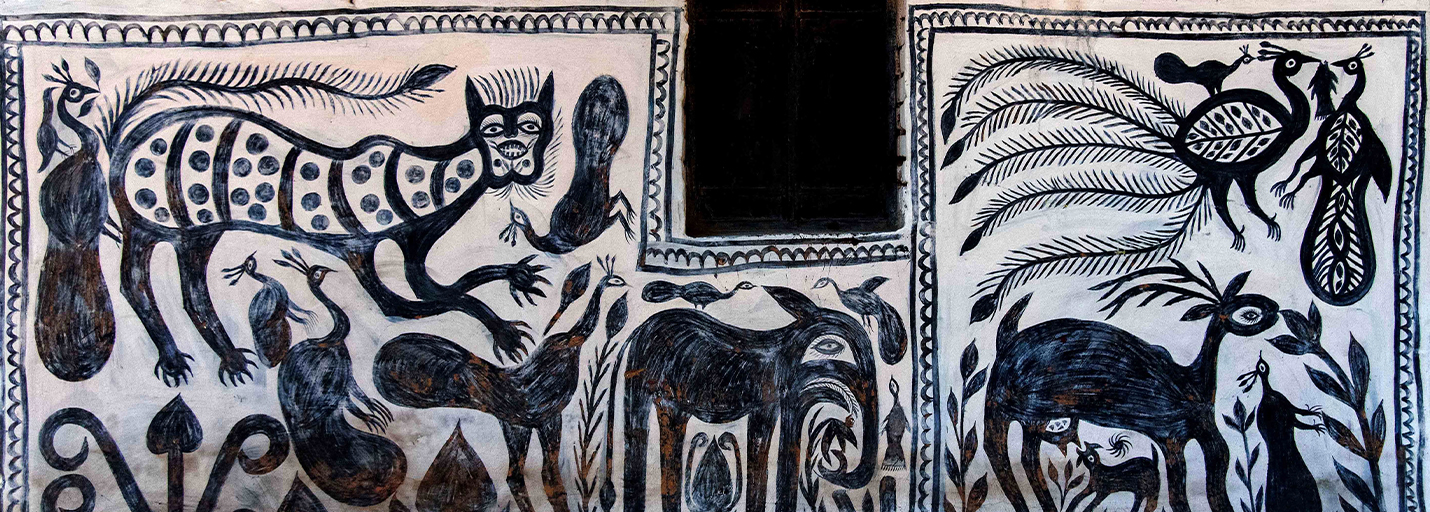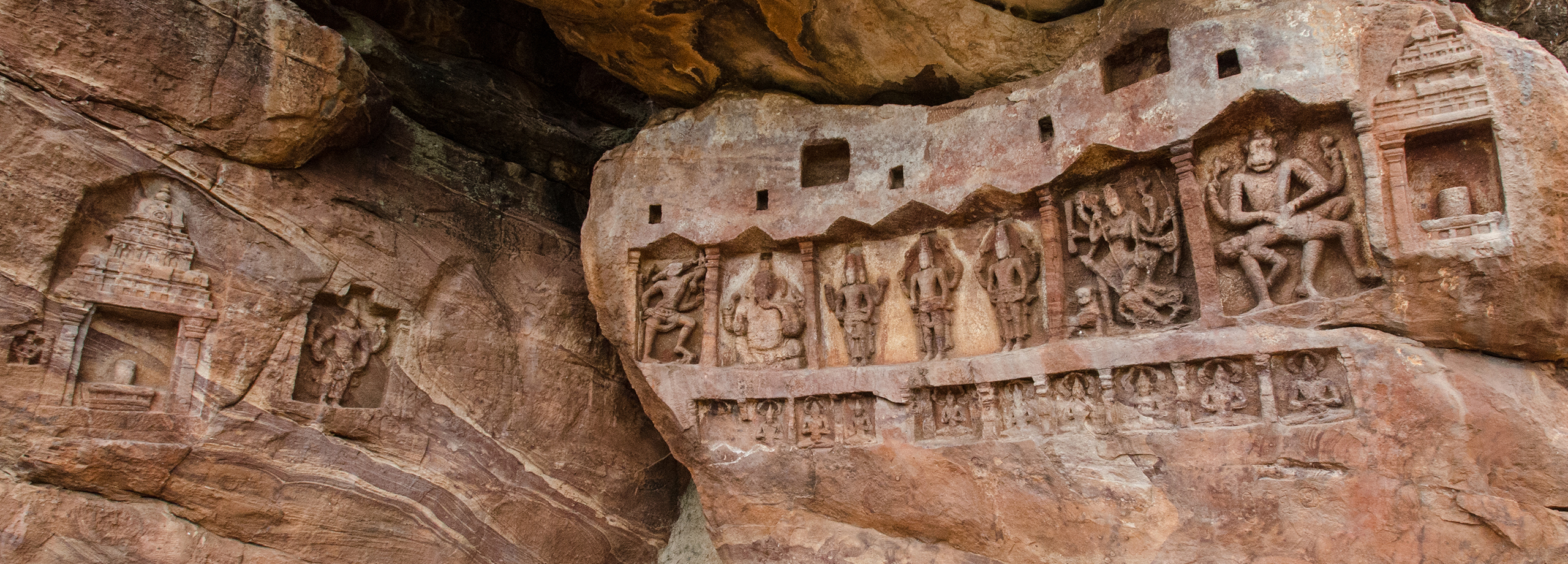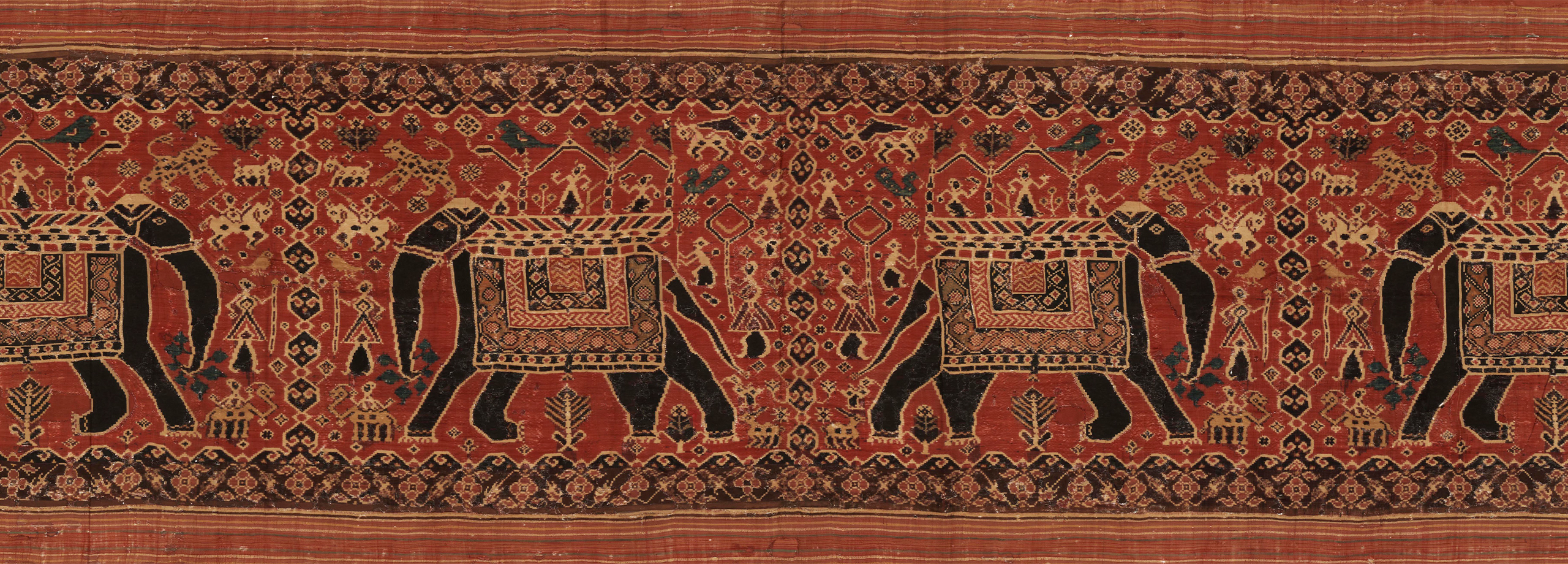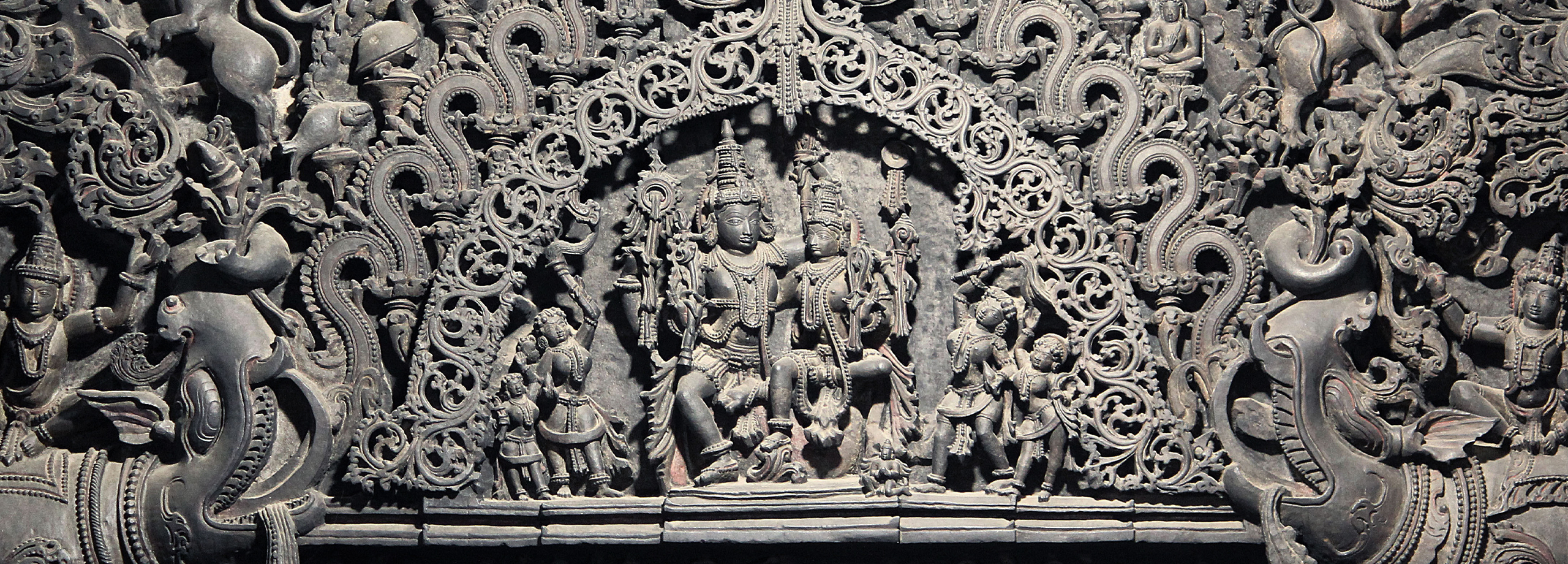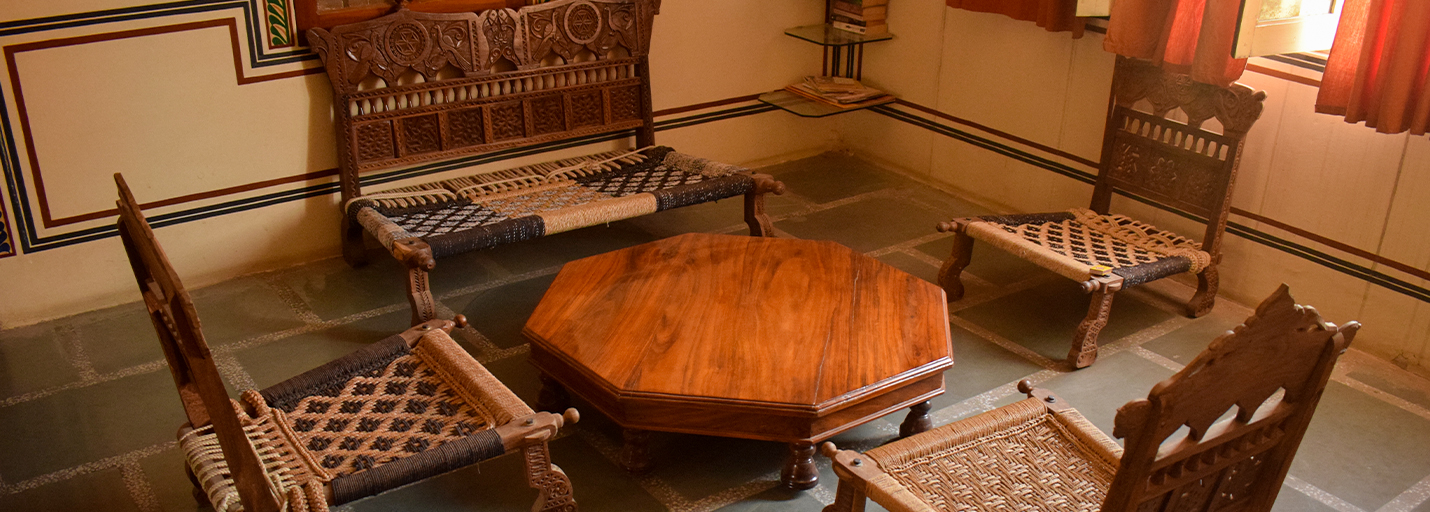
Alongside its architecture and textile traditions, northwestern India is home to little-studied material heritage that remains embedded in the everyday life of communities across the region. Its handmade furniture and other household infrastructure reflect not only local craftsmanship and design, but the region’s shared histories, and its social, cultural and ritual life. The Vernacular Furniture of North-West India project maps nearly 8000 such items spanning 130 types, across the states of Gujarat, Rajasthan, Punjab and Haryana. The first survey of its kind and scale, it investigates the construction, use and social contexts of these objects through extensive field research and documentation.
The project, begun in 2015, is a collaboration between the UK-based charity South Asian Decorative Arts and Crafts Collection Trust (SADACC) and the Design Innovation & Craft Resource Center at CEPT University, Ahmedabad. Over eight years, a large multidisciplinary team documented these objects and their functions using photography, illustrations, technical drawings, 3D modelling and real-time location mapping. They interviewed over 4000 people in 429 towns and villages, building relationships that allowed them to observe and document the objects inside homes and to participate in communal life around these items. In addition to local specificity of form and use, the project gives particular care to terminology, drawing attention to the nuances of language and dialect that identify and distinguish typologies that extend far beyond notions signified by general English terms such as ‘bench’, ‘chair’ or ‘cabinet’. Besides feeding back into the catalogues of the South Asia Collection museum from where the project emerged, the research has generated open access catalogues, drawings and a website, as well as a number of publications.
In its mission to offer widely accessible educational resources on South Asian visual art and culture, Impart has partnered with SADACC to disseminate the project’s research outcomes through articles adapted for the Encyclopedia of Art, gathered in this collection — with more objects and their colourful lives yet to come. You can also learn more about the project’s background and research methodology in the Dialogue above with Mansi S Rao, curator at the South Asia Collection and one of the project’s chief researchers and authors.