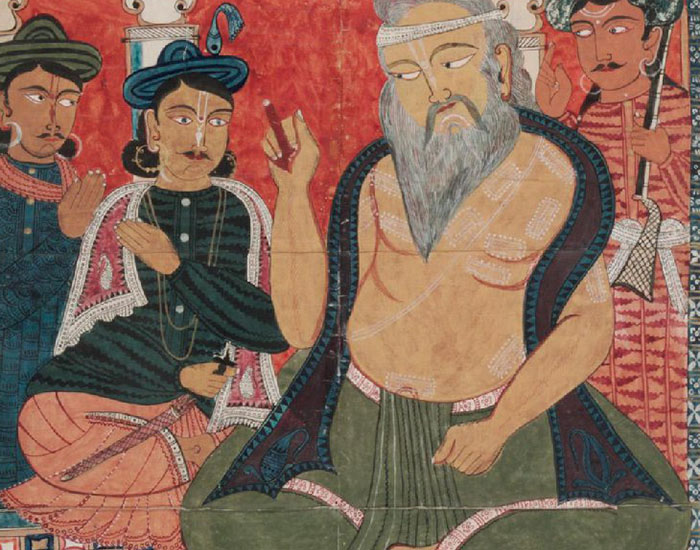
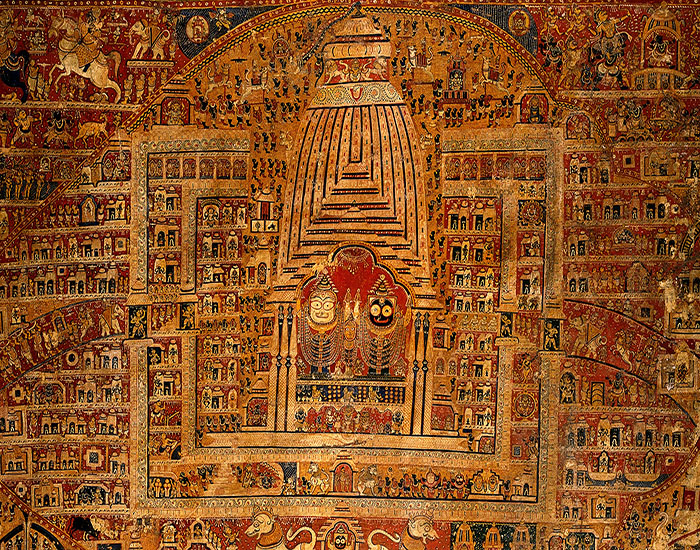
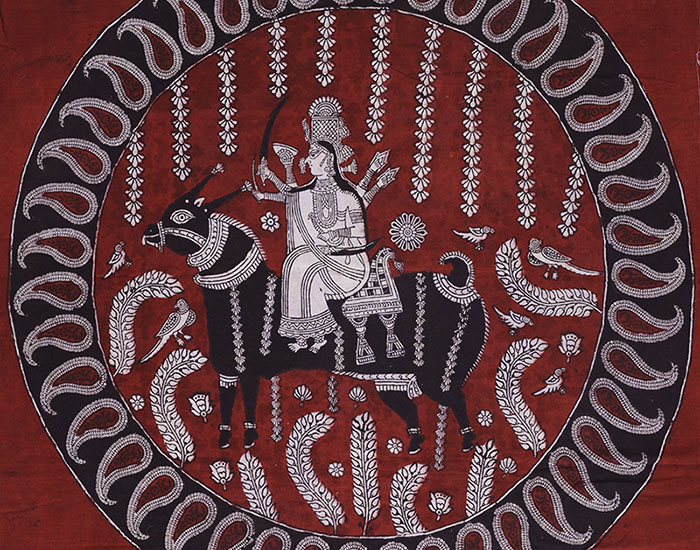
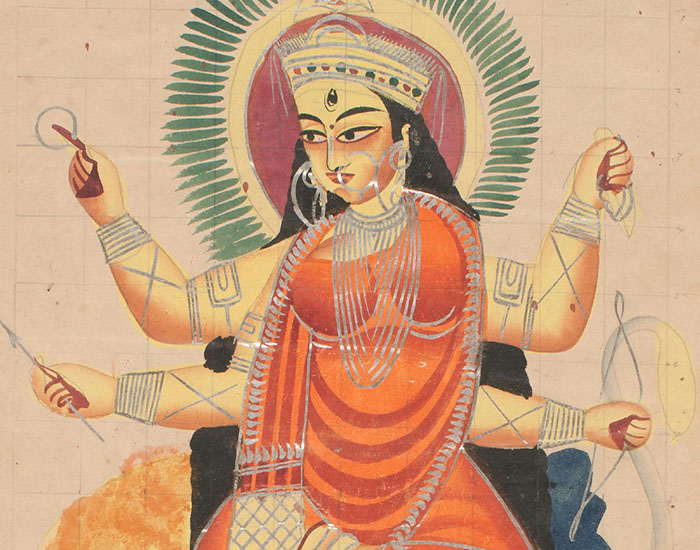
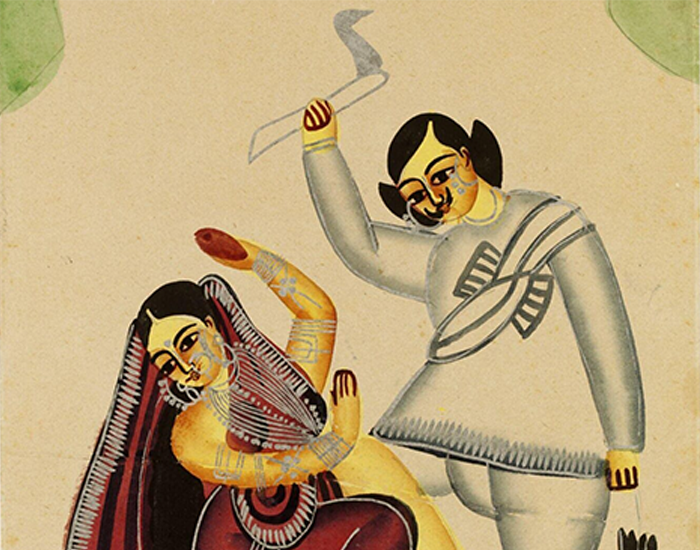
Folk painting traditions in India are distinct from murals and illustrated manuscripts because they are intended for a mass audience and are often moved from place to place by performers who use these paintings as narrative aids.
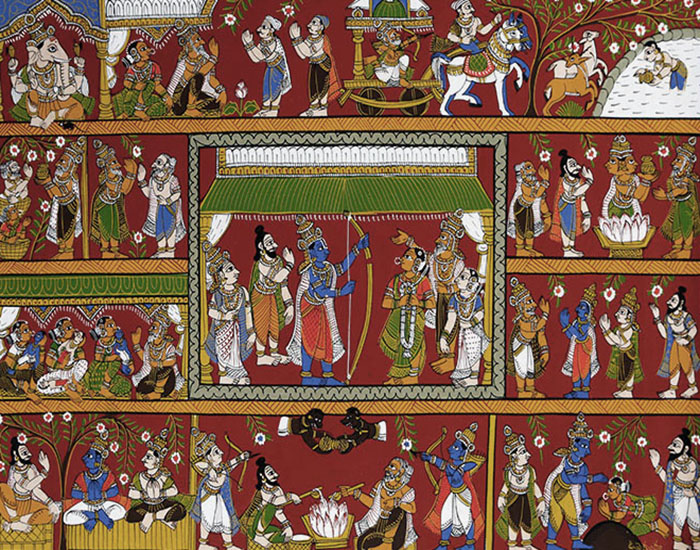
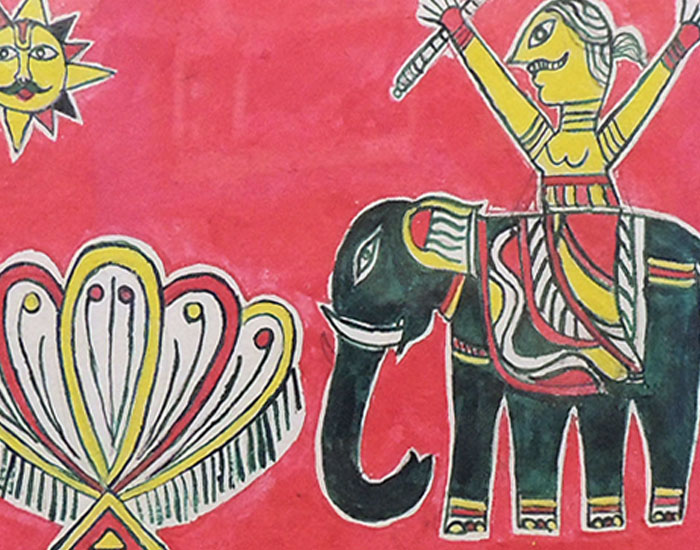
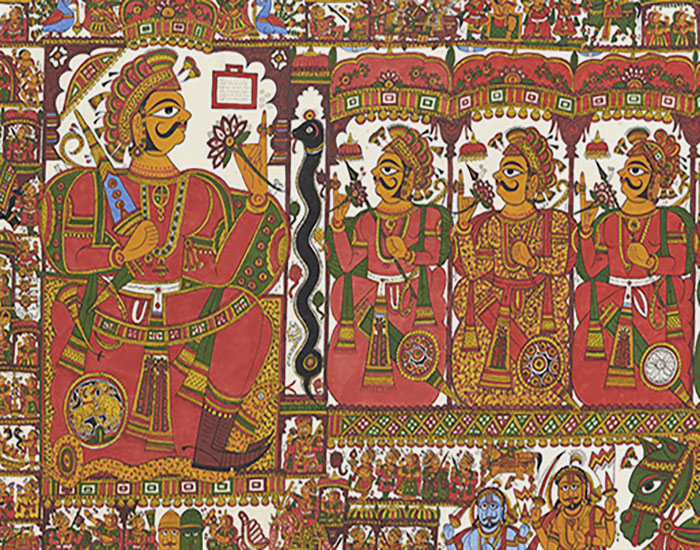
In many such painting traditions including Phad, Cheriyal and Manjusha, the painting and performance of the narrator is a joint effort and is undertaken by artisans from non-dominant caste communities. The content of the paintings varies from tradition to tradition but typically has a strong regional character, whether it is entirely devoted to the deified folk heroes of Phad paintings, or the regional versions of the Puranas illustrated in Cheriyal painting. In the case of traditions like Patua, illustrations are tailored to the myths and stories of the communities that make up each town or village that the performers visit.
At times, but not always, the performances are attended by audiences that belong to Adivasi and non-dominant caste groups. Such arrangements are a major component in regional networks among marginalised groups, in addition to barter and trade textiles, produce and handicraft items.
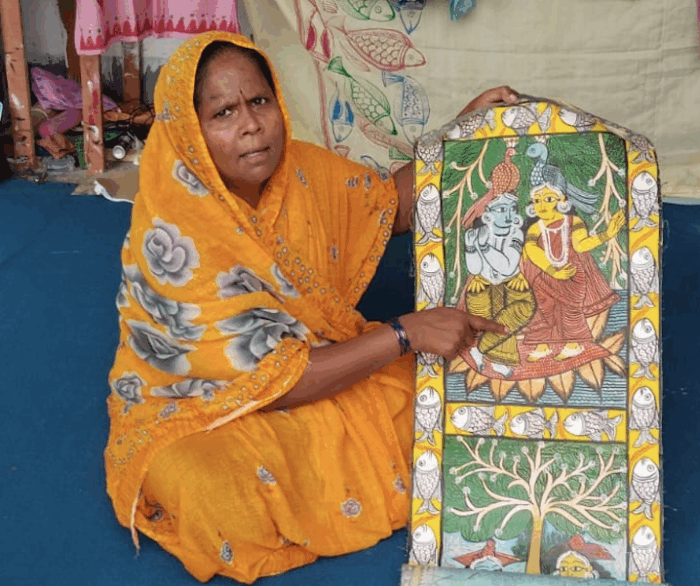
In painting traditions like Patachitra and Phad, as well as related practices like mask-making, the objects themselves have sacred value and are treated as portable shrines.