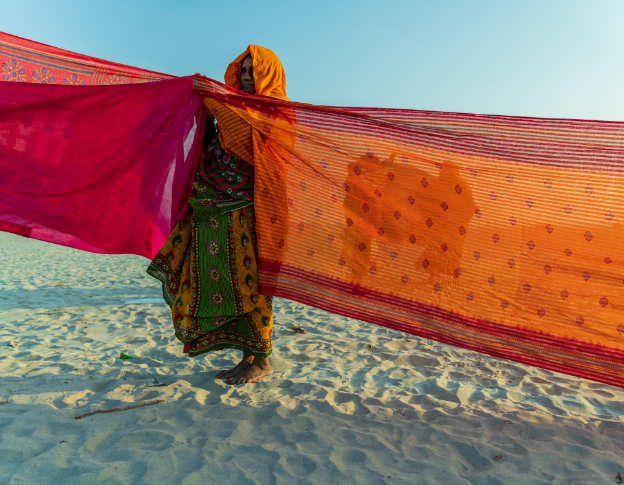
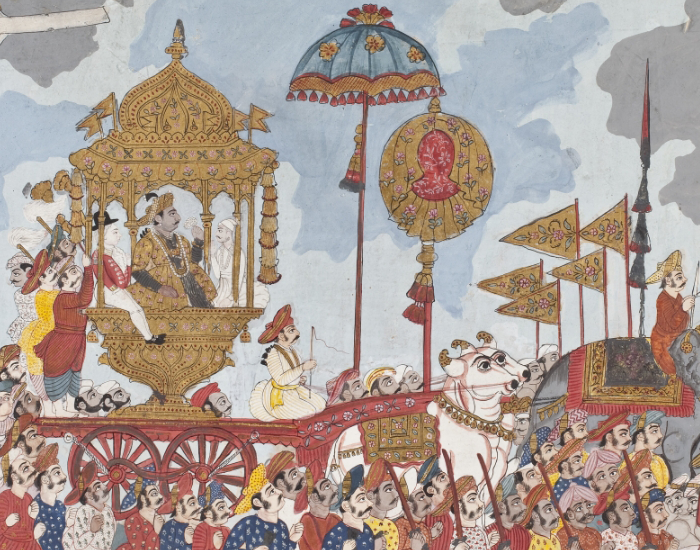
Weddings in India revolve around diverse religious and folk ceremonies, with rituals and offerings to ward off evil and invite good fortune. While fire, water, fruit and flowers represent prosperity, fertility, abundance and spiritual transformation for the marrying couple, their dresses too participate in the creation of omens. Besides denoting caste and community, wedding textiles — from heirloom saris to shawls whose making begins at the birth of a future bride or groom — are imbued with rich meaning and ancestry, which run through their materials, colours, patterns, and motifs.
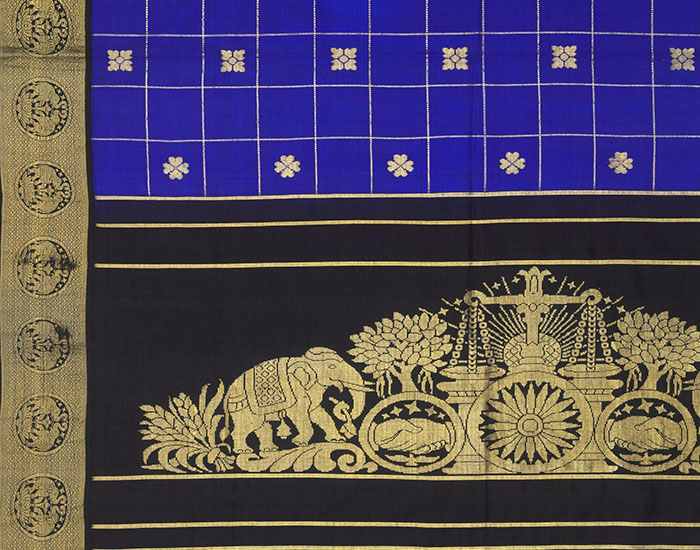
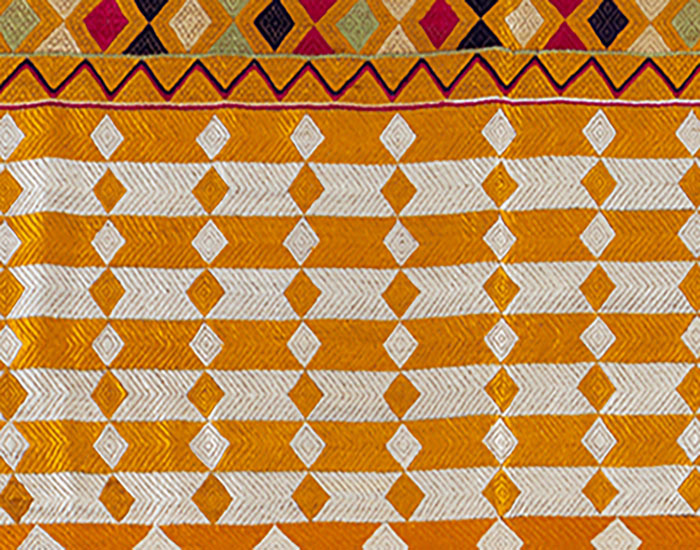
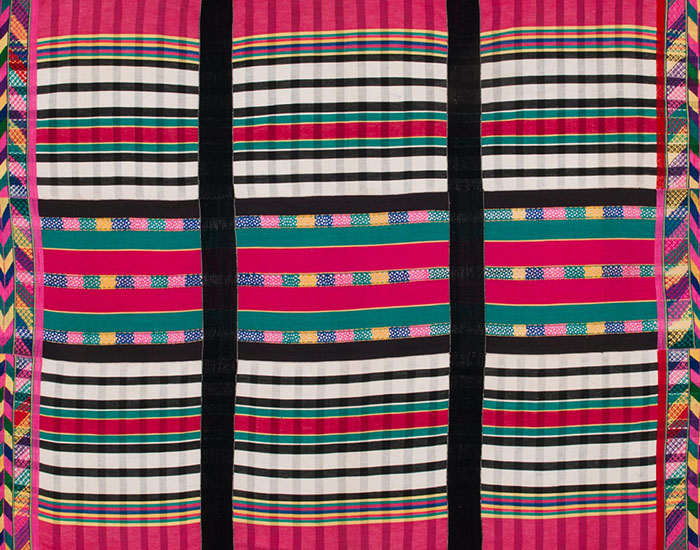
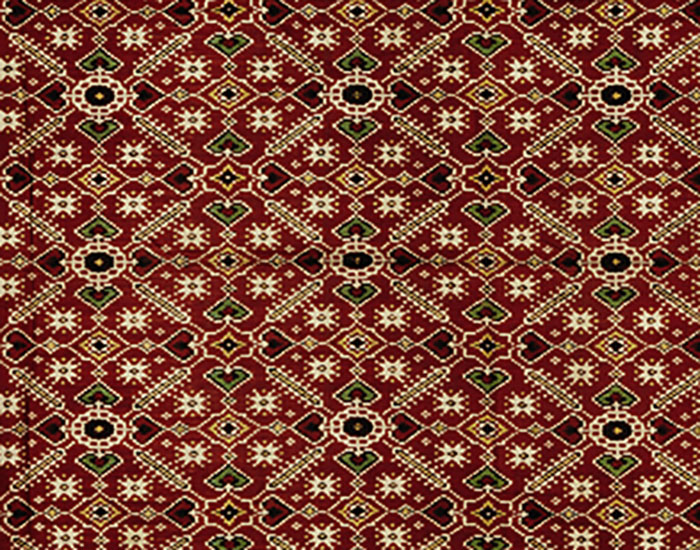
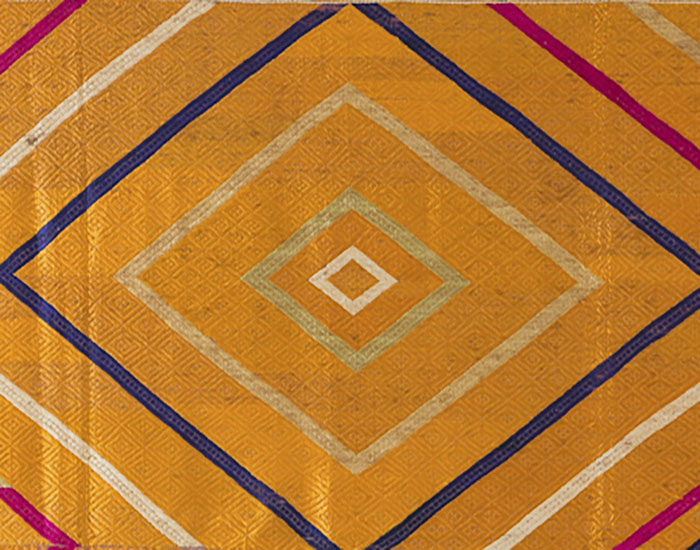
In South India, a wedding ceremony is incomplete without the Kanjivaram sari, woven in Tamil Nadu using mulberry silk sourced from Karnataka. The baavan buti sari exchanged in Bihar as a wedding gift gets its name from the fifty-two auspicious Buddhist motifs woven across its body, including stupas, lotuses and elephants. In the Punjab region across India and Pakistan, intricately embroidered shawls featuring phulkari or vari da bagh are key parts of the bride’s wedding trousseau, passed down or made for her by older women of the family. Brides and grooms across Hindu and Bohra Muslim communities in Gujarat don versions of the ikat textile known as Patan patola. While Muslim grooms in Lucknow wear the European-style button-down achkan developed in the mid-nineteenth century, women of various tribes in Mizoram are married in their respective puan — unstitched garments with a long history and varied designs that link them with different communities and occasions.
Discover these and other textiles that join Indian couples in important new beginnings.