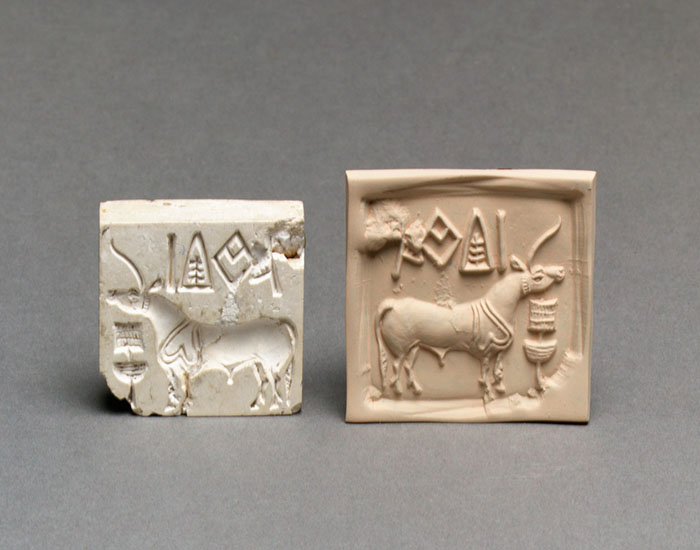
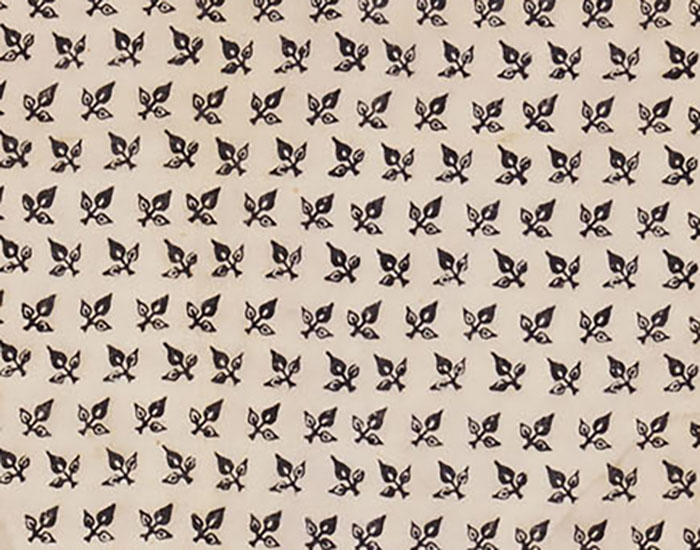
India’s international trade history is extensive and it can be divided based on periods and routes. Trade primarily occurred in the Indian Ocean from the Bronze Age onwards and arguably still continues, connecting the Indian peninsula to Southeast Asia, the Persian Gulf ports, the Red Sea ports and the East African coast. The oldest known use of this route was between the Indus Valley cities and ports in ancient Egypt and Mesopotamia, as evidenced by stamp seals, textiles dyed with indigo and madder root, and agate beads.
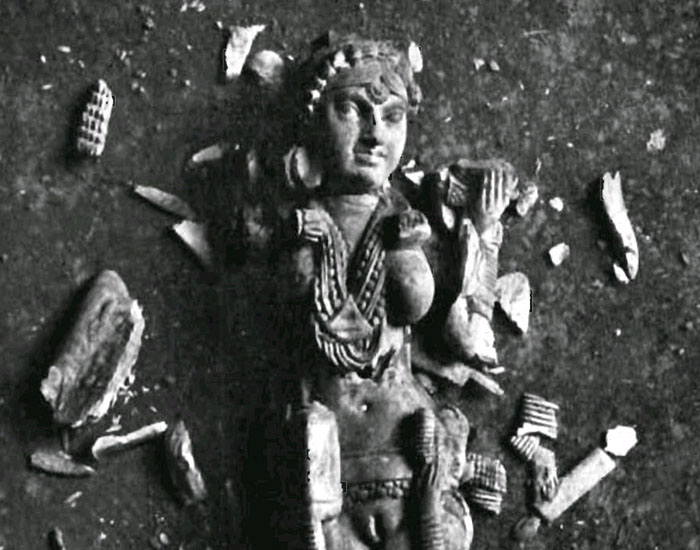
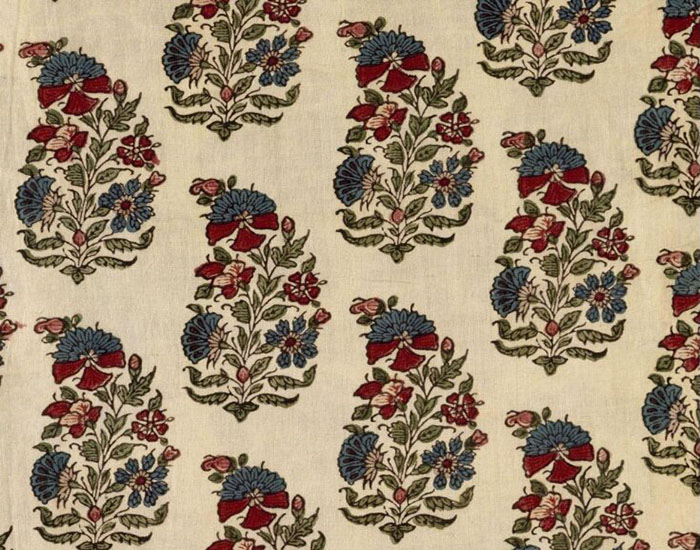
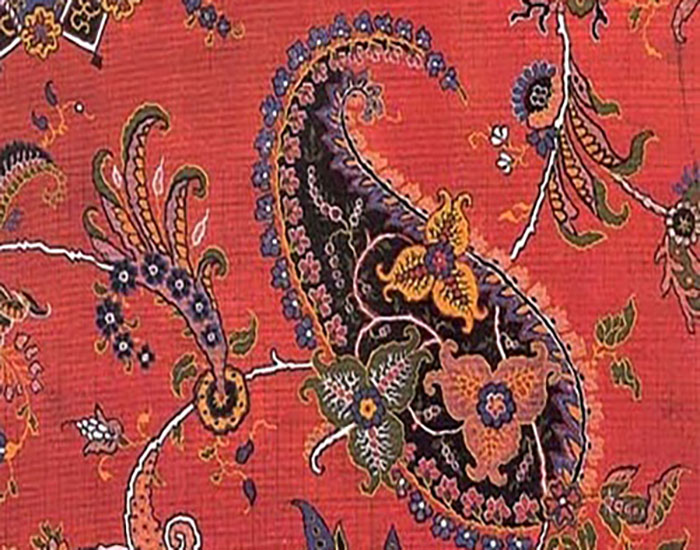
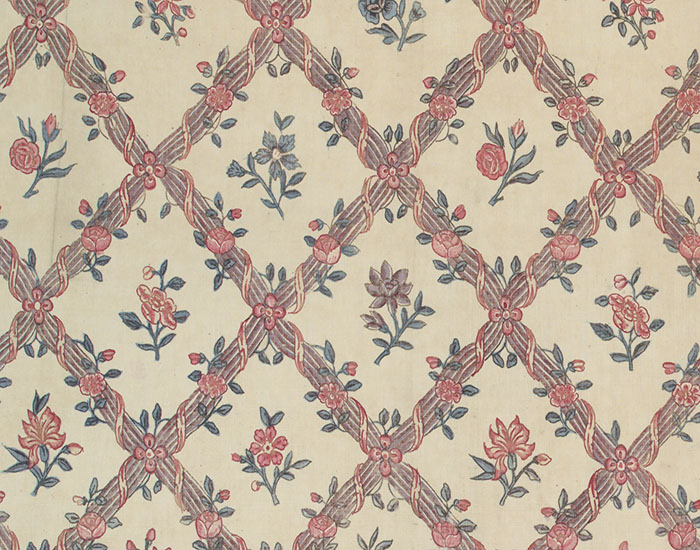
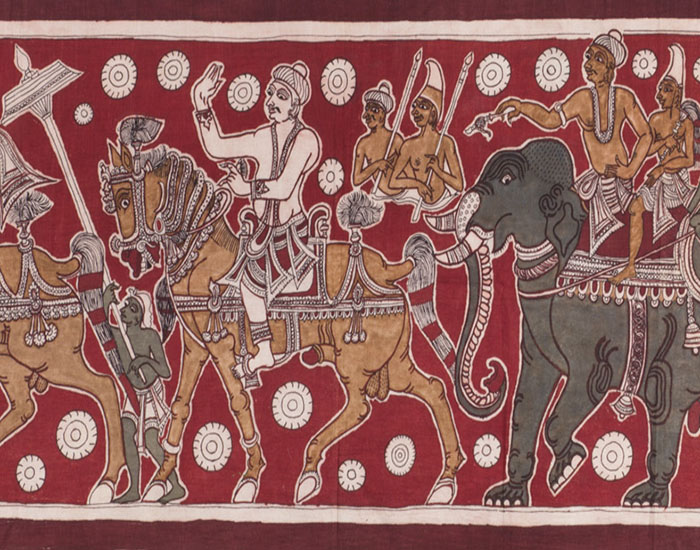
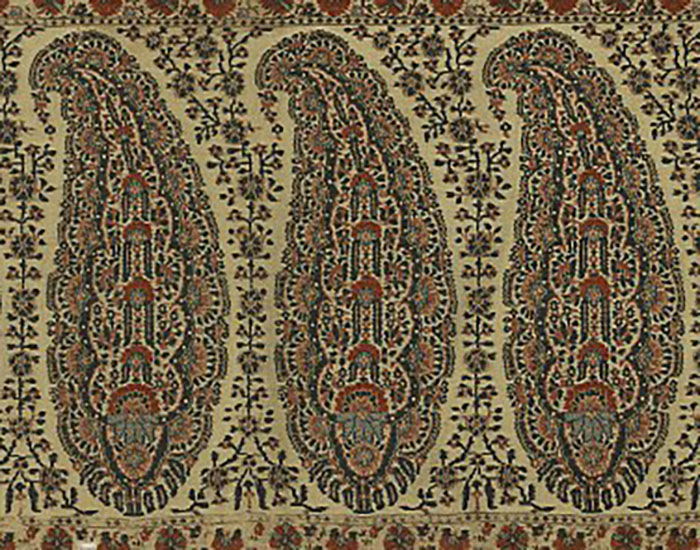
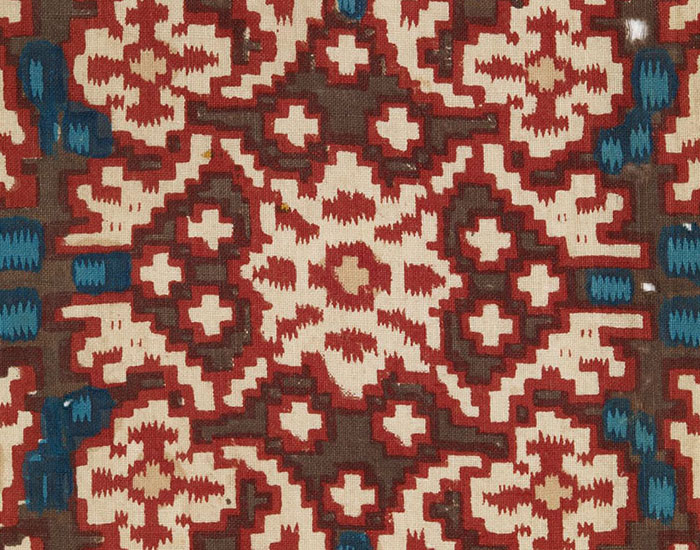
Following the expansion of the overland and maritime silk routes, Indian trade with the Mediterranean reached its peak in the first century CE, leading to artefacts like an ivory yakshi statue — believed to be from either Bagram or Bharuch — finding its way to Pompeii. Mediaeval Indian Ocean trade, particularly in the case of dyed cotton textiles with kalamkari or block-printed designs, flourished until colonial encroachments in the eighteenth century. Thereafter, Indian goods became models for imitation and alteration during the British Raj, eventually being replaced through mechanisation. This effectively ended the major role that India played in global trade until the country’s economy was liberalised in 1991.