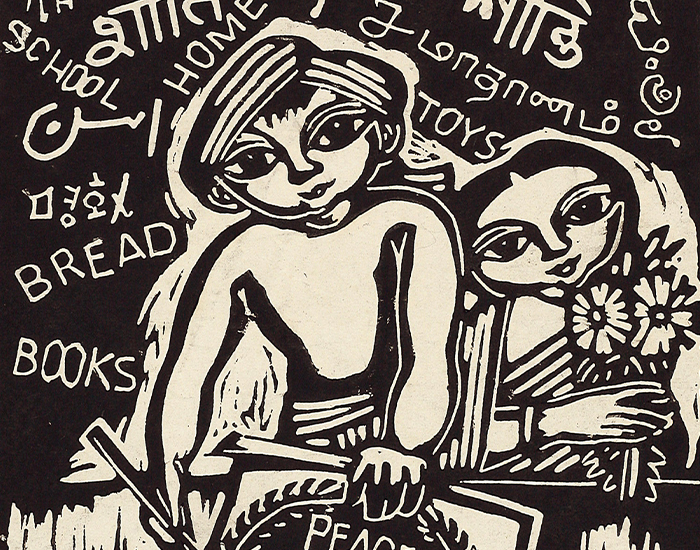
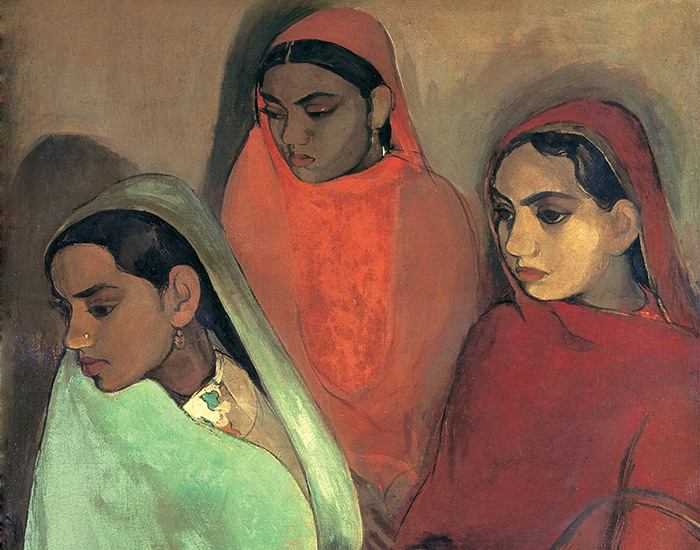
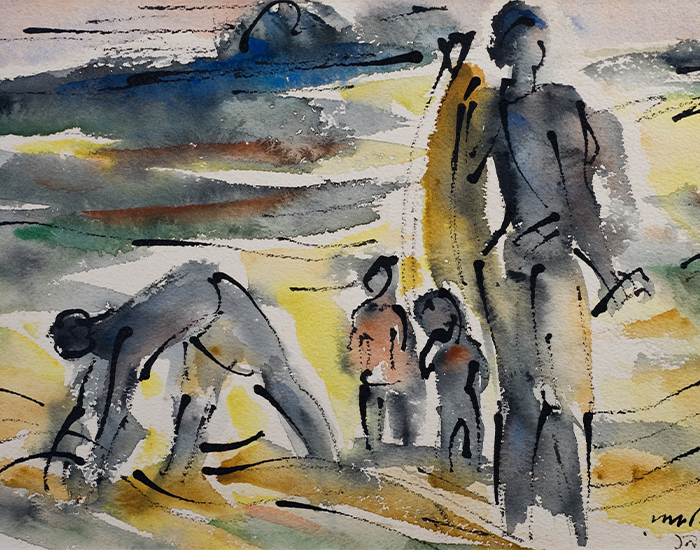
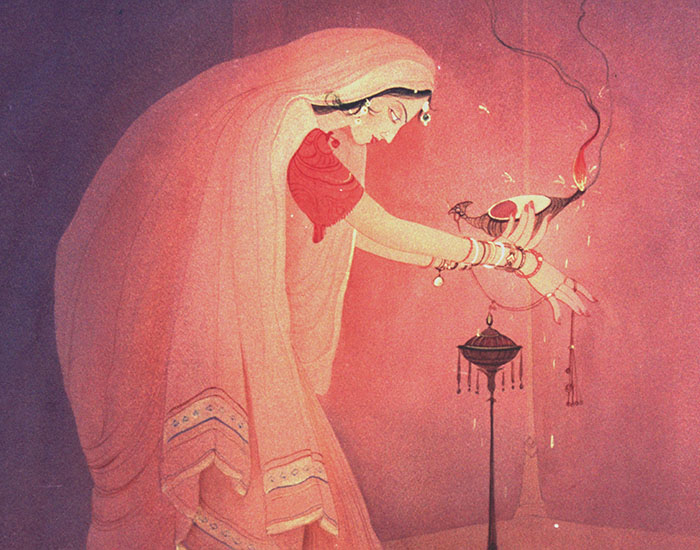
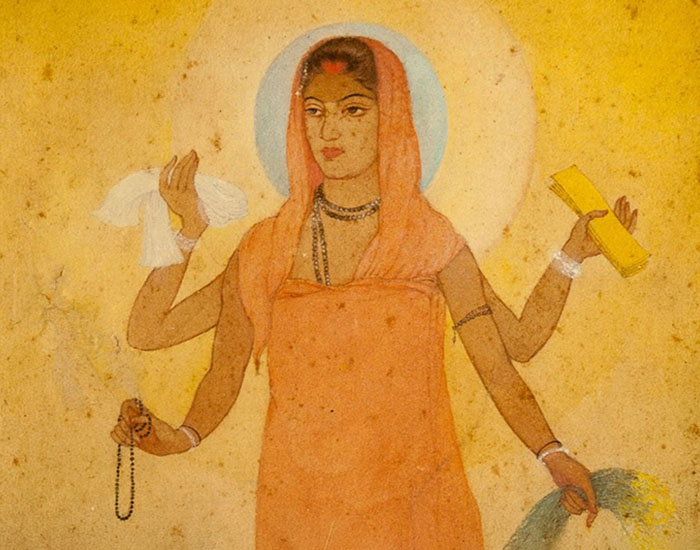
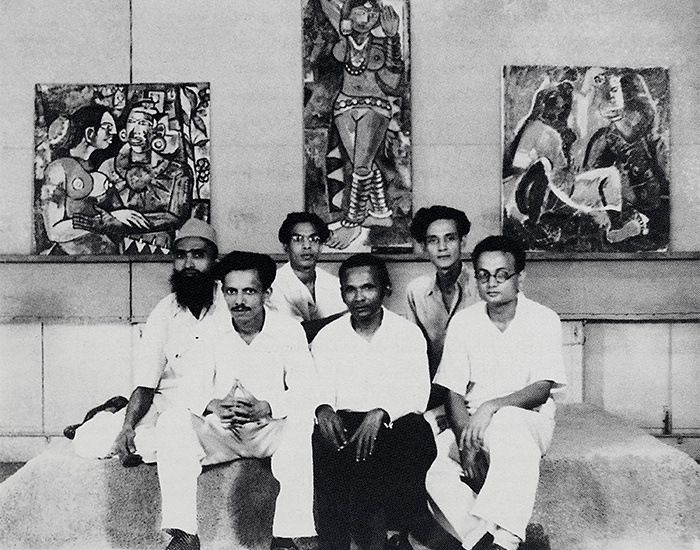
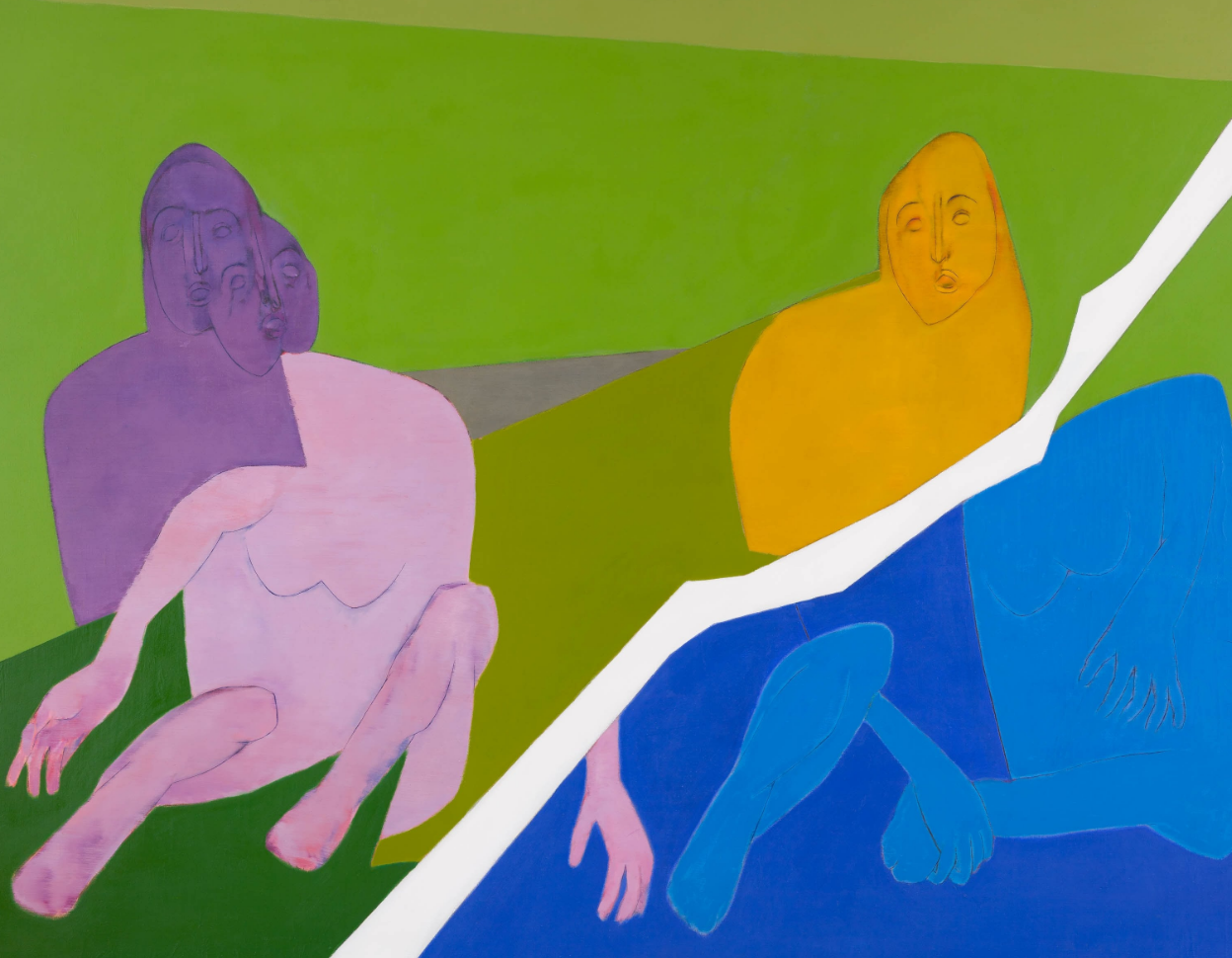
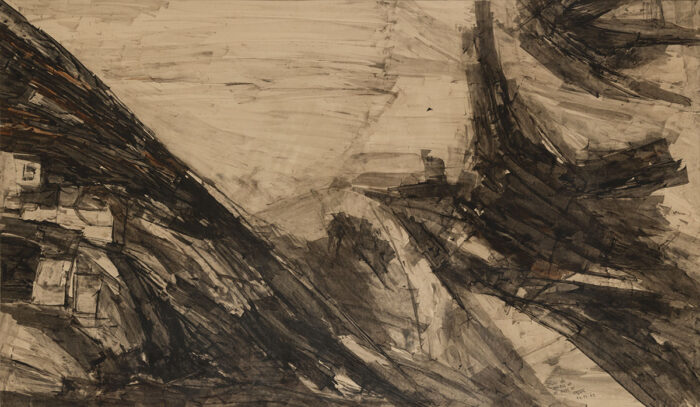
Influenced by the rapid socio-political developments in the West and inspired by the struggle against colonial rule at home, Indian art in the twentieth century was a kaleidoscope of styles, beliefs and innovations. Traditional art forms were revived with a new nationalist character even as Indian artists adopted the visual vocabularies of movements such as Cubism, Surrealism, Expressionism and Minimalism. Quickly making these styles their own, these artists found thought-provoking links between these Western movements and indigenous Indian traditions, culminating in forms such as Neo-Tantric art and the varied manifestations of subcontinental Abstractionism.
The Western art market model introduced through colonial rule allowed for individual artistic careers in contrast to the older frameworks of guilds and vernacular art and craft practices. Despite initial pushback from traditional institutions, Indian Modernist art received steady support from organisations, publications, scholars and private agents, becoming a canonical part of the country’s art history by the 1990s. Simultaneously, the liberalisation of the Indian economy in the early nineties ushered in new market forces amidst which artists could command unprecedented prices. With their work framed as an important new stage in a century-long history of Indian Modernism, the emerging artists of this era gained significant visibility and success in India and the West — a phenomenon that would build up to the Indian Art Boom of the early 2000s. These developments have fostered the creation of an Indian arm of the Western art market and industry that has come to be shaped by auctions, dealers, collectors and galleries, financial speculation, and venture capitalism.
Take a journey through the dynamic movements of Indian art of the last century with these articles.