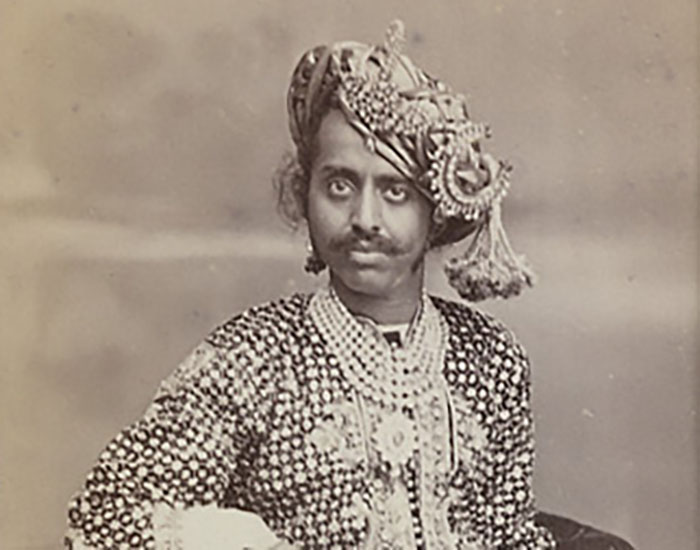
Photographic albums gained popularity soon after the camera arrived in mid-nineteenth-century India. Beginning in the 1850s, most photographic albums consisted of carte de visite portraits or card-sized photographs made in batches that fit onto a single plate, thus saving materials and money. Such albums were usually made by photographers such as Hurrychund Chintamon, on commissions from wealthy Indian families. A carte de visite album, unlike later ones that used full-sized photographs, was seen as an expensive but still affordable luxury that became an intergenerational heirloom. Scholars have stipulated that the photo album may have been particularly appealing due to its similarity to the muraqqa: albums of miniature paintings that were made for royal families or individuals in Islamic courts.
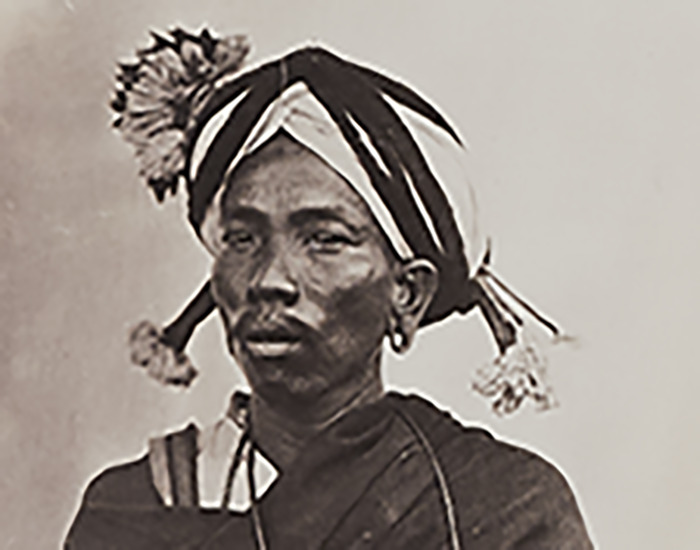
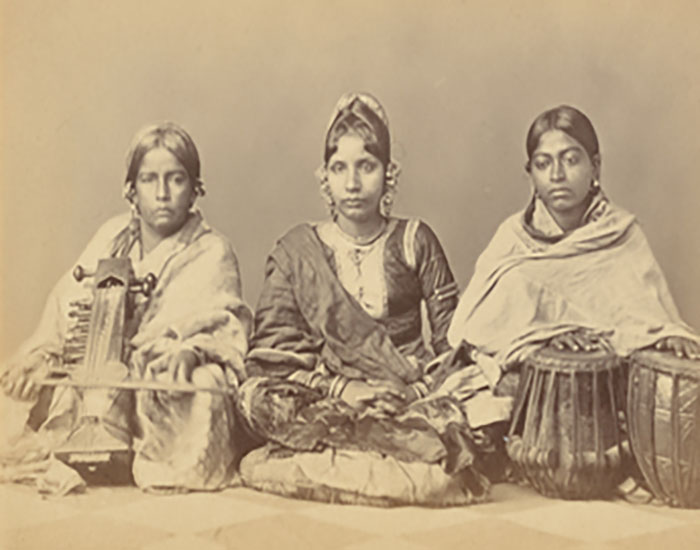
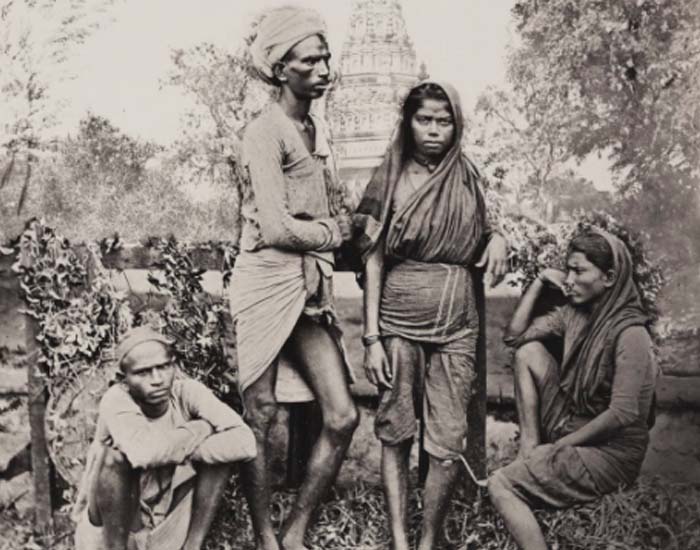
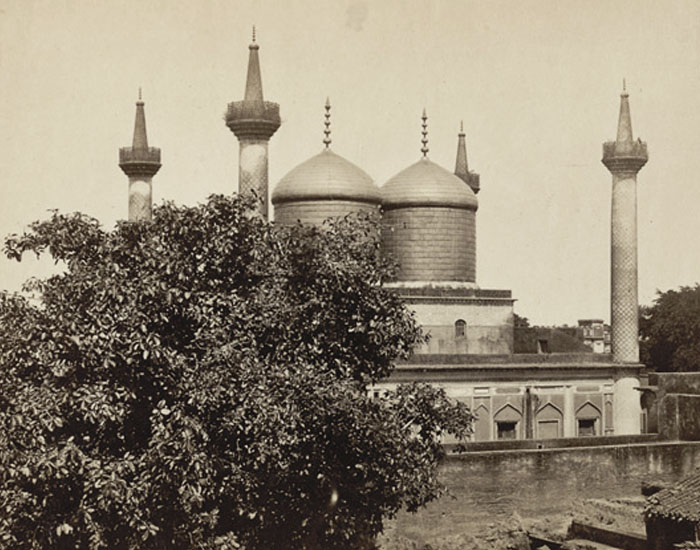
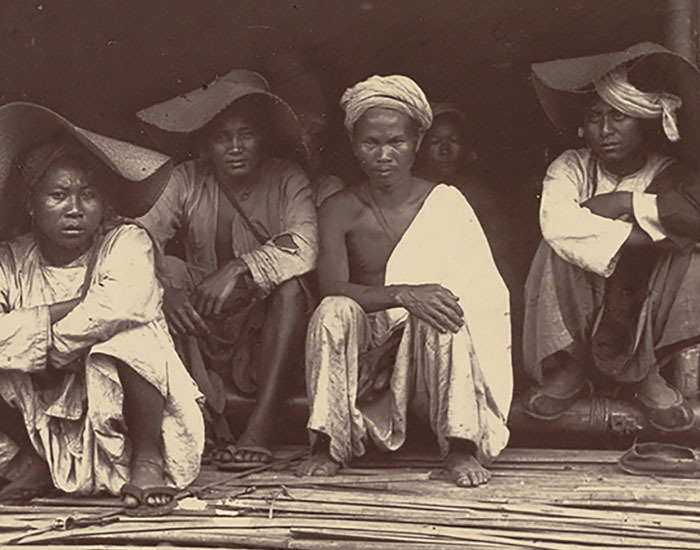
The assumption of truthfulness in a photograph was often undermined by the album format with photographers using staged scenes or techniques like combination printing. Ethnographic surveys by colonial officers took the form of photo books from the 1860s onwards, and are considered deeply problematic today. This medium was also used to stage exoticised or stereotypical scenes of Indian life meant to intrigue the viewer rather than reflect reality, such as Darogah Abbas Ali’s albums on the erstwhile court of Oudh at Lucknow.