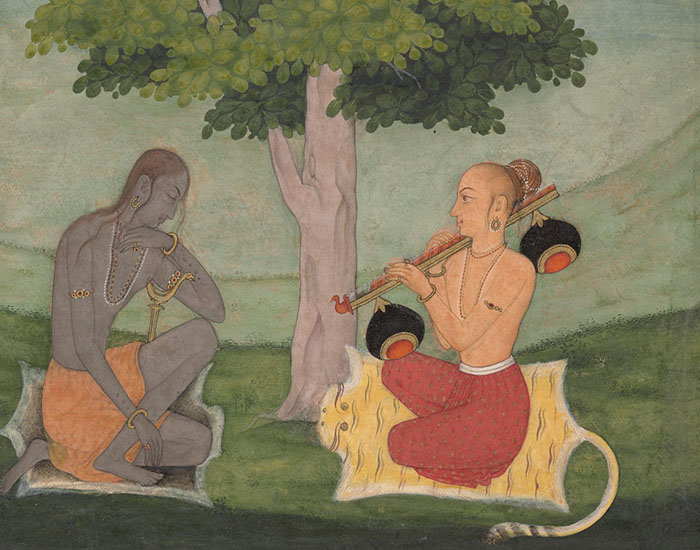
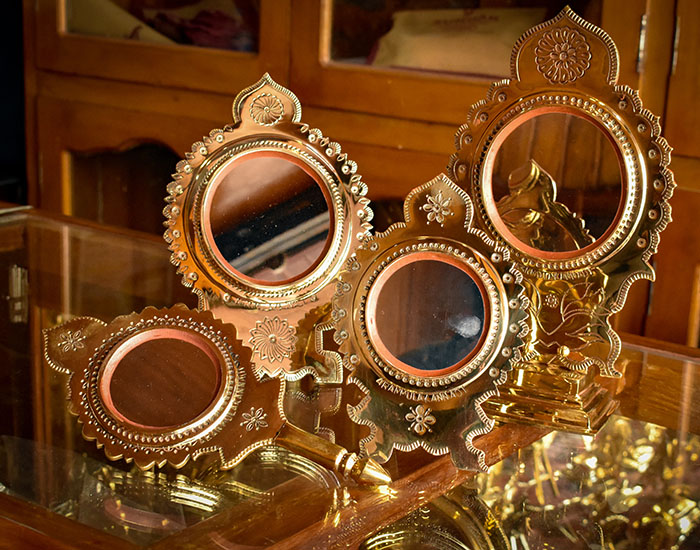
The decorative aspect of an art object is crucial to most Indian crafts, and is central to traditional beliefs about beauty and, in some cases, divinity or magic. This is outlined in aesthetic theories such as alamkara and dhwani, and put into practice through texts such as the Shilpa Shastras and the Raga Vibodha. Ornamentation is seen as an enlivening layer on existing craft objects and is applied to clothing, jewellery worn by human figures in art, the adornment of buildings with sculptures, the mood of a melody, and the inventive use of metaphor in language.
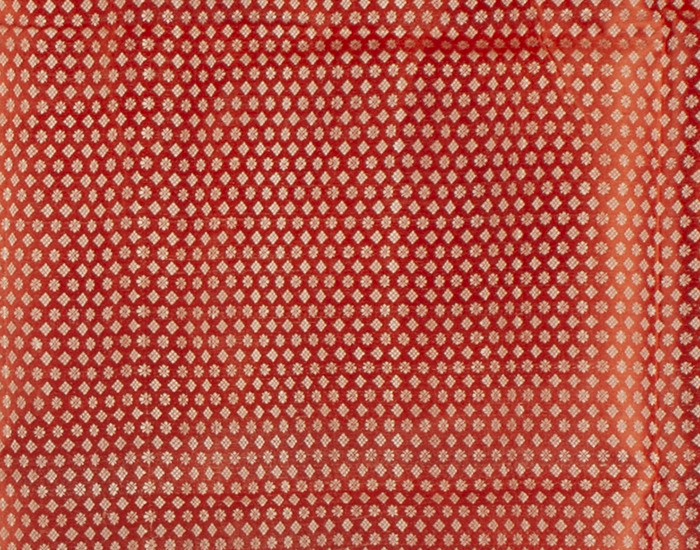
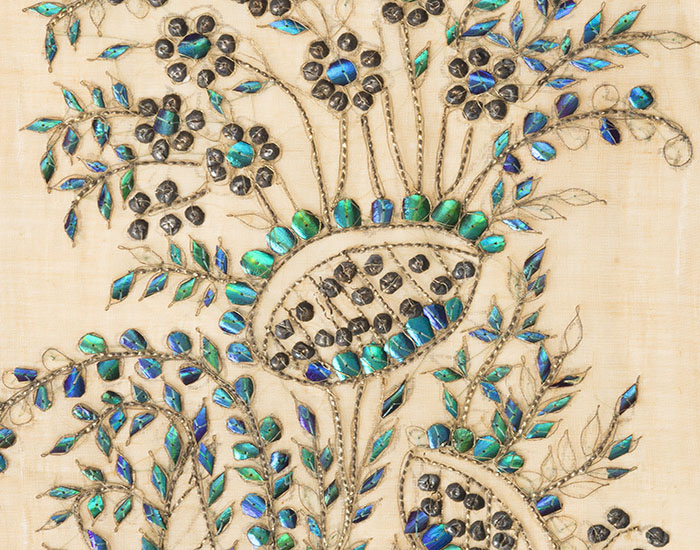
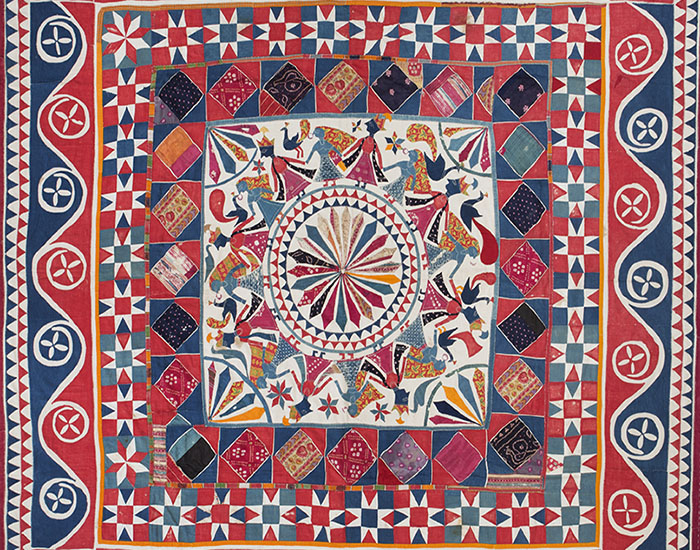
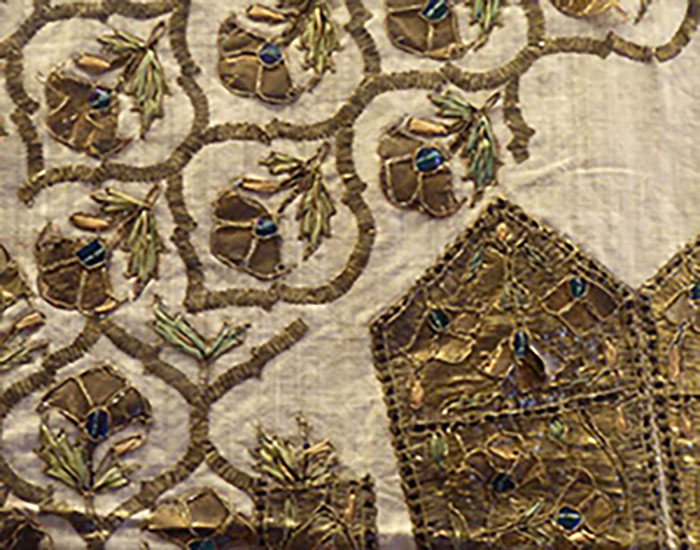
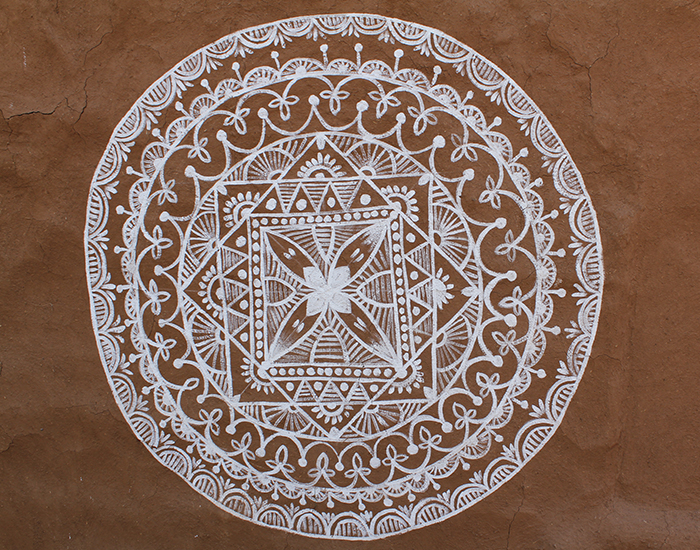
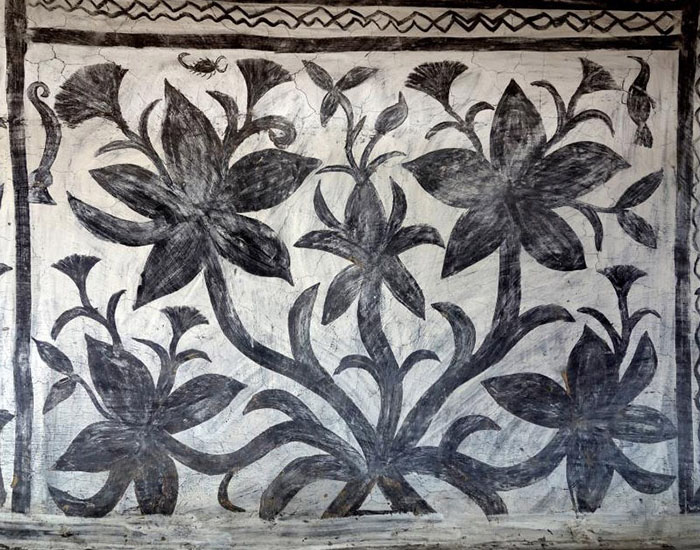
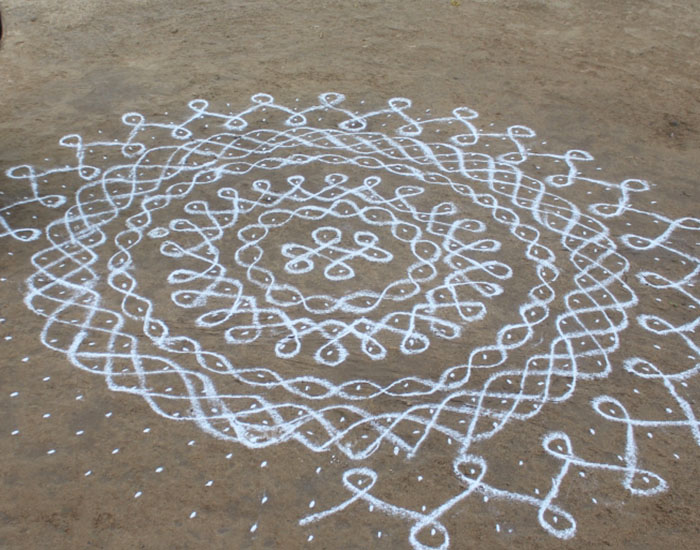
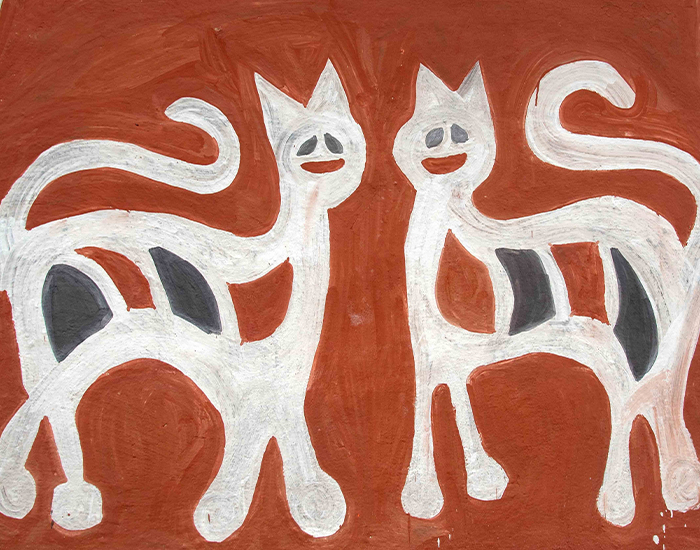
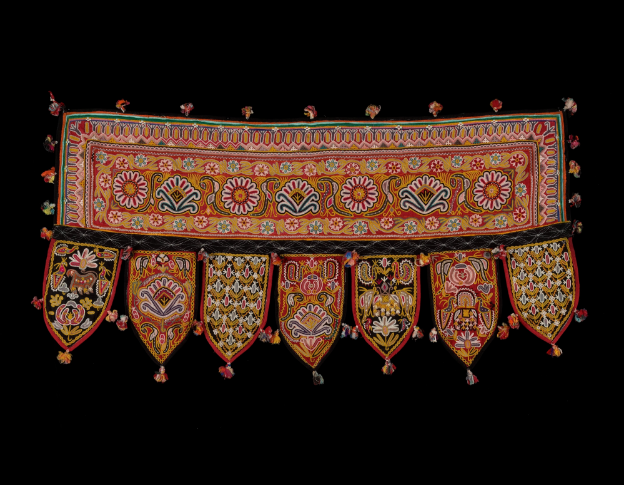
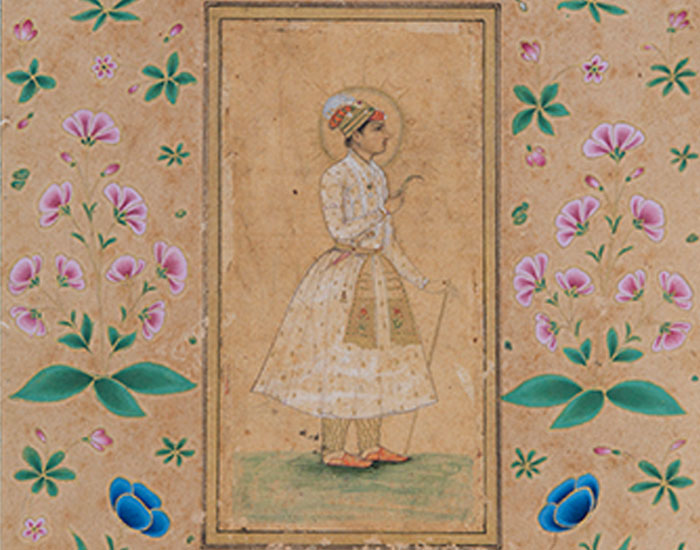
In some cases, materials with real-world value are used to ornament an object, such as gold and silver zari thread applied to Banarasi brocades and gota work in Rajasthan, or expensive pigments like ultramarine blue (derived from lapis lazuli) and gold used in illustrated manuscripts. Valuable materials may also be simulated, as in the case of beetle-wing embroidery, or embellishments like coins and cowrie shells used in Banjara embroidery. Temporary murals, such as Mandana, Sohrai and Khovar painting, are often used to mark important events by decorating a home or other important spaces. Ornamentation can also serve a talismanic function, as in the case of Kolam floor painting from Tamil Nadu, even when this is done by ritually marring existing decorative elements with motifs like the Nazar Battu in phulkari embroidery. Explore a diversity of ornamentation through these articles.