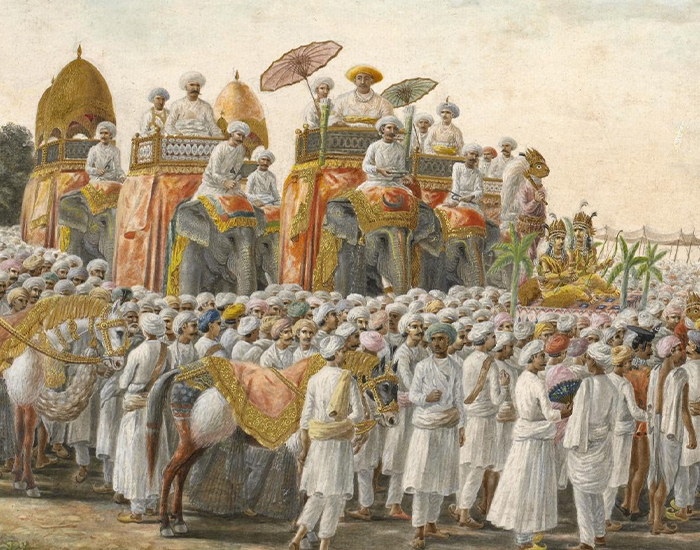
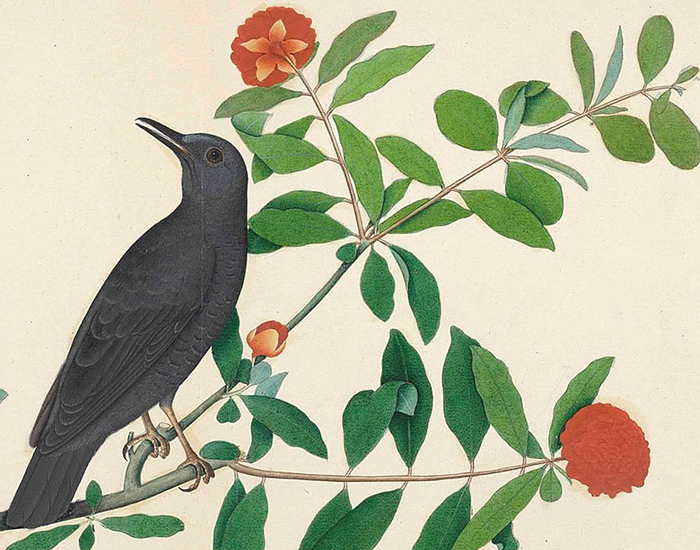
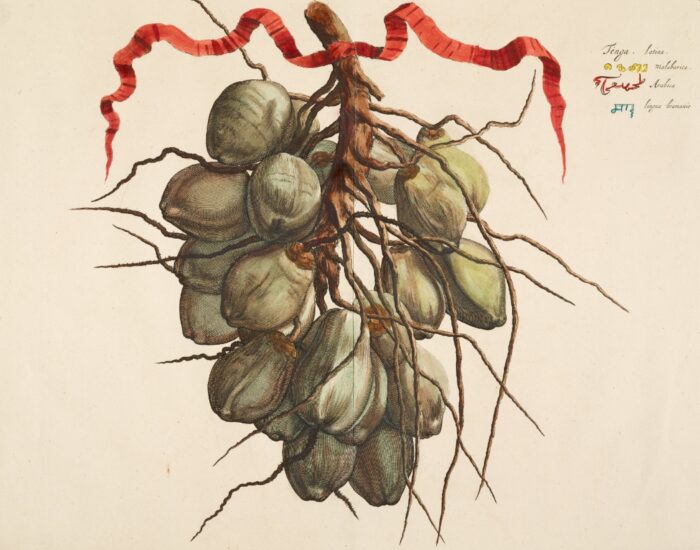
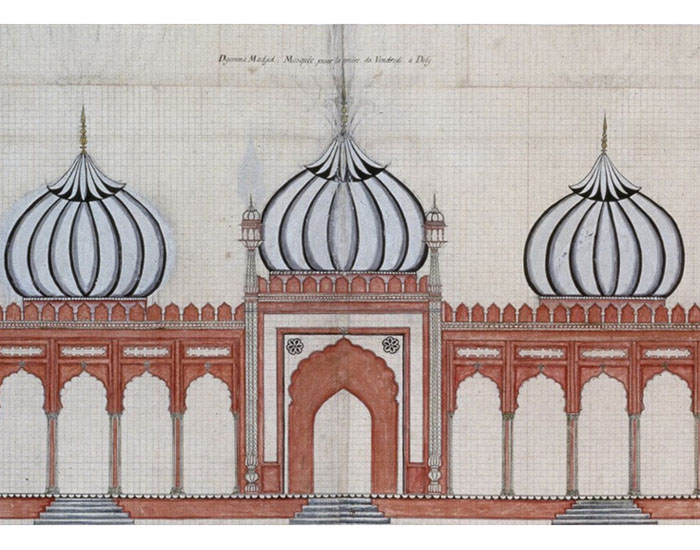
A category of artists who emerged out of an interaction between Indian and European culture and scientific exploration after the British East India Company gained administrative control over Bengal in 1757, were known as Company painters. Company rule resulted in the loss of courtly patronage for artists in India, which led to artists and craftsmen from the courtly centres in Bengal migrating to cities such as Patna and Murshidabad, which had viable commercial markets.
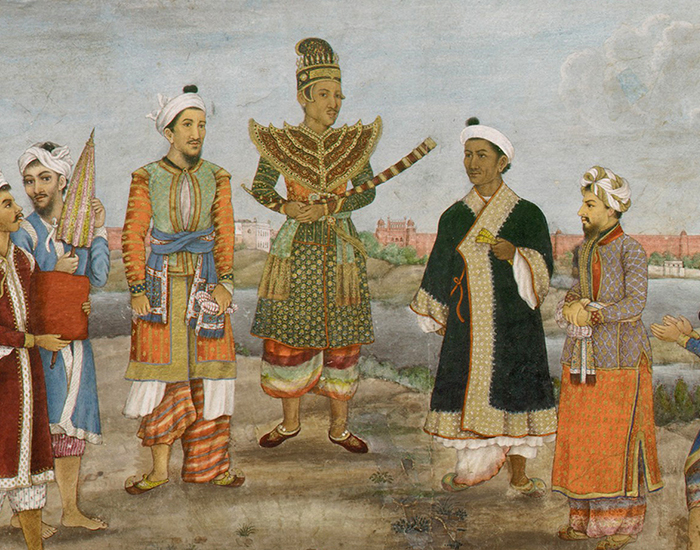
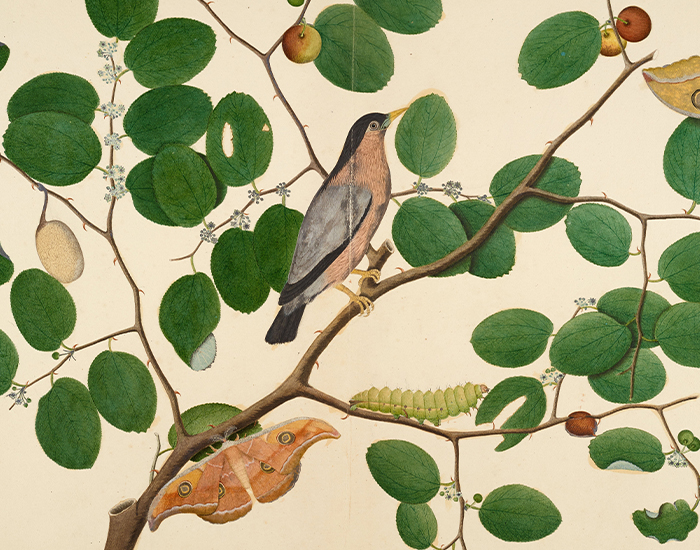
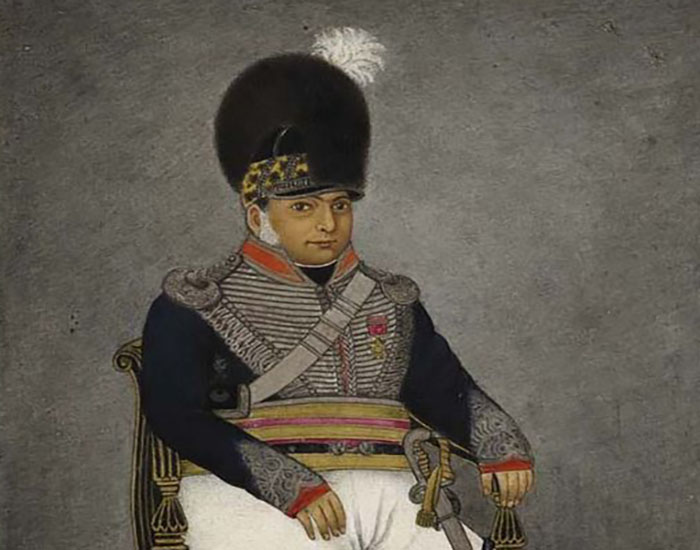
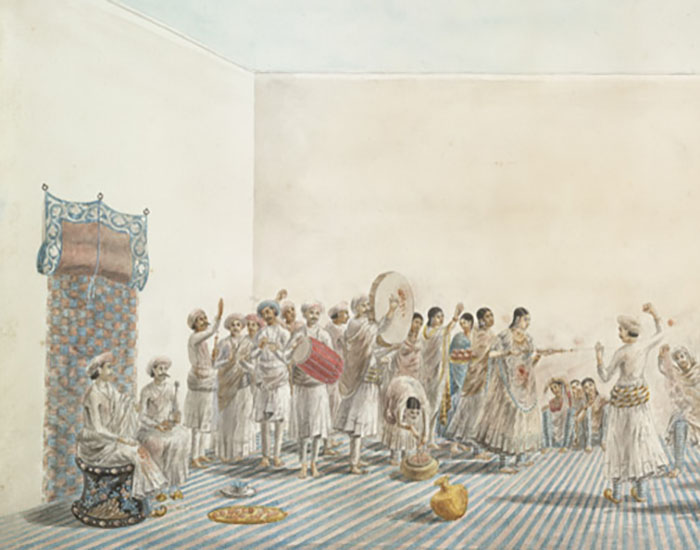
The East India Company and its officials, such as William Fraser and James Skinner, often operated as middlemen, putting visiting naturalists and ethnographers in touch with local artists who could be commissioned to visually document the subjects of the survey. The Company school had several centres across the subcontinent, populated by artists who had been trained in local traditional Indian painting styles and then adopted conventions of Western art, such as perspective, chiaroscuro and the picturesque. Indian painters thus played a major role in creating these early ethnographic and scientific records of the natural and cultural features of India, including flora, fauna, geology, costumes, architecture and street scenes. Notable artists of the Company painting school included Sewak Ram of Patna and Ghulam Ali Khan of Delhi.