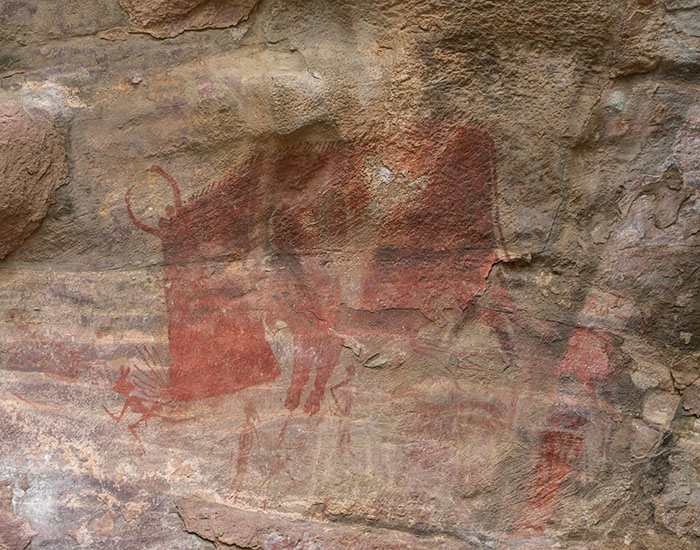
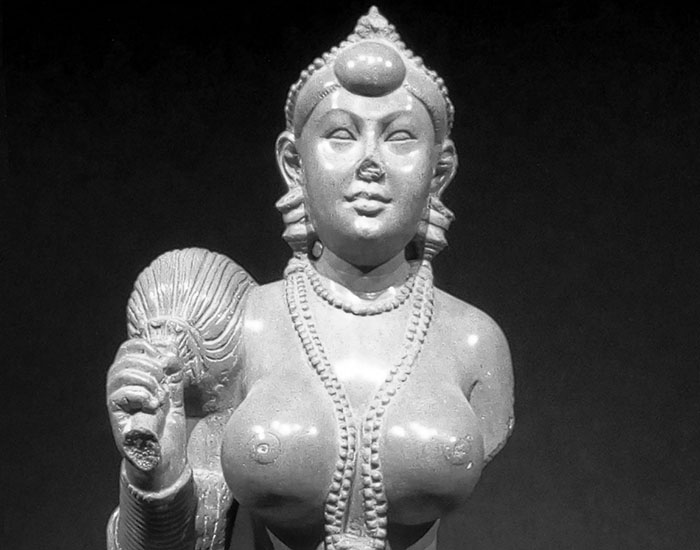
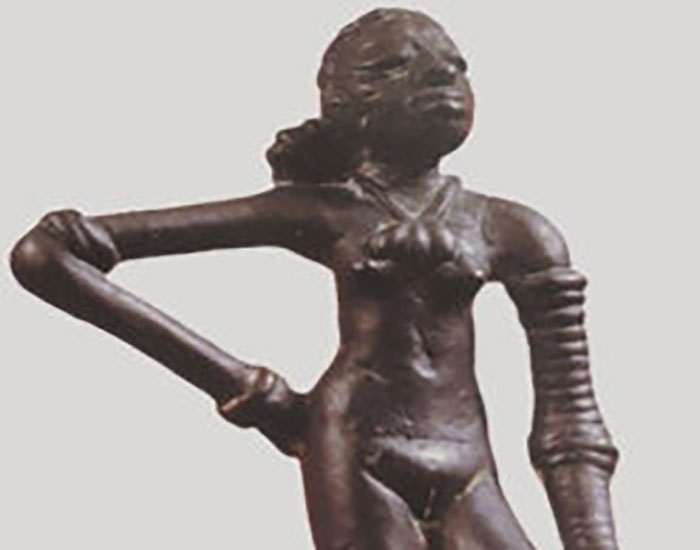
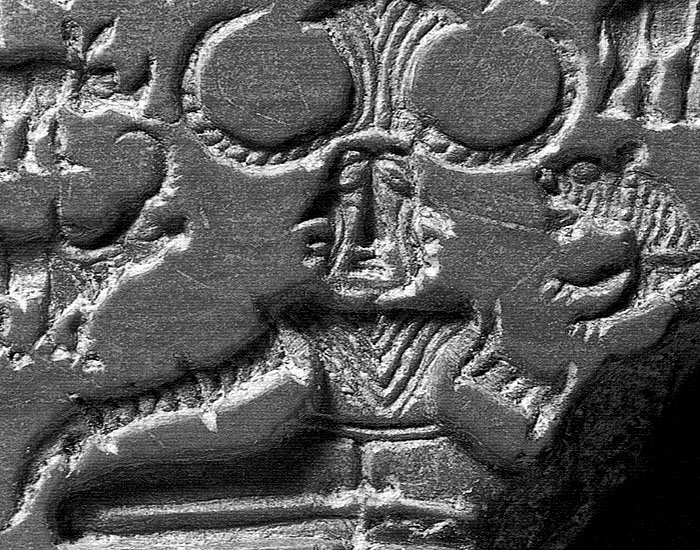
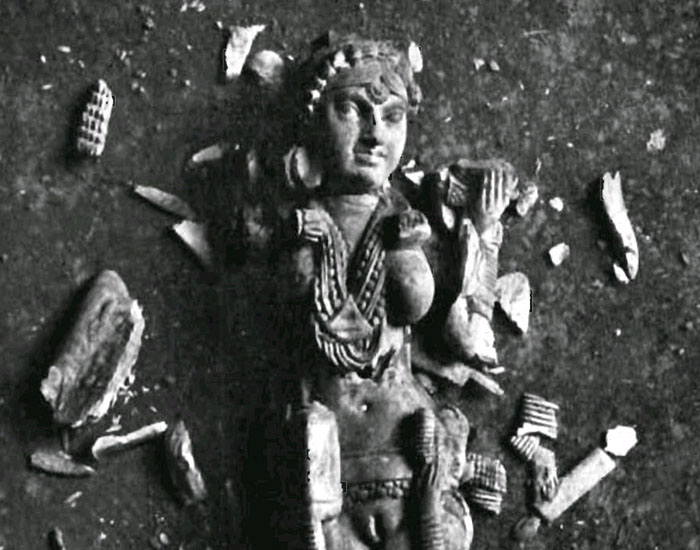
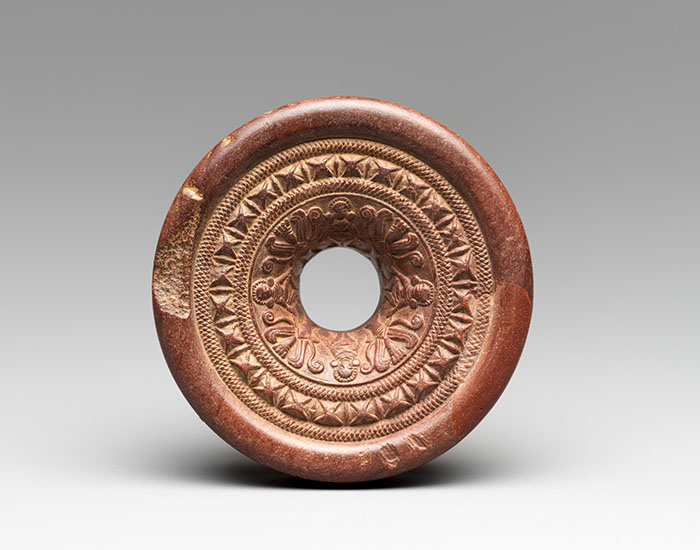
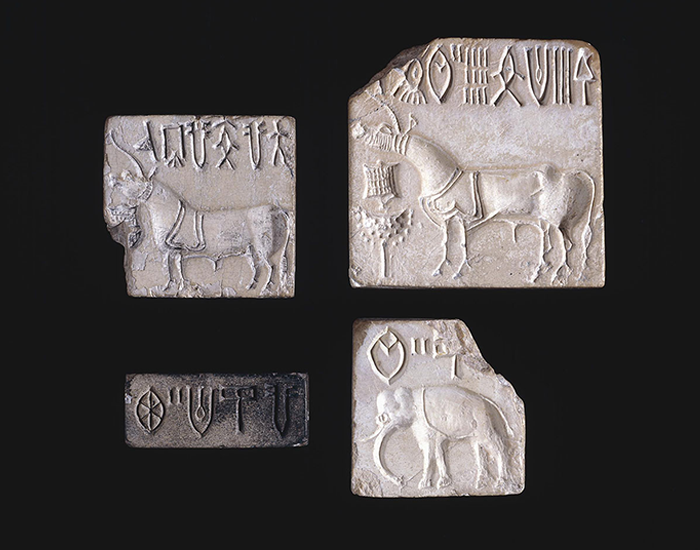
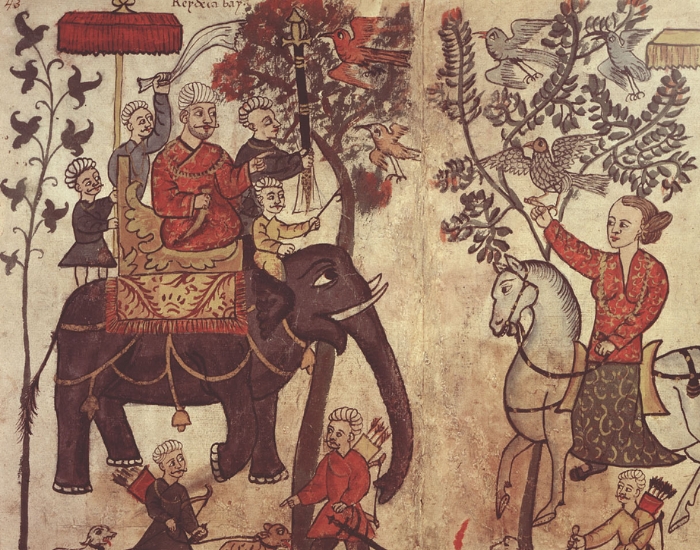
Re-discovered art objects from pre-modern India provide valuable clues about the artistic styles, patronage, material use and religious iconography of their time and place. In rare instances, however, objects of clear importance but no context are found, sparking debate among historians about their place in South Asian history. When ensuing debates are sustained over time, they often elevate the artwork well beyond its actual historical significance.
Colonial-era historians have been accused of making ill-fitting comparisons between Indian art and movements in European history, such as Gothic architecture or Hellenistic sculpture. Early Indian art historians who received a Western education but whose values were shaped by the independence movement, may bring a nationalistic lens that emphasises the antiquity of an Indian art object while rejecting the foreign influences it may have received. The effect of colonisation — and by extension, Victorian morality — in India can be seen in writing that forefronts the spirituality of Indian art, while downplaying the importance of violent or erotic imagery. In some cases, over-extrapolation motivated by religious agendas may pose as fact, creating myths for later historians to dispel.
Practical factors that affect the process of reassembling this lost context include technological limitations for dating artefacts, lost or missing objects, undeciphered languages and so forth.