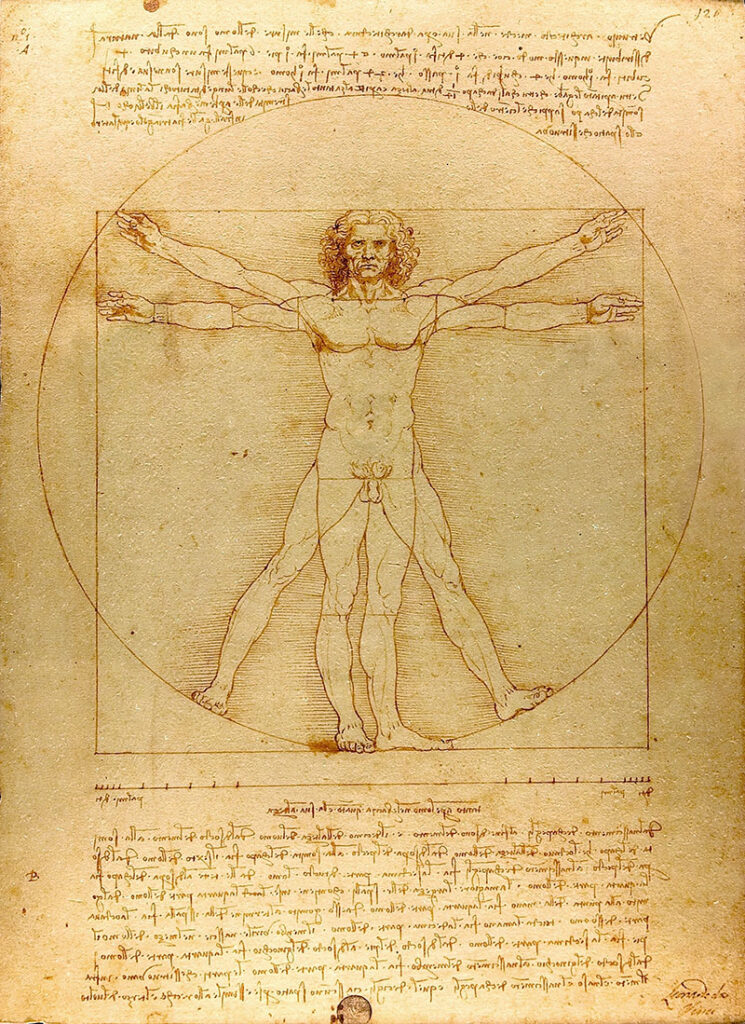
Period of development in European arts, science and philosophy between the late fourteenth and early seventeenth centuries. The Renaissance (French, ‘rebirth’) originated in the humanist thought of thirteenth- and fourteenth-century Florence, where classical Greco-Roman scholarship was revived to support a rationalist outlook over medieval Christian theology. It received impetus from the arrival of Greek and Latin scholars in Italy from the erstwhile Eastern Roman Empire after its collapse in 1453. As the Renaissance spread across the rest of Europe through the fifteenth century, art became rooted in the observation of nature and a scientific study of human anatomy; perspective and proportion became key features of painting, sculpture and architecture. Among various developments, this period witnessed the invention of the Gutenberg press; publication of Abraham Ortelius’s Theatrum Orbis Terrarum — considered the first modern atlas; the founding of Protestantism and the Church of England; the development of heliocentrism; and the beginning of European colonialism. Today, the Renaissance is often conflated with the short period of the High Renaissance in Italy (c. 1490–1527) — defined by the production of some of the most important works of art by Raphael, Michelangelo and Leonardo da Vinci.
Renaissance
Link copied!