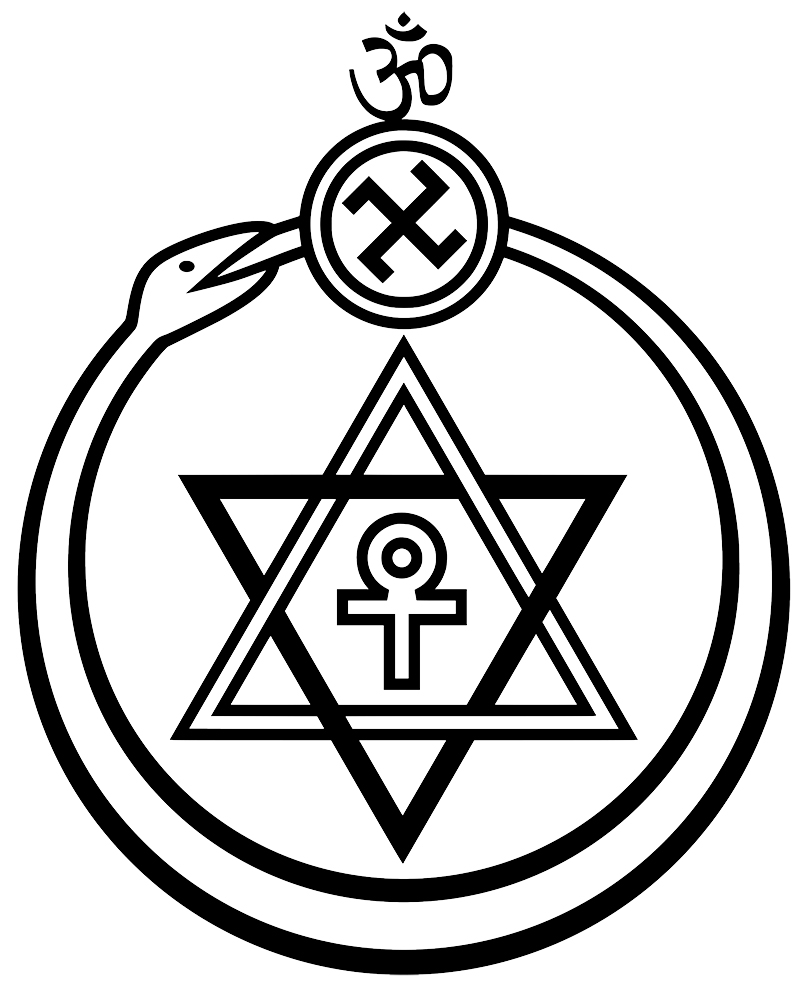
Organisation founded in New York City in 1875 by Helena (‘Madame’) Blavatsky and Henry Steel Olcott to develop and promote Theosophy, a modern esoteric religious movement. In 1880 Blavatsky and Olcott, the society’s first president, moved to colonial India and set up its international headquarters in Adyar in present-day Chennai; after Blavatsky’s death, another faction set up its headquarters in California in the United States. More chapters were established in Europe in the early twentieth century, following further disagreements within the Society. Emerging out of the esoteric movements against orthodox Christianity in the West, Theosophy sought to create a modern, syncretic philosophy that bridged spirituality and scientific principles, drawing on European Neoplatonism and occultism as well as non-European concepts, especially from Indian religions including Hinduism and Buddhism. In India, the Society was a major contributor to the diverse, unformalised Hindu reform and revivalist movement; its activities included collecting, translating and publishing philosophical manuscripts from Sanskrit, Pali and Prakrit, establishing educational institutions, many of which focused on Hindu religious instruction, and later, under the leadership of activist Annie Besant, supporting the struggle for self-government led by the Indian National Congress.
Theosophical Society
Link copied!