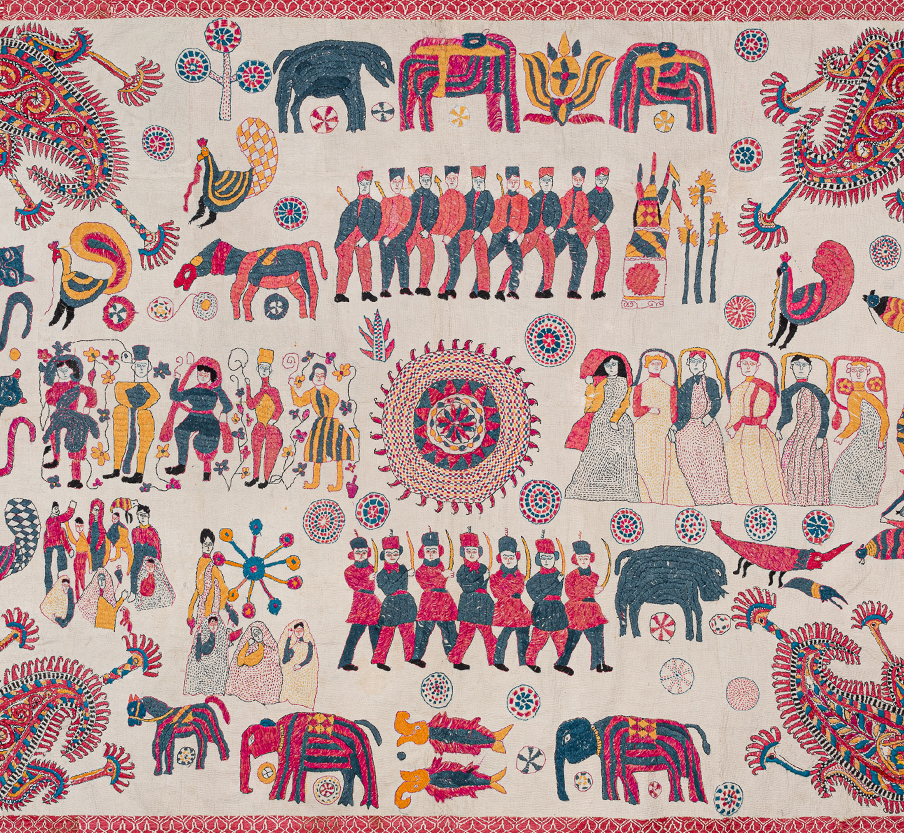
Ornamentation has been a key aspect in the long history of craftsmanship in the Indian subcontinent — and this is perhaps most striking in the region’s textile crafts. Embroidery and appliqué traditions from the region have been well known across the historic Indian Ocean trade network for millennia, finding mention in texts such as the first-century CE Greek maritime logbook Periplus of the Erythrean Sea.
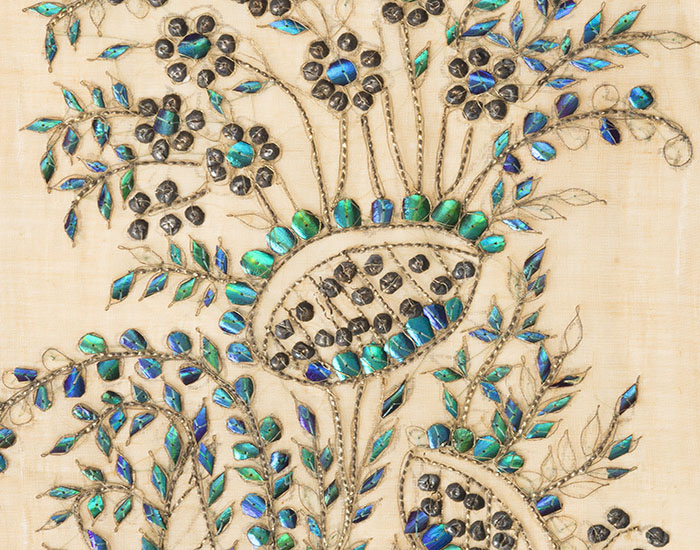
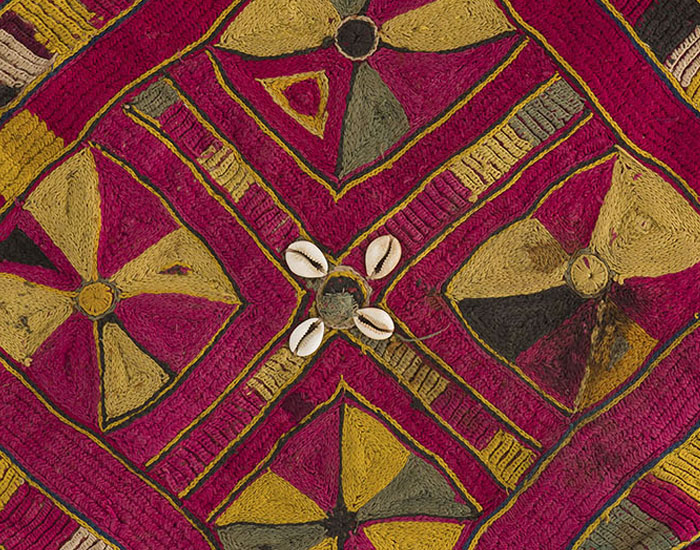
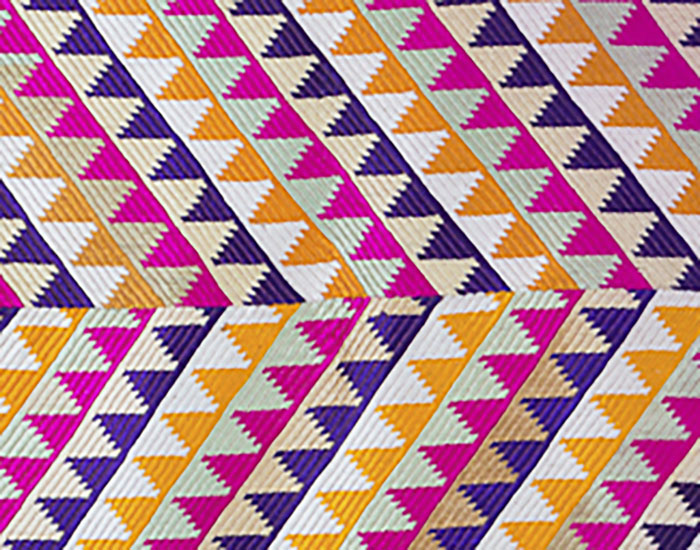
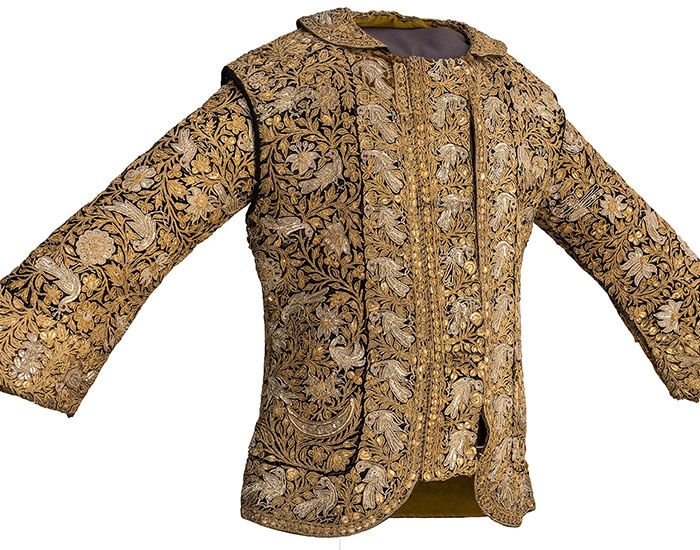
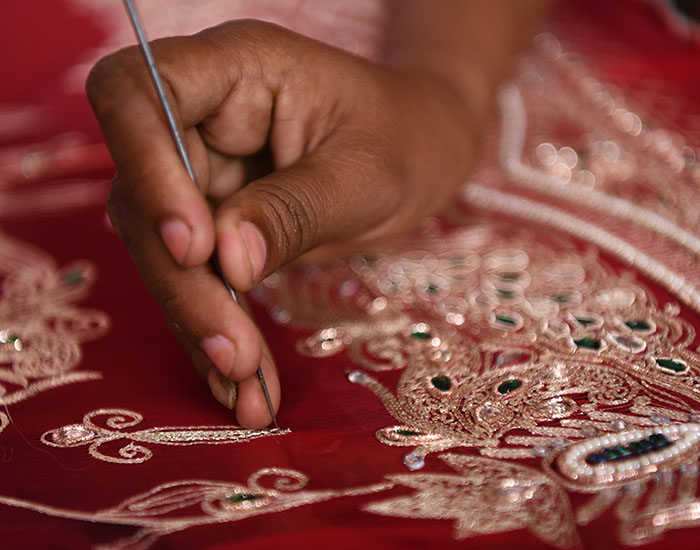
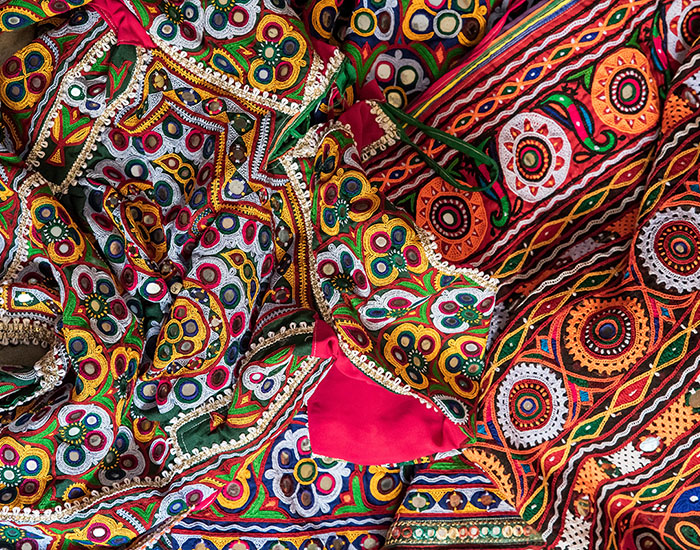
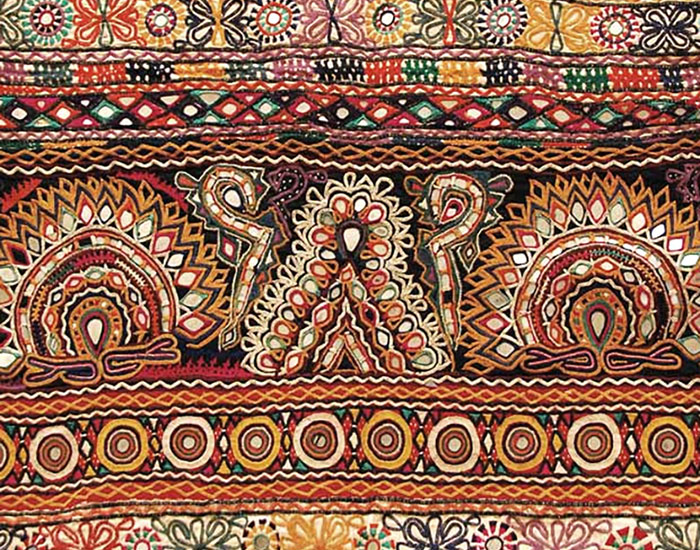
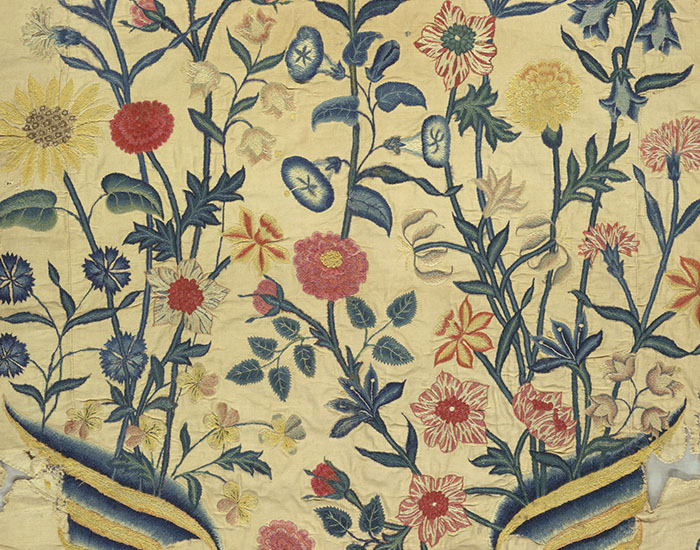
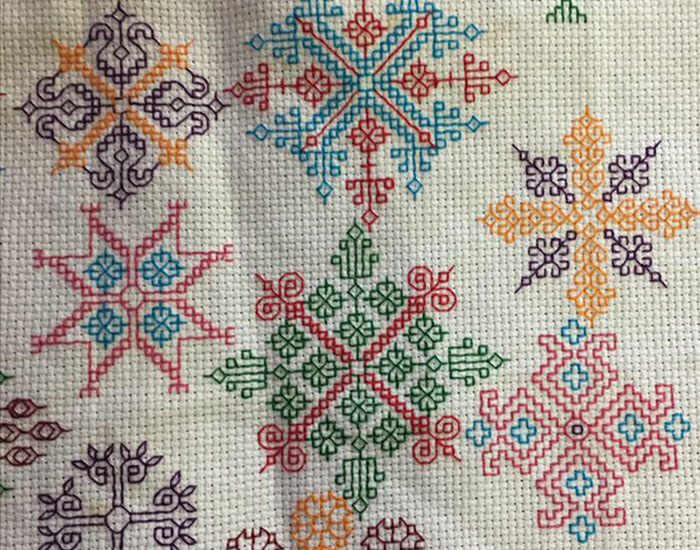
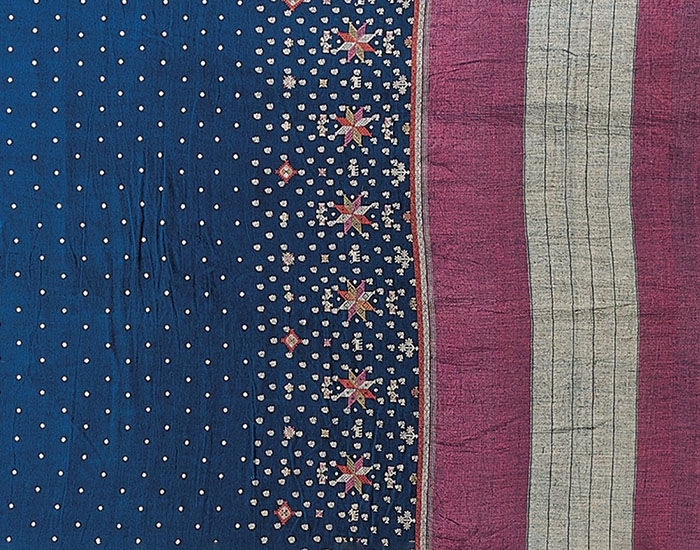
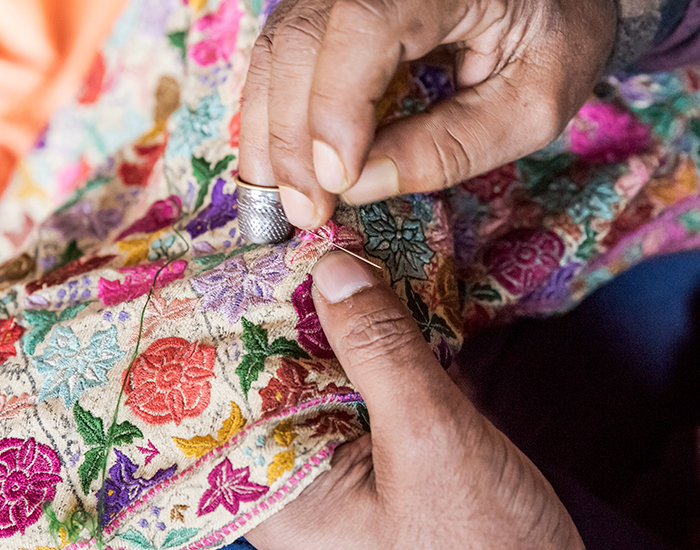
The specialised skills and techniques of embroidery that artisans use — sometimes spending months at a stretch on a single garment — often make for luxury textiles. The dense needlework used for the all-over floral designs of sozni embroidery from Kashmir, and the counting-thread technique of angular, carefully proportioned kasuti designs from Karnataka are examples of such ornate textiles. In some traditions, special objects or materials, of actual or symbolic significance, are stitched into the embroidered design in order to add value to the garment. Notable among these are beetle wing embroidery, which gained popularity under Mughal and British rule; embroidery using zari, or gold thread, practised through most of South Asian history in major weaving centres such as Varanasi and Kanchipuram; and the highly varied embroidery of the nomadic Banjara community, who add coins, sequins and cowrie shells to their colourful designs.
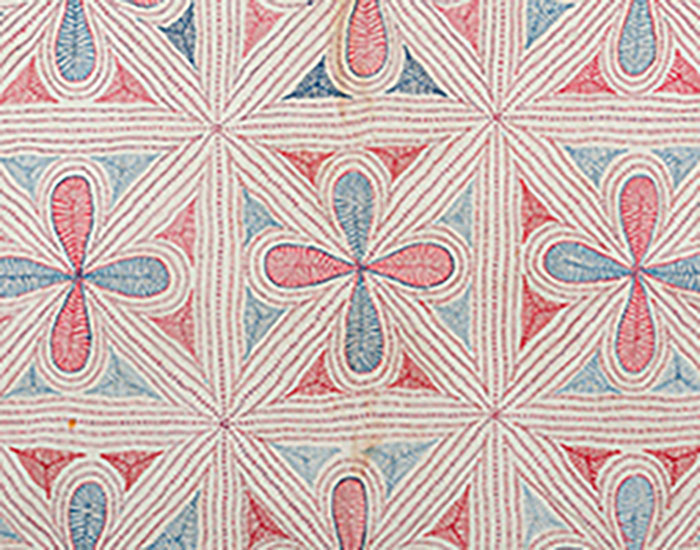
Certain traditions of needlework often serve practical functions along with ornamental ones. Appliqué traditions such as pipili, tharu, kantha, and khatwa repurpose fabric from old or damaged garments to make everyday items that include quilts, such as the kowdhi, and bags. Pieces of old fabric are often strategically composed to yield distinctive, aesthetically pleasing designs.
Many of these techniques are complex enough to have resisted mechanisation, such as those of beetle wing and sozni embroidery. Several others use unique, purpose-made tools like the ari, a hooked needle like that used in crochet.
Learn about the Indian subcontinent’s varied embroidery and needlework traditions with these articles.