-
ChicagoBacker, Thasil Suhara. "Making Waves: Looking Back at Malayalam Cinema with SR Praveen." Impart Perspectives, September 8, 2026. https://imp-art.org/perspectives/interviews/making-waves-looking-back-at-malayalam-cinema-with-sr-praveen/
-
MLABacker, Thasil Suhara. "Making Waves: Looking Back at Malayalam Cinema with SR Praveen." Impart Perspectives, Sep. 8, 2026, https://imp-art.org/perspectives/interviews/making-waves-looking-back-at-malayalam-cinema-with-sr-praveen/. Accessed 21 Sep 2026.
-
HarvardBacker, T.S. (2026) Making Waves: Looking Back at Malayalam Cinema with SR Praveen, Impart Perspectives. Available at: https://imp-art.org/perspectives/interviews/making-waves-looking-back-at-malayalam-cinema-with-sr-praveen/ (Accessed: 21 September 2026).
Making Waves: Looking Back at Malayalam Cinema with SR Praveen
The award-winning film critic discusses his debut book on the dynamic culture of Malayalam cinema, and reflects on its evolution over the last century.
By Thasil Suhara Backer
Link copied!
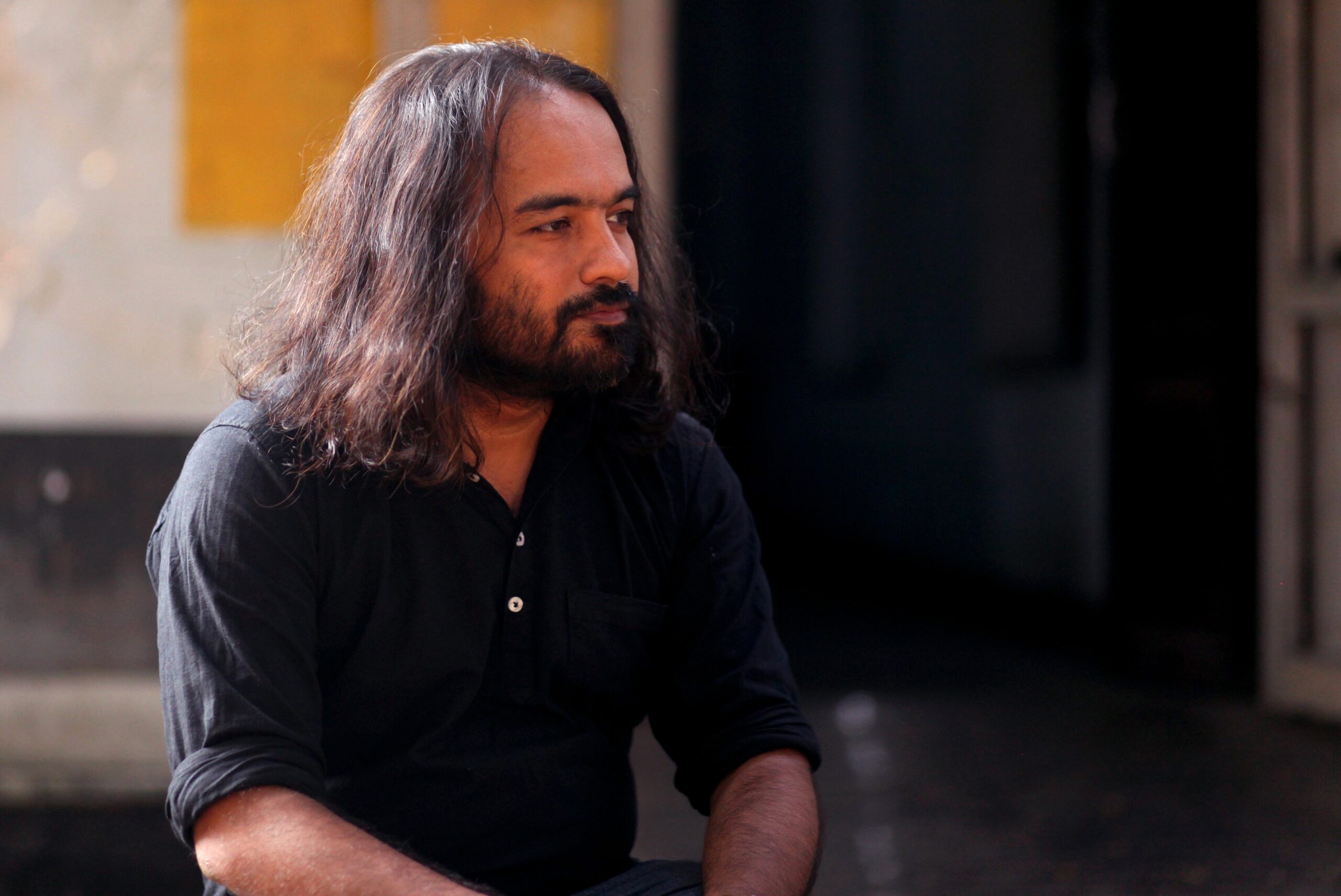
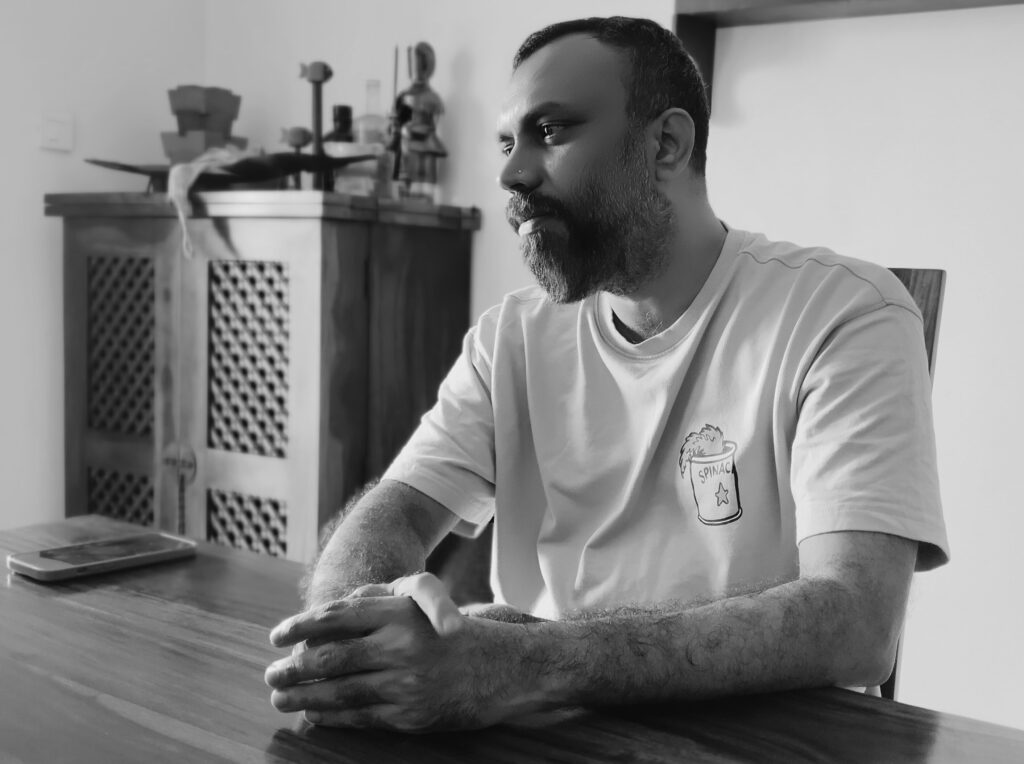
Film critic and author SR Praveen. Courtesy SR Praveen
“Post-2017, what seemed like a small burst was actually a slow wildfire.” This is how filmmaker Anurag Kashyap describes the recent spate of successful Malayalam releases, from The Great Indian Kitchen (2021) to Manjummel Boys (2024), from Kumbalangi Nights (2019) to Premalu (2024), in his blurb for SR Praveen’s debut book, Ticket to Kerala: The Story of Malayalam Cinema. Praveen, an award-winning film critic with The Hindu, tells us that the current Malayalam ‘new wave’ is a reflection of the industry’s dynamic culture that has seen many ups and downs in the nearly 100 years of its existence. The book, published earlier this year by Rupa Publications, moves across the industry’s formative years, the first Malayalam ‘new wave’, the crisis of the 2000s, and the current resurgence since the pandemic years, often discussed in terms of the pan-Indian popularity of Malayalam films being produced.
The book provides historical and social context for understanding why Malayalam films look and feel the way they do. In his refusal to reduce the history of the region’s cinema to a small constellation of celebrated icons, Praveen’s account extends generously to an entire galaxy of filmmakers, actors, writers, musicians, cinematographers, and other creative practitioners whose collective labour shaped the industry. In a candid conversation, the author discusses this turbulent, resilient, hyper-local yet globally-relevant, and consistently evolving landscape of Malayalam cinema.
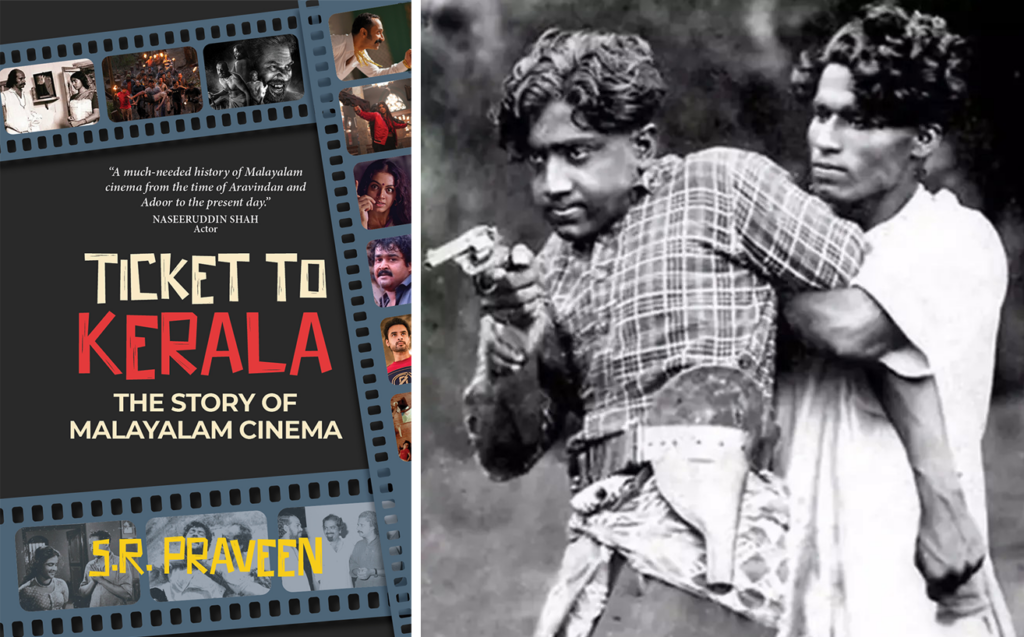
Thasil Suhara Backer: What can you tell us about JC Daniel, the ‘father’ of Malayalam cinema?
SR Praveen: Daniel was born into a family of doctors in 1900; in his twenties, he headed to Madras and Bombay to understand filmmaking. Before long, he sold 115 acres of his ancestral property to buy equipment to set up Travancore National Pictures. Instead of filming a mythological story, which was a standard practice in other industries, he drew inspiration from actual incidents to make Vigathakumaran (1930), a silent film, which is now recognised as the first-ever Malayalam movie to be made. The story revolved around the kidnapping of a child from a wealthy family in the erstwhile Travancore Kingdom to Ceylon (now Sri Lanka), and the dramatic events leading up to the reunion with the family a decade later. Tragedy struck after the filming. At its very first screening, upper-caste men disrupted the show, pelting stones at the screen, because they couldn’t accept a Dalit woman, PK Rosy, playing the character of a Nair woman. Rosy’s house also came under attack, and she had to flee, without ever getting a chance to see her face on screen. Until she died in 1990, she remained in Nagercoil away from the public eye. The film had a few more screenings in other districts, but did not make much money. Hounded by debtors, Daniel had to sell his studio, Travancore National Pictures, all his equipment, his car, land, and his wife’s jewellery. He never made any other feature film in his lifetime.
Backer: The book strikingly shows that since Vigathakumaran, the industry has consistently taken inspiration from real-life events and from landmark socio-political literary works. This suggests that the current Malayalam resurgence through films with realistic themes is not a new phenomenon?
Praveen: That is kind of the agenda of the book. Now Malayalam cinema has been discovered outside Kerala, and a lot of people may assume this only started around the COVID-19 pandemic; this was the period when a huge number of people began watching Malayalam films. Before that, it was limited to festival circuits. Now general audiences are watching these grounded, realistic stories portrayed in Malayalam films — very different from most other mainstream films. What is happening now can be traced back to what was happening in the 90s, 70s… even as early as the 60s. I have discussed the film Neelakuyil (1954) — they were not trying to feed people religious themes or fantasy plots. We have films from these early years that are about real issues, and they are not documentaries or arthouse films — they are enjoyable, mainstream films. What is happening now can be viewed as a repetition of that middle-of-the-road type of cinema from the 80s, which straddles both commercial aspirations as well as indie cinema sensibilities. We can see the similarities in approach in a lot of films today. Even Bethlehem Kudumba Unit, which released on Aug 21, [2026], shows a slight parallel to Kanamarayathu, released in 1984, directed by IV Sasi — how the film is written, the story’s treatment. But it has also been delicately adapted to better suit current times. The Malayali cinema-goers of today grew up watching filmmakers from the 80s, and many of them mention Padmarajan or KG George among their favourite directors. So, it’s not something new. What is different is the reception and reach of Malayalam films now; that was not the case before. But in the 80s, the industry’s ecosystem supported realistic filmmaking. Towards the middle, during the 2000s, we lost that ethos, and now we have regained it.
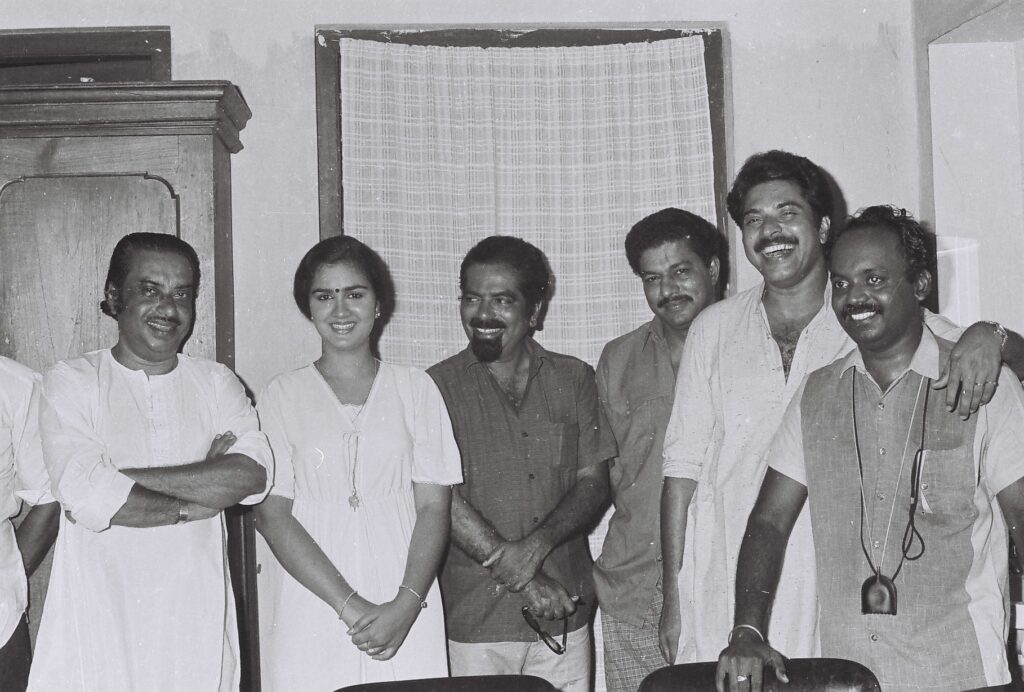
Backer: The second part of the book goes very deep into the origins of Malayalam cinema. When we move that far back, what are the primary sources?
Praveen: Right now, the Kerala Chitra Academy is the only dependable source for the material history of Malayalam cinema. Although it’s not chronologically arranged, most of the photographs in the book are sourced from the academy. If you have time and patience, you can sit there and find many photographs and other archival materials that you won’t find anywhere else. Otherwise, in Kerala, we don’t have formal archiving; you can’t get film reels for restoration, even for films produced in the ’90s. Even for the recent re-release of some films from that period, they couldn’t find the original reels. But we should develop a culture of archiving. Filmmaker John Abraham‘s Amma Ariyan restoration from the reels preserved in the National Film Archives of India was done by the Film Heritage Foundation. People from other countries had to come here to do that. However, the Chitra Academy is now slowly getting into restoration work. But we need more resources and institutions in this field because we have so much to preserve.
Backer: The book mentions Jose Kattookkaran, the nomad projectionist, who in the 1910s travelled across Kerala, pitching tents and screening bioscope reels procured from outside the state. What archival traces remain of these early screenings?
Praveen: I haven’t found any archives myself. Even for JC Daniel, his son was the only source.
Backer: Looking at the broader history of Malayalam films, how did Chitralekha Film Unit, a film society started in 1965 by a group of Malayali students from the second-ever batch of FTII, shape the region’s cinema culture?
Praveen: The concept of the film society itself was not familiar to Malayalis till Chitralekha happened. I was recently talking to another film society called Chalachitra, based in Trivandrum, which recently turned fifty years old. They were a branch of the original Chitralekha, and then took the concept forward in their own way. For a long time, they were promoting smaller filmmakers across the city. Ten years ago, they organised a retrospective of G Aravindhan to mark twenty-five years since the filmmaker passed away. So many young people who attended the screenings were watching Aravindhan’s films for the first time. Interventions like that are so important for developing a vibrant film culture.
So going back to Chitralekha, the initiative led to film societies sprouting across Kerala — hundreds were started. While some shut down soon after, the point is that during those years, across villages and cities, people suddenly had access to a lot of different kinds of films. These were films they wouldn’t have seen if it weren’t for this film society movement in the state. Such films don’t get shown at theatres, except maybe a few screenings at state-run theatres.
Adoor Gopalakrishnan was one of the early members of the Chitralekha Film Society, and he made significant efforts to secure copies of rare films. One such effort was his securing a print of Pier Paolo Pasolini’s The Gospel According to St. Matthew (1964), which he found in a seminary at Trichy. Adoor’s debut film Swayamvaram (1972) was also an initiative of Chitralekha film cooperative, with twenty-five members contributing one hundred rupees each.
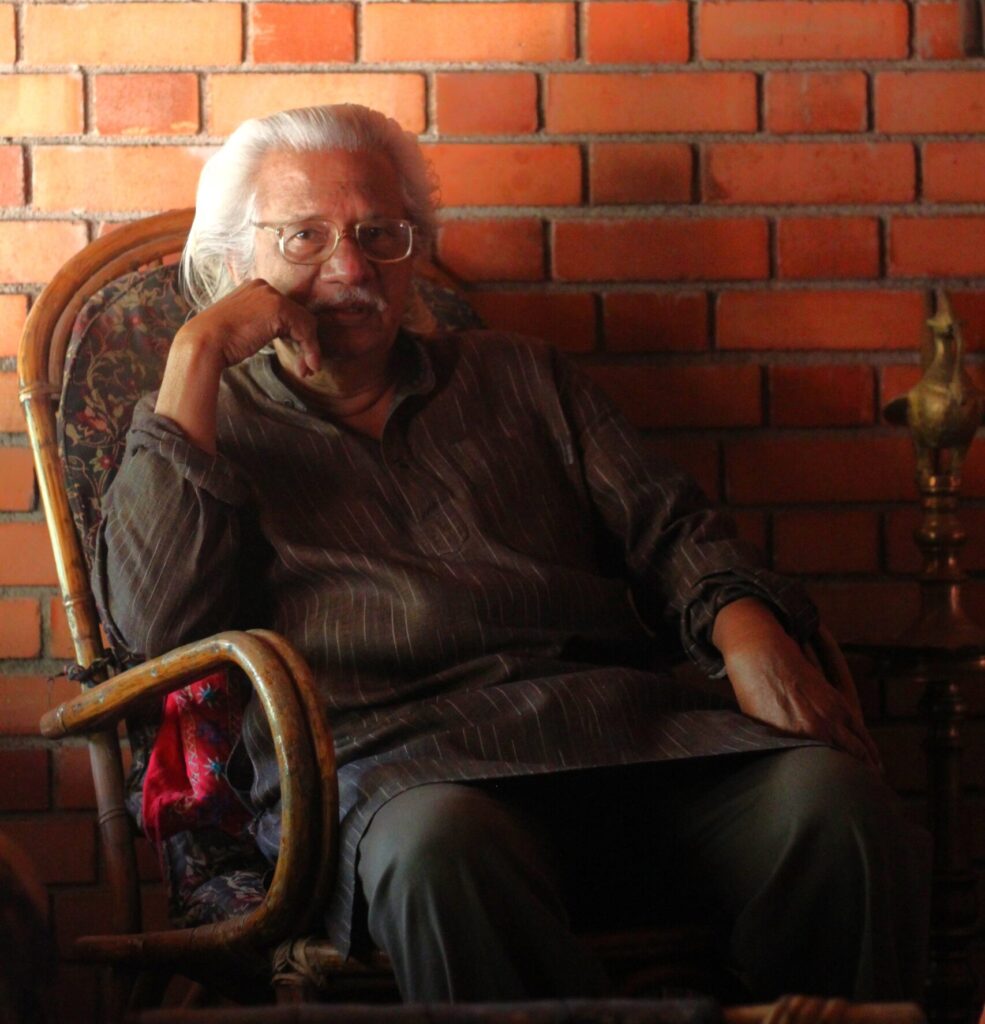
Today, Chitralekha’s legacy lives on in the many film societies across Kerala. The film societies in Payyannur, located in the Kannur district, are especially notable — they are creating Malayalam subtitles for foreign-language films. The website www.malayalmasubtitles.org now has 3,400 subtitled films — around 80 foreign languages have been subtitled in Malayalam. The number of volunteer translators is now above 600. Such ventures help many people, who don’t know how to read English subtitles, access so many foreign films. Before, world cinema was accessible only to those who knew English, and now anyone with basic Malayalam literacy can watch any movie from anywhere in the world. The film society movement in Kerala brought world cinema to the masses, changed people’s mindset. So did film festivals, such as the International Film Festival of Kerala (IFFK). It helped people form their own ideas of what a film can be. These interventions trained viewers to be receptive to new ideas, and gave filmmakers the confidence to experiment and try innovative approaches.
Backer: Malayalam cinema culture has nurtured both nuanced filmmaking as well as critical viewership. But do we have a similar public culture around critical writing about Malayalam cinema and its history?
Praveen: There is a wealth of literature about Malayalam cinema. You only have to go to a public library to find huge sections devoted to texts written by actors, directors, and film studies academics about Malayalam cinema. But they exist in different silos — some are on mainstream cinema, some on independent cinema, some track genres. But, you don’t see all these come together in a comprehensive narrative. Also, we don’t have a lot of written literature on Malayalam films meant for the masses. So, Ticket to Kerala was written with the common people in mind; so there is more widespread knowledge about the history of Malayalam cinema.
There are a lot of masala stories in Chelangattu’s book; but if you ignore them, it still provides a lot of information about how the industry was back then. Another book is by producer and distributor MT John, who passed away last week. MT Vasudevan Nair has a very small book on his experiences in Malayalam cinema; it’s very readable and insightful on how, as a writer, he approached Malayalam cinema. I had no direct access to people like director Priyadarshan or Mammootty, so their memoirs were my primary source of reference.
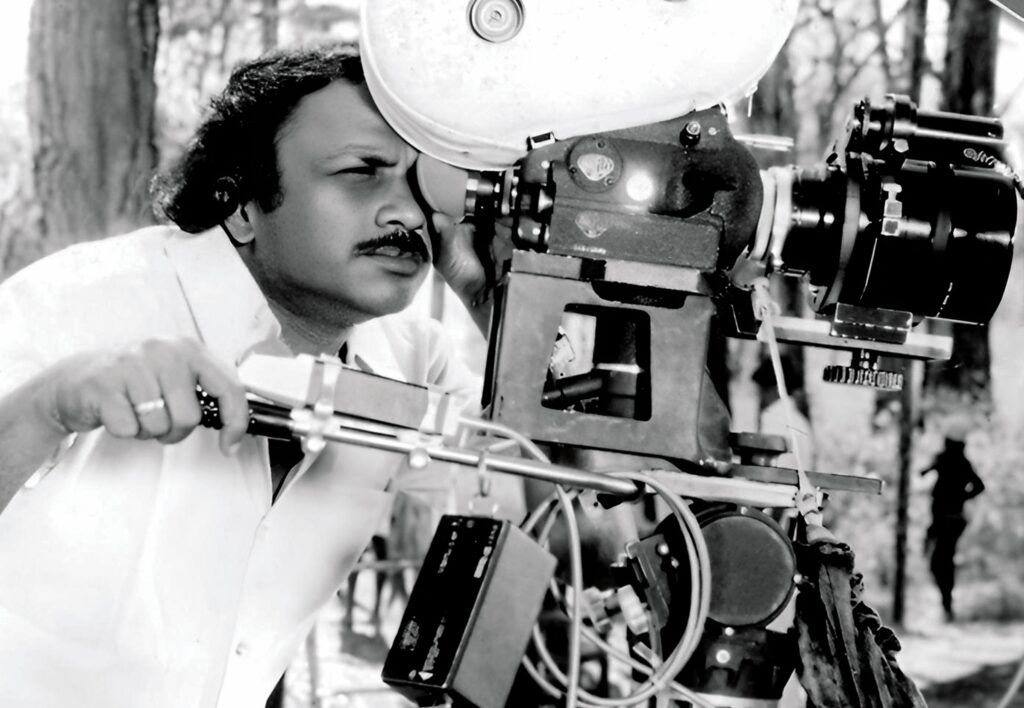
Backer: Theatre has had a marked impact on Malayalam cinema — we have films from screenplays written by Adoor Gopalakrishnan, Lijo Jose Pellissery, Syam Pushkaran, and recently, there is Rajeev Ravi’s film Thuramukham, which he developed as a stage production first. Many Malayali film creatives have a strong background in theatre — is this a distinctive feature of Malayalam cinema?
Praveen: It is a tradition; even youngsters like Roshan Mathew direct and act in plays. Darshana is acting in plays and so is Rajesh Madhavan. Many from the young crowd are very active on the theatre scene — their work in plays runs parallel to their film acting and directing commitments. That tradition is very much alive.
I would say that in the initial years, Malayalam cinema was very influenced by theatre. Film performances were very theatrical and films mimicked how plays were structured and staged. We only see a more cinematic treatment of plots in the 60s or 70s. Cinematic language did not really enter the industry’s lexicon until the first set of film institute-trained directors made their entry. Now, we are in a good position.
So initially, plays had a negative influence on filmmakers, who were unable to shake off the influence of theatre productions. But, since then, theatre has had a very positive effect on the kind of subjects that Malayalam films tackle.
Backer: You have a dedicated chapter in the book to what you term as the “women-led revolution in Malayalam cinema,” covering the work of Women in Cinema Collective (WCC) and the aftermath of the Hema Committee Report. But what was achieved in terms of actual changes in the modern Malayalam film industry?
Praveen: WCC changed Malayalam cinema for the better, compared to what was happening in Malayalam films in the early 2000s. A lot of incorrect things were happening that were so normalised; no superstar film went without a scene of a man slapping a woman or heroes using abusive, demeaning language. When such things are considered to be heroic and done to create a certain ‘aura’ for the male lead, it is a problem. So film sets became safer for women because of WCC’s intervention; now people are scared of doing scenes they would have filmed without hesitation in the 2000s.
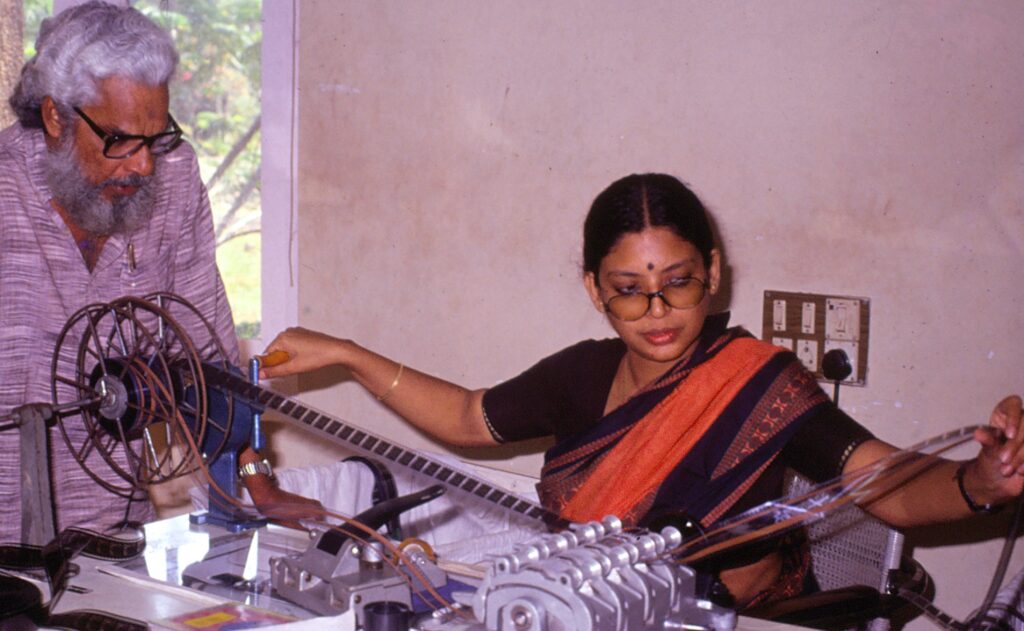
Backer: Jeo Baby’s Kaathal, which examined both same-sex desire and heterosexual marriage in a single story, ended up being an endorsement of the dominant social structure. Why is mainstream Malayalam cinema still finding it difficult to conceive queer lives independent of heterosexual social conventions?
Praveen: Muthoon, by filmmaker Geethu Mohandas, was a better portrayal of same-sex desire. In Kaathal, the filmmakers played it safe — the characters did not even meet openly and were shown as very secretive. Mohandas was much more nuanced in her film. Some reluctance is evident because patriarchal attitudes haven’t disappeared. Maybe five to ten years from now, we will have more honest films. Right now, there are very few films — one of them is Sancharam from the early 2000s. We still have only a handful of such films even after so many years.
Backer: In the book, filmmakers Rajeev Ravi and Bahul Ramesh have both spoken about a cognitive shift in how they conceive movies and think about image-making in cinema. What do you make of their visual shift to practical, on-the-go storytelling rather than nitpicking the mise-en-scène of every frame?
Praveen: They have learned from renowned masters like Vincent, Shaji N Karun, and Venu, and also drawn inspiration from the filmmakers with whom they have collaborated. This evolution goes beyond just a new visual style; it reflects their personal vision of what cinema should embody. Their images are meant to be more than functional apparatus of the film; they convey deeper, underlying meanings.
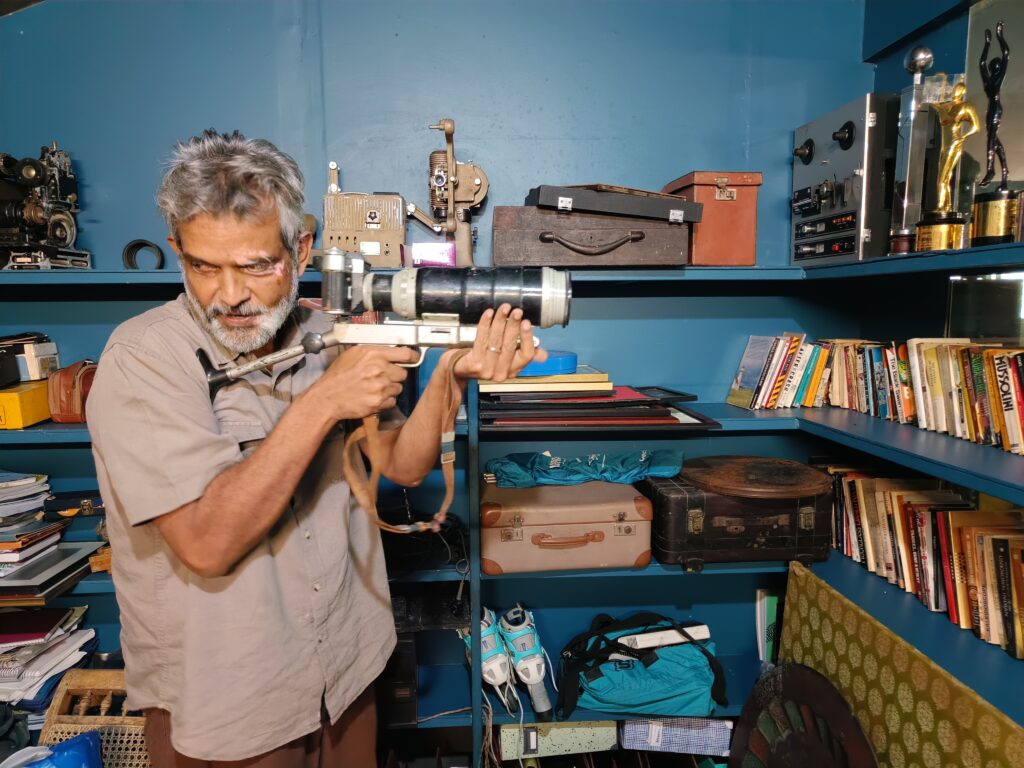
Backer: Malayalam film buffs don’t seem to truly support the work of critically-acclaimed filmmakers beyond a point. Shyamaprasad comes to mind. Would you agree?
Praveen: Shyamaprasad’s best films were made when Malayalam cinema was still old-fashioned, so he was making something new. Many people were just not ready to accept those themes, even though his films were critically acclaimed. For every filmmaker, there is a purple patch — a period when they make their best work. When you talk about Adoor Gopalakrishnan, for instance, his best works were made before the 2000s. Of course, there are exceptions. But even KG George stopped making films when he realised he had lost his touch in 1990. Whether people are receptive or not, depends entirely on the filmmaker’s creative vision.
Backer: How important has the emergence of screenwriters, such as Syam Pushkaran, been in changing the image of the hero in recent Malayalam cinema?
Praveen: Before Syam Pushkaran, the audience did not expect the hero to cry. Previously, you may have seen the hero cry in front of his mother. Now the hero cries because he has a mental issue, like in Kumbalangi Nights (2019). One of the beautiful scenes from that film is about that. Earlier, heroes had to be very proficient, especially in fighting. There are a lot of Mohanlal films from the early 2000s where the characters he portrayed are good at everything. Now Malayalam cinema also has space for losers. It is a nice change.
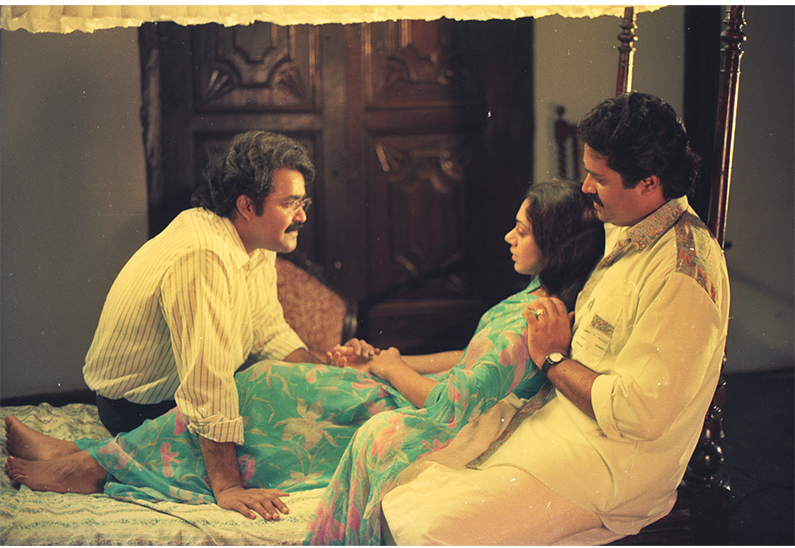
Backer: IV Sasi made as many as thirty-three films with actor Mammootty. Lohithadas and Sibi Malayil created some of the most memorable and emotionally complex characters for Mohanlal. Adoor Gopalakrishnan, one of the pioneers of the Malayalam New Wave, worked exceptionally well with Mammootty in three consecutive films — Anantharam, Mathilukal, and Vidheyan. After thirty-two years, the duo is returning with a new film titled Padayatra. But why is it that we don’t see such long-term, actor-director collaborations anymore?
Praveen: Many young filmmakers still rely on a repeat cast and crew, I think. Girish AD or Lijo Jose all work with the same technical team and actors in most of their films; only the lead actors change. In all of Girish’s four films, Vishu Vijay is the musician. Such collaborations are reminiscent of the one between Adoor Gopalakrishnan and the cinematographer Mankada Ravi Varma, from his debut film Swayamvaram to the ninth film Nizhalkuthu. Dileesh Pothan is another creative who reserves the same technical crew in his productions. People now act in or produce each other’s films. They do not compete with one another; we are witnessing a healthy collaboration across departments.
Backer: Do you think contemporary Malayalam cinema is moving towards more director-centric or writer-centric productions?
Praveen: Both are happening simultaneously; whenever a film has a screenplay by Syam Pushkaran, it is the backbone of the film. On the other hand, Lijo Jose’s works are more director-driven. He adapted S Hareesh’s work; he took only the spirit of his story and conceived it very cinematically. So, it was not just a simple, visual rendition of the script, but something more cinematic. It is his vision. Still, I am not saying even Syam’s associated works are complete visual transcriptions of his screenplay, but definitely both are happening at the same time.
Backer: With Rex Vijayan and, subsequently, Sushin Shyam, we have seen a major shift in how Malayalam film music sounds. The indie music scene has bled into what we think as mainstream film music. Would you agree?
Praveen: Rex Vijayan‘s entry into Malayalam film music definitely marked a shift in how songs and background music in our movies sound like. Coincidentally, it was also a time when independent bands like Rex’s Avial and several others were gaining a huge following, thanks to their live shows and focused programming by Kappa TV, Rosebowl, among others. Rex’s success opened doors for many others, including Sushin. The themes that Malayalam cinema began tackling at that point also made their music a better fit for film soundtracks.
Backer: In Malayalam cinema, budget constraints remain a persistent condition of filmmaking. Have such constraints shaped the aesthetics and spurred inventiveness and innovation in the industry?
Praveen: Limitations naturally make people think out of the box. When you have a mammoth budget, you dream up of expensive ways to spend it. But a limited budget means the first thought is always about achieving results without splurging much. My favourite anecdote is the iconic ‘Vidamatte‘ sequence from the film Manichithrathazhu (1993), directed by filmmaker Fazil, in which Ganga/Nagavalli lifting the bed was pulled off with the help of two persons hiding under the bed and lifting it at the right moment. It might not have looked as natural and shocking if graphics were employed. However, at the same time, there are times when there is no option but to spend money to achieve what the filmmaker has conceived. It is a fine balance. But Malayalam cinema has always managed to do more with less.
First published: September 8, 2026