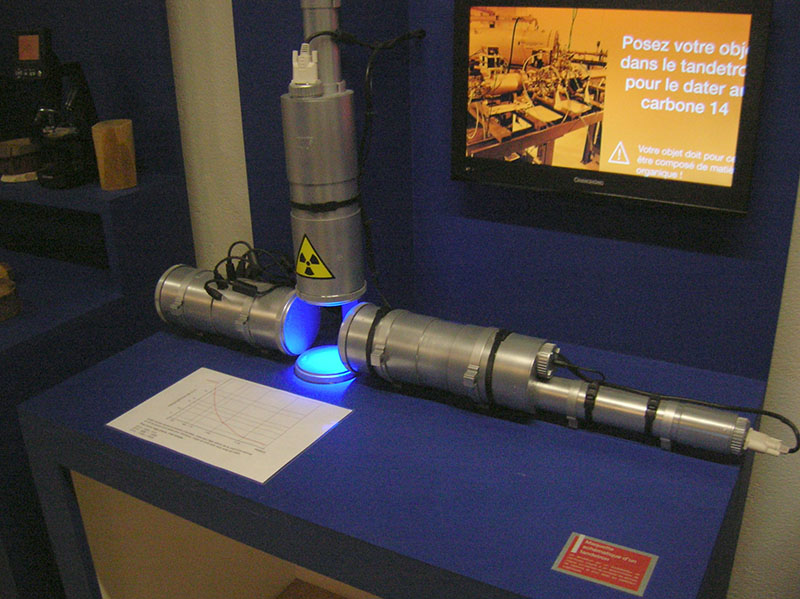
A method of determining the objective age of carbon-based materials by measuring the amount of carbon-14, formed when the nitrogen of radiocarbon decays, against an internationally used standard reference. William F Libby is credited with developing the method in 1946. It is used widely in disciplines such as archaeology and other natural sciences to determine the age of biological specimens and artefacts.
More Definitions
Japanese Ink Wash Technique
Known as sumi-e (black ink painting) in Japanese, it is a painting technique that uses black ink in water in…
Kashika Vastra
Meaning “clothes from Kashi” in Sanskrit, it is a possible reference to the brocaded fabric produced in Kashi (now Varanasi).
Bindu-Varttana
An ancient Indian shading technique wherein the artist retains their brush to paint miniature dots of differing density. The technique…
Persian Knot
Also known as a Senneh knot, it is a technique of hand-knotting found in rugs from eastern Iran, India and…
Tintype
A photograph made by creating a positive directly on a thin sheet of black-enamelled metal coated with collodion. They were…
Lohori Running Stitch
A form of kantha embroidery that is characterised by running stitches that resemble waves. From the Persian word lehr, meaning…
lens-based practice
Any mode of communication or creative expression involving the use of cameras and related technology — spanning across photography, video,…
Stereoscopy
A popular form of mid-nineteenth century photography that created and enhanced the illusion of depth in photographs. The technique involves…