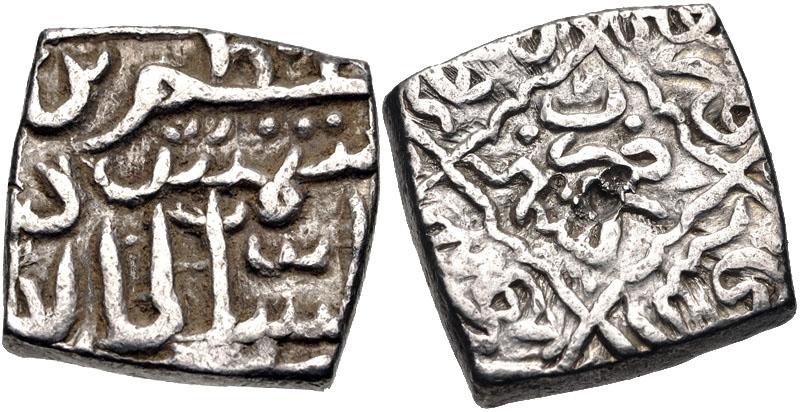
The longest-ruling dynasty of the Kashmir Sultanate, governing the Kashmir Valley and the sultanate’s dependencies from 1339 to 1561. It is named after its founder, Shah Mir (r. 1339-42, as Shams-ud-Din Shah), who had served as a minister under the sultanate’s first two monarchs before seizing power in a struggle against Kota Rani, the widowed queen of both his predecessors. Under his grandson Shihab-ud-Din (r. 1354–73), the sultanate’s territories expanded, extending from Hazara in present-day Pakistan to Jammu and Ladakh in present-day India. Rulers of the Shah Mir, or Shah Miri, dynasty were noted for their administrative competence, especially Zain-ul-Abidin (r. 1420–70), who is known for his religious tolerance and patronage of the arts including literary translation and book-binding and textile industries. Following his reign, the dynasty began to decline under ineffectual rulers, exacerbated by Shia–Sunni conflict and the rise of feudal chiefs. In 1561, Ghazi Shah of the Chak dynasty deposed the last Shah Mir sultan Habib Shah.
Shah Mir dynasty
Link copied!