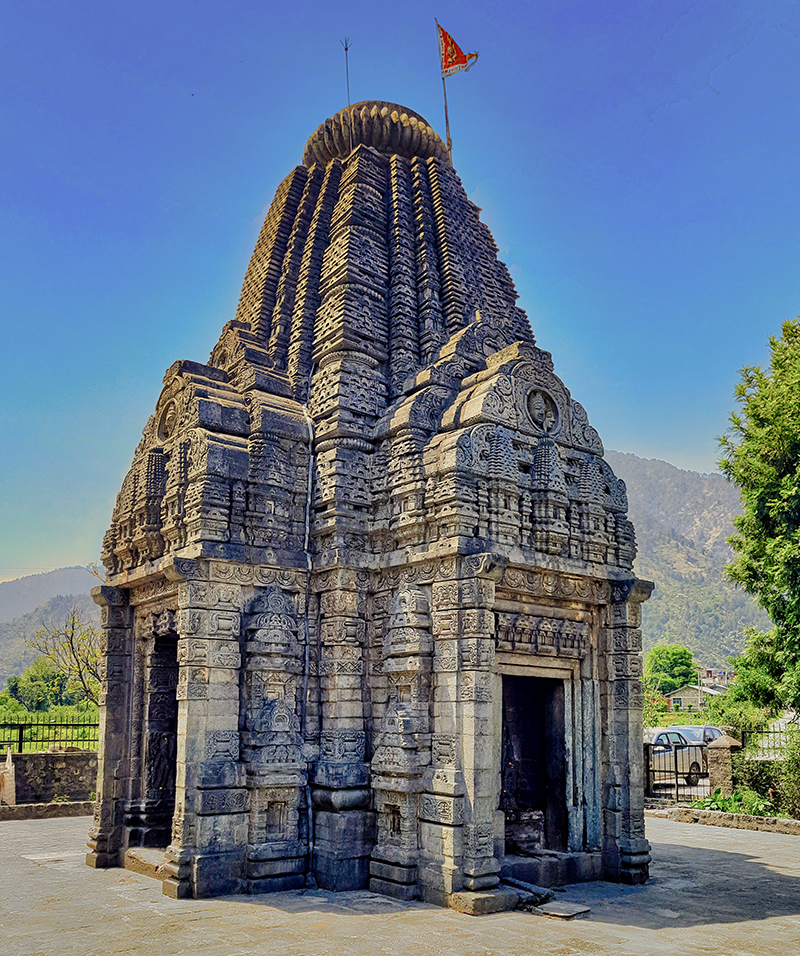
A type of Hindu temple architecture characterised by a door in each of the four cardinal directions of the sanctum. These temples were usually symmetrical on all sides, with the inner sanctum surrounded by a pillared hall, used for circumambulation. From the Sanskrit, meaning “auspicious on all sides.”
More Definitions
Modern Regionalism
Architectural approach that adapts Modernist principles to the unique cultural, climatic, and material conditions of the specific region. Modern Regionalism…
Critical Regionalism
Architectural philosophy emphasising site-specific design that draws on local topography and climate, social and cultural influences, and traditional building knowledge…
International Style
Style of architectural design characterised by lightweight, rectilinear structures using industrial materials such as steel, concrete and glass, often featuring…
Academic Realism
A style of painting that was influenced by European academies of art from the sixteenth century onwards. It was characterised…
Art Informel
Coined by French art critic and curator Michel Tapie in 1952, the term signifies French artistic and painting styles of…
Action Painting
A style of abstraction where paintings are produced through vigorous and spontaneous application of paint over the canvas, in sweeping…
Symbolism
A literary and artistic movement that originated in the works of late-nineteenth-century French poets who rejected the conventional emphasis on…
Ionic Style
One of the three canonical orders of Western Classical architecture, it originated in the mid-sixth century in Ionia (present-day Turkey).…