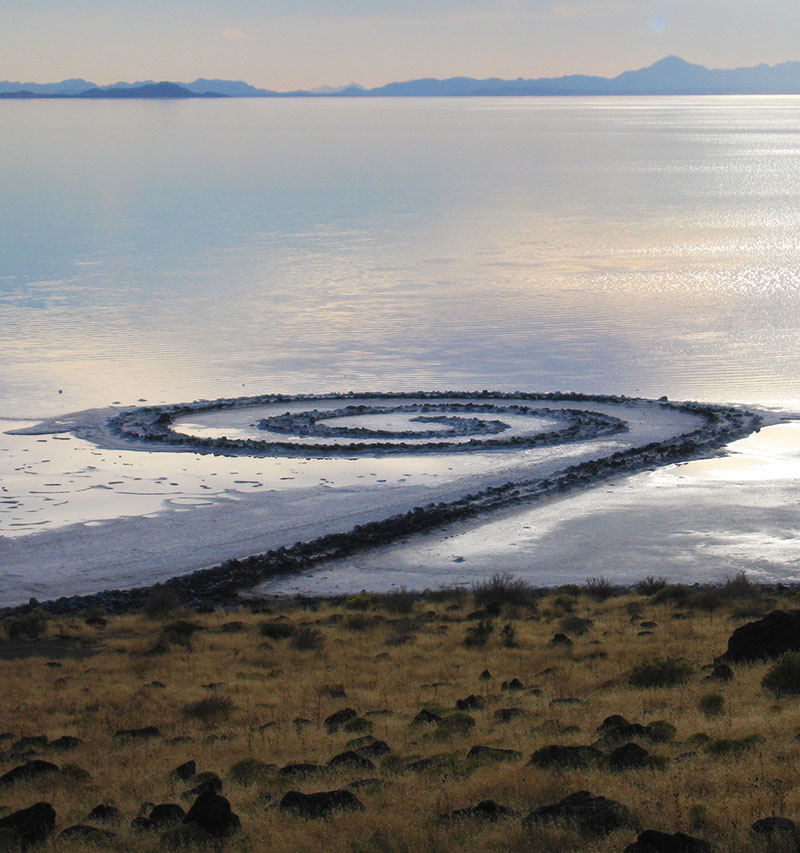
Art that is made by shaping or making forms on land or by using natural materials such as grass, rocks and tree branches. They range from subtle and temporary interventions to monumental, permanent alterations in the landscape, and are typically site-specific. Earthworks were a significant component of conceptual art during the 1960s and ’70s. Notable artists of the movement include Robert Smithson, Ana Mendieta and Dennis Oppenheim.
More Definitions
Symbolism
A literary and artistic movement that originated in the works of late-nineteenth-century French poets who rejected the conventional emphasis on…
Happenings
A precursor of performance art, they are events or situations where the artwork is created by the conditions produced by…
Indo-Greek Sculpture
Sculptural art characterised by the merging of Indian and Hellenistic traditions, it overlaps with the reign of the Indo-Greeks in…
Architectural Views
A genre of painting that focused predominantly on buildings and their interiors rather than treating them as background. Architectural painting…
Abstract Expressionism
An art movement that developed in New York in the 1940s and led to the formation of the New York…
European Realism
A movement originating in France in the 1840s, which rejected then-prevalent ideals of Romanticism in French art and literature in…
Intermedia
Similar to multimedia art, this is a term used to describe interdisciplinary works of art that collapsed existing genres of…
Action Painting
A style of abstraction where paintings are produced through vigorous and spontaneous application of paint over the canvas, in sweeping…