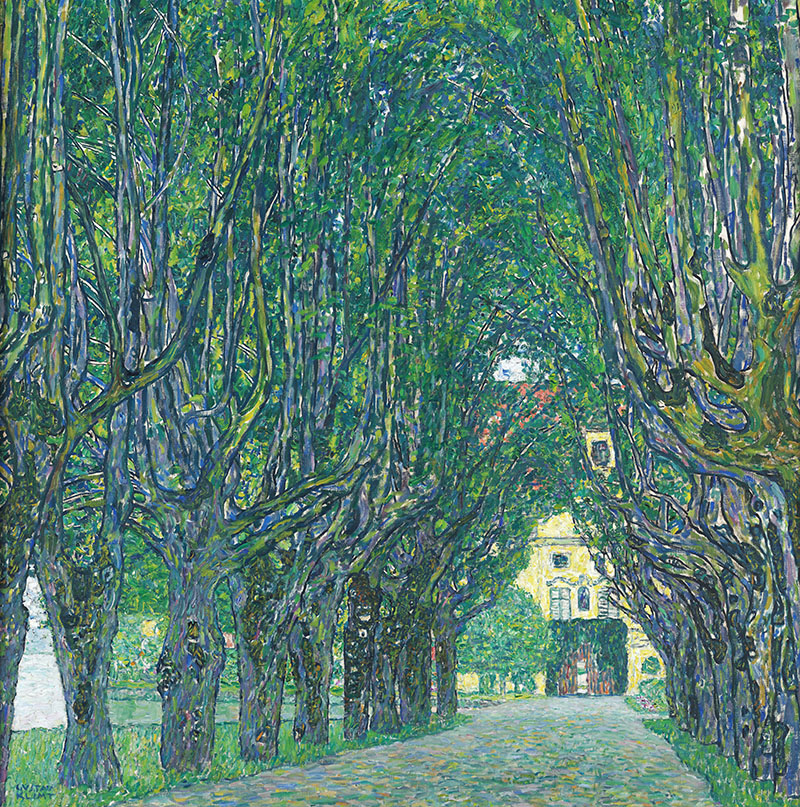
A cultural movement in art, architecture and applied and decorative arts that sought to modernise design and free it from the hierarchy of art and craft. It flourished in Europe and the United States between 1890 and 1910 and was characterised by the use of long, curving, organic lines and muted colours. From the French, meaning “new art.”
More Definitions
Indo-Greek Sculpture
Sculptural art characterised by the merging of Indian and Hellenistic traditions, it overlaps with the reign of the Indo-Greeks in…
Art Brut
An art movement that emerged after World War II in reaction to academic aesthetics and in favour of obscene and…
Baroda Pop
A Pop Art movement established by the artists of the Baroda Group in the 1960s, it was influenced by similar…
Rococo
A design style that emerged in the early decades of the eighteenth century in France, influencing painting, sculpture, architecture and…
Surrealism
An art movement that emerged in twentieth-century France and aimed to express the creativity of the unconscious mind through the…
Neo-Impressionism
A late nineteenth-century movement in French painting that opposed the empirical realism of Impressionism. It used the scientific principles of…
Critical Regionalism
Architectural philosophy emphasising site-specific design that draws on local topography and climate, social and cultural influences, and traditional building knowledge…
Pop Kitsch
The use of popular and everyday materials and images in pop art. Kitsch in German signifies art, objects and design…