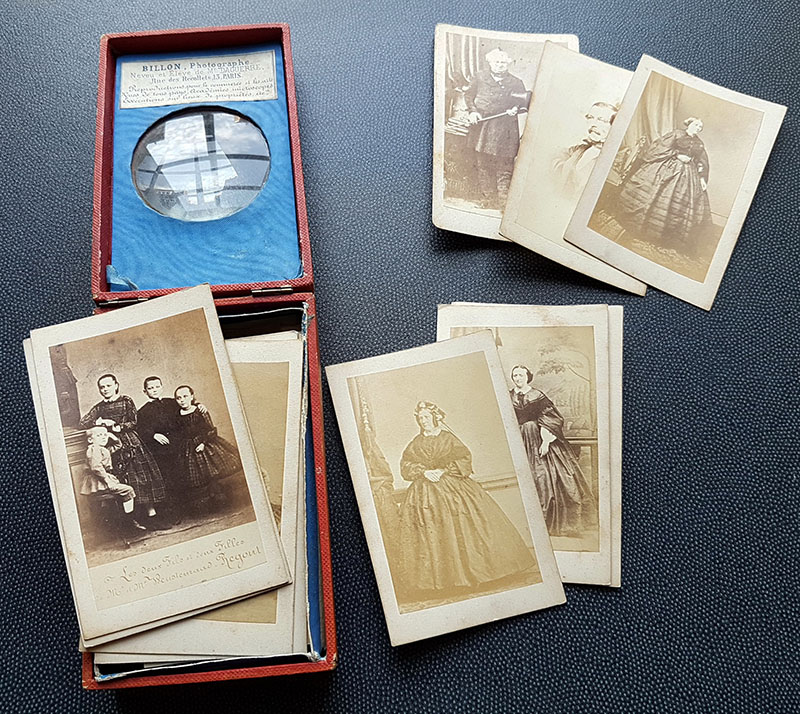
Photographic printing paper that is coated with albumen, or egg white, and salt before being dipped in a silver nitrate solution to make it light-sensitive. Developed by Louis Désiré Blanquart-Evrard around 1850, the albumen print was the most extensively used photographic printing method in the late nineteenth century. It was used for the small-format photographs known as carte de visite whose popularity in Europe helped establish the wide prevalence of photography.
More Definitions
Papier-Mâché
Meaning “chewed paper” in French, it is a composite material made of pulped paper mixed with a glue or adhesive…
Sanganeri Paper
Handmade paper produced in Sanganer in Rajasthan. It is typically made using traditional methods and natural materials such as cotton…
Kasavu
The gold zari used in the border of a traditional white Kerala textile, such as a sari or a mundu…
Khadi Paper
A traditional Indian handmade paper produced from khadi rags.
Voile
Derived from the French word for "veil," it is a thin, sheer, lightweight cotton fabric, usually blended with polyester. It…
Alum
A double salt of aluminium and potassium that is used as a mordant in textile-dyeing processes, particularly when dyeing natural…
ground glass
Glass that has been given a coarse surface finish, usually with a fine abrasive, to be used as the viewfinder…
Crepe
Also known as crape, it is a fabric characterised by a rumpled, crimped or rippled surface texture. These effects may…