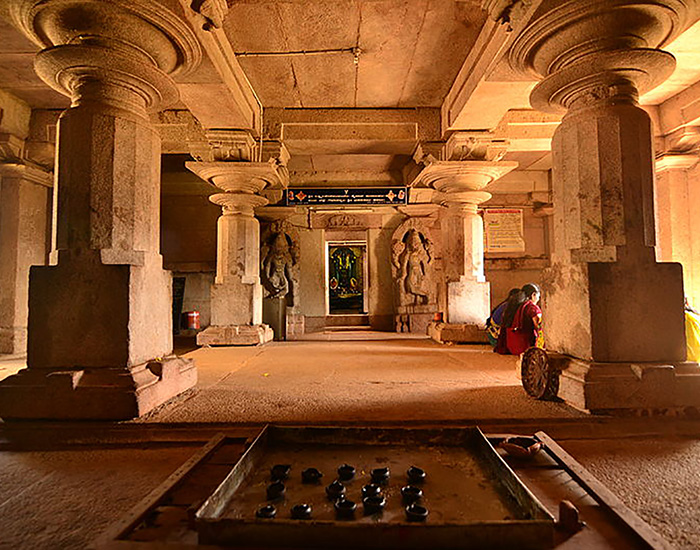
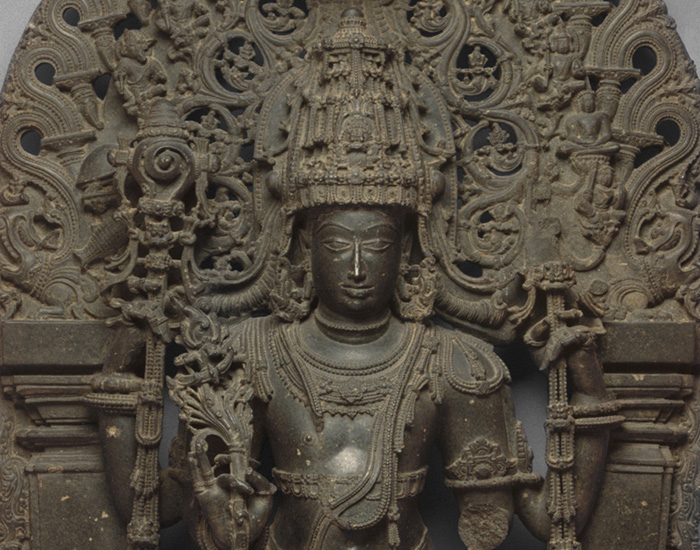
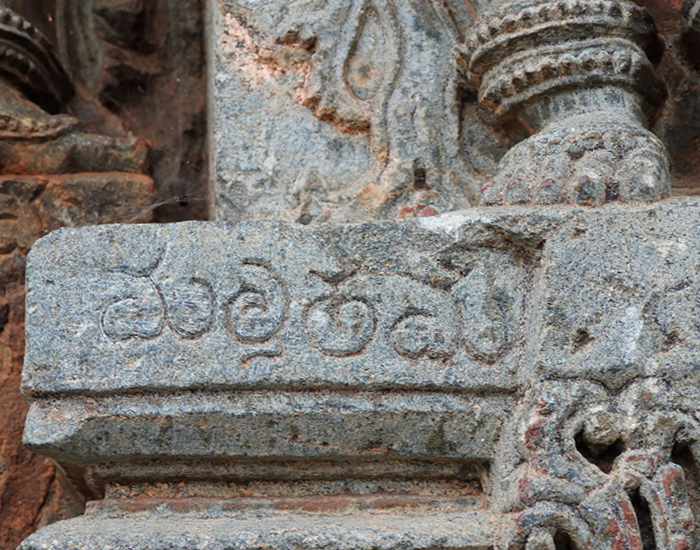
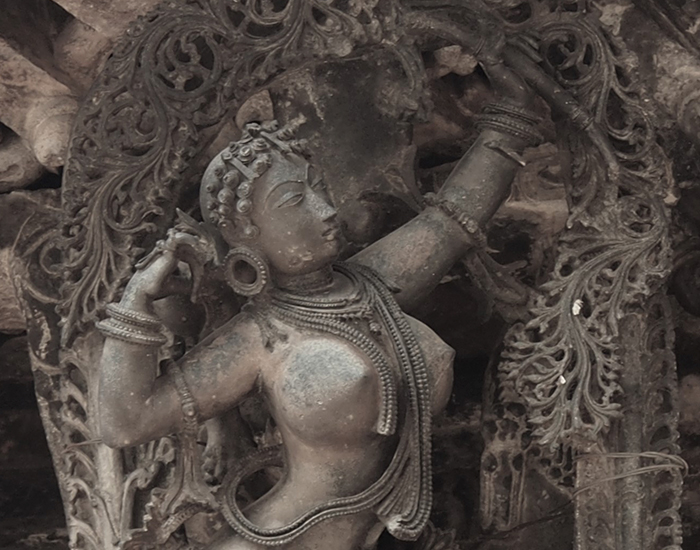
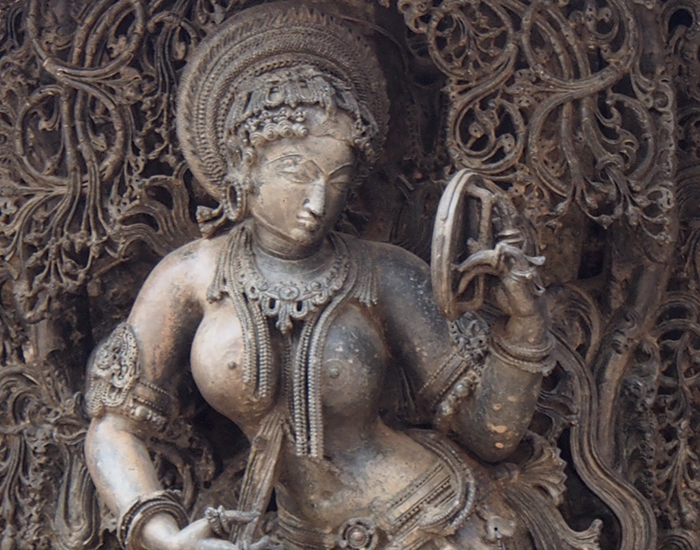
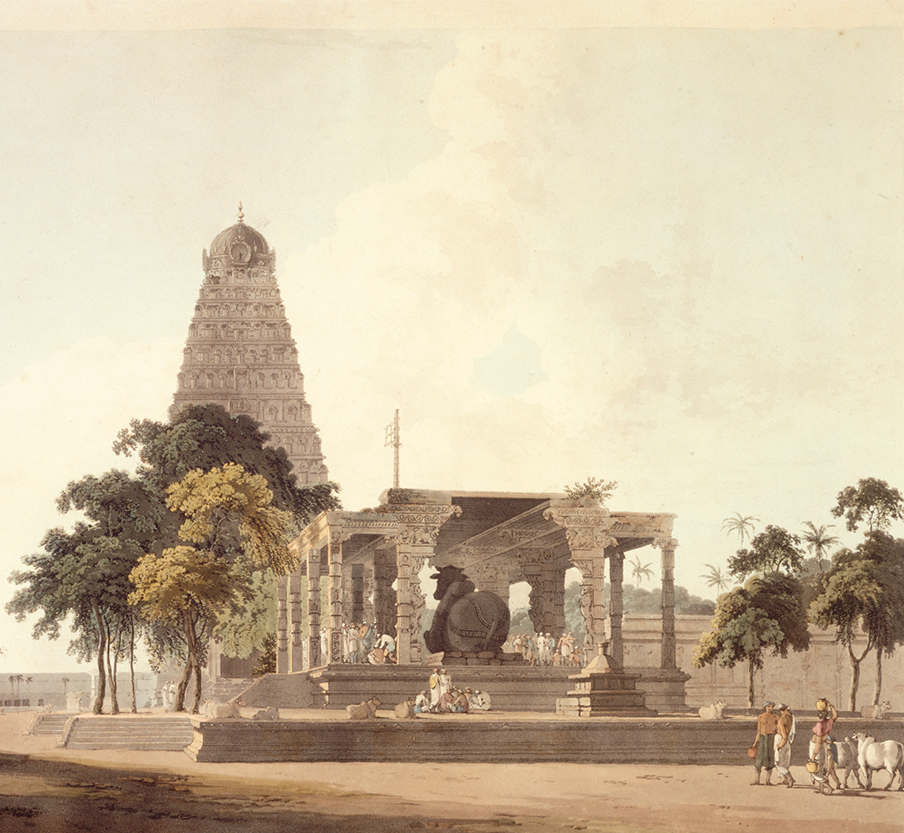
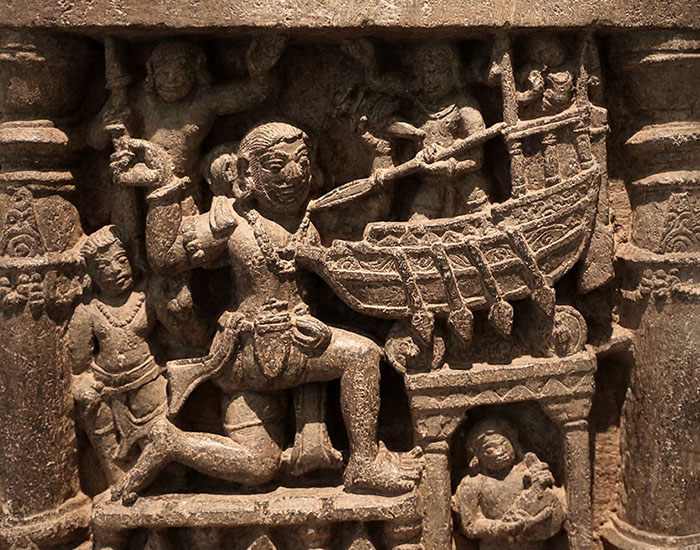
Having built 1,500 temples within a span of 180 years (c. 1100–1280), the Hoysalas are among the greatest builders of Hindu religious structures in the history of South Asia. While ancient and medieval Indian art has largely remained anonymous — with ideas of individual authorship absent in most of these cultures — many of the sculptors and architects patronised by the Hoysala court inscribed their names and other details on the temples they worked on. This has provided valuable information to scholars about the movement, employment and status of artists at the time. Many of them, hailing from Western Chalukyan centres of art, carried forward the Karnata Dravida style of temple architecture when employed by the Hoysala court.
The most prominent of the Hoysala sculptors include Dasoja and his son Chavana, Harisha of Talagonda, Gangachari Vardhamanachari, Biroja, and — perhaps the most prolific — Ruvari Mallithamma. In light of the intricacy and dynamism of the sculptures on Hoysala temples, it is unsurprising that many local legends and stories about these artists have circulated in the region for several centuries. Such mystery and legend surrounds Jakanachari — who, despite a lack of epigraphic evidence, has been linked to temples built across three centuries of Western Chalukya and Hoysala rule. It can only be assumed that this was a long-running guild or several generations of artisans going by the same name.
Learn more about these master craftsmen and their reconstructed histories through these articles.