Listen to talks from our community of scholars, artists, curators, and more.
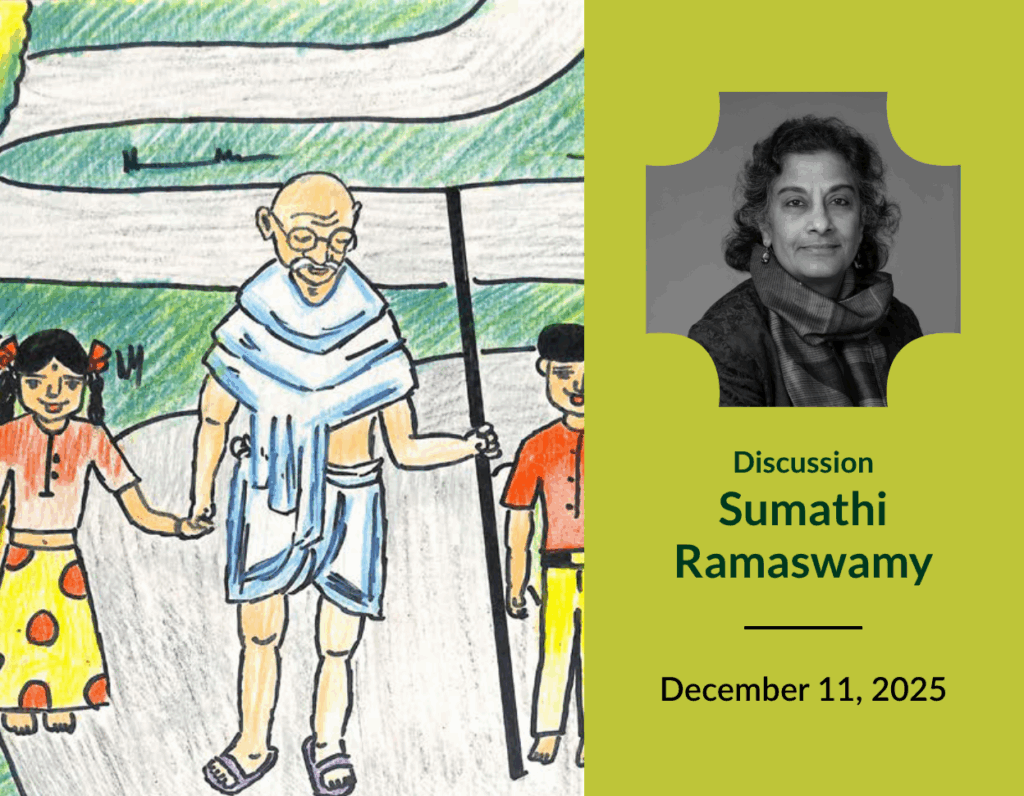

Examining Depictions of Gandhi in Children’s Art
How can children’s perceptions of Gandhi shape our understanding of him? Cultural historian Dr Sumathi Ramaswamy examines a rare archive of children’s paintings from Mani Bhavan Gandhi Sangrahalaya, Mumbai, as a lens to explore Gandhi’s public persona and political philosophy. She places these archives in visual dialogue with Gandhi’s reflections on and exchanges with children.
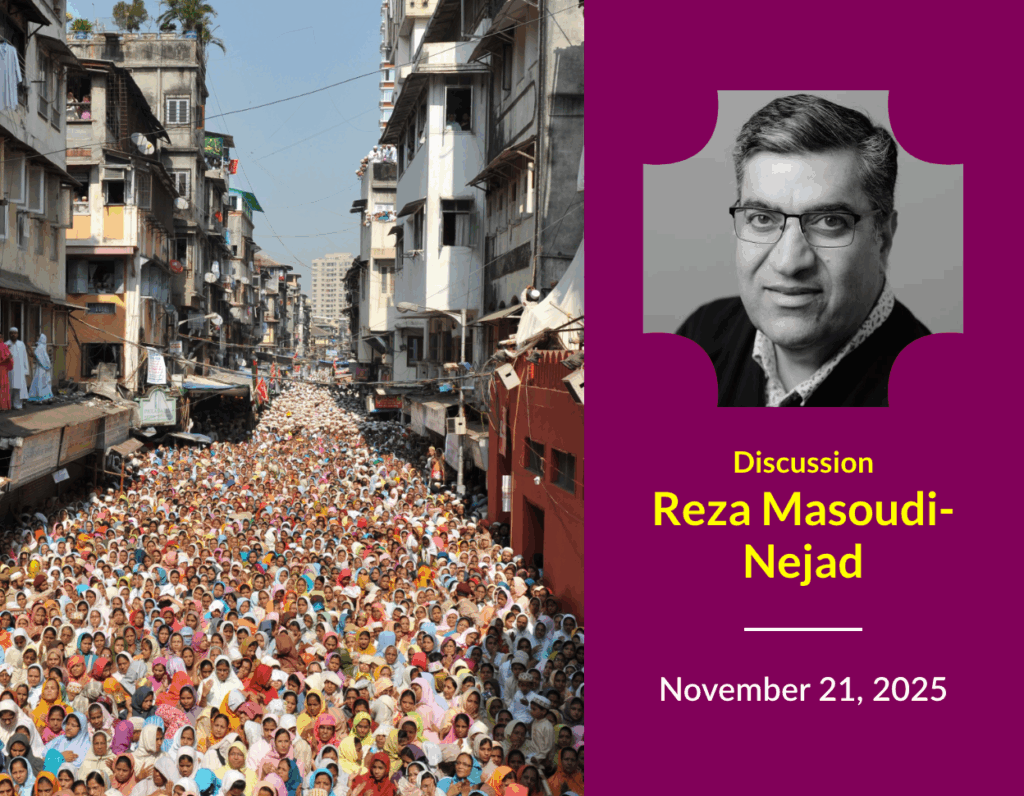
Mumbai Muharram: How a Ritual Shaped the City
From colonial Bombay to modern Mumbai, Muharram processions have evolved from a primarily Shia religious observance into a public, pluralistic, urban phenomenon. Urbanist Dr Reza Masoudi-Nejad traces this evolution through maps, archival visuals, and oral histories. Following the procession’s shifting routes, meanings and authorities, he explores how Muharram has actively shaped Mumbai’s cosmopolitan order.
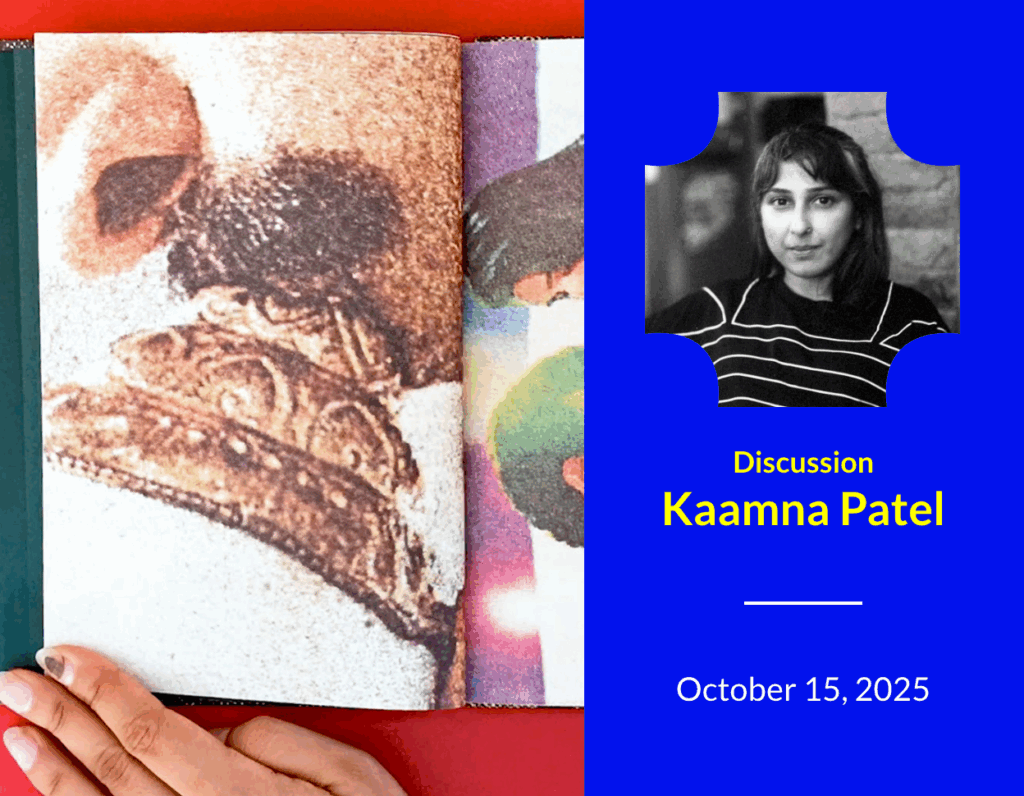
Process, Publishing and Experiments with Photobooks
Visual artist and bookmaker Kaamna Patel shares the creative journey that led to the founding of Editions JOJO, an imprint that celebrates playfulness and process. From her early fascination with lo-fi to forays into self-publishing, Patel reflects on the inspirations and ideas that shape her practice, while opening up conversations on the politics of publishing.
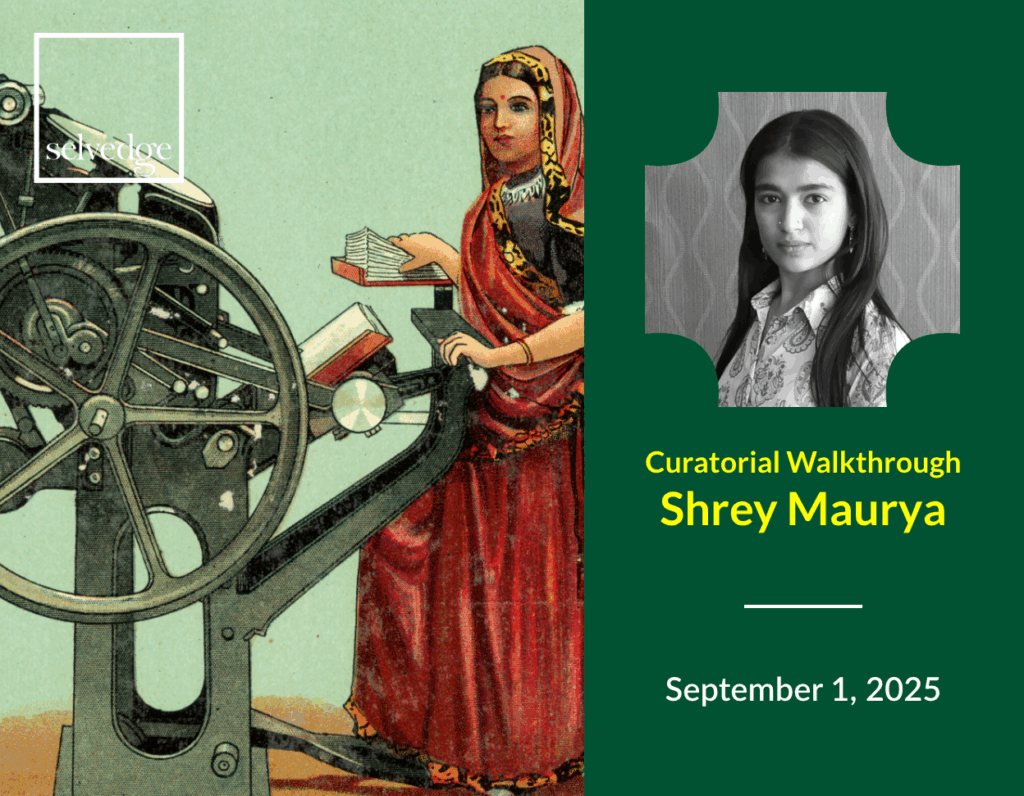
The Art of the Trademark in Indo-British Textile Trade
Shrey Maurya — co-curator of the exhibition ‘Ticket Tika Chaap: The Art of the Trademark in the Indo-British Textile Trade’ at the Museum of Art & Photography (MAP), Bengaluru — discusses how textile trademarks revolutionised print advertisement in India in the 19th and early-20th centuries. This talk was presented at the London Textile Month organised by Selvedge magazine.
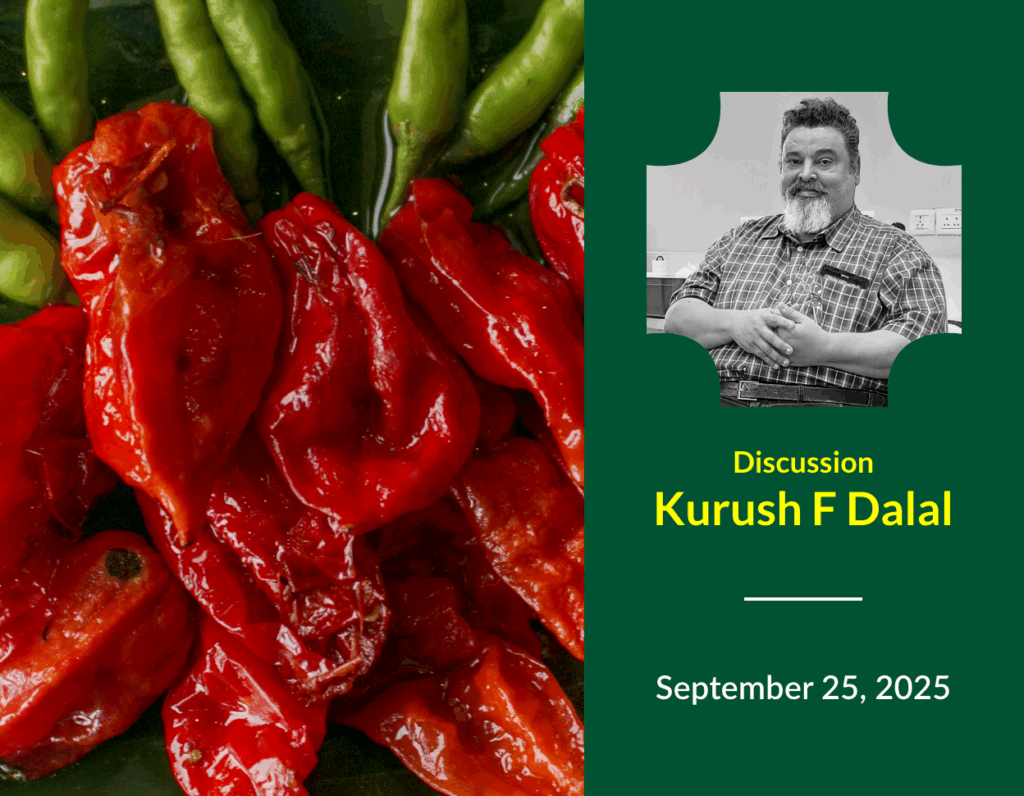
Mapping the Trade Histories of Indian Spices
Indian cuisine is synonymous with spices, which define its rich aromas, brilliant colours, and complex flavours. But the ingredients that animate the Indian kitchen today reached us over centuries of trade and cultural exchange. Culinary anthropologist Dr Kurush Dalal traces the journey of spices through history — across trade routes, records, manuscripts, and archaeological finds.
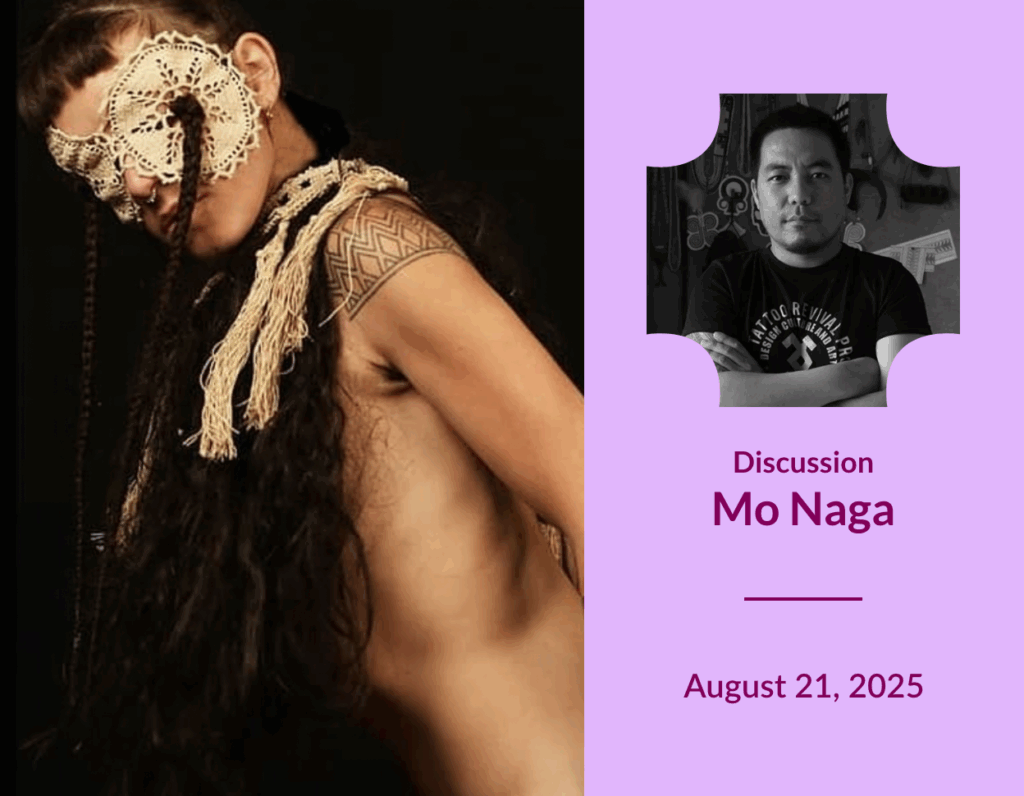
Redefining Naga Tattoo Traditions
Contemporary tattoo artist Mo Naga (Moranngam Khaling) traces the history of tattooing in northeastern India, and how Naga tattoo traditions and designs have influenced his practice. Pondering questions of cultural ownership, he shares his vision behind creating a ‘Tattoo Garden’ in his hometown: a space to preserve rare plants historically used to make Naga tattooing tools and ink.
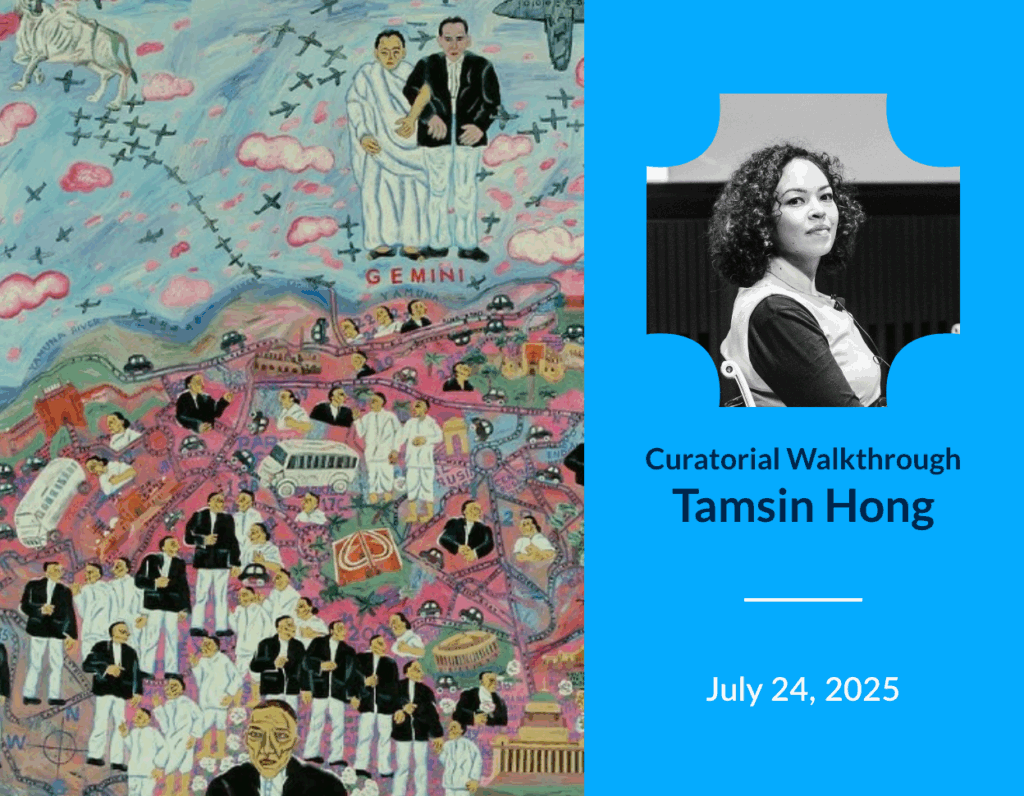
The Life and Works of Arpita Singh
Curator Tamsin Hong leads a walkthrough of ‘Remembering’ — a solo exhibition of contemporary artist Arpita Singh’s practice at Serpentine North, London. She discusses her curatorial inspiration, research, and process, including close collaboration with the artist. Hong explores how Singh’s unique artworks interweave personal experiences with socio-political uncertainties through the lens of women’s lives and bodies.
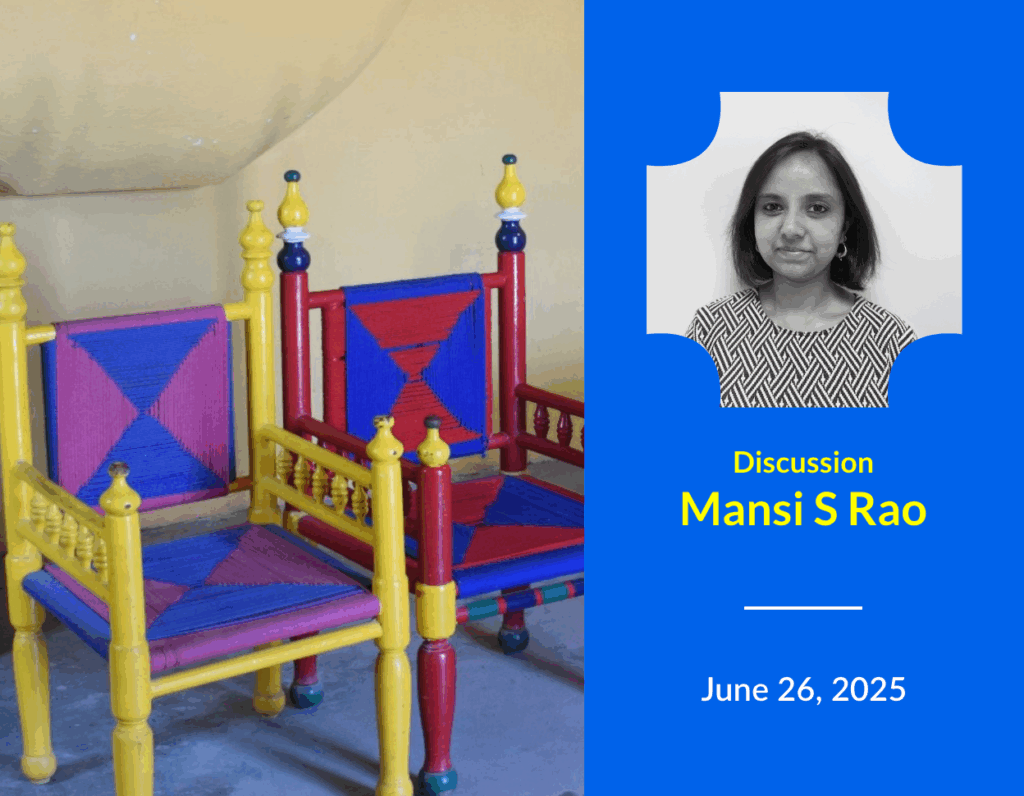
Documenting Northwest India’s Vernacular Furniture
What does traditional furniture reveal about our communities, customs and local ecologies? Researcher and curator Mansi S Rao talks about the histories, making and use of vernacular furniture from northwest India. Drawing on her extensive fieldwork and research methodologies, she highlights the importance of these objects in shaping India’s material culture and everyday life.
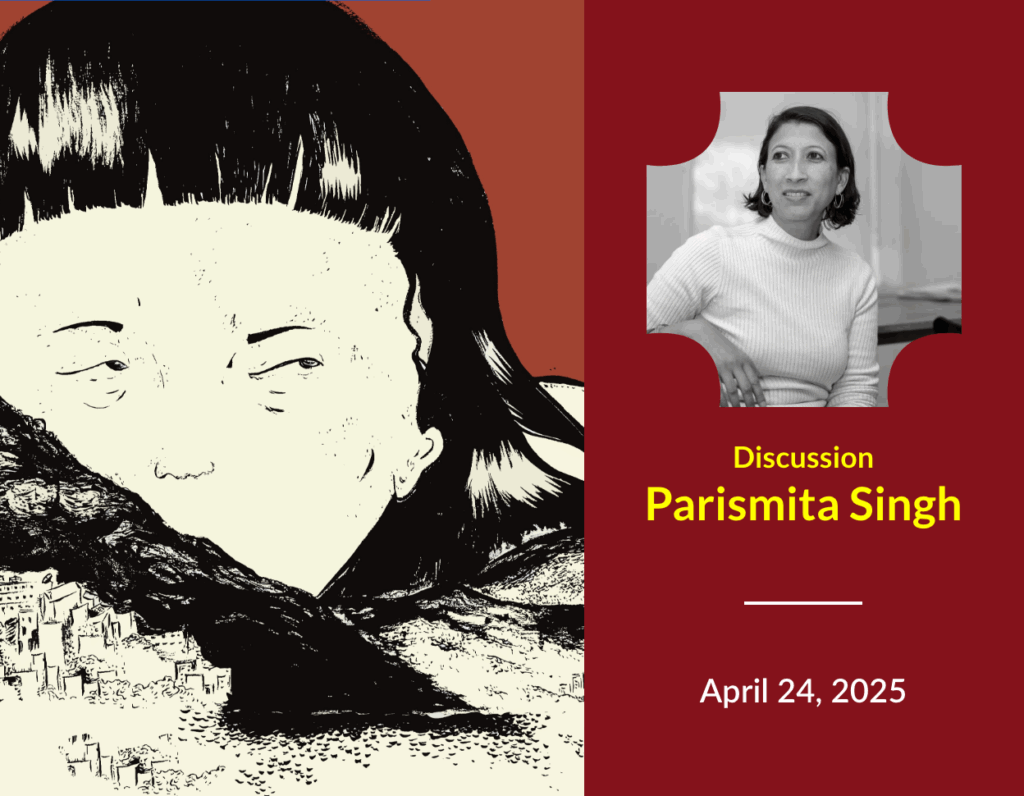
Crisis Comics: Making Art in Troubled Times
Noted author and illustrator from Assam, Parismita Singh, shares insights from her expansive body of work spanning graphic novels in fiction and non-fiction. She talks through her creative process, publishing, artistic ethics, as well as engaging with socio-political issues and crises through art.
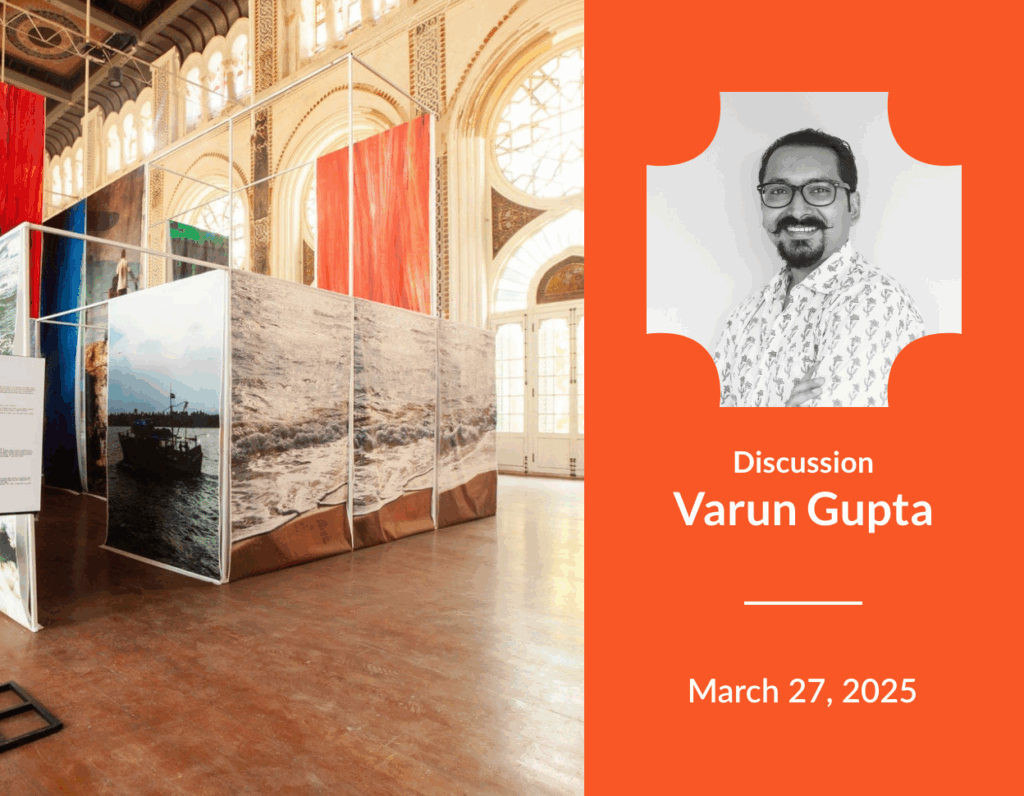
Behind the Chennai Photo Biennale
Varun Gupta, founder and director of the Chennai Photo Biennale (CPB), takes us behind the scenes of one of India’s most innovative photography festivals. He traces the CPB’s evolution into a dynamic platform for visual storytelling, and reflects on its 2024–25 edition ‘Why Photograph?’ — which challenges how we see and understand photography today.
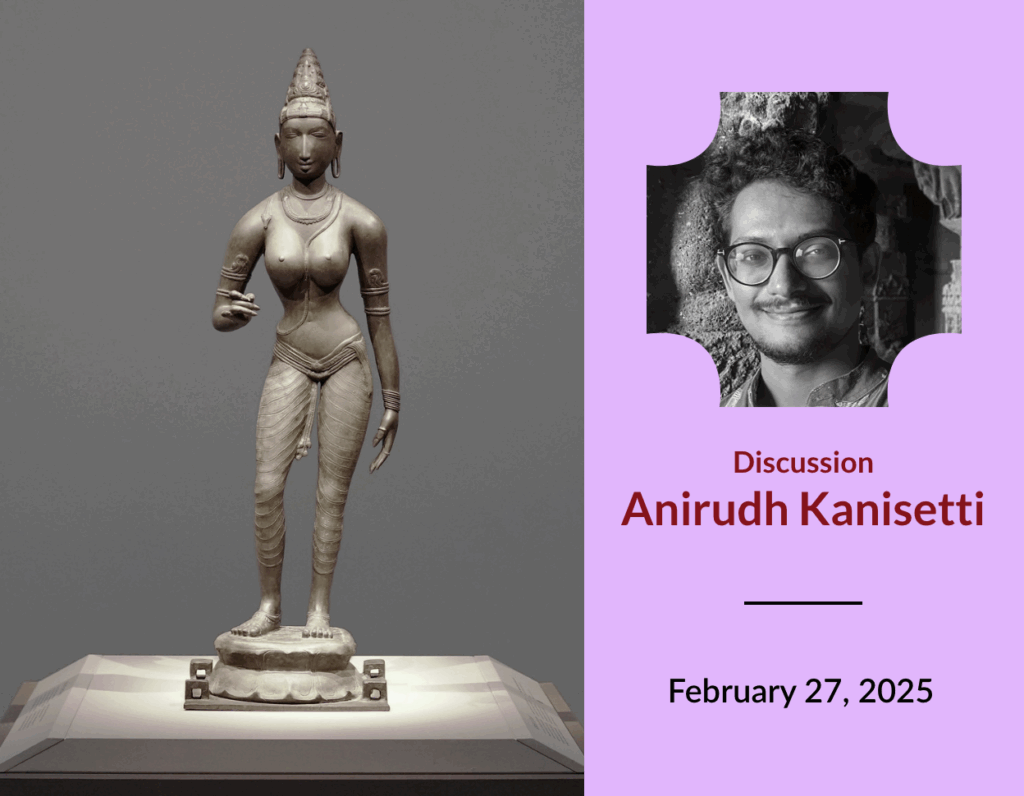
Drawing a History of the Chola Empire
Public historian Anirudh Kanisetti explores the ambitious military campaigns, art and architectural patronage of the Chola dynasty, which he documented through his book, Lords of Earth and Sea: A History of the Chola Empire, and the accompanying illustrations — created by architect Aurelia Frederick and artist Anupam Arunachalam, and made possible through a grant by Impart.
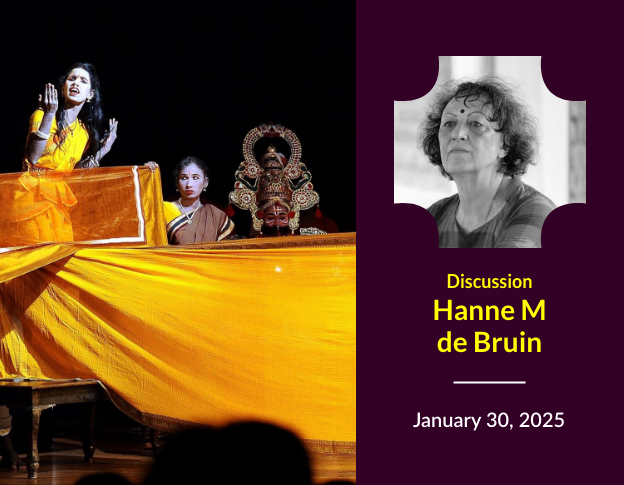
Kattaikkuttu: Reimagining a Tamil Theatre Tradition
Dr Hanne de Bruin reflects on her research and theatre work in Tamil Nadu, sharing the journey of Kattaikkuttu Sangam, an organisation that she co-founded with her husband, theatre director and senior practitioner of the form, P Rajagopal. She details the organisation’s role in popularising and contemporising the art form, and presents excerpts from a recent adaptation, Pārvai (The Gaze).
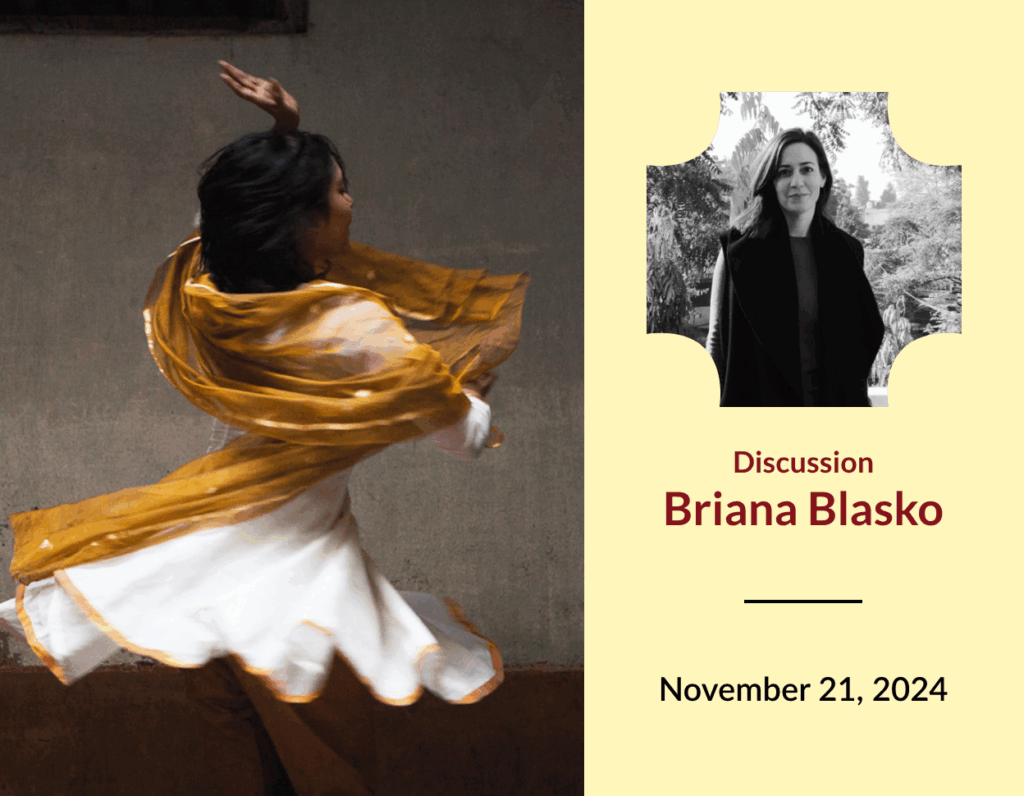
Photographing Textiles in Indian Dance Forms
In South Asia, performing arts and textile traditions are closely intertwined. Can photographs capture the shared dynamism and fluidity of these art forms? Reflecting on the creative process behind her book, Dance of the Weave, photographer Briana Blasko shares insights on documenting dance and martial arts, and their connections to textiles in India.
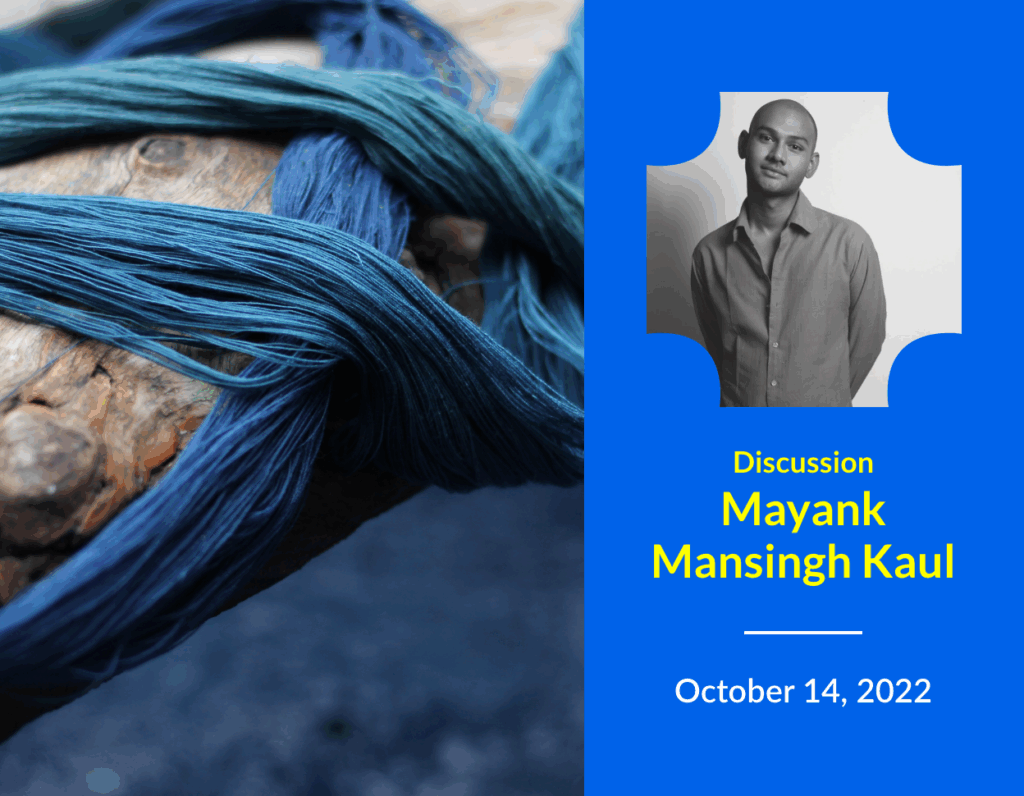
Exploring the World of South Asian Textiles
Independent textile researcher and curator Mayank Mansingh Kaul presents significant projects, exhibitions and research work from his career. Touching upon narratives of cloth production, trade, and consumption, this interactive discussion examines how South Asia’s fascinating textile histories are revisited through exhibitions and display.
Experiences of Transit in Modern Indian Art
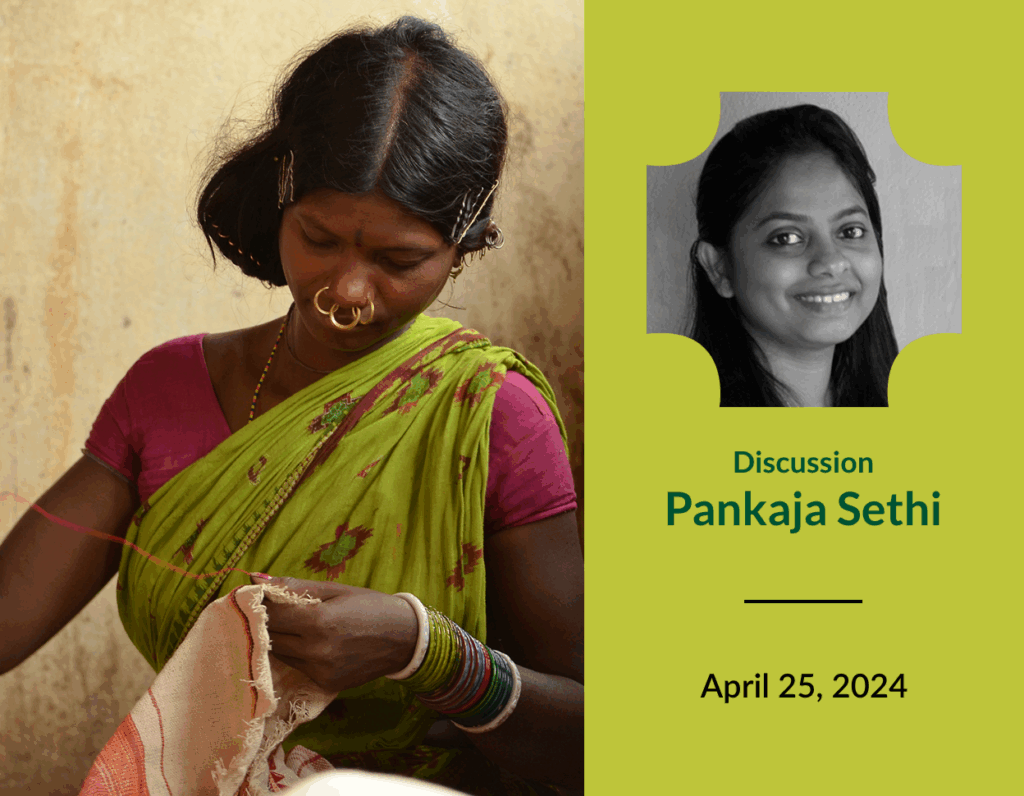
Textile Traditions of the Dongria Kondh Adivasis
Textile designer, artist and researcher Pankaja Sethi offers insights into the textiles of the Dongria Kondh Adivasi community from Niyamgiri in Odisha — discussing their weaving and embroidery practices, labour, and design symbolism. Sethi explores the socio-cultural contexts these traditions emerge from, and shares her field experiences to highlight sensitive engagement and collaborative practices.
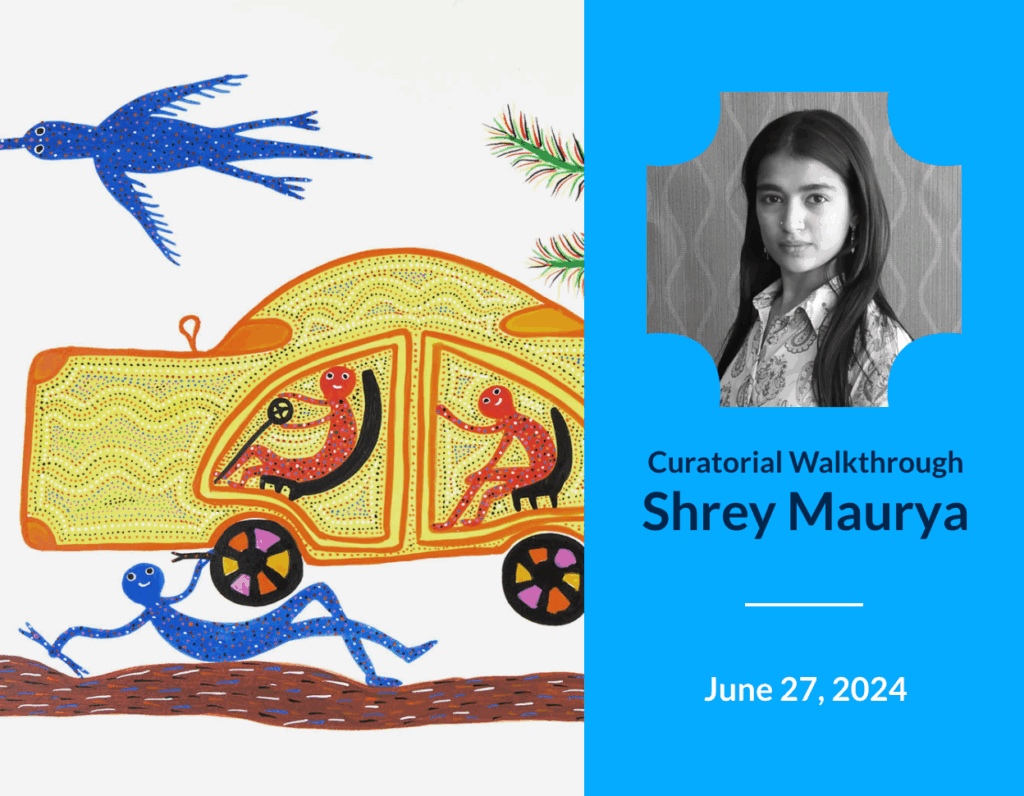
Bhuri Bai’s Journey As an Artist
Shrey Maurya, Research Director at Impart, walks us through the research and curatorial process behind the exhibition ‘Bhuri Bai: My Life as an Artist’ which traces the remarkable journey of the contemporary Bhil artist. Maurya discusses collaborating with Bhuri Bai, and examines the inclusion of Adivasi art traditions and artists within contemporary art in India.
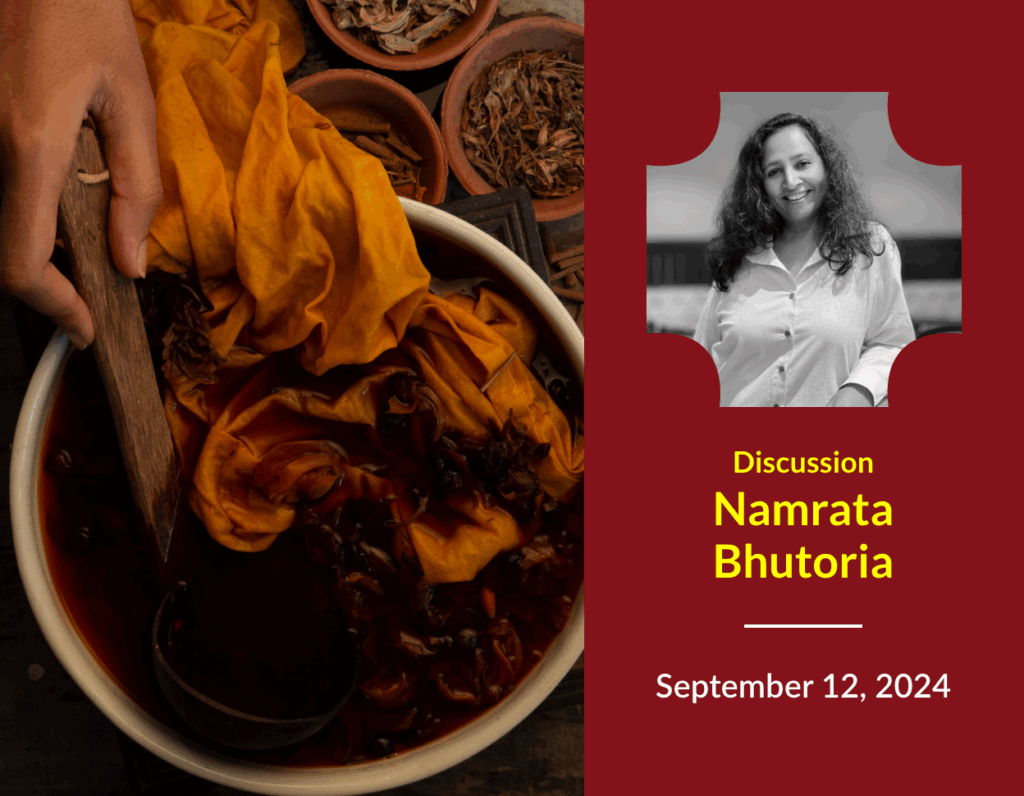
Approaches to Sustainability in Textiles
Namrata Bhutoria, co-founder of ColourAshram, offers insights into sustainable textile practices in light of our deteriorating ecologies. Highlighting the issue of water pollution from manufacturing processes, Bhutoria explores alternative approaches, and shares her research on standardising natural dyes. She also addresses how consumers can tackle greenwashing and make mindful choices.