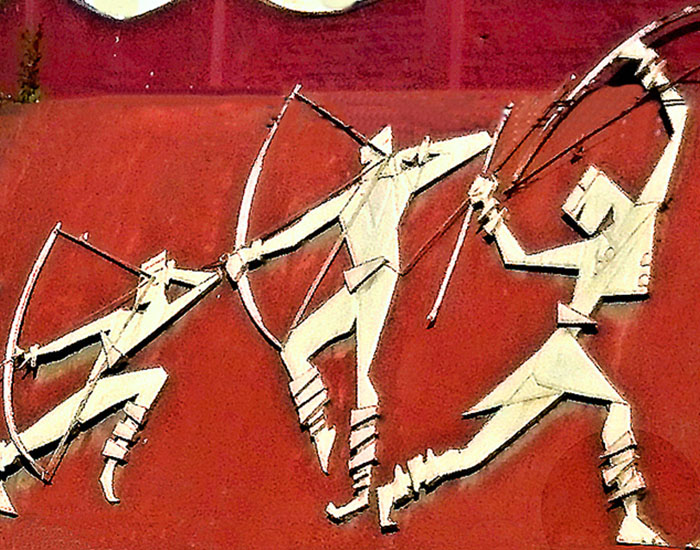
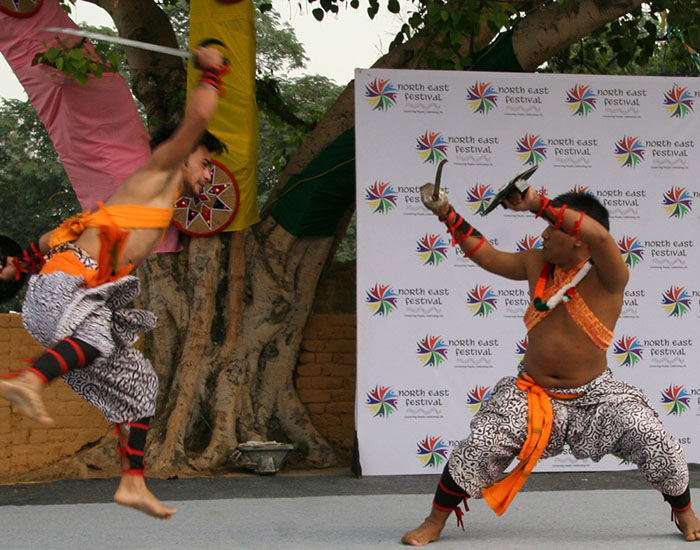
Traditional Indian martial arts combine physical skill with mental discipline and spiritual thought. Varying in style and technique across regions, they often form part of the ceremonial and ritualistic practices of a community and are significant in shaping cultural identity. Most Indian martial arts utilise weapons, though typically not specialised ones but versatile tools such as wooden staffs and clubs; a variety of blades in the form of daggers, swords and spears; or the bow and arrow, as in the thoda tradition from Himachal Pradesh.
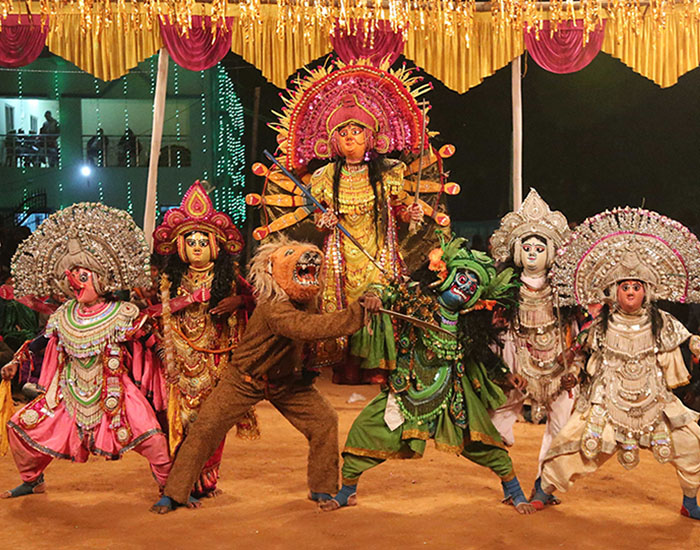
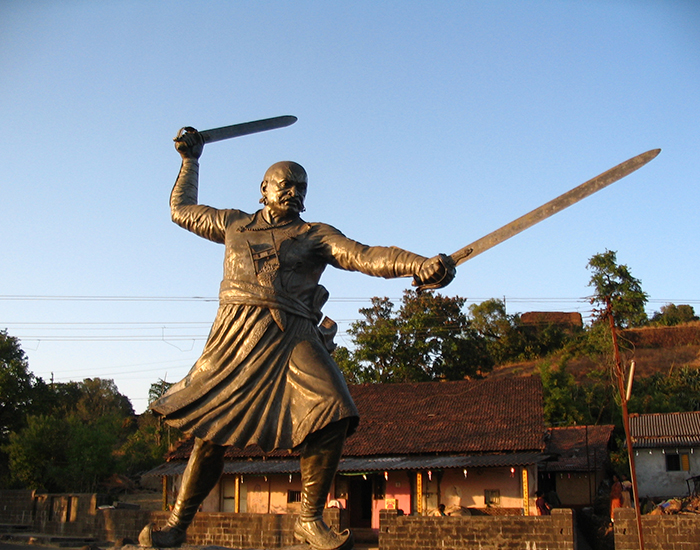
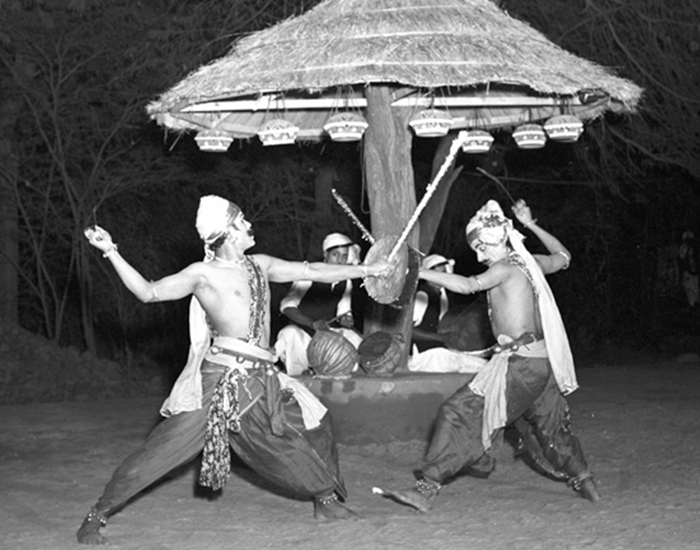
The complexity of the rules of traditional martial arts and the intricacy of their movement sequences generally limit the use of these forms in practical combat and make them akin to dance; some, such as chhau from eastern India, also have a dramatic component. However, certain traditional forms have had application in war, such as pari-khanda from Jharkhand, which was used for training soldiers in using the sword and shield, and mardaani khel, a Marathi martial art that played a major role in directing the Maratha army’s military formations.
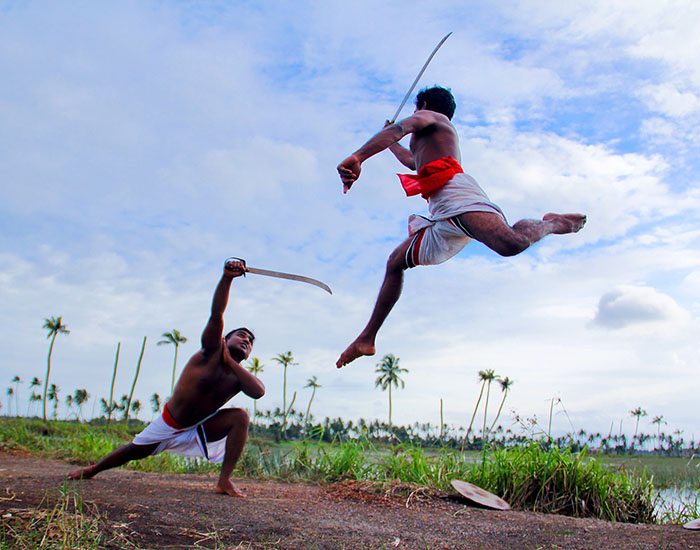
Throughout the nineteenth century, the British colonial government made certain martial arts illegal, such as kalaripayattu from Kerala and the Meiti practice of thang-ta, pushing many of these traditions to near-extinction. They were kept alive through secret tutelage, orally transmitted community knowledge and, in some cases, written instructions, allowing them to re-emerge after the end of colonial rule in the subcontinent.
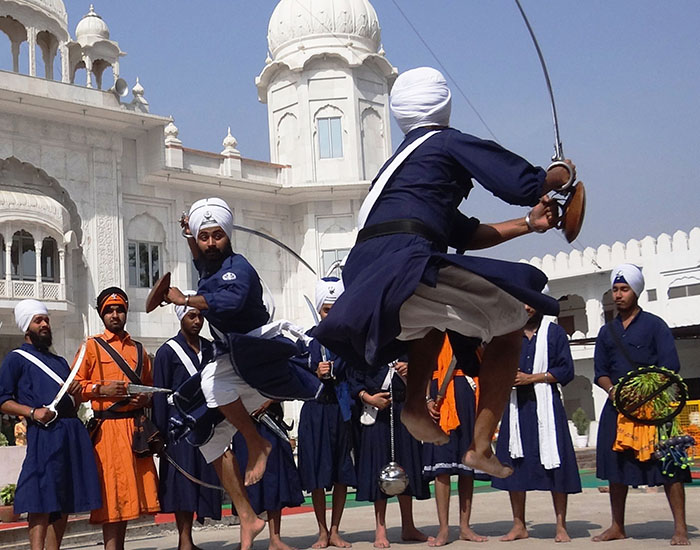
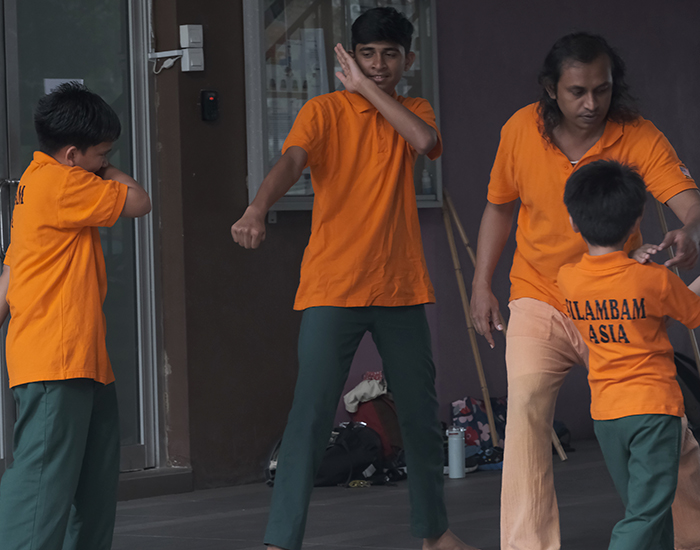
Initially restricted to particular regions, many martial arts have spread to other regions both nationally and globally as instructors have taught or set up studios elsewhere in the contemporary period. Since the 1990s, institutions have been established to regulate the form and quality of instruction, as well as preserve traditional methods. These include the Indian Kalaripayattu Federation, the National Gatka Association of India and the World Silambam Federation. A variety of government-supported programmes and private tutors also make these traditions accessible to the general public.