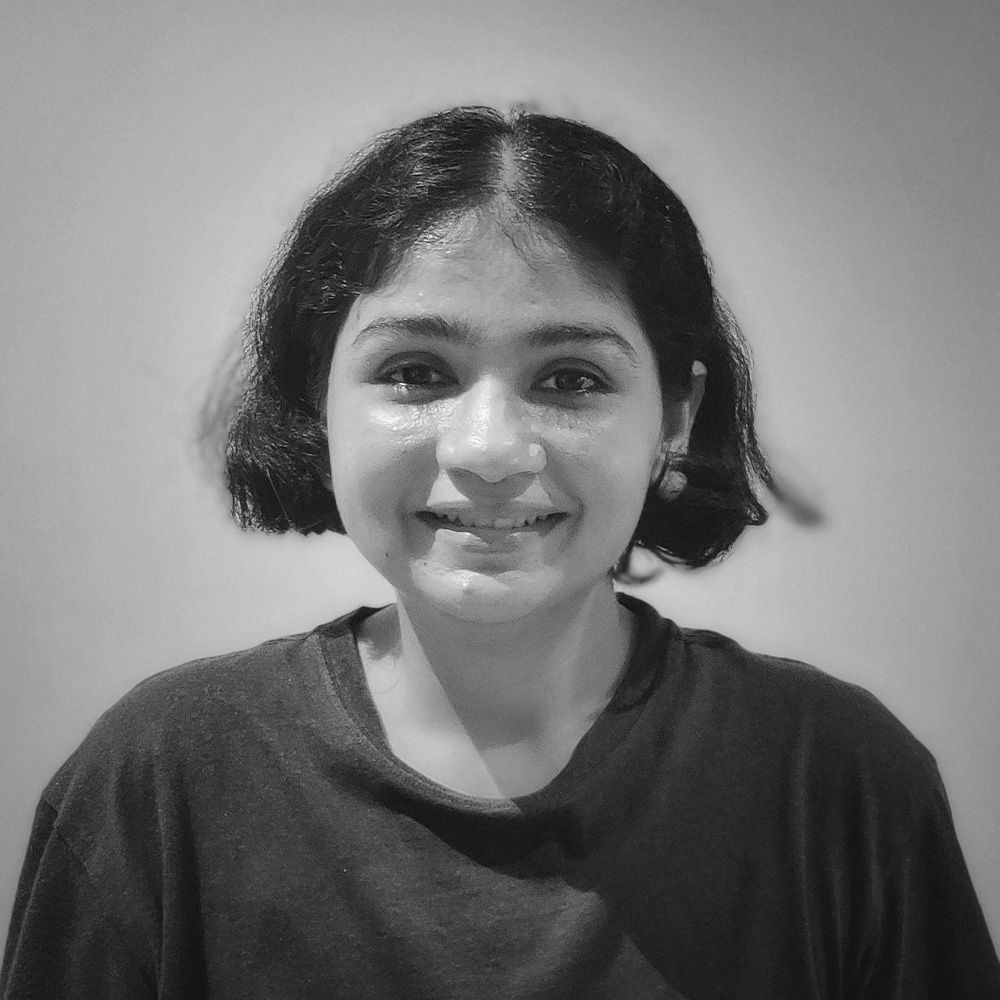
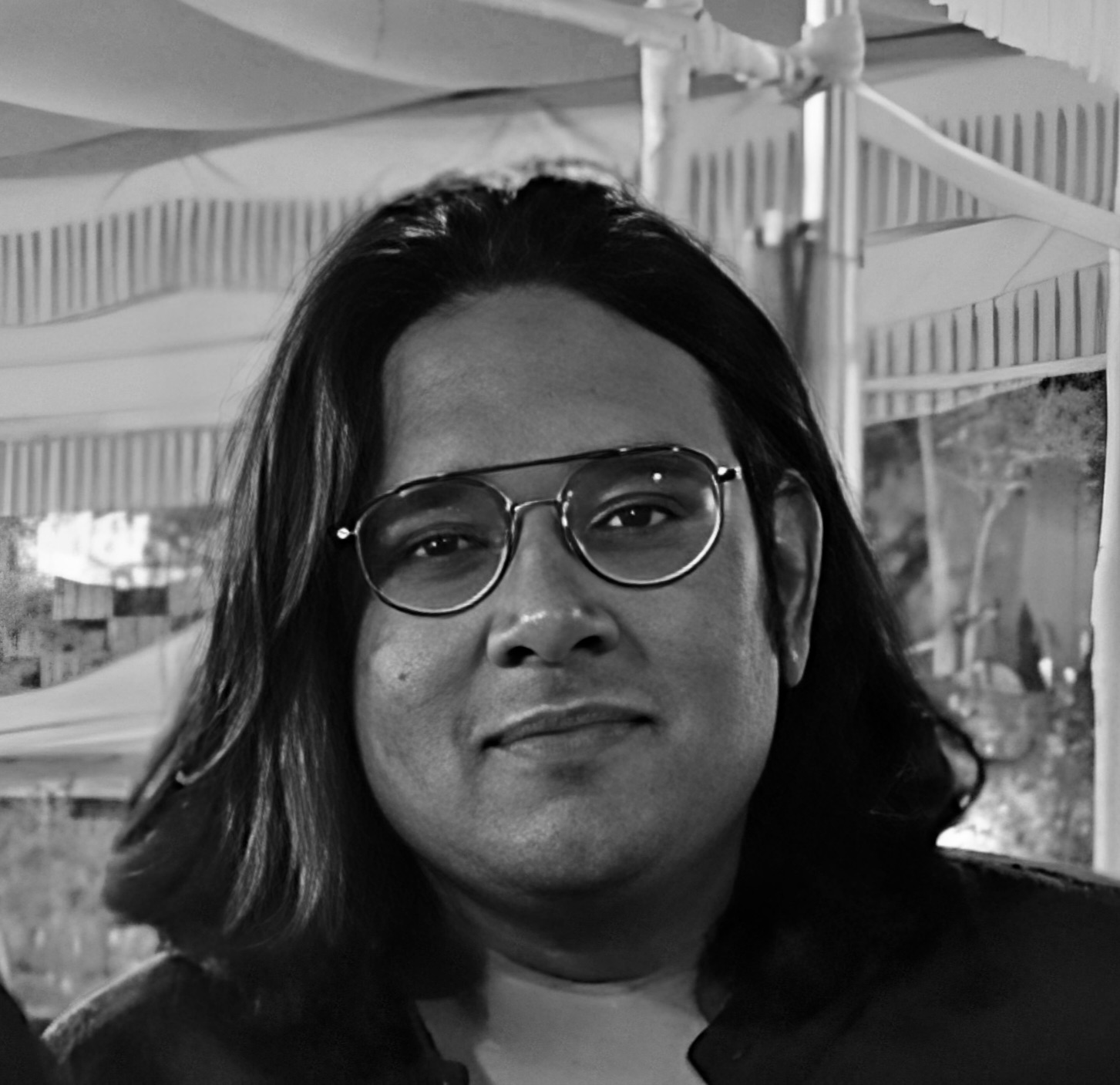
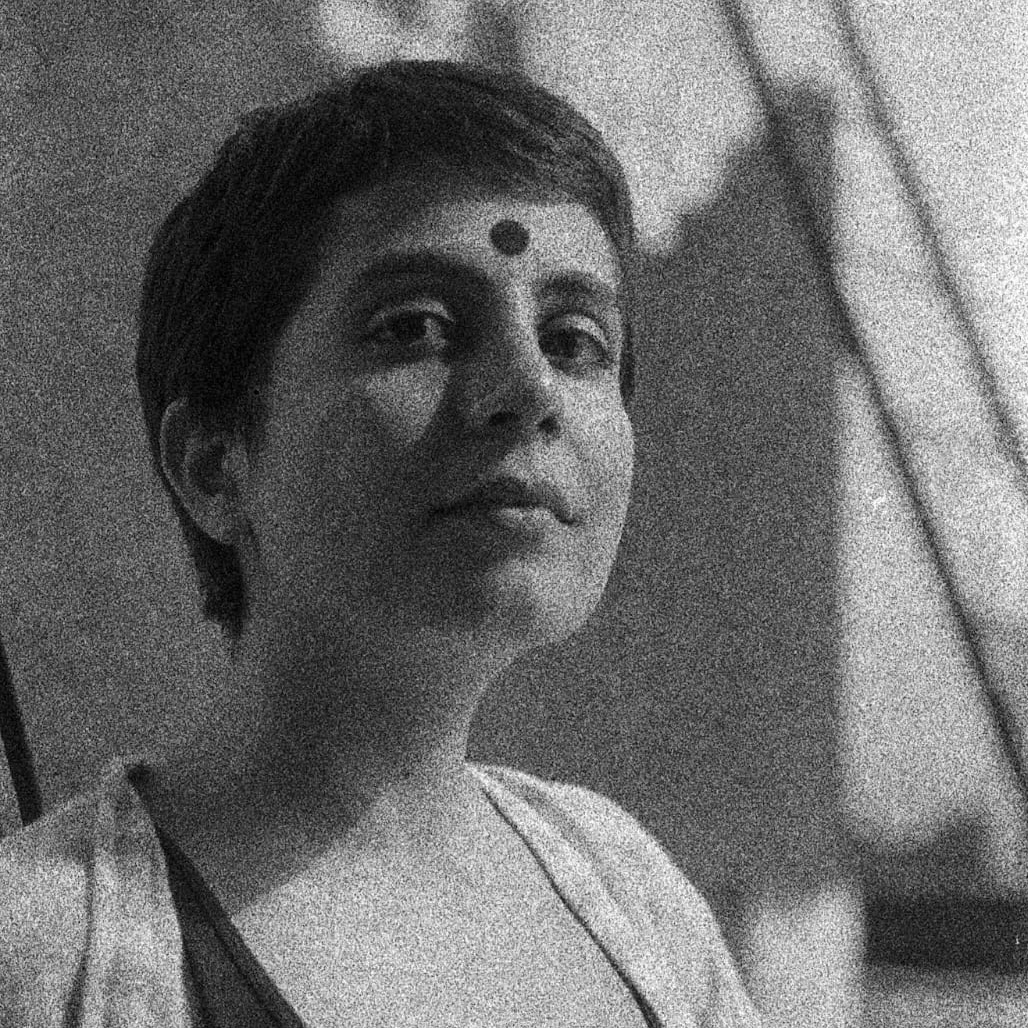
Impart is an online platform encouraging greater engagement with South Asia’s art and cultural histories. We build inclusive and free resources for people to better access these histories, and believe that the story of art across the region should be presented in a comprehensive and nuanced way.
Our work spans four key verticals:
Encyclopedia of Art: Covering explanations of techniques and materials, historical essays, and artist profiles, this resource draws from traditional encyclopedic conventions while adapting to the digital medium and its possibilities.
Learning: Enabling online learning for South Asian art in a global context, through structured, introductory courses, live talks and lectures, and a growing library of animated explainer videos.
Perspectives: Commentaries on history, culture, and society that critique, highlight, and reframe ideas related to art — from our growing pool of contributors within and beyond the region.
Special Projects: Where research meets collaboration — developing partnerships with cultural organisations, artists, and scholars that expand and support engagement with the arts through grants, collaborative initiatives, and multimedia projects.
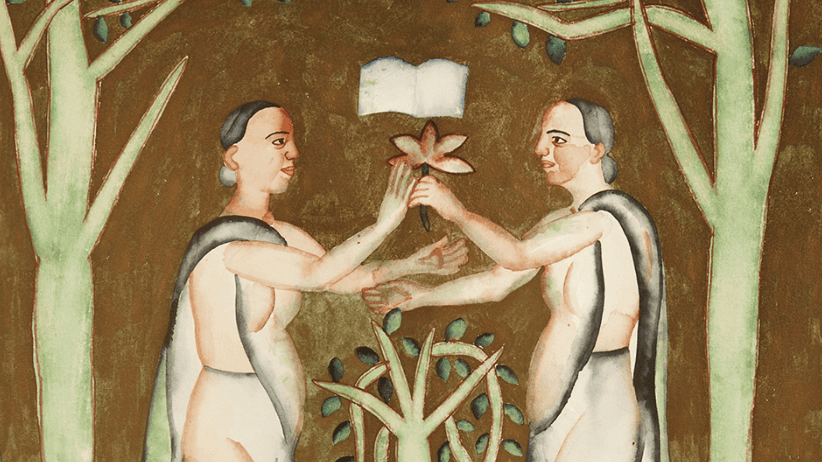
Gemini Twins: Wordsmiths; Arpita Singh; India; 1999; Watercolour and acrylic on paper; 50.5 x 35.5 cm. Courtesy of Museum of Art & Photography (MAP), Bengaluru
Impart is a unit of the Art & Photography Foundation, a Public Charitable Trust registered in Bengaluru in 2011 that has 80G, 12AA, CSR and FCRA certifications. We are a partner organisation of the Museum of Art & Photography (MAP), Bengaluru, with whom we share resources under the aegis of the Foundation.
We are a team of researchers, editors, writers, and creative practitioners who develop knowledge-driven projects, digital resources, and public programming that foster deeper engagement with the visual arts of the region.
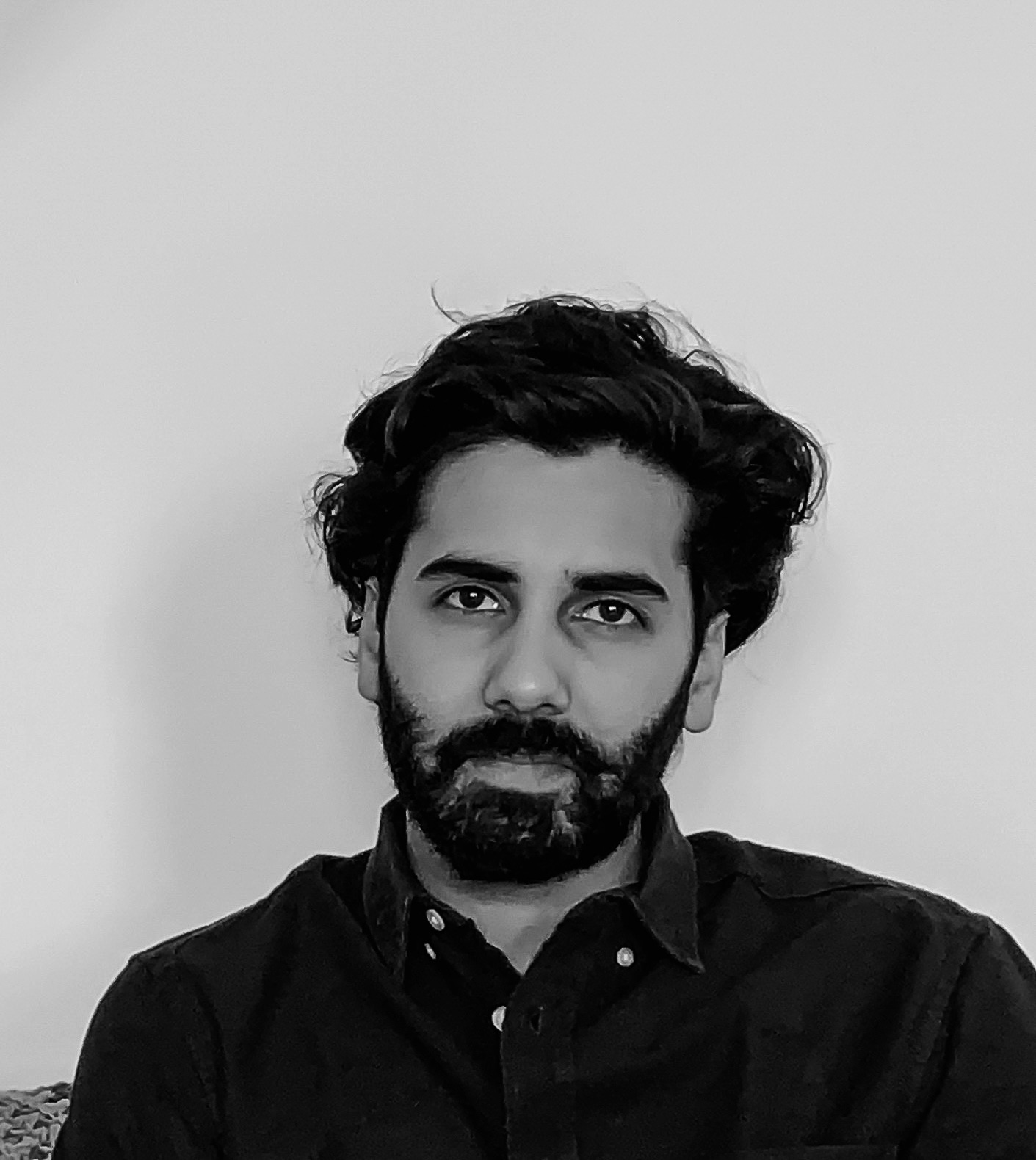
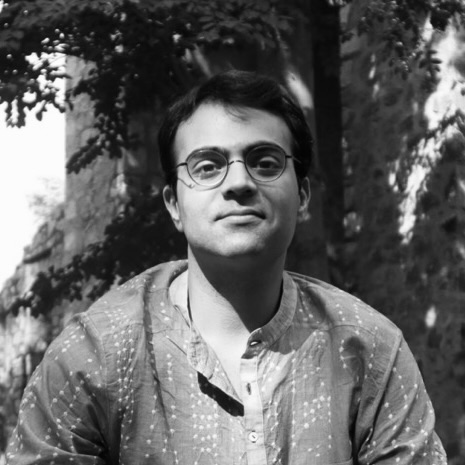
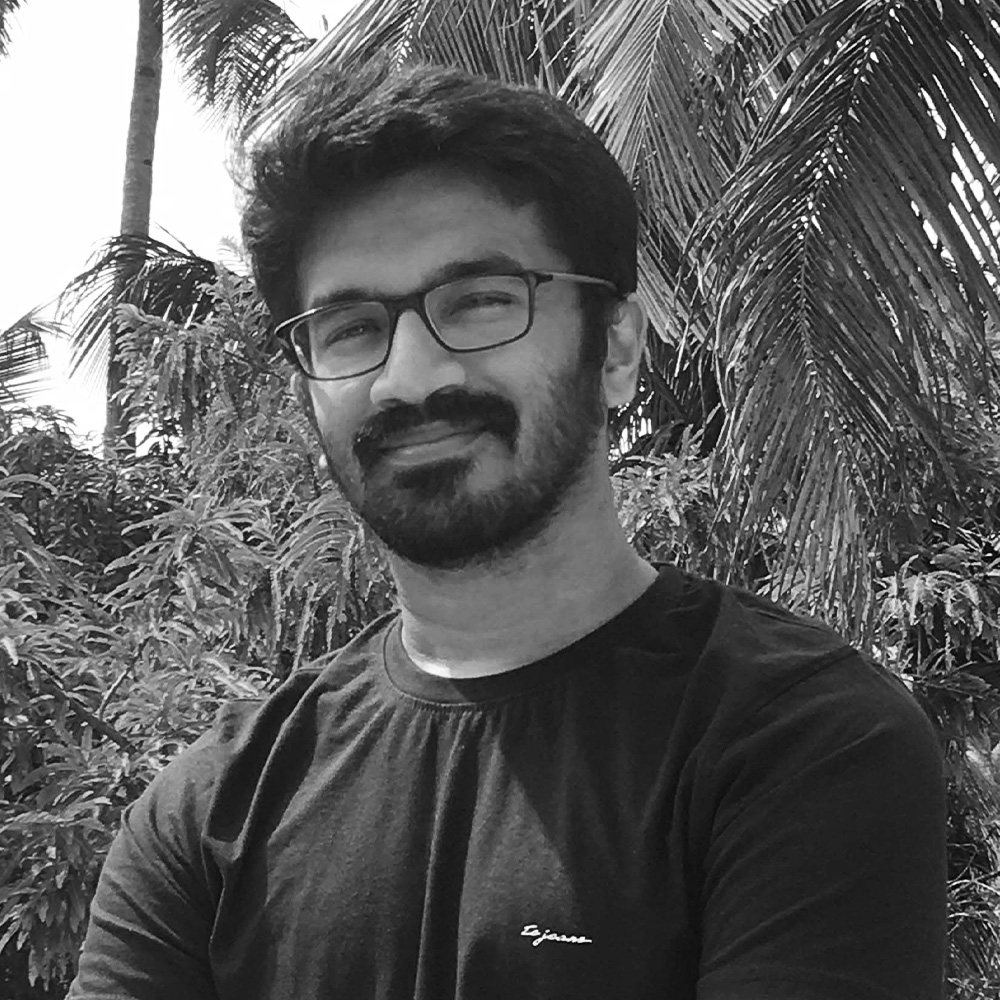
Varun Nayar
Director
Varun (he/him) is a writer, editor, and the Director of Impart, where he was also part of the founding team. He has a background in journalism and art publishing, with a particular interest in the global histories of photography. His work has appeared in Aperture, ArtReview, FOAM, Words Without Borders, Himal Southasian, and National Geographic, among other publications and catalogues. He lives between Delhi and Singapore.
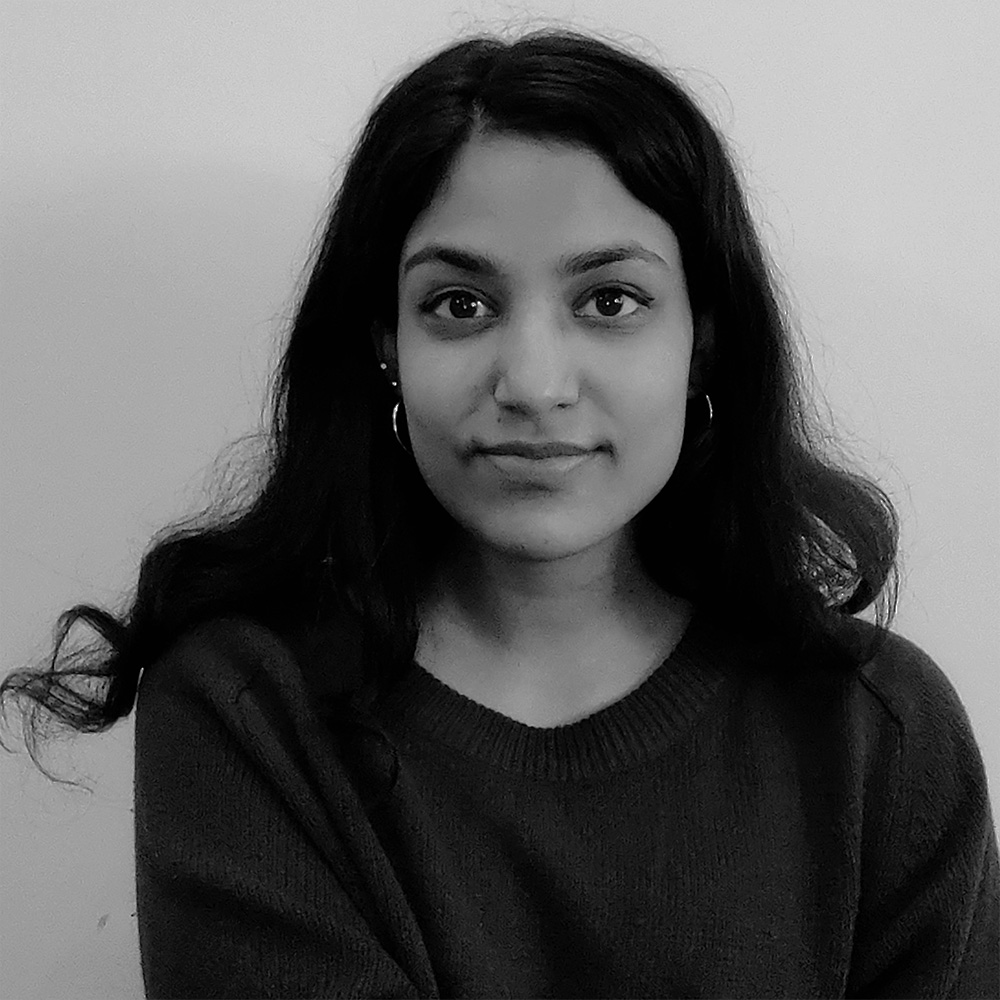
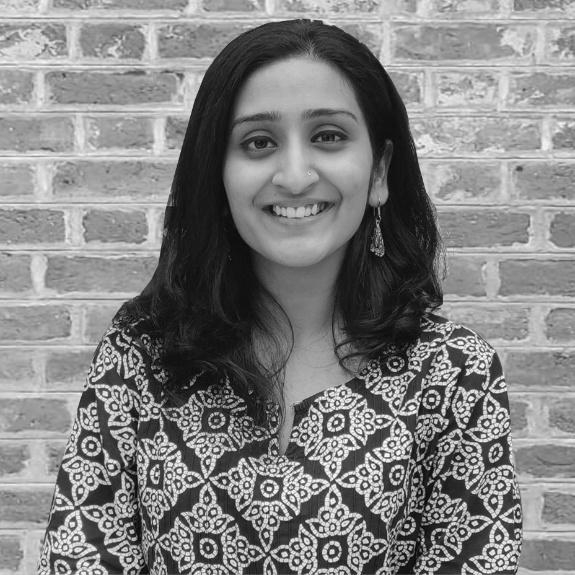
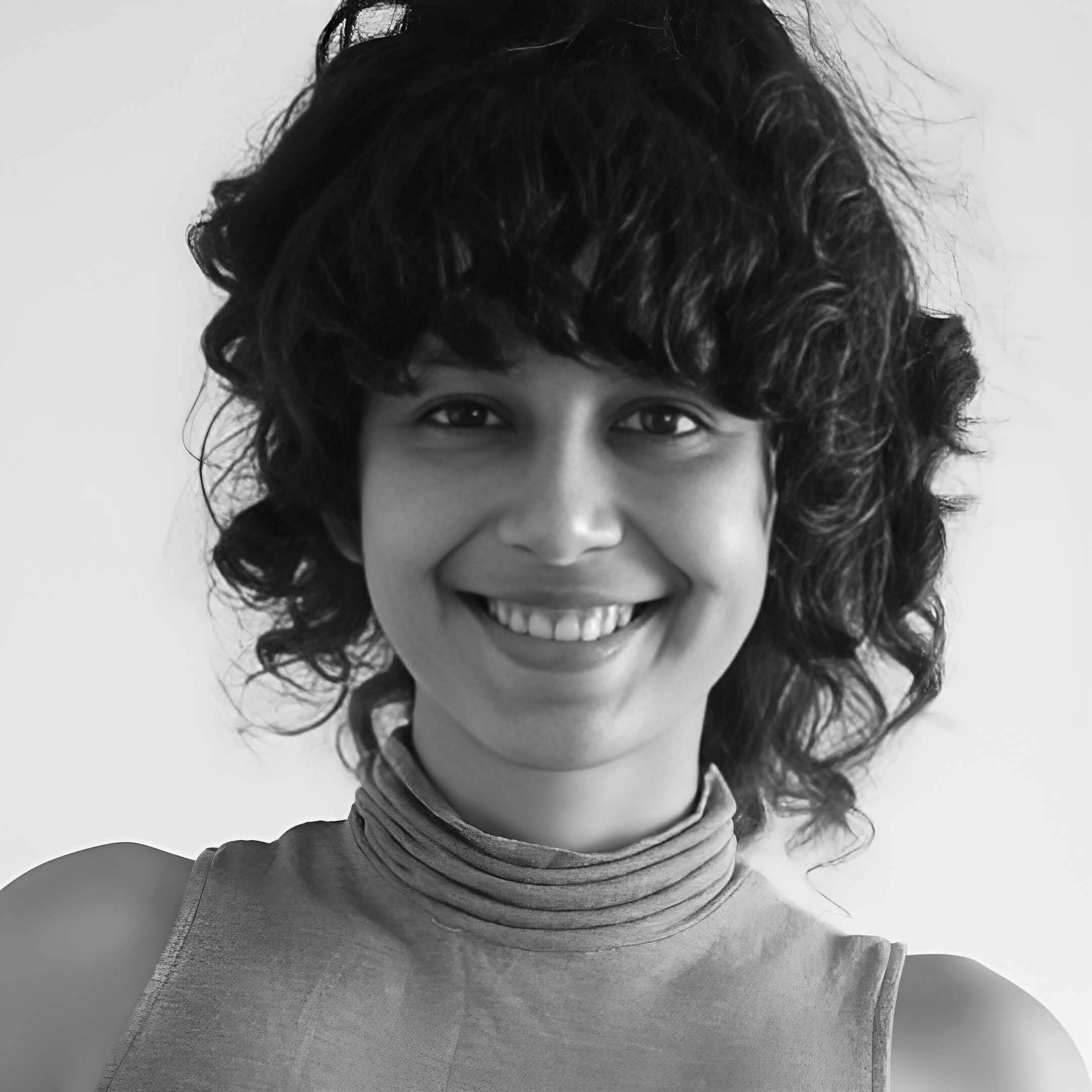
Sara Krishnan
Associate Director
Sara (she/her) holds a bachelor’s degree in Political Science from Ashoka University. She has worked with Impart since its early development, and previously served as Project Lead for the Learning vertical. She has also worked with a number of different art, design, and cultural organisations. Her research interests include textiles, popular culture, and design histories. She is based in Bengaluru.
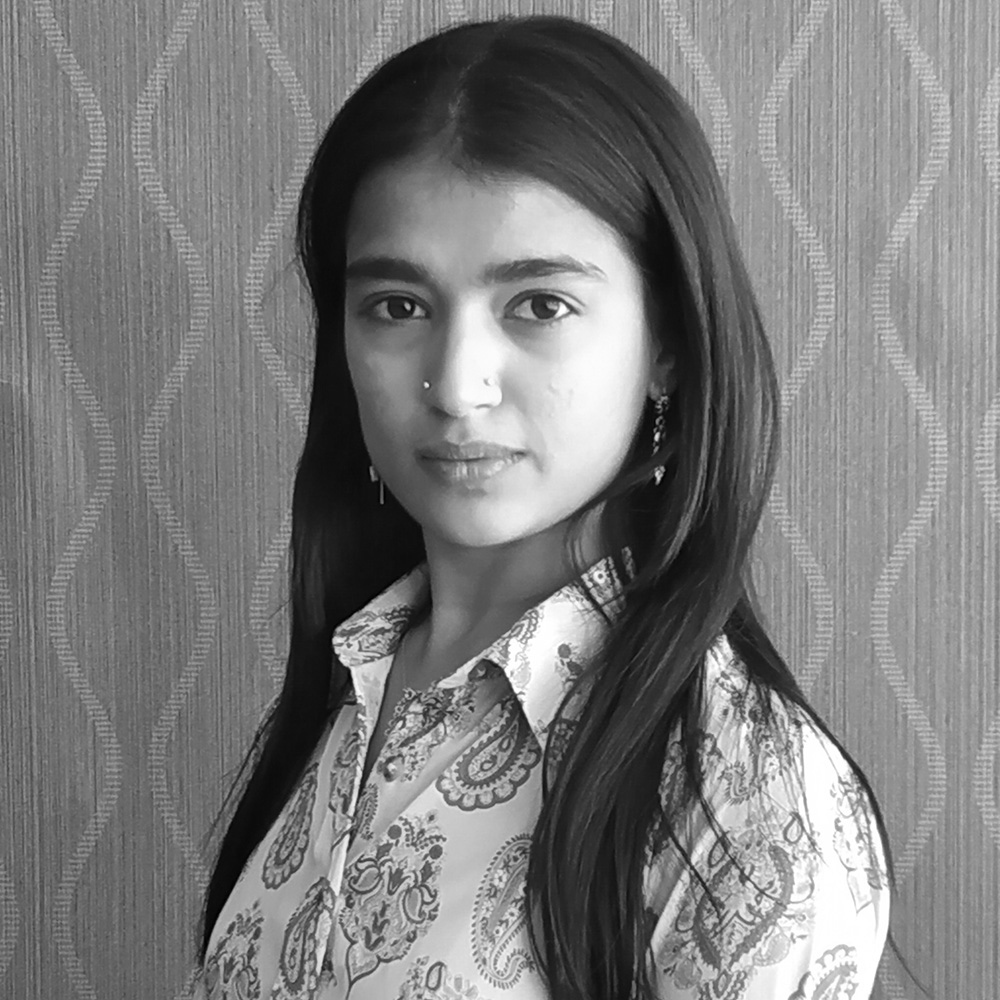
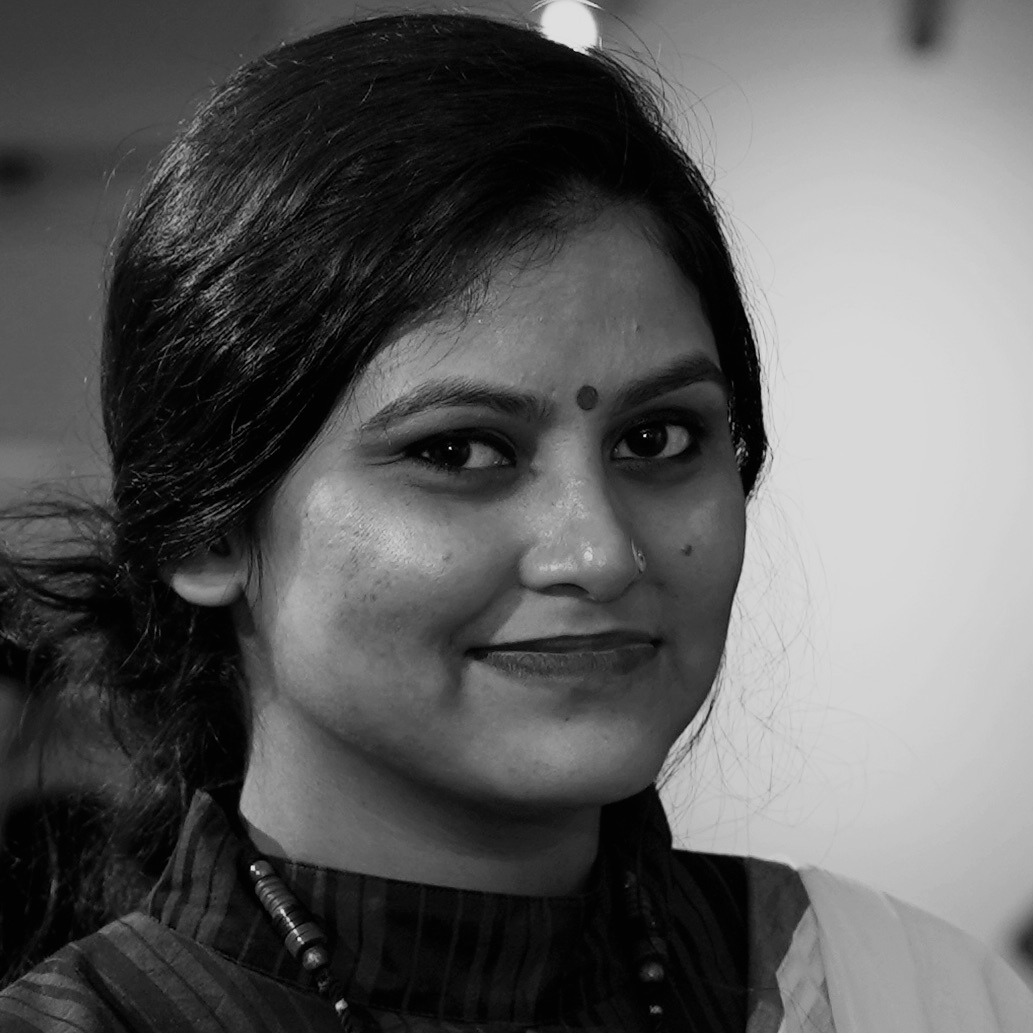
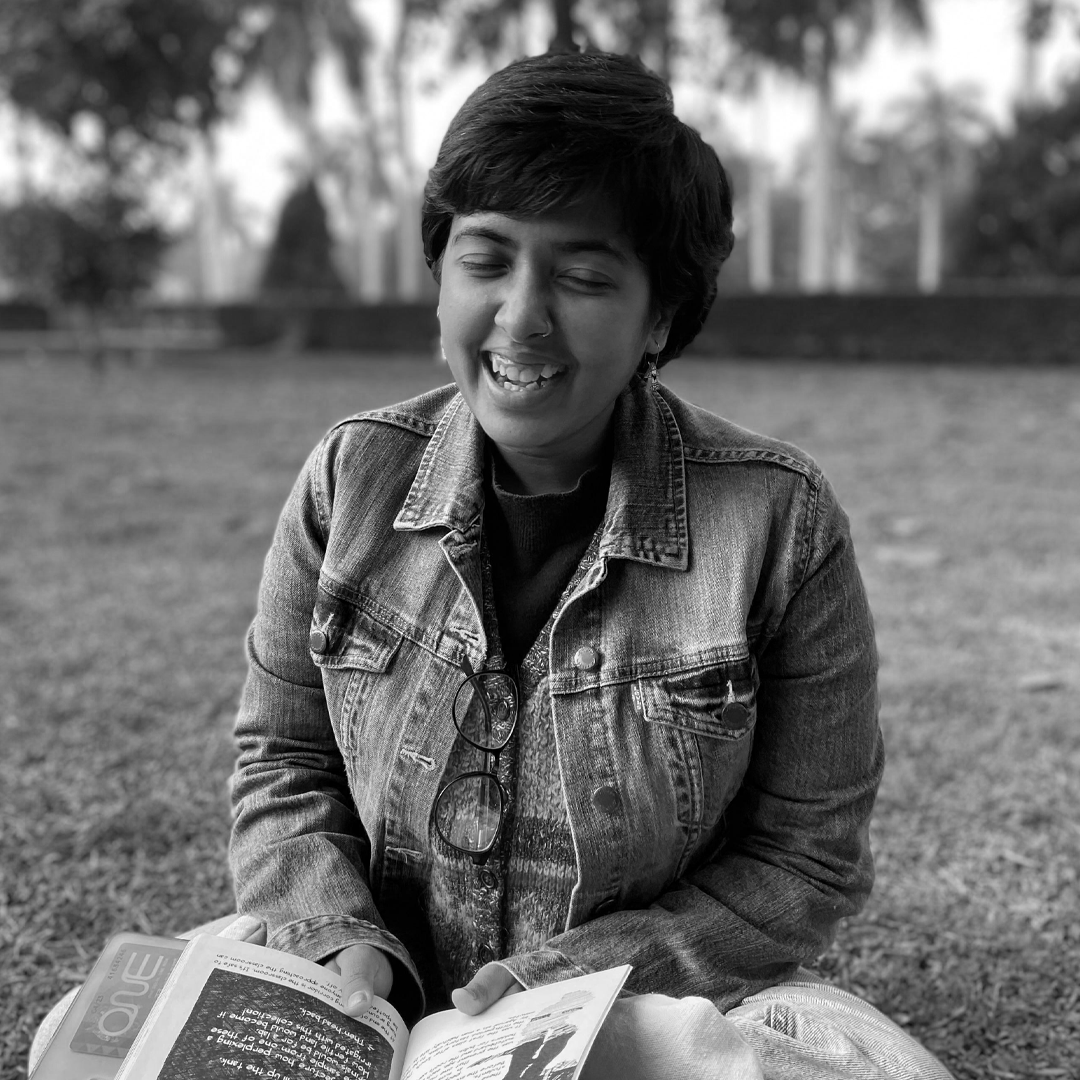
Shrey Maurya
Research Director, Special Projects
Shrey (she/her) holds a bachelor’s in Political Science from Lady Shri Ram College, Delhi University, and a master’s in Visual Art from Ambedkar University, Delhi. She also holds a diploma in South Asian Painting from Jnanapravaha, Mumbai. Her research interests include miniature painting, Buddhist art, handloom textiles, as well as jewellery, perfume and cultures of adornment in the Indian subcontinent. Shrey helped set up Impart’s Encyclopedia of Art, and leads its Special Projects, overseeing its research and editorial direction. She is based in New Delhi.
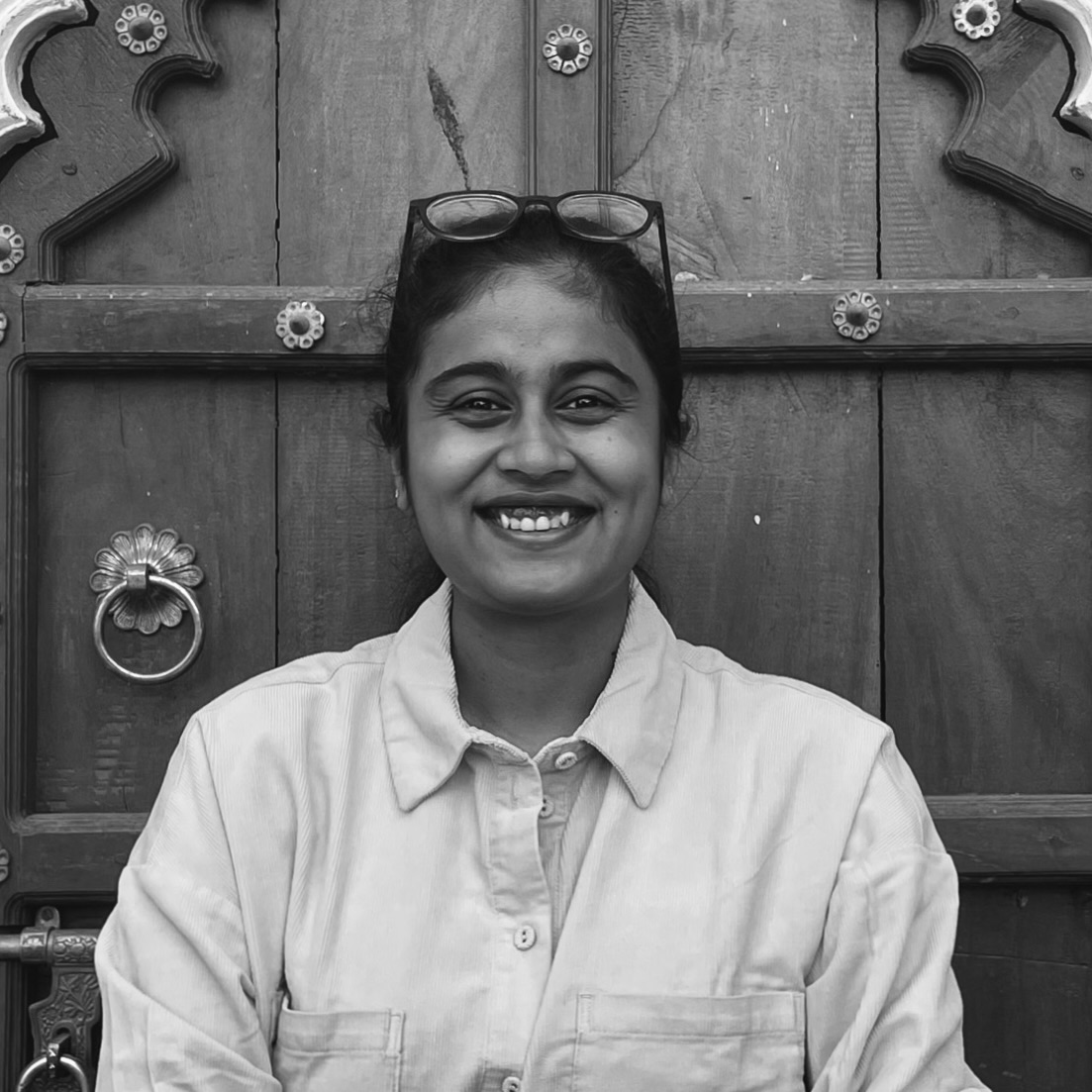
Amitha Murugesh
Project Lead, Learning
Amitha (she/her) holds a bachelor’s in Combined Humanities from Azim Premji University, Bengaluru, where she studied literature, history and philosophy. Her research interests include the interactions between memory, photography and the digital age. At Impart, she leads planning, and implementation for the Learning vertical. She is based in Bengaluru.
Aditya Pandya
Lead Editor, Encyclopedia
Aditya (he/him) holds a bachelor’s degree in English Literature from IGNOU, New Delhi, and has also studied art and design at Srishti School of Art, Design & Technology, Bengaluru. He has worked as a writer and editor for various academic and literary publications, as well as being an artist, illustrator, designer and teacher. His research interests include poetry, language, dance and somatic movement, and visual art and design — particularly their processes and philosophies. At Impart, he oversees and edits the Encyclopedia. He is based in Tamil Nadu.
Smita Mitra
Senior Editor, Perspectives
Smita holds a Master’s degree in Cultural Studies from Queen’s University at Kingston, Canada and a BA (Honours) in Journalism from Delhi University. Her research interests centre around subaltern folk forms, the cultural commons and the impact of development hegemony on the production of art and culture in the Global South. She has a background in journalism and has worked as an editor and writer for media organisations like Outlook Magazine and Himal Southasian.She has a strong interest in popular and populist culture, seen through the lens of gender, affect and queer studies. She is based in Bengaluru.
Shivani Gandhi
Head of Outreach
Shivani (she/her) holds a Master’s in Art History and Aesthetics from MSU Baroda and a Bachelor’s in Arts Management from Indiana University, Bloomington. Her research interests include Islamic art, architecture, and Partition Studies. She has worked with the Partition Museum, Sahapedia, and the Aga Khan Trust for Culture, leading initiatives to deepen community engagement and arts accessibility. Currently, she heads Outreach at Impart, managing partnerships and audience engagement to strengthen the organisation’s visibility. She is based in New Delhi.
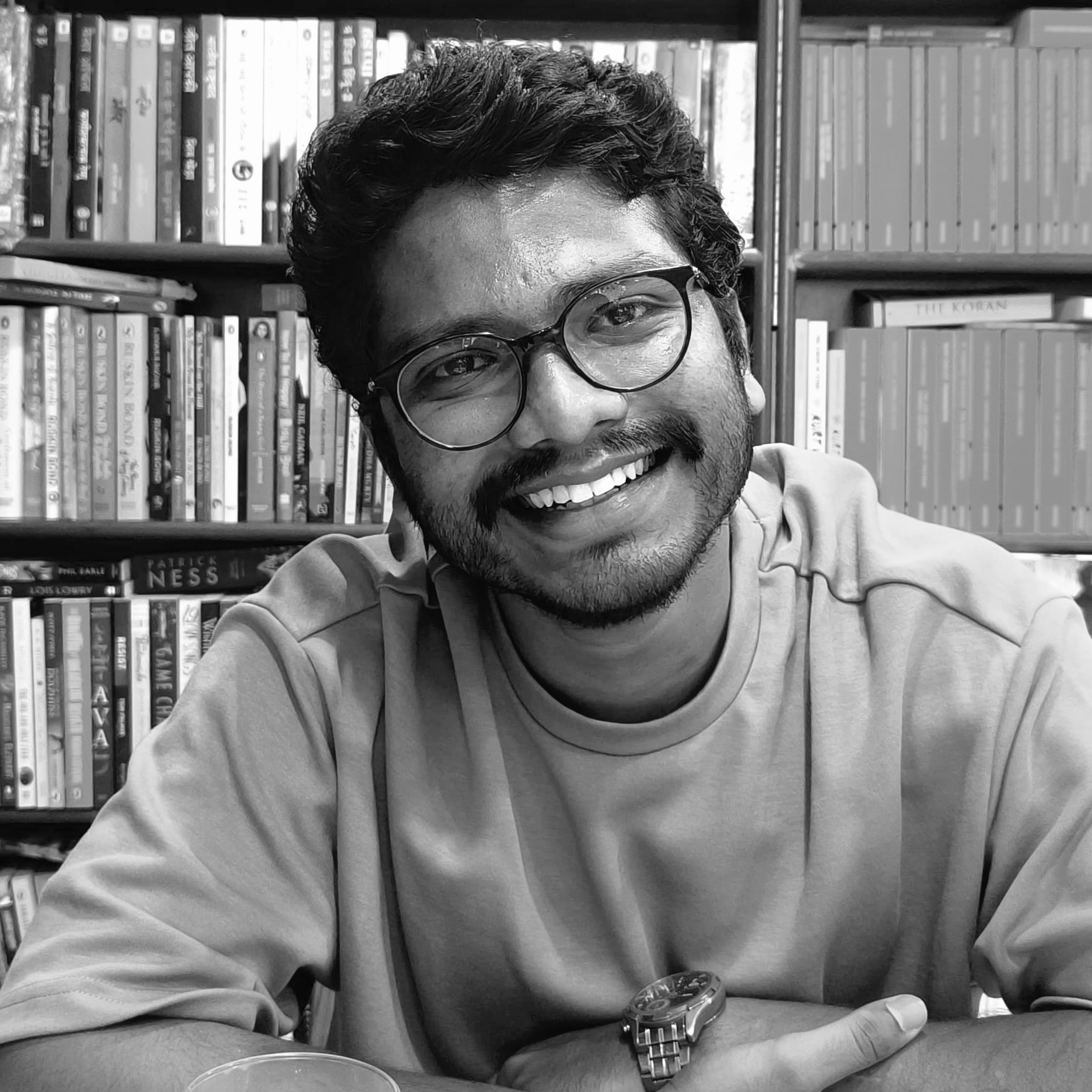
Akshay Sharma
Senior Editor, Learning
Akshay (he/him) holds a bachelor’s in Mass Media from St. Xavier’s College, Mumbai. In the past, he has been part of the editorial team at print and digital publications in India. He is based in Delhi.
Archi Banerjee
Research Specialist, Special Projects
Archi (she/her) has a master’s degree in Entrepreneurship and Innovation from the London College of Fashion, University of the Arts London (UAL), and a bachelor’s degree in Design from National Institute of Fashion Technology. She was awarded the MEAD fellowship by UAL to study the impact of Partition on the handicraft cultures of Bengal. Through fieldwork, curatorial-projects and critical writing, she explores craft and textile heritage, cultural continuity, and the evolving narratives of displacement and identity in South Asia. She works with the Impart’s Special Projects for research and production of image-forward writing on South Asian art history.
Austin Coutinho
Research and Production Associate, Encyclopedia
Austin (he/him) holds a Master’s in History from St. Stephen’s College, Delhi, and a Bachelor’s in History and Political Science from Hislop College, Nagpur. His research interests include millenarianism, sacred kingship, and sovereignty in the Early Modern Persianate world, and Premodern art and architecture. In addition, he has a strong interest in built heritage and conservation, and often leads heritage walks. At Impart, he works with the Encyclopedia of Art team on image research and production. He splits his time between New Delhi and Nagpur.
Imrat Singh
Editorial and Communications Manager
Imrat holds a Master’s degree in Philosophy from University of Delhi, a Master’s degree in Fashion Management from NIFT, and a Bachelor’s (Hons) degree in Philosophy from Hindu College, University of Delhi. Her research interests include philosophy of ethics and digital technology, with a focus on understanding how emerging technologies and digital media influence moral reasoning, human agency, and the evolution of cultural narratives. In addition to this, she has a strong interest in Indian handloom textiles and exploring the intersections of art, culture, and media in shaping contemporary discourse. She is based in Delhi NCR.
Krishna P Unny
Programming Manager, Learning
Krishna P Unny (she/her) holds a bachelor’s in History from Stella Maris College, Chennai, and a master’s in Liberal Studies from Ashoka University, where she also completed the Young India Fellowship. Her research and practice centres on dance and performance, alongside a deep interest in the cultural histories of South Asia. At Impart, she oversees the Impart Live and event programming, and also contributes with voiceovers. Krishna is currently based in Bangalore.
Mallika Nyshadham
Research Editor, Encyclopedia
Mallika holds a Master’s in Architectural History and Theory from CEPT University, Ahmedabad where she has also previously taught at the Faculty of Architecture, and a Bachelor’s in Architecture from Vastukala Academy College of Architecture, GGSIP University, New Delhi.
Her research interests include construction history with a particular focus on the intersection of architecture, materiality and technology, and architectural modernity in early twentieth-century India. In addition to this, she has a strong interest in the speculative re-narration of spatial histories, particularly through visual and fragmentary archives. Beyond academia, Mallika is a trained Bharatanatyam dancer and yoga practitioner. She is based in Gurugram, Delhi NCR.
Milad Thaha Hussain
Multimedia Director, Learning
Milad (he/him) has a bachelor’s in Architecture from the University of Calicut and a Master’s in Design from the National Institute of Design, Ahmedabad, where he specialised in Visual Communication. He is based in Kerala.
Muskaan Chauhan
Social Media and Communications Manager
Muskaan Chauhan (she/her) holds a bachelor’s degree in Fashion Technology from SASMIRA’s Institute of Design and Textiles, Mumbai. With a strong foundation in design and a deep interest in material culture, she explores the intersections of textiles, craft, culture through storytelling. Muskaan has previously worked across various facets of digital media, including content creation, branding, and visual communication, where she developed a nuanced understanding of how design and narrative intersect in the digital space. At Impart, she leads social media and communications, crafting strategies that expand the platform’s digital presence among various social media platforms. She is currently based in Mumbai.
Prakriti Rana
Design Associate
Prakriti (she/they) holds an MA in Medieval Indian History from Jawaharlal Nehru University and a BA (Hons) in Social Sciences from Panjab University. She is based in New Delhi. Her interests include exploring the role of design in shaping collective memory and identity and rethinking the conventions of visual communication. In addition to this, she has a strong interest in making zines. She supports the design approach and visual impact of Impart’s Outreach efforts.
Preksha Kothari
Web Producer
Preksha (she/her) holds a master’s in Photography Design from the National Institute of Design, Gandhinagar and a bachelor’s in Business Administration from Ahmedabad University. She has previously worked with education and e-commerce start-ups as a marketing professional. Later, she pivoted into the field of design. Her interests lie in photographic projects that are themed around the land, ecology, economy, gender, and family history. At Impart, Preksha focuses on enhancing digital experiences through strategic marketing initiatives. She is based in Rajsamand, Rajasthan.
Rachna Shetty
Research Specialist, Special Projects
Rachna (she/her) holds a bachelor’s in Mass Media from the University of Mumbai and a post-graduate diploma in Museology and Conservation from the Chhatrapati Shivaji Maharaj Vastu Sangrahalaya, Mumbai. She is interested in folk and performing arts, as well as sports and popular culture. Rachna works with Impart’s Special Projects, with a focus on research and writing. She is based in Mumbai.
Sarthak Sharma
Research & Production Coordinator, Learning
Sarthak (he/him) has a Master’s in History from the University of Delhi. His research interests range from the Bhakti traditions in North India, Sanskrit Kavya literature, and Braj poetry to changing cultural attitudes in early modern South Asia. At Impart, he works on visual research, production, and writing. He is based in Gwalior.
Shahim Sheikh
Research Editor, Encyclopedia
Shahim (he/him) has a bachelor’s degree in English Literature from Dyal Singh College, University of Delhi, and a master’s in English Literature from the University of Hyderabad. His interests span cultural studies, art history, photography and cinema. At Impart, he edits articles for the Encyclopedia of Art. He is based in Kolkata.
Shruti Singh
Art Director
Shruti (she/her) holds a bachelor’s degree in Fashion Communication from the National Institute of Fashion Technology. Her research interests include Indian textiles and craft, and she has worked on several communication projects for craft clusters in India. At Impart, she oversees design across the website, publications, social media, outreach projects and other special projects. She is based in Mumbai.
Sneha Sridhar
Learning Manager
Sneha Sridhar is an educator, cultural producer, and multidisciplinary artist whose work bridges pedagogy, experience design, and performance. Her practice explores narrative-driven inquiries, multimodal historiography, and experimental teaching methods. Collaborating with the Courses and Outreach teams, she develops educational architectures and curates academic programs. She holds degrees from RV College of Architecture and Rhode Island School of Design.
Tulika Varma
Senior Editor, Encyclopedia
Tulika (she/her) has a master’s degree in Religion in Global Politics from SOAS, University of London and a bachelor’s degree in English Literature and Gender Studies from the University of California, Los Angeles. She is a writer and textile artist. At Impart, she is the Senior Editor for the Encyclopedia of Art, with a special focus on the Premodern Culture and Performance & Practice departments. She is based in Chennai.
Access to art history matters today because it shapes how we understand culture, identity, and the world around us. Artworks are not isolated objects; they carry layered histories of belief, exchange, migration, power, and imagination. They offer another way of reading the past — not only through texts and dates, but through material, image, and form. When these histories are widely shared, they allow people to see themselves and their communities within longer, interconnected narratives and histories.
In South Asia, much of this knowledge is fragmented, under-documented, or difficult to access, and existing research often circulates only within small academic networks. We work to bring this material together and present it in ways that are clear, contextualised, and freely available. We do this through research, publishing, public programming, and collaboration across the field, ensuring that complex histories can be understood by diverse audiences.
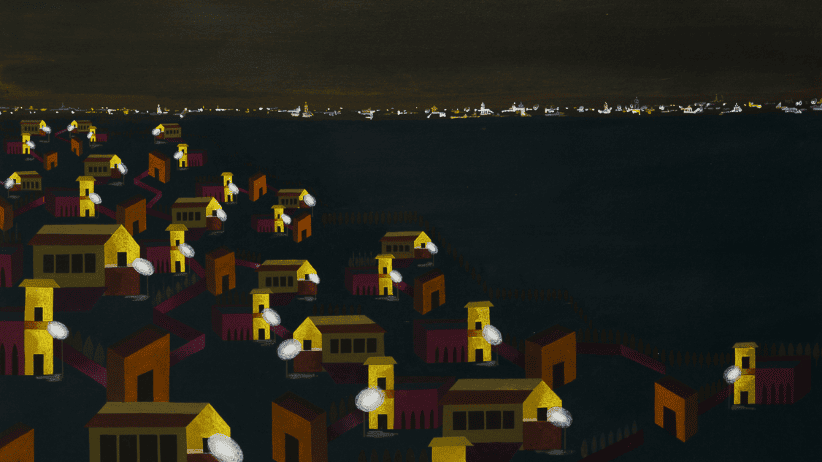
Early Morning Flight; Kamal Pandya; India; 2010; Acrylic on canvas; 22 x 91 cm. Courtesy of Museum of Art & Photography (MAP), Bengaluru
Our Positioning
What distinguishes Impart is its structural position within the field. We are not a museum interpreting our own collection, a gallery advancing represented artists, or a university archive writing primarily for specialists. That independence — from ownership, market cycles, and institutional programming — allows us to take a wider view, looking across South Asian art histories rather than from within a single institutional framework.
We are regionally focused, open access, and free of paywalls. Our South Asia–centred approach places the region at the core of inquiry, while remaining attentive to its global entanglements. The platform is designed to serve a diverse readership — students, educators, researchers, practitioners, and general audiences — holding rigorous scholarship and accessible writing in the same space.
Our Editorial Framework
Much of our research and content is shaped by our in-house team, whose writing, editing, and peer-review processes maintain the quality and coherence of our work. We ensure academic credibility through a comprehensive and collaborative process. Our team engages closely with current scholarship and draws from academic, archival, and general-readership sources to produce work that is carefully researched and contextually grounded. We also collaborate with a network of scholars, practitioners, artists, and educators who contribute subject expertise across our projects.
Our editorial frameworks are designed to translate complexity with clarity. Structured review processes and clear style guidelines help us maintain intellectual integrity while using language that is precise, accessible, and free of unnecessary jargon.
Impart reflects ongoing and rigorous research, and we continue to expand its scope. We value feedback that supports the accuracy and relevance of our content and projects.
Impart aims to encourage greater public engagement with art and cultural histories from South Asia.
The region spans several nations, over 2 billion people, and centuries of layered, dynamic art and cultural traditions. Yet, there is no dedicated, unified, and trusted digital resource on its art and cultural histories; knowledge is scattered across paywalled resources and institutional silos; colonial frameworks continue to shape how the South Asia is seen and studied; and opportunities to engage with the arts are limited and predominantly physical.
Impart was conceived to address these gaps, and works to:
Broaden a shared understanding of the region’s visual arts and cultural histories.
Build comprehensive and free online resources for people to better access these histories.
Bridge connections between museums, universities, cultural organisations, and the public.
Bolster new research, writing, and programming related to the arts.
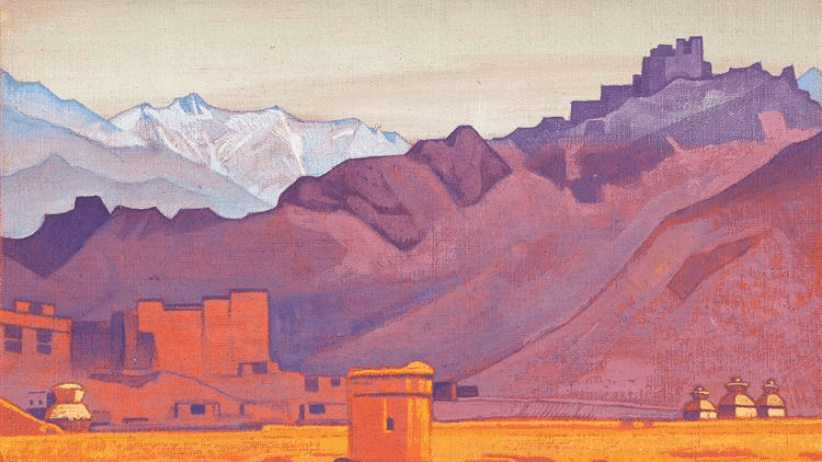
Path to Tibet; Nicholas Roerich; 1925; Tempera on canvas. Courtesy Nicholas Roerich Museum, New York
Policy on Sexual Harassment
We are committed to providing a safe space for everyone — in person and online.
Impart is compliant with the PoSH Act (Sexual Harassment of Women at Work Place [Prevention, Prohibition and Redressal]), 2013, under its broader policy for Protection from Sexual Exploitation and Abuse (PSEA).
The organisation does not tolerate any harassment or intimidation of a sexual, physical, verbal or emotional nature. All staff members, vendors, partners and visitors are required to be proactive in creating an inclusive space, with physical and emotional boundaries respected at all times.
Should you be a witness to any such instances of harassment, we ask you to offer your support to the person needing it in the way they deem safest. Please reach out to the Foundation’s independent Internal Committee or any of its members to report any breach of safety or for support:
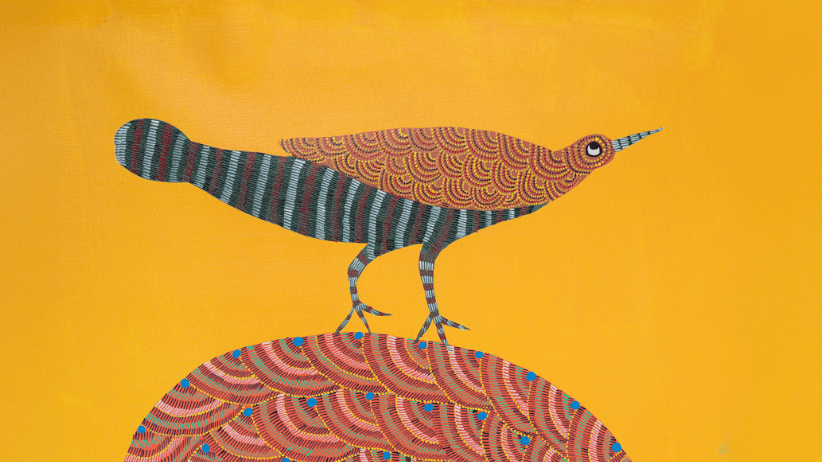
Untitled (Deer and Bird); Nankushiya Shyam; Madhya Pradesh, India; 2011; Acrylic on canvas; 120.5 x 75 cm. Courtesy Museum of Art & Photography (MAP), Bengaluru
What does Impart do? Founded in 2022, Impart is an online platform fostering greater engagement with South Asia’s art and cultural histories. We build inclusive and free resources for people to better access these histories, and believe that the story of art across the region should be presented in a comprehensive, inclusive, and nuanced way. Our verticals include an Encyclopedia of Art from South Asia, a suite of Learning Resources, editorial Perspectives from contributors within and beyond the region; and a variety of Special Projects focused on new research and formats.
Who is Impart for?
Our work is for anyone interested in South Asian art and culture — students, educators, researchers, creative professionals, and learners at any stage.
What is Impart’s relationship to MAP Academy? Impart was formerly called MAP Academy, which was first conceived in 2022 as a home for an encyclopedia and online courses on art from South Asia. We have since become a more dynamic and expansive platform. Our growing offerings, audiences, and partnerships have broadened how we think about our work. Impart is a newer and wider expression of our evolution.
What is Impart’s relationship to the Museum of Art & Photography (MAP), Bengaluru, and the Art & Photography Foundation?
Impart is a unit of the Art & Photography Foundation, and a partner organisation to the Museum of Art & Photography (MAP), Bengaluru — both founded by Abhishek Poddar. We share administrative resources and collaborate with MAP on a number of projects under the broader aegis of the Foundation.
Are your online courses free?
Yes. All our courses are free, online, and can be completed at your own pace.
How do I enroll in a course?
Simply sign up with your email. Once enrolled, you can track your progress, revisit lessons anytime, and download a certificate on completion.
How can I attend your live talks and workshops?
Upcoming events are listed on our website and social media. All sessions are free and open to all; you simply need to register with your email. Recordings of all online sessions are made available online.
Do you collaborate with artists, researchers, or institutions?
Yes. Collaboration is central to our work. We partner with museums, archives, artists, designers, and independent scholars to develop research and learning materials.
How can I connect with the Impart team?
You can reach us at connect@imp-art.org for queries about courses, events, or collaborations.
Can I reference content from the Impart website in my own work?
Yes. You may use our written content for personal, educational, and non-commercial purposes with proper credit. For commercial or extended reuse, please contact us at connect@imp-art.org.
How should I credit Impart when using your content?
Please include “Courtesy Impart” along with the resource title and a link to the page. In the case of academic citations for Encyclopedia entries and Perspectives articles, please use the citation feature on the specific content page. You can find our broader republishing guidelines here.
Can I reuse images from your website?
We do not own the copyright for most images, which we access through permissions from a range of institutions and practitioners. As many belong to museums, archives, or private collections, we do not permit republishing images from our site. Please check the credit line and contact the rights holder for reuse permissions.
Can I give feedback or report an error?
Yes, we welcome feedback. Please get in touch with us at connect@imp-art.org.