We are grateful for the generosity of our patrons, whose commitment and support has been instrumental in building our platform and enabling us to pursue our long-term goals.
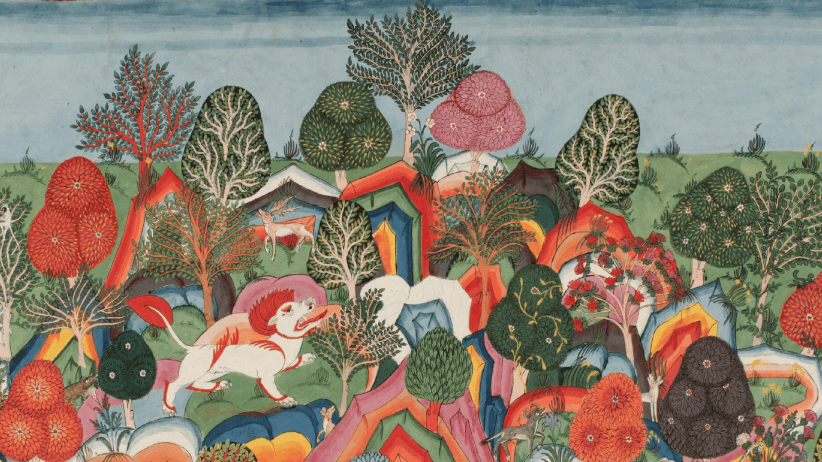
A Lion Kills Prasenajit in the Jungle; Early Shah Dynasty; Nepal; c. 1775; Opaque watercolor on paper; 48.3 x 64.1 cm. Courtesy Wikimedia Commons
Rural India Supporting Trust (RIST)
The Rural India Supporting Trust (RIST), established in 2007, aims to address concerns about the well being of communities in India by supporting projects and organisations that work on solutions to societal inequities and poverty. Its core focus areas include Health, Education, Disability, Environment, and Emergency Response. They began supporting Impart in 2023, and through this partnership, we are furthering our ongoing efforts toward inclusivity in both our approach and the representation of art forms from across the region.
The Infosys Foundation was established to support the less privileged sections of society, create opportunities, and strive towards a more equitable society. It supports projects in areas of healthcare, education, arts and culture, destitute care, and rural development. With their support, starting in 2023, we are exploring diverse applications of technology to ensure that our projects — which broaden perspectives on humanity, heritage, and culture — are as engaging and accessible as possible. In doing so, we seek to realise their full potential for positive social impact.
Impart is a unit of the Art & Photography Foundation (APF) and advised by its Board and Trustees — along with the Museum of Art & Photography (MAP), Bengaluru.
Abhishek Poddar · Arundhati Nag · Radhika Poddar · Som Mittal
We work with a range of partners and collaborators to broaden our perspectives, enrich our content, and reach new audiences. Below, you will find information about our partners and collaborators.
If you are part of an arts or research-based institution, school, university, or educator network, and would like to explore collaboration opportunities, please contact our Head of Outreach, Shivani Gandhi, at [email protected].
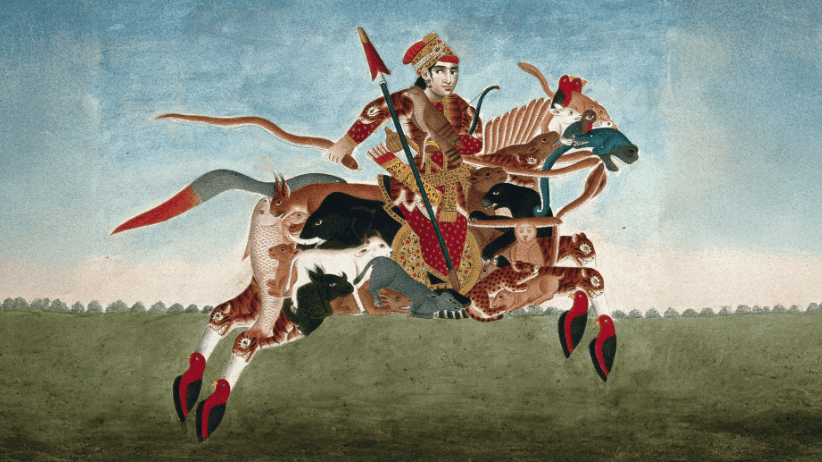
A warrior galloping on a horse whose body is formed from a variety of animals, including birds and fish; India; c. 1800–99; Gouache with pen and ink; 16.6 x 24.2 cm. Courtesy Wellcome Collection
Art, Resources and Teaching Trust (A.R.T)
We worked with Art, Resources and Teaching Trust on an online course focussing on the History of Craft. A.R.T is a non-profit organisation that runs a public art library, conducts independent research projects, and teaches and advises university students and the general public. It is run by art historians Dr Annapurna Garimella and Sindhura Manjunath.
AAS Publishers
We work with AAS Publishers to translate materials from our stories and Encyclopedia of Art into Hindi. AAS Publishers aims to bridge a critical gap in Indian publishing, grounded in the belief that cultures grow through translation. Many important works do not reach Hindi readers due to structural, financial, or institutional barriers. These translations make our work accessible to audiences across the region who do not read or speak English.
Flow India
Impart collaborates with Flow India, an education and culture organisation, on an online course on Visual Literacy. The course provides younger learners with an entry point into the broader discipline of art history while equipping them with essential 21st-century skills.
India Lost & Found
We partner with India Lost & Found (ILF), who provide high-resolution photographs that help us illustrate articles on built heritage sites. Founded by the photographer Amrit Pasricha, ILF aims to bring visibility and awareness of lesser-known sites in the Indian Subcontinent through documentation and workshops.
Microsoft
As a knowledge partner, with Microsoft and MAP, we helped build an AI-led interface, INTERWOVEN, that makes connections between South Asian textiles and art from around the world. Our contributions to this project have included model-training, filter selection, and the creation of Curated Journeys on the interface that explore how technology can deepen our engagement with art.
Nowruzgan
We collaborate with Nowruzgan to make knowledge centered on cross-cultural, historical relationships and artistic dialogues between South Asia and the wider Persianate sphere more accessible. This work forms part of our endeavour to shed light on transregional connections and exchanges that help us surpass the confines of contemporary borders.
Nalli Silks
Nalli Silks, a heritage textile brand from India, and Impart have partnered to set up the Impart & Nalli Fellowships, which combines Nalli Silks’ focus area of textile production and design with Impart’s vision of fostering incisive research in the study of art histories from South Asia. The Fellowship will support South Asia-based projects to foster and generate interest in the region’s textile practices among diverse audiences.
Srishti Manipal Institute of Art, Design & Technology, Bengaluru
We led a virtual, immersive mentorship programme with university students from the Srishti Manipal Institute of Art, Design & Technology, Bengaluru. Focussing on research and skills, the programme aimed to further engage students in the field of art history, both academically and vocationally.
TCSiON
We have contributed to TCSiON’s annual nation-wide school contest, IntelliGem, inculcating 21st-century skills amongst 5th-9th grade students across India. Our work involved writing visual literacy-focussed materials tethered to the competition’s verticals, in an effort to help participants think critically about visual information in our image-heavy world.
Terrain.art
We have partnered with Terrain.Art on an online course on Modern & Contemporary Art in India. The course is authored by art historian Dr Beth Citron and edited and produced by Impart.
The South Asia Collection
We have partnered with The South Asia Collection Museum, UK, to host research and insights from their extensive study Vernacular Furniture of India, undertaken in collaboration with CEPT University, Ahmedabad, as part of our educational offerings. The Museum is cared for and managed by The South Asian Decorative Arts and Crafts Collection (SADACC) Trust, a registered charity working to record, conserve and promote the arts, crafts, and cultures of South Asia and South-East Asia since 2010. It was founded by Dr Philip Millward and Dr Jeannie Millward, who have been working in South Asia since the late 1970s.
Aarna Law LLP
We partner with Aarna Law LLP, who support us across our legal and compliance matters as we grow and evolve. From shaping our website policies and strengthening our approach to copyright and intellectual property, to advising on contracts, partnerships, and collaborations, their guidance helps ensure that our work remains protected, transparent, and responsibly governed.
Unity-I; Kodanda Rao Teppala; India; 2007; Oil on canvas; 182 x 240 cm. Courtesy of Museum of Art & Photography (MAP), Bengaluru
We are committed to making knowledge openly accessible. Towards this goal, we collaborate with leading national and international news platforms, publishing houses, and magazines that share an interest in featuring writing and research-driven editorials on South Asia’s art and cultural histories.
We welcome partnerships with organisations looking to feature these histories from the region. For more information on republication, click here.
Asia Research News
We work with Asia Research News (ARN) to republish our articles on a monthly basis. ARN is a science communications platform focussed on increasing diversity in international research news from Asia. Read the latest issue of their magazine, featuring fascinating stories and diverse voices from the region.
Dainik Jagran
Impart works with Dainik Jagran to publish articles on art history every month. As part of this collaboration, we also translate our work into Hindi, expanding our reach and making our research accessible to broader audiences across the region.
Deccan Herald
Our column, Discover Indian Art with Deccan Herald, delves into fascinating stories on art and art histories from the Indian subcontinent.
Garland Magazine
We publish research and writing on the processes underpinning art, craft, and living traditions from South Asia with Garland Magazine, which features writing on handmade objects and reflections on the materials and processes of contemporary craft practices across the globe.
Selvedge
We have contributed to Selvedge Magazine, publishing articles that explore South Asia’s textile traditions and practices. These pieces shed light on processes, communities, designs, and cross-cultural exchanges, serving as an entry point into the world of textiles for those seeking original and expansive perspectives.
Smarthistory
We worked closely with Smarthistory, one of the world’s leading public art history resources, to publish articles, videos, and resource materials for wider public access and engagement.
Splainer
We collaborate with Splainer, an online magazine that publishes world news alongside multimedia stories on entertainment, art, culture, and science. Our illustrated articles from the Encyclopedia of Art appear monthly in Splainer’s Advisory section.
ThePrint
We collaborate with ThePrint, which republishes articles from the Encyclopedia of Art each month in an effort to share art histories from the subcontinent with wider audiences.
Hindustan Times
Spotlighting distinctive artistic themes and cultural discourse from the subcontinent, we publish with the Hindustan Times’ Weekend Lifestyle section.
The New Indian Express
We publish monthly editorial articles in Indulge, The New Indian Express’ weekend special edition. These features introduce readers to deeper explorations of art and cultural histories from the subcontinent.
The Wire
Through our monthly online feature on The Wire, we publish writings on the visual culture of South Asia through a critical lens. This collaboration encourages conversations that situate these themes within the various contexts that shape them.
Scroll
Our monthly collaboration with Scroll features critically informed reflections on South Asia’s artistic and cultural landscapes.
Academic Review Panel
The Academic Review Panel (ARP) is a group of scholars, academics, and subject specialists who advise Impart’s research and editorial teams. Membership is voluntary and by invitation, reviewed periodically to support the needs of the project.
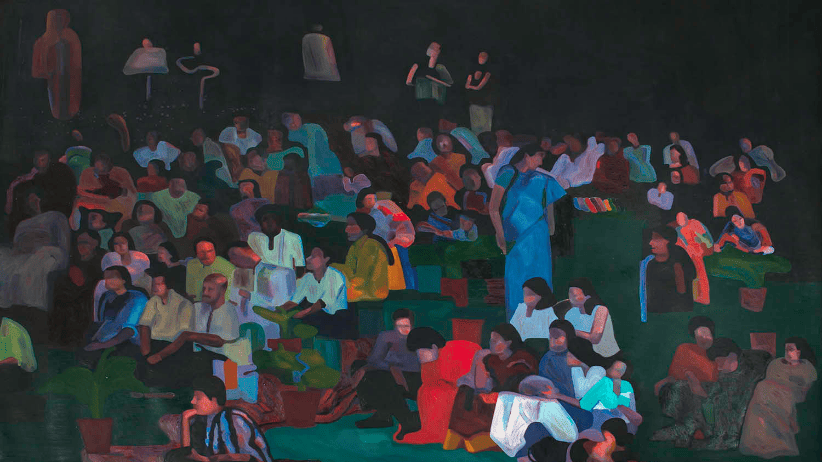
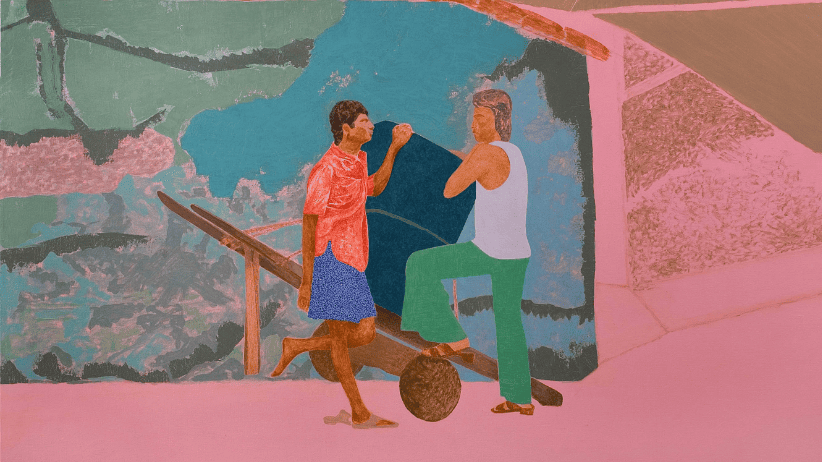
Two Men with Handcart; Gieve Patel; India; 1979; Oil on canvas; 176.5 x 144.8 cm. Courtesy Peabody Essex Museum, Gift of the Chester and Davida Herwitz Collection, 2003, and Google Arts and Culture
Advisors
Our Advisors are leaders from across the arts, culture, philanthropy, academia, and business, who offer guidance and strategic insight to Impart under broader support to the Art & Photography Foundation.
Agnes Husslein-Arco · Amrita Jhaveri · Amy Herman · Arundhati Ghosh · Ayesha Bulchandani · Darren Walker · Ian Blatchford · Ireena Vittal · ISN Prasad · Jane Quinn · Jorrit Britschgi · Nick Merriman · Prashanth Prakash · Shanay Jhaveri · Thomas Campbell · William M. Griswold
Collaborators
Our work is shaped by ongoing collaborations with practitioners and experts from diverse fields, including artists, scholars, designers, craftspeople, writers and film-makers, and among others. These partnerships strengthen the relevance and rigor of our research, support interdisciplinary exchange, and help us develop initiatives that broaden access and deepen public engagement with South Asia’s art and cultural histories.
Amanda Lanzillo · Ami Shroff · Anirudh Kanisetti · Annapurna Garimella · Beth Citron · Briana Blasko · David Abraham · Deepika Shah · Hanne M. de Bruin · Hemang Agrawal · Ismail Khatri · Jigmat Couture · Kallol Datta · Karun Thakar · Laila Tyabji · Larissa Guimaraes · Lavanya Nalli · Manish Arora · Manju Sara Rajan · Mayank Mansingh Kaul · Meena Menon · Monika Correa · Mustafa Khanbhai · Nadine Zubair · Nia Thandapani · Pankaja Sethi · Parismita Singh · Peter Lee · Pradeep Dalal · Pika Ghosh · Puja Vaish · Radhikaraje Gaekwad · Ritu Sethi · Rosemary Crill · Sharan Apparao · Shwetasree Majumder · Sudheer Rajbhar · Tamsin Hong · Uthra Rajgopal · Uzramma · Varun Gupta