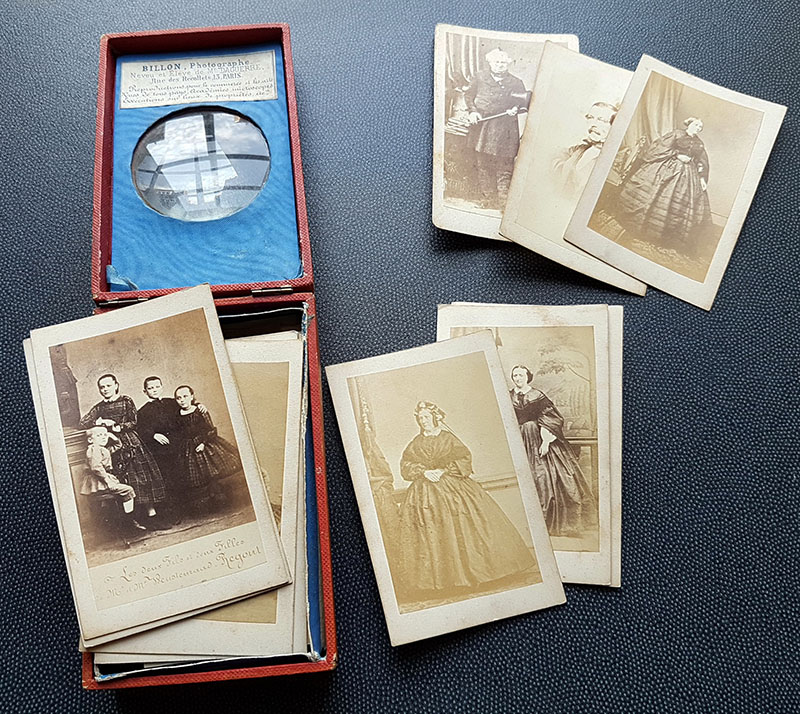
Photographic printing paper that is coated with albumen, or egg white, and salt before being dipped in a silver nitrate solution to make it light-sensitive. Developed by Louis Désiré Blanquart-Evrard around 1850, the albumen print was the most extensively used photographic printing method in the late nineteenth century. It was used for the small-format photographs known as carte de visite whose popularity in Europe helped establish the wide prevalence of photography.
More Definitions
Stucco
A type of fine plaster or coating material used to cover walls and ceilings with decorative patterns, it is also…
Plaster of Paris
A material used in architectural ornamentation, art and medicine. Made of calcium sulfate hemihydrate, it hardens and sets when moistened…
Hanji Paper
A traditional Korean handmade paper produced using the inner bark of the paper mulberry tree native to Korea. It is…
Gum Arabic
A naturally occuring gum obtained from the hardened sap of the Acacia senegal and Vachellia seyal trees and traditionally used…
ground glass
Glass that has been given a coarse surface finish, usually with a fine abrasive, to be used as the viewfinder…
Gouache
An opaque water-soluble paint that contains a gum binder and a white pigment such as chalk mixed with a high…
Mohair
Fibre derived from the hair of Angora goats, it is used to make mohair yarn and fabric. It is known…
Washi Paper
A traditional Japanese handmade paper produced using fibres of trees such as gampi, mitsumata and paper mulberry. Because of its…