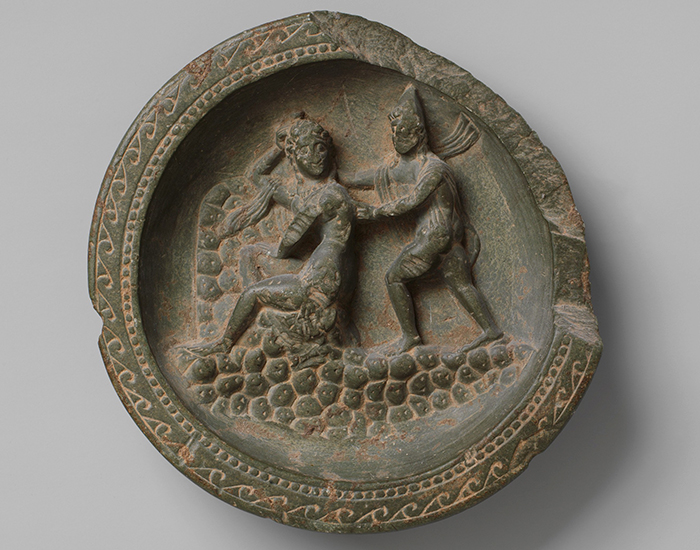
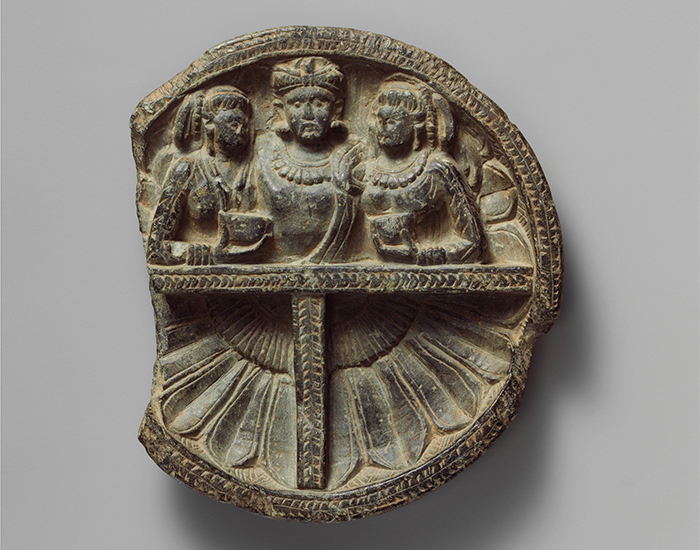
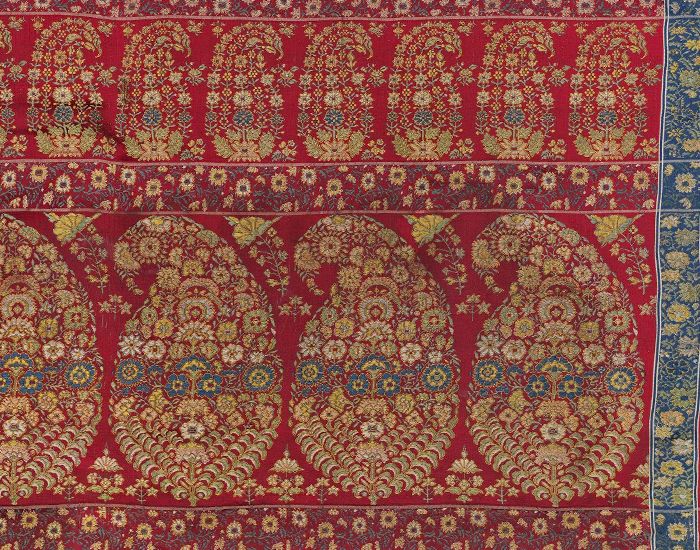
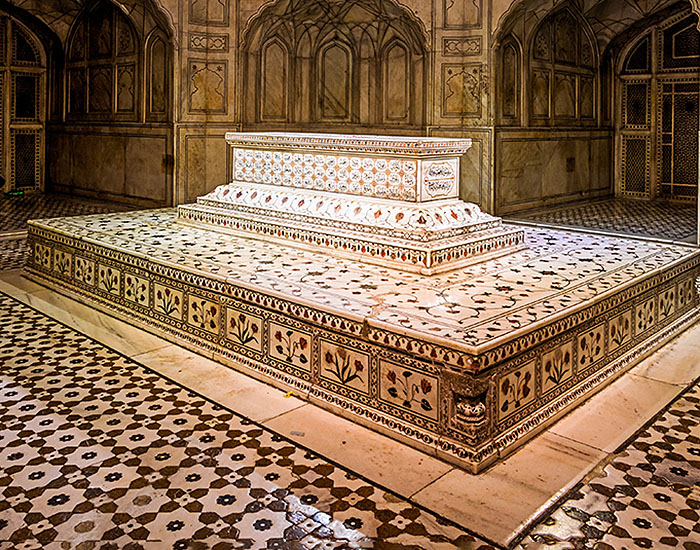
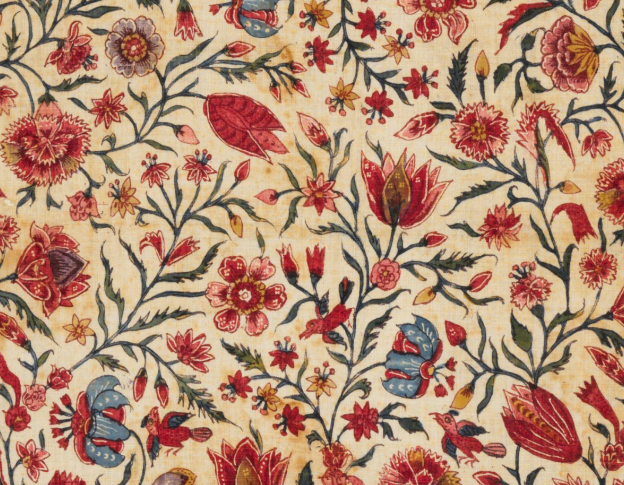
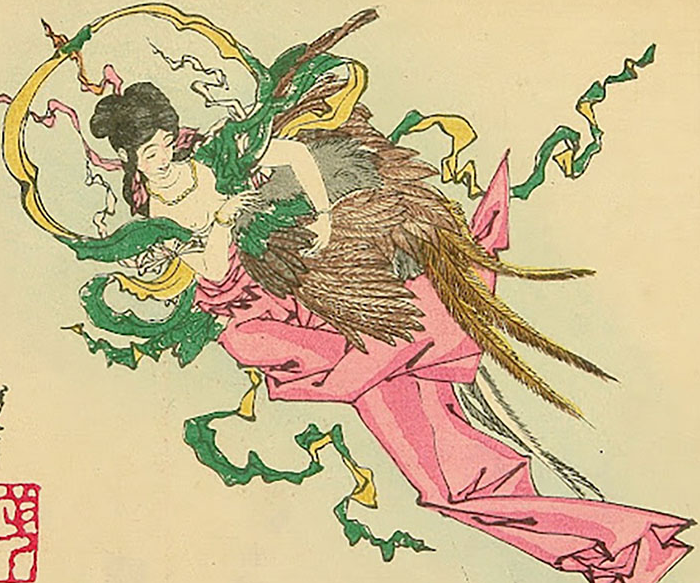
South Asia’s trade connections by land and sea have shaped the region’s art and culture in varied and subtle ways since the early third millennium BCE. As merchants, travellers and missionaries from diverse and far-flung parts converged along trade routes such as the Silk Road and in port cities of the Indian subcontinent, they exchanged not only commercial goods and art objects but also ideas and techniques. In these cosmopolitan centres, pre-existing indigenous traditions melded with foreign influences. Styles and motifs were borrowed and exchanged freely across religions and traditions, resulting not in imitation but rather in the transformation of existing genres and the birth of new forms.
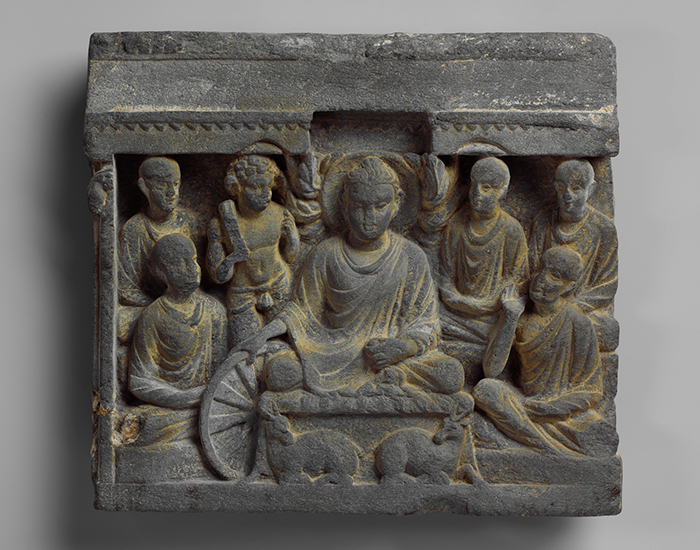
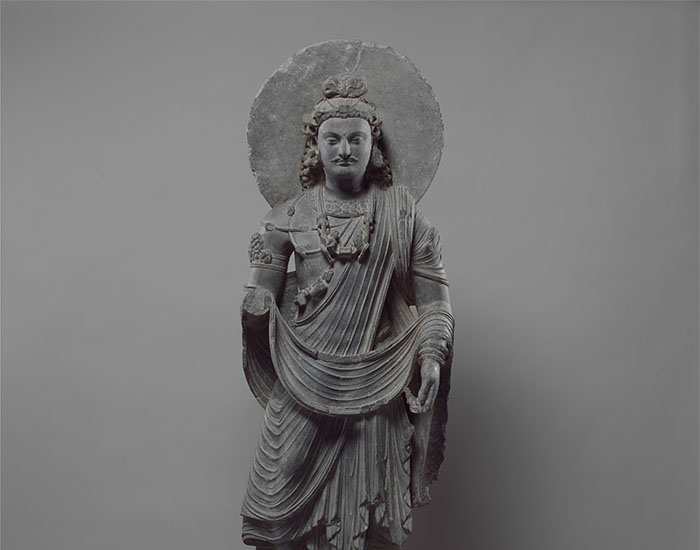
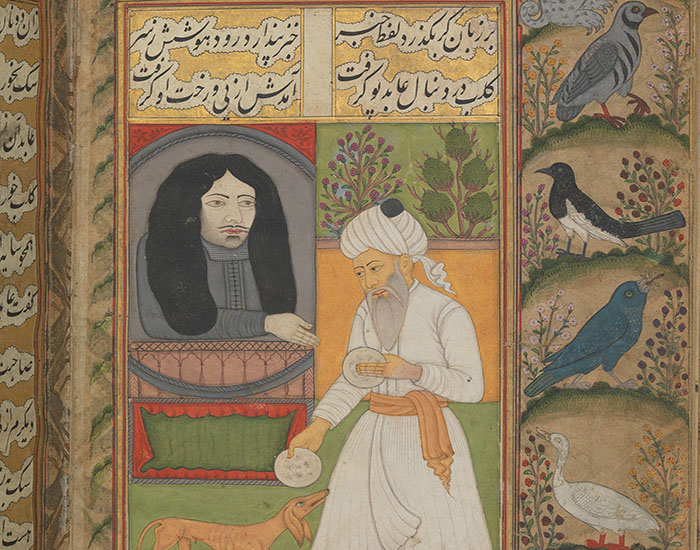
Many South Asian traditions exemplify this fusion, from the sculptures produced in Gandhara in the second century BCE to the illuminated manuscripts made for Deccan courts in the seventeenth century. However, nativist concerns for ‘authentic’ indigenous styles and forms have often hindered the recognition of such syntheses in South Asian art.
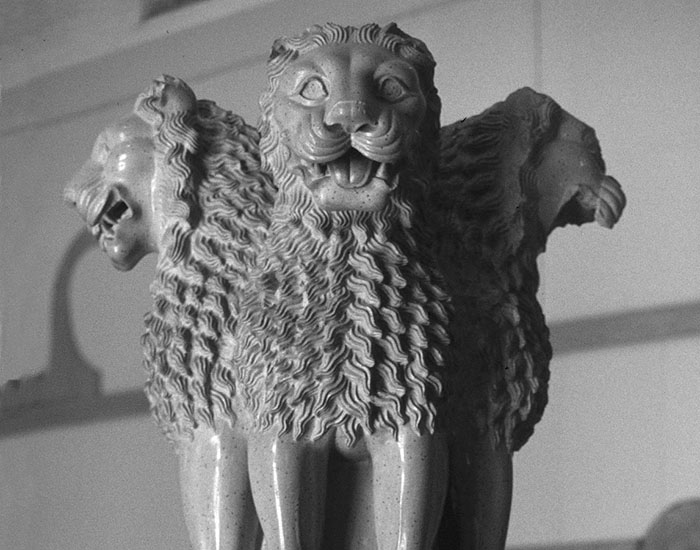
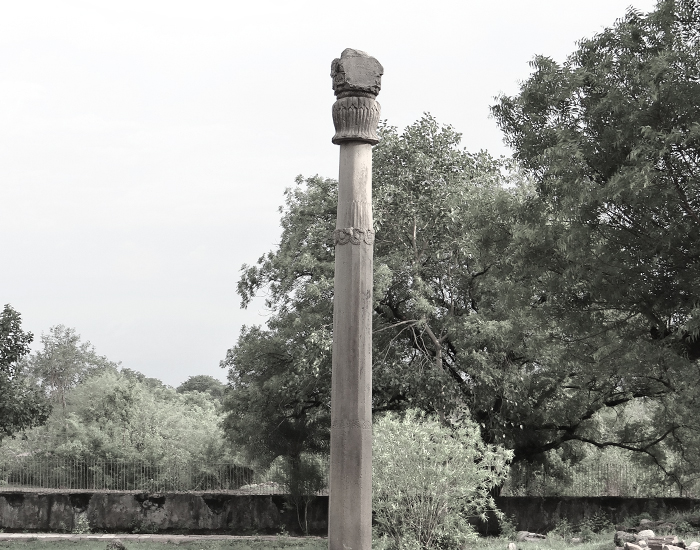
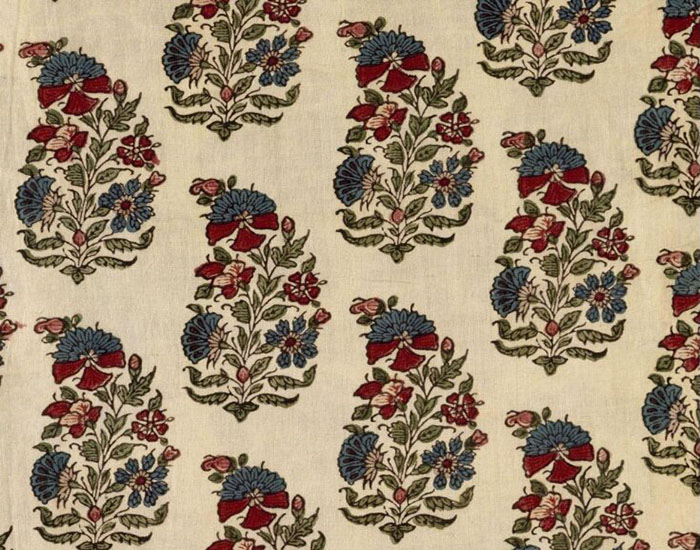
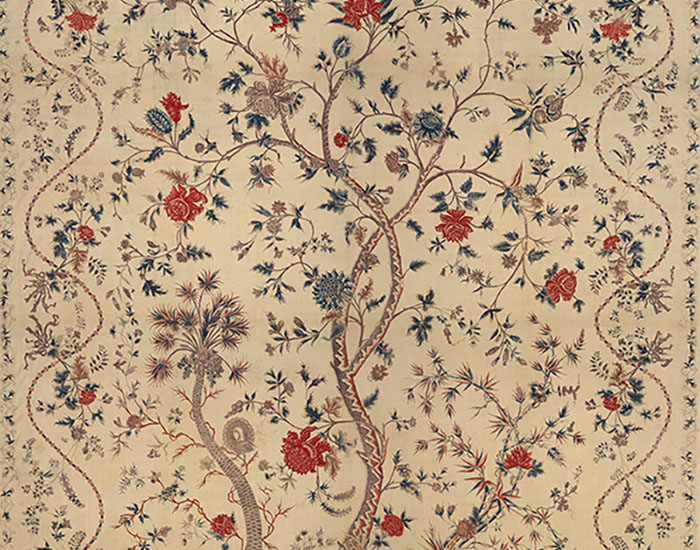
The debate over origins has been especially concentrated around objects and structures that have come to be closely associated with regional, national and religious identities. The anthropomorphic Buddha images from Gandhara and Mathura, the sophisticated Mauryan animal capitals and even certain symbols such as the ubiquitous buta and Tree of Life motifs are cases in point. Yet, such images, in fact, exemplify both the curiosity and adaptability of the South Asian artist, artisan and patron. They are a testament to the richness of the region’s economic and cultural resources, which have attracted people and influences from varied traditions across continents.
Explore the stories of transcontinental exchange behind the iconic objects in these articles.