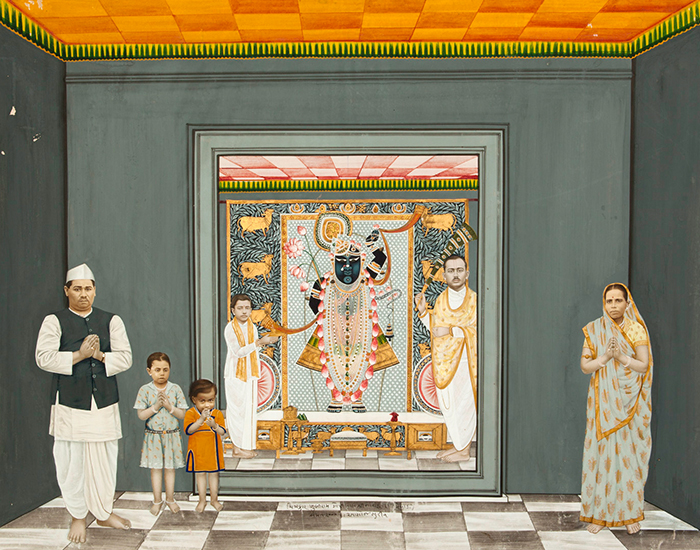
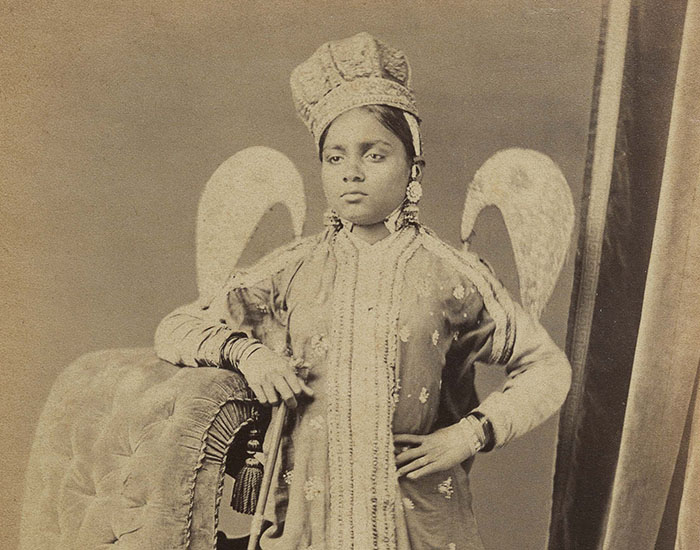
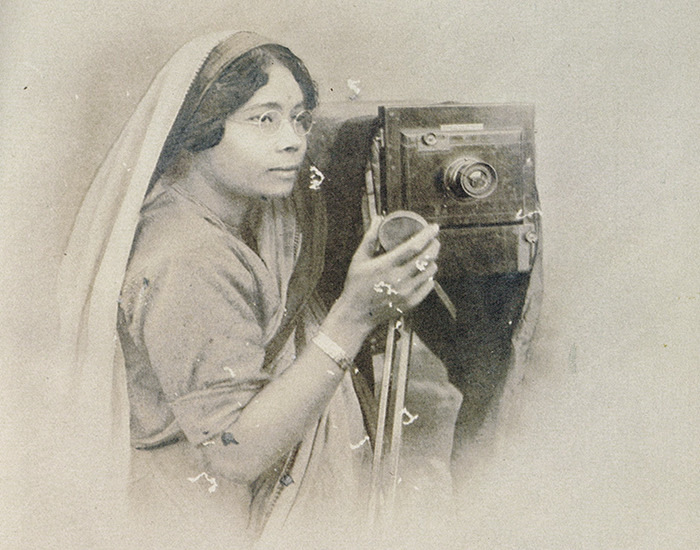
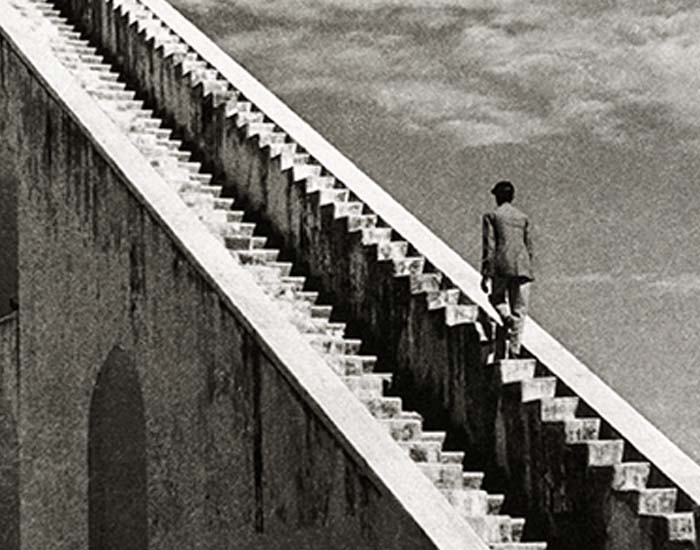
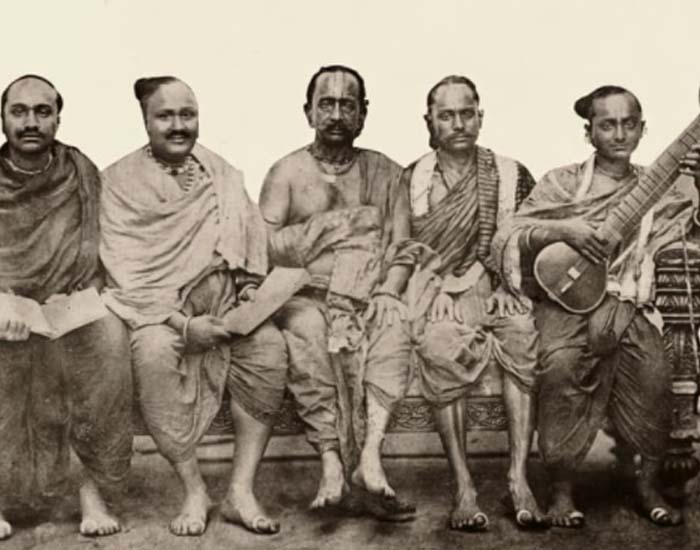
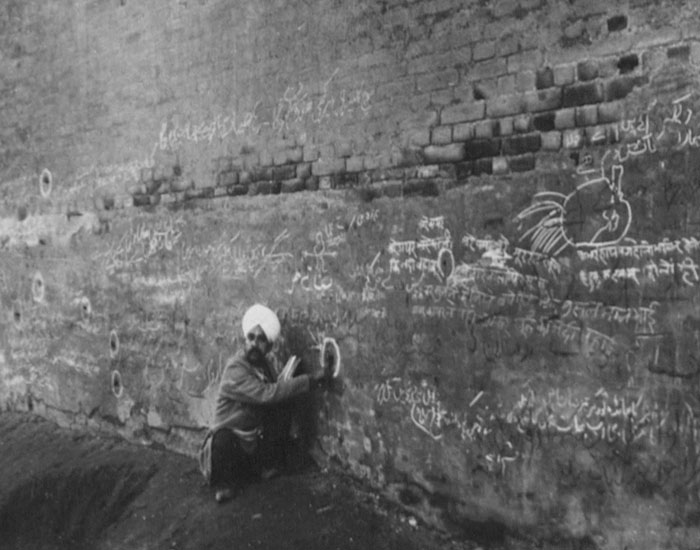
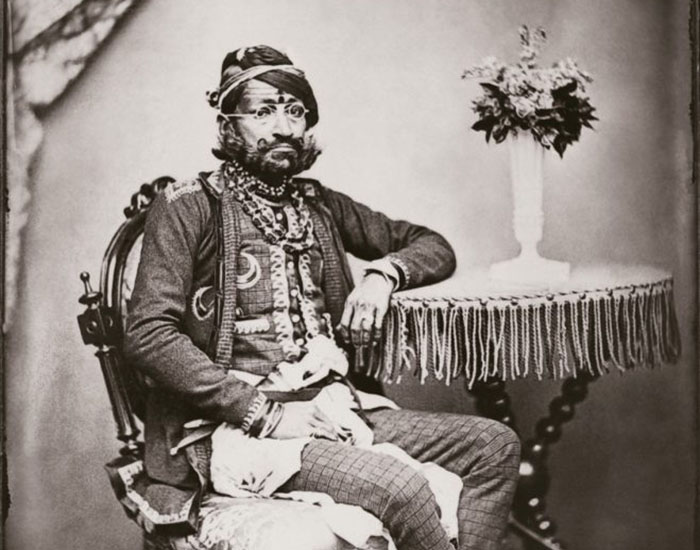
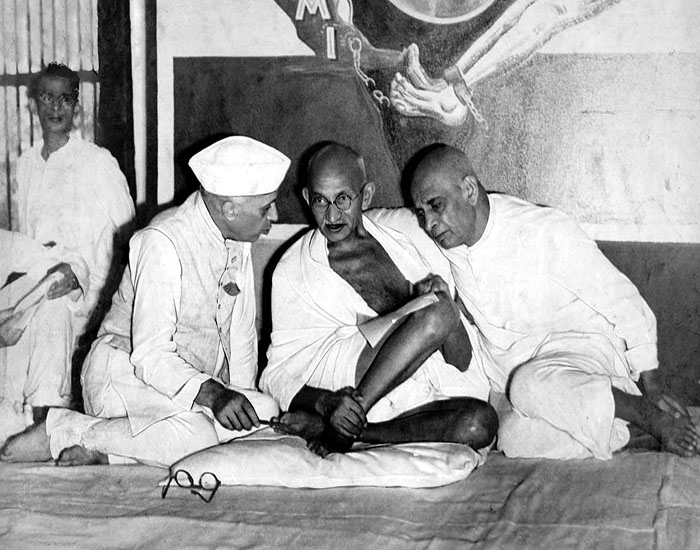
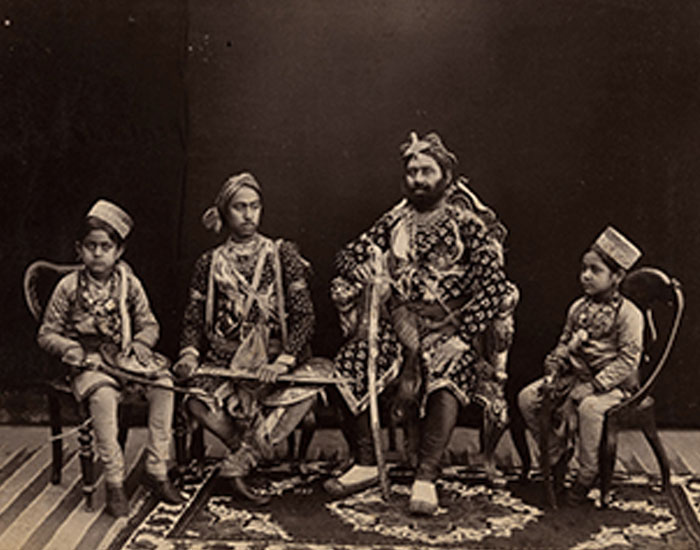
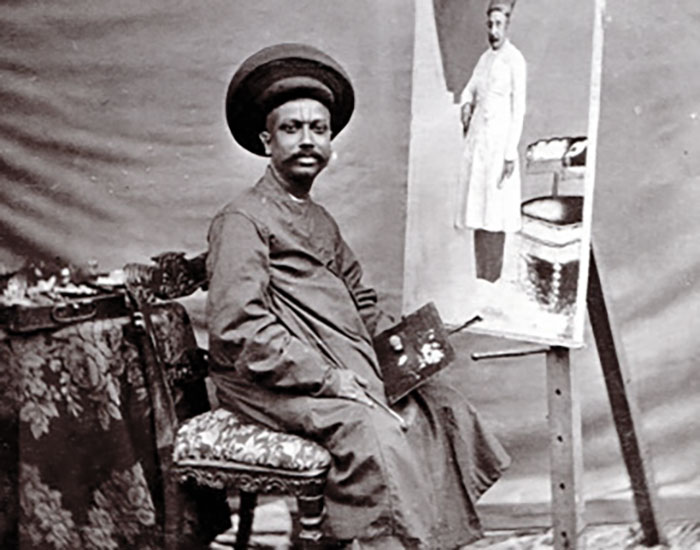
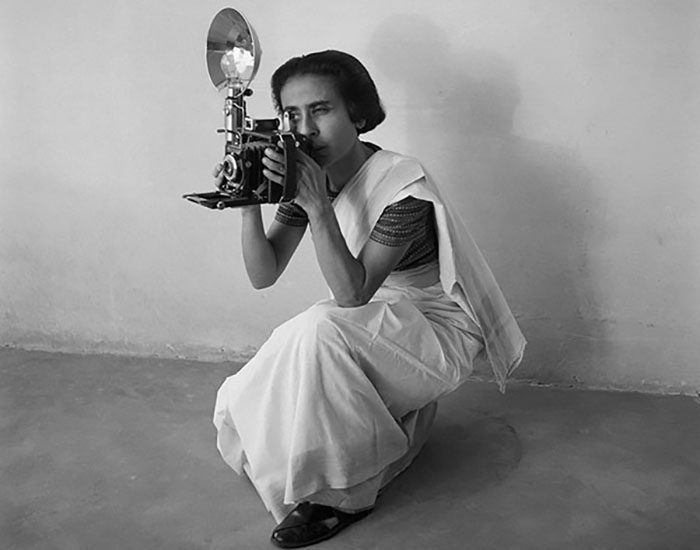
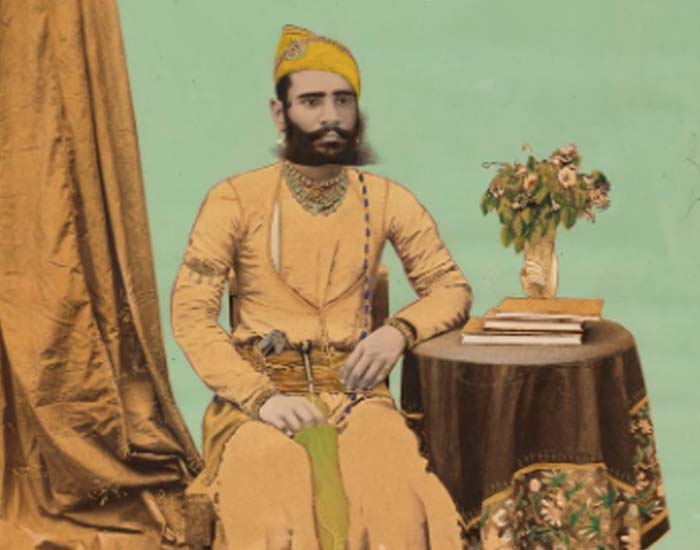
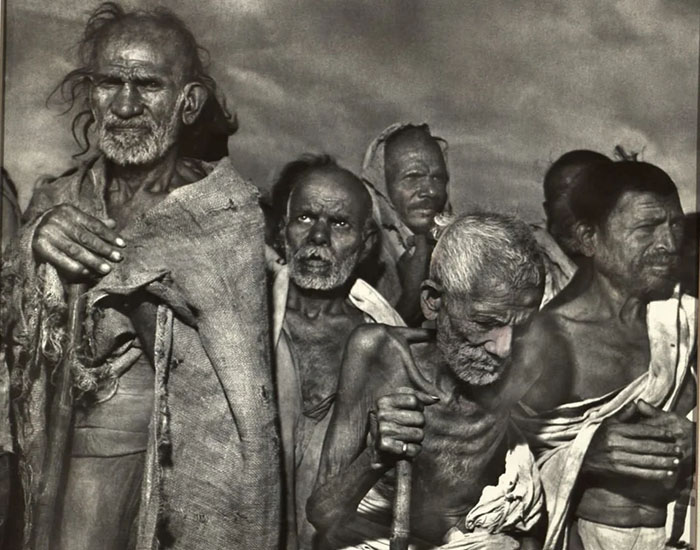
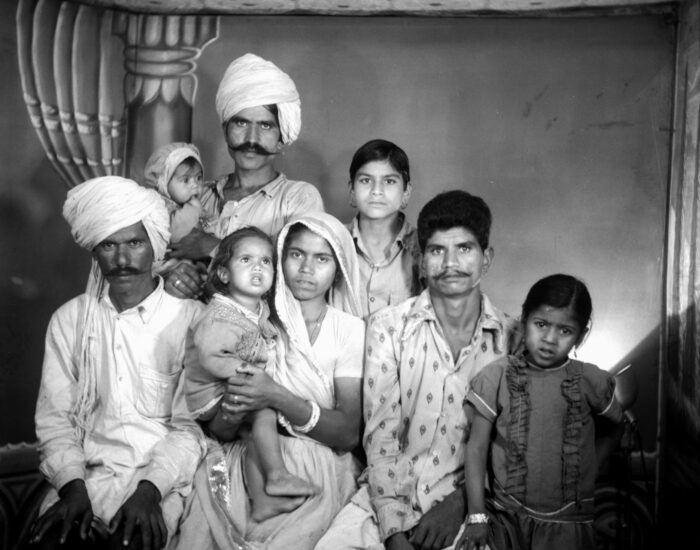
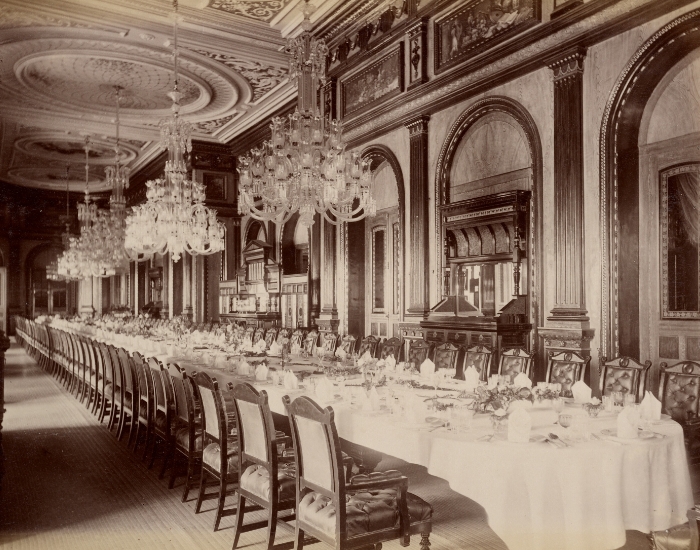
Early Indian photographers were usually hobbyists from wealthy families, as they had access to the equipment and leisure time needed to practice the craft. Typically male — with rare exceptions like Annapurna Dutta — these photographers imitated British and European practitioners in their methods and choice of subjects. This included monuments, landscapes and portraits. The latter included commissioned portraits of royalty or wealthy clients, and anthropological documentation of Indians from non-dominant caste or indigenous groups. This exchange between Western and Indian photographers occurred mainly through journals, exhibitions and amateur photographic societies in Bombay, Madras and Calcutta (now Mumbai, Chennai and Kolkata, respectively).
By the twentieth century, cameras were affordable (while still being a major investment) and portable, making it feasible to learn and apply photography as a skill. Photographers and photojournalists, such as Narayan Virkar, Homai Vyarawalla and Kulwant Roy, were more conscious of the socio-political applications of the camera than their nineteenth-century predecessors. They documented the freedom movement, took portraits of prominent leaders, and captured instances of colonial suppression. Others, like AL Syed, Mitter Bedi and Madan Mahatta, worked in homegrown industries that had embraced photography, such as fine art, cinema, advertising and tourism.