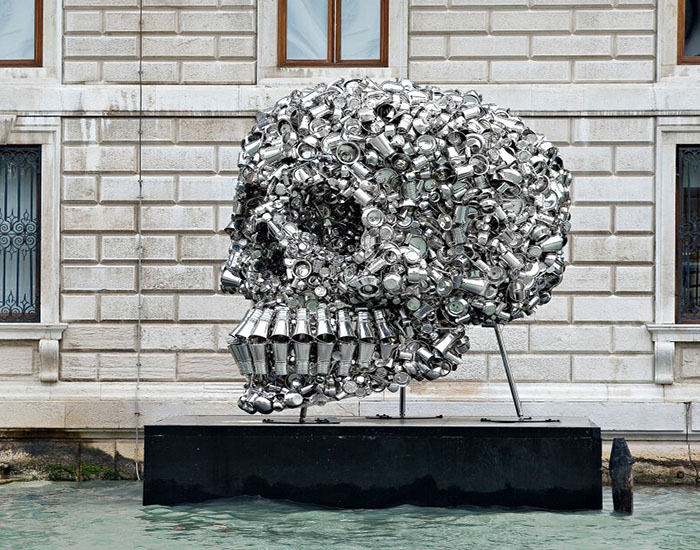
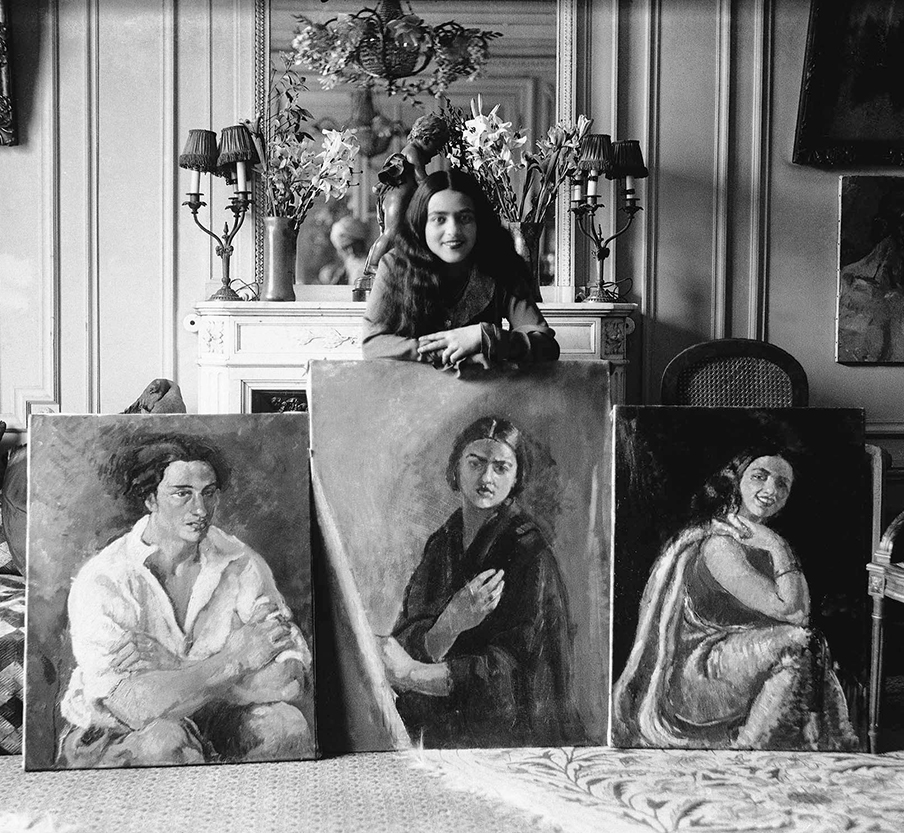
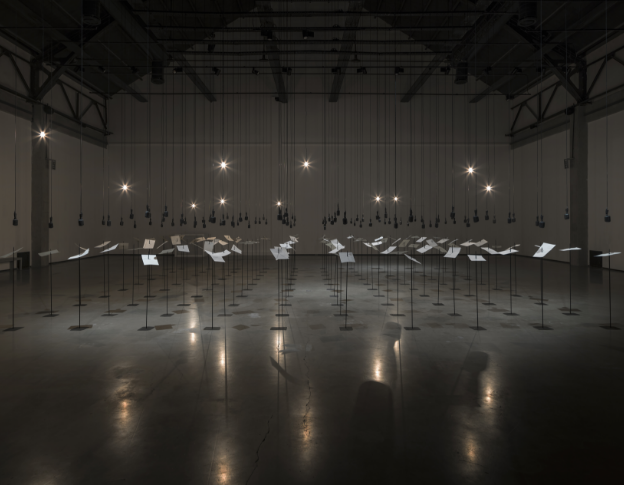
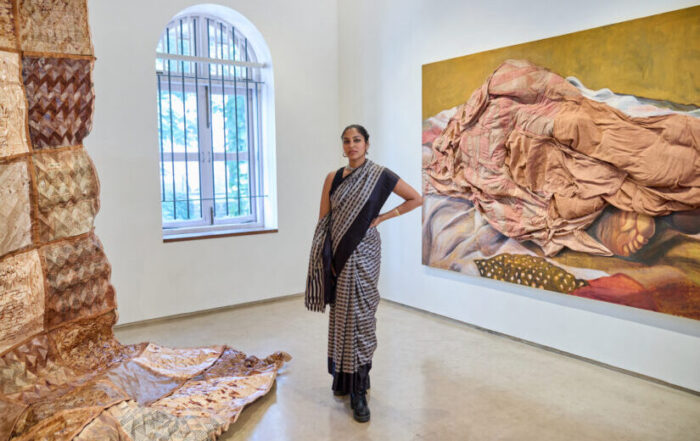
A major result of the liberalisation of the Indian economy in 1991 was a surge in economic and cultural exchange between India and the world. Globalisation ushered in a sharp increase in the prices and sales of Indian art during the Indian Art Boom of the early 2000s. The Boom period established the careers of several emerging artists in India following the work of writers like Geeta Kapur, who laid out a historical backdrop of Indian Modernism. This sparked an academic interest in cultural production amidst the newly opened, fast-growing Indian economy, allowing for financial speculation on contemporary Indian art. Due to the rapid changes in the commercial infrastructure for Indian art, the Boom period is often criticised as the beginning of an era of opportunism, exclusivity and elitism in the Indian art community.
Artists of the time commented on changes in Indian consumption patterns and visual culture following liberalisation. They built on Modernist questions on how a nation is built, identified visible signs of India’s ascendant urban middle class, developed a vocabulary of symbols that emerged from uniquely Indian modernity and its tense relationship with the past, and exposed regional class and caste politics on large and small scales.