-
ChicagoMaurya, Shrey. "A Royal Obsession: Emperor Jahangir and his Wine Cups." Impart Perspectives, September 20, 2021. https://imp-art.org/perspectives/dispatches/the-emperor-and-his-wine-cups/
-
MLAMaurya, Shrey. "A Royal Obsession: Emperor Jahangir and his Wine Cups." Impart Perspectives, Sep. 20, 2021, https://imp-art.org/perspectives/dispatches/the-emperor-and-his-wine-cups/. Accessed 3 Mar 2026.
-
HarvardMaurya, S. (2021) A Royal Obsession: Emperor Jahangir and his Wine Cups, Impart Perspectives. Available at: https://imp-art.org/perspectives/dispatches/the-emperor-and-his-wine-cups/ (Accessed: 3 March 2026).
A Royal Obsession: Emperor Jahangir and his Wine Cups
Jahangir’s drinking is documented in numerous paintings and engraved coins. His wine cups were mostly made of jade, a material associated with luxury, and sourced from the faraway kingdoms of Khotan and Kashgar, now in China.
By Shrey Maurya
Link copied!
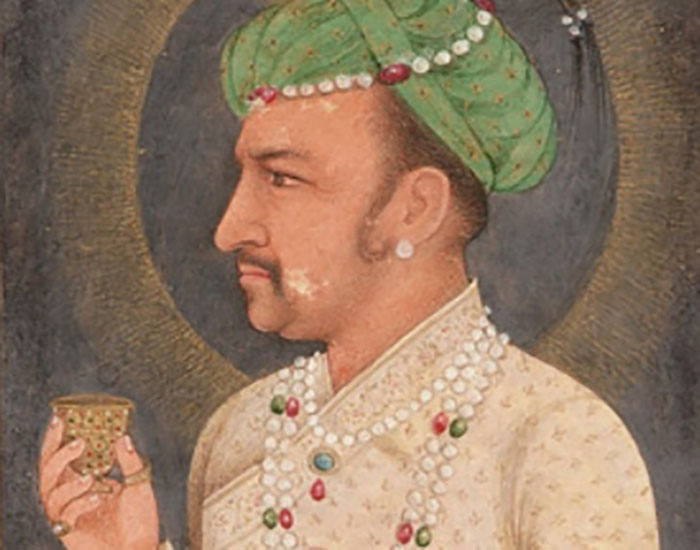
Often inscribed with poetry, monograms or the emperor’s name, Emperor Jahangir’s (1569–1627) wine cups are made of jade and jade-like materials, in various shades of green. Jade was extremely rare and it was sourced from the faraway Khotan and Kashgar in present-day Xinjiang, China. The material was associated with luxury meant for and affordable to royalty and noblemen and used to make dagger and sword hilts, vessels and other such objects.
Among various cups that the emperor used, one stands out. Carved in rare white jade, this cup bears inscriptions that name both ‘Ala ud-Daulah, a Timurid ruler, to whom it first belonged to and Jahangir, who came to own it, nearly 175 years later.
Although banned by Quranic laws, the consumption of alcohol was a cultural phenomenon that flourished in Mughal courts. We see evidence of Jahangir’s drinking in numerous paintings and engraved coins, where he is shown with a cup of wine in hand. More importantly, however, we know this because he wrote about it in his autobiography, the Jahangirnama.
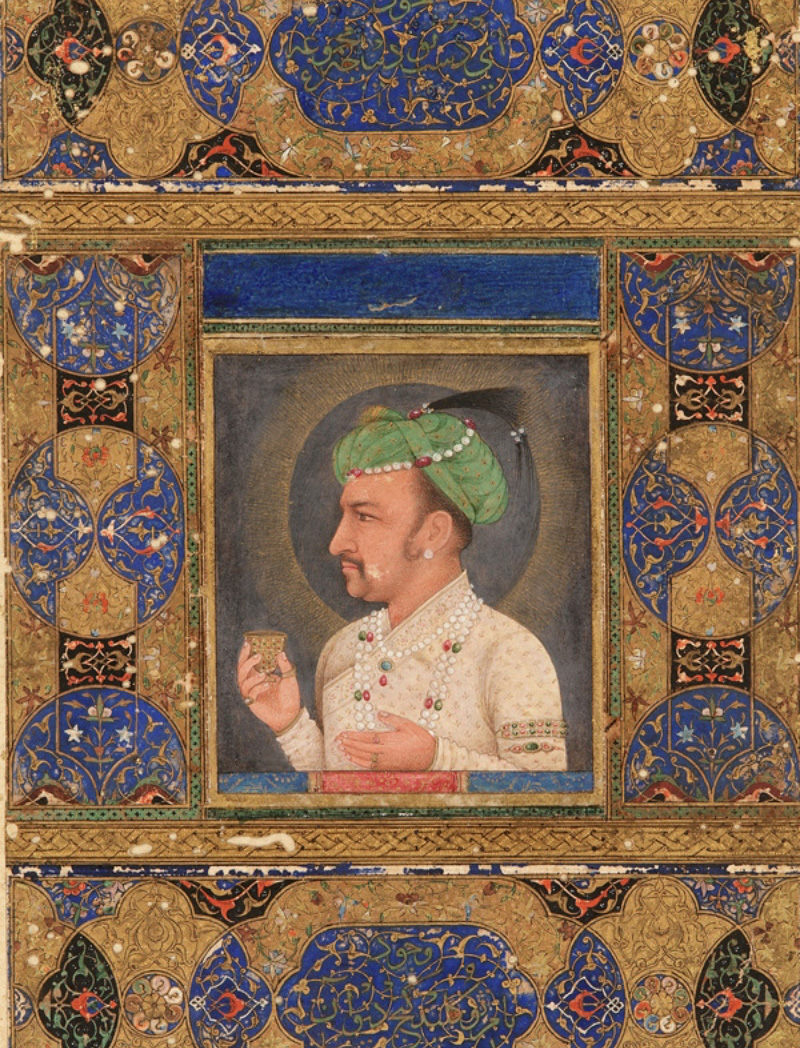
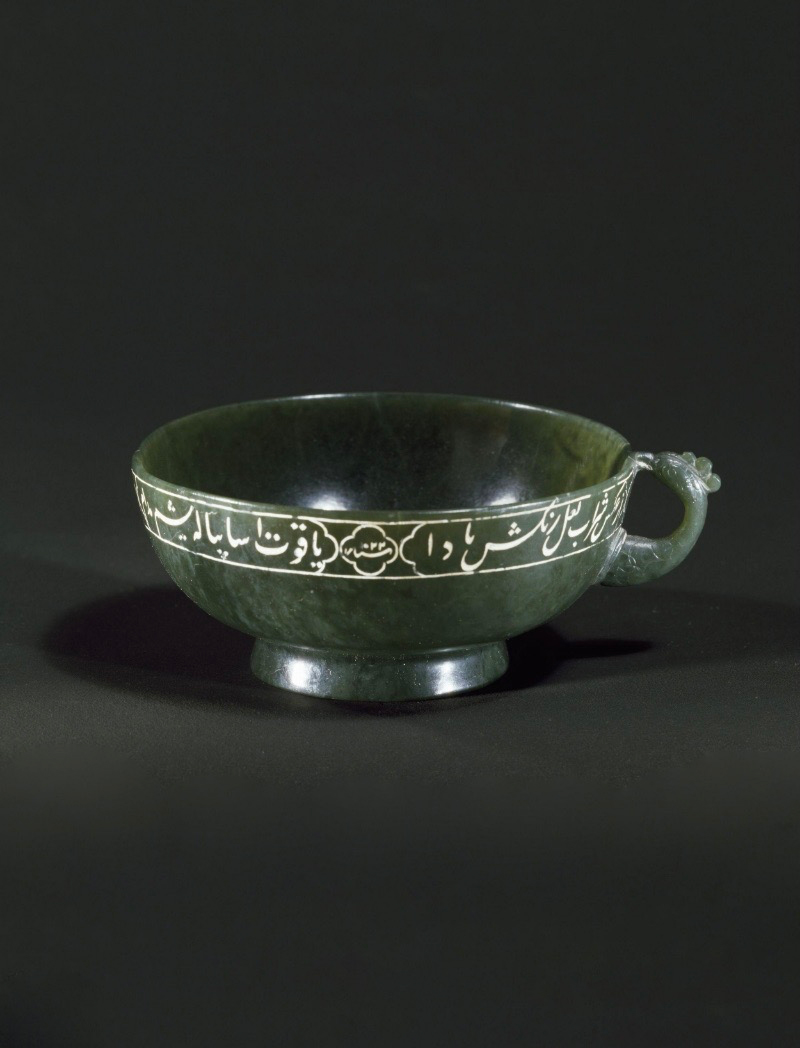
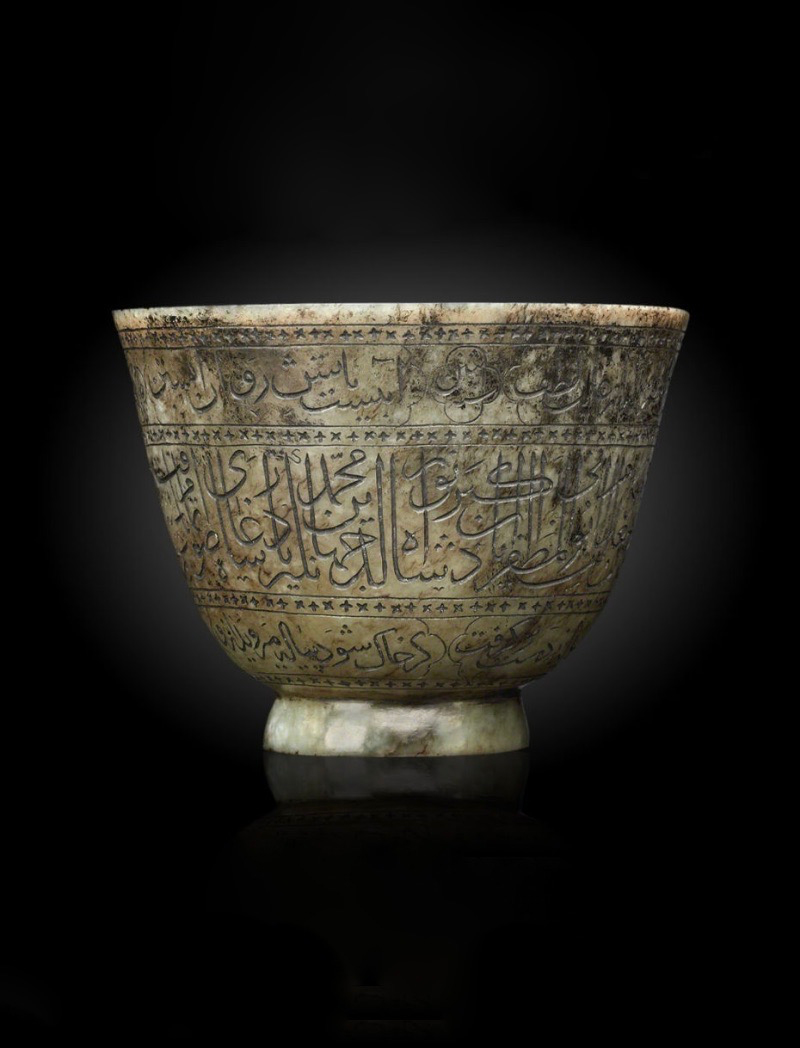
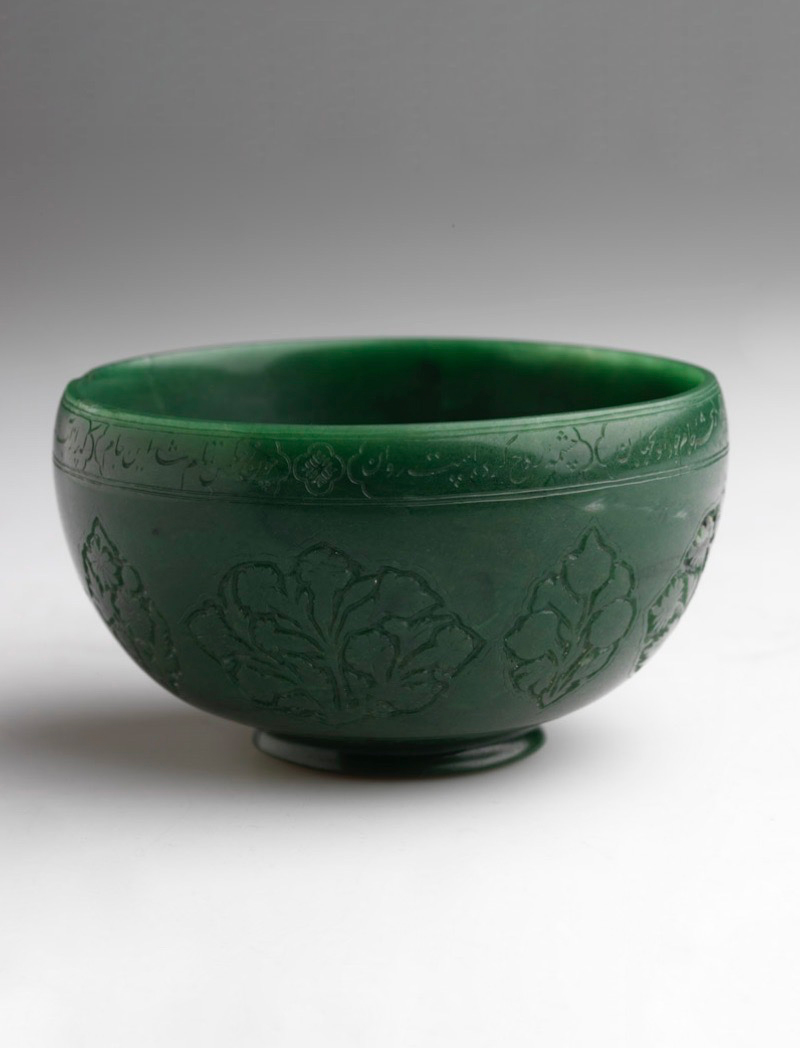
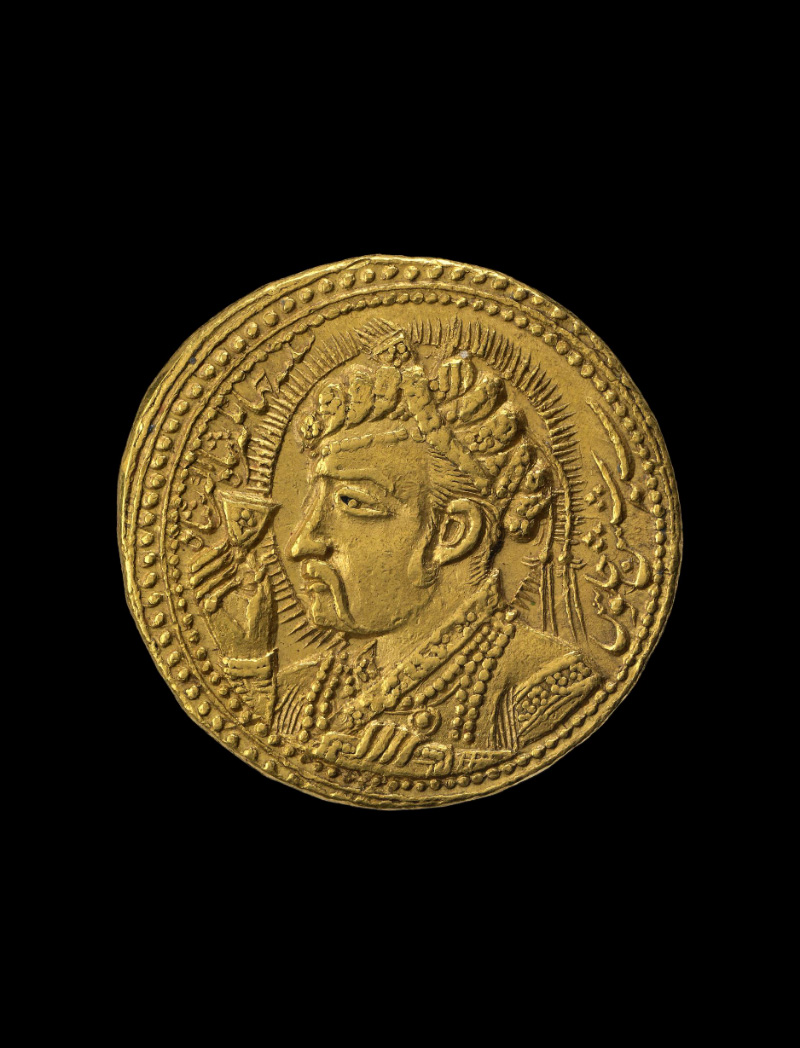
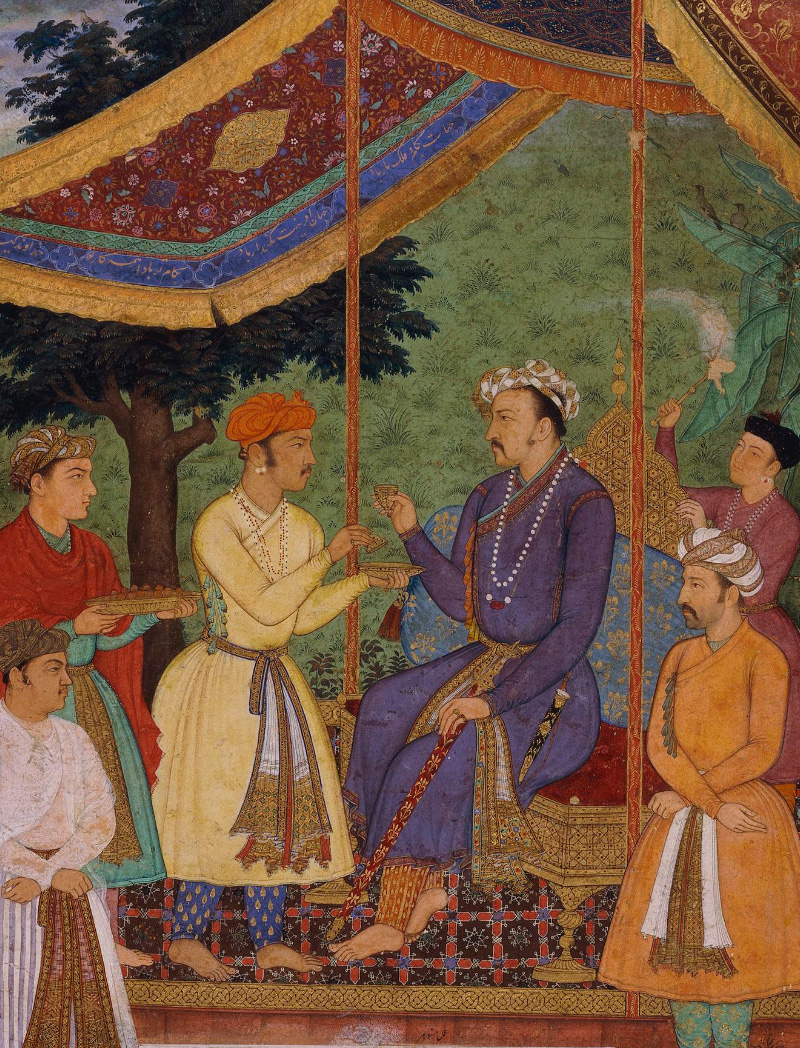
He writes that he took his first sip of alcohol at the age of eighteen, and within nine years, was completely dependent on it — his hands would often tremble, requiring someone to hold a cup to his lips so he might continue drinking. Eventually, the royal physician Hakim Humam informed him that he wouldn’t last another six months if he continued to drink that way. Jahangir then went on to cut down on his alcohol, methodically measuring and recording his consumption.
Over the course of seven years, the emperor managed to go from twenty units of distilled spirits a day to six units of wine and spirit concoctions and consumed nearly two grams of opium — combining it with saffron, honey, spikenard and other spices. However, he never managed to quit drinking entirely, continuing his habit right until his death.
First published: September 20, 2021