-
ChicagoSurana, Pallavi. "True Crime and Art: Kalighat Paintings on the Tarakeshwar Murder Trial." Impart Perspectives, June 30, 2021. https://imp-art.org/perspectives/dispatches/murder-and-art-the-kalighat-paintings-of-the-tarakeshwar-murder-trial/
-
MLASurana, Pallavi. "True Crime and Art: Kalighat Paintings on the Tarakeshwar Murder Trial." Impart Perspectives, Jun. 30, 2021, https://imp-art.org/perspectives/dispatches/murder-and-art-the-kalighat-paintings-of-the-tarakeshwar-murder-trial/. Accessed 3 Mar 2026.
-
HarvardSurana, P. (2021) True Crime and Art: Kalighat Paintings on the Tarakeshwar Murder Trial, Impart Perspectives. Available at: https://imp-art.org/perspectives/dispatches/murder-and-art-the-kalighat-paintings-of-the-tarakeshwar-murder-trial/ (Accessed: 3 March 2026).
True Crime and Art: Kalighat Paintings on the Tarakeshwar Murder Trial
The Tarakeshwar murder trial, which centred around an extramarital affair and a crime of passion, captivated the public in Calcutta in 1873 and inspired several Kalighat style paintings.
By Pallavi Surana
Link copied!
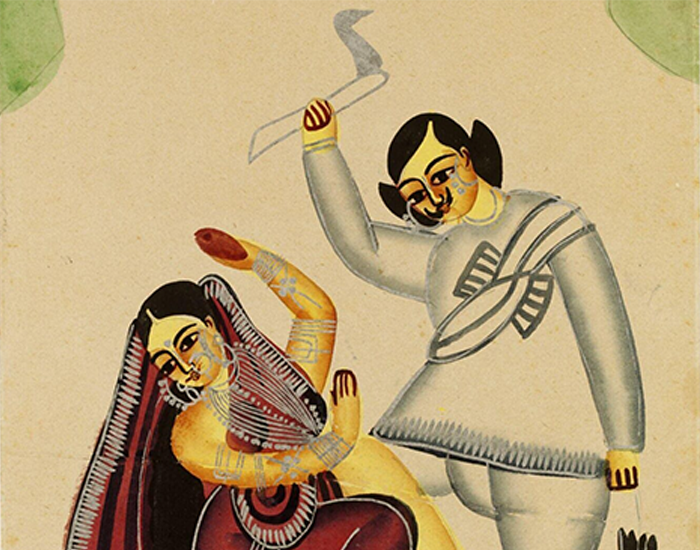
Jealous husband Nabin about to deliver the fatal blow to wife Elokeshi (detail); Kalighat, Kolkata, Undivided Bengal; 1890; Watercolour and tin alloy on paper. Courtesy Victoria and Albert Museum
The Kalighat style, borne out of the changing society of nineteenth-century Calcutta (now Kolkata), was a popular medium among the patuas (painters) who worked in the vicinity of the Kalighat temple. These artists, who had arrived from rural villages in Bengal, began producing paintings that were a reflection of the community’s relationship with mythology and local history.
Characterised by bright colours and deft brushstrokes, these paintings were particularly easy to reproduce using lithography, allowing them to spread widely. A particular theme covered in Kalighat paintings was true crime. The Tarakeshwar murder trial, which captivated the public in Calcutta in 1873, was one example of a sensational event being particularly well covered in such paintings.
The trial involved Nabinchandra Banerji, who was accused of murdering his wife Elokeshi over her extramarital affair with the chief priest or mahant of the Shiva temple in Tarakeshwar. Kalighat paintings made during the time depict the events surrounding the trial — from the seduction of Elokeshi and her affair with the mahant to Nabin’s beheading of his wife using a fish knife.
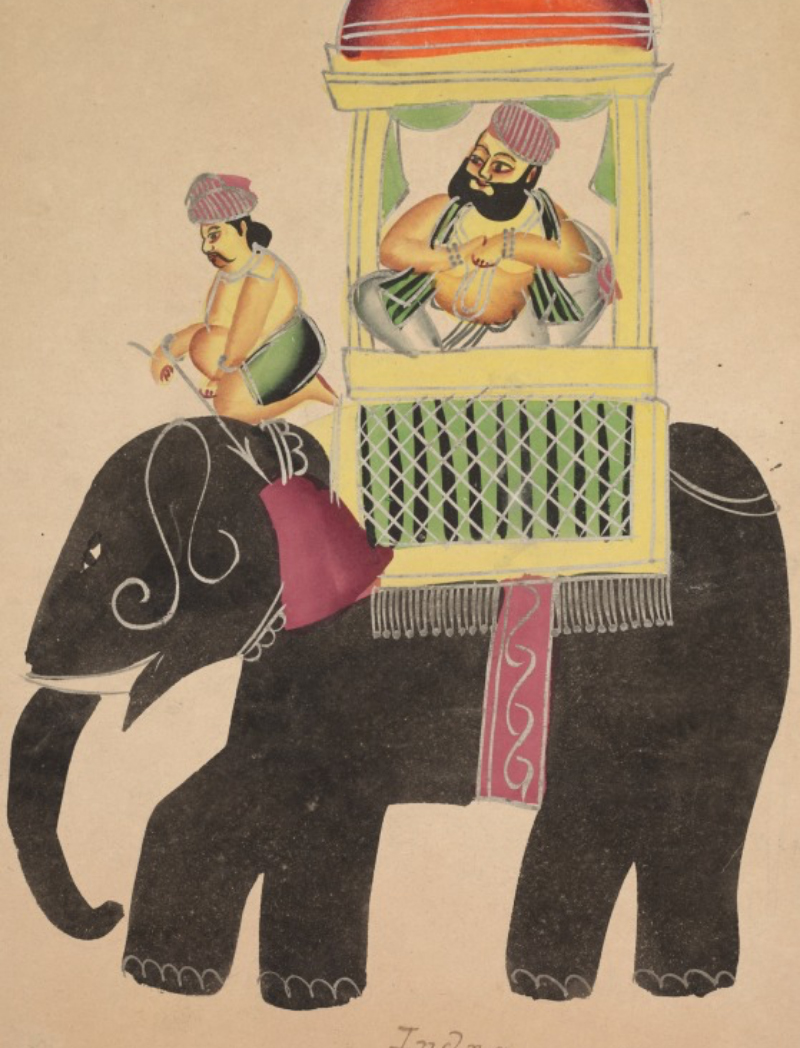
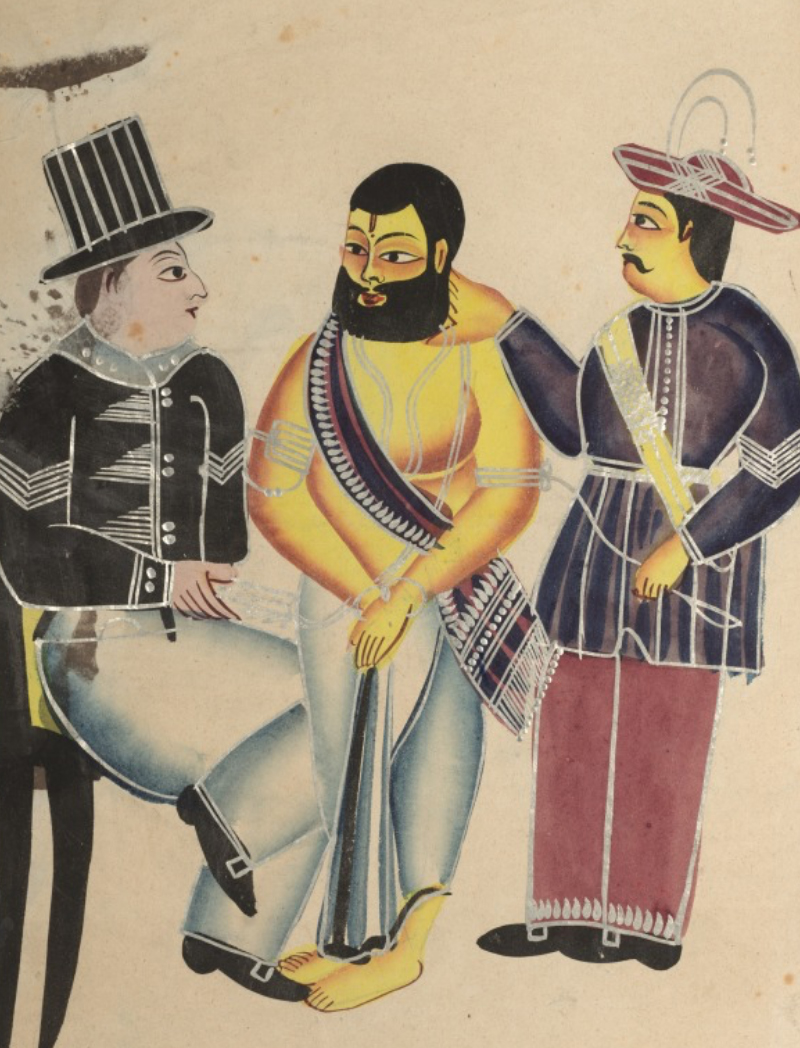
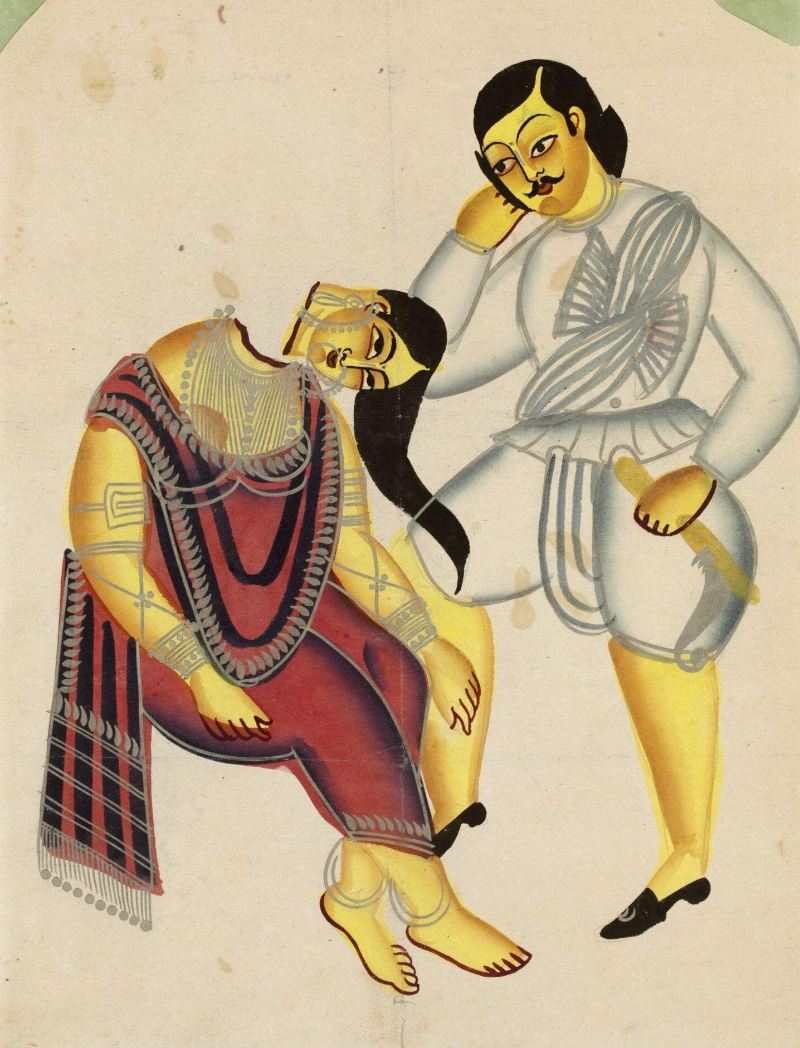
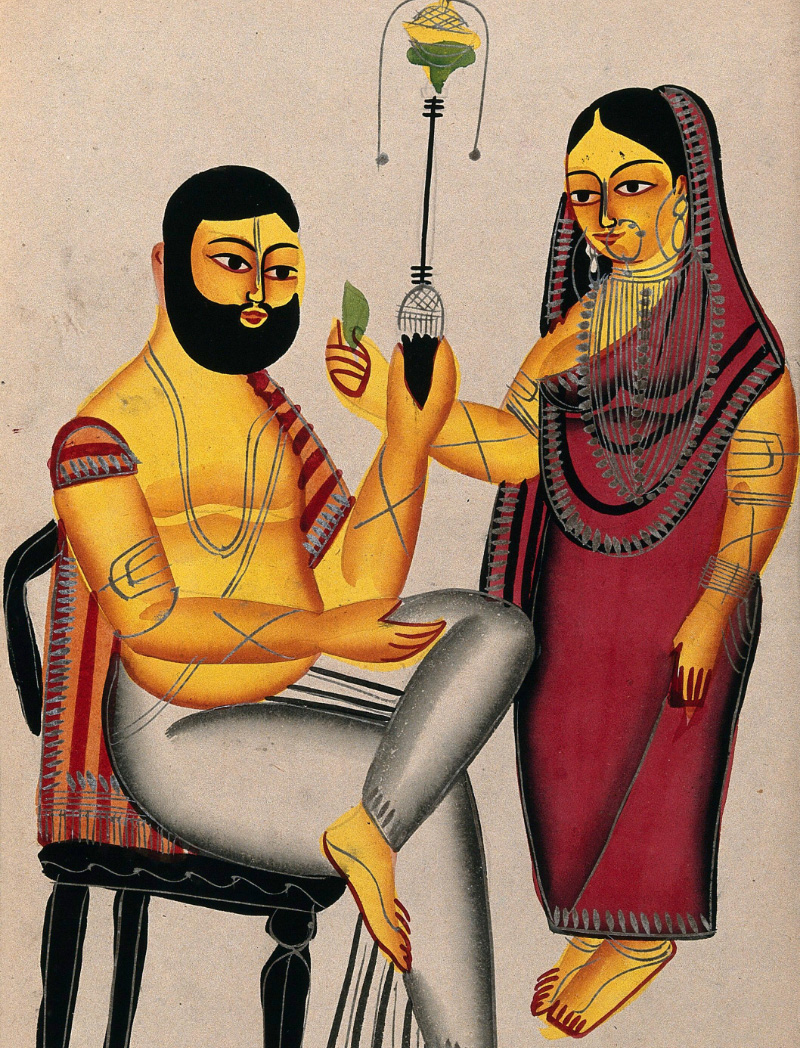
The paintings varied between depicting actual events from the trials to semi-fictionalised exaggerations to bolster the commercial popularity of the prints. These depictions are important reminders of a shared obsession with salacious news stories that continues in popular visual representations today.
First published: June 30, 2021