-
ChicagoNayar, Varun. "Finding the Allegorical ‘Dangling Man’ Across History." Impart Perspectives, May 11, 2022. https://imp-art.org/perspectives/dispatches/dangling-man/
-
MLANayar, Varun. "Finding the Allegorical ‘Dangling Man’ Across History." Impart Perspectives, May 11, 2022, https://imp-art.org/perspectives/dispatches/dangling-man/. Accessed 3 Mar 2026.
-
HarvardNayar, V. (2022) Finding the Allegorical ‘Dangling Man’ Across History, Impart Perspectives. Available at: https://imp-art.org/perspectives/dispatches/dangling-man/ (Accessed: 3 March 2026).
Finding the Allegorical ‘Dangling Man’ Across History
Scholars have attributed the legend of the "Dangling Man" as a Christianisation of the story of the Buddha, with the name of Saint Ioasaph being a corruption of the term “bodhisattva," but the figure may have an even older origin story.
By Varun Nayar
Link copied!
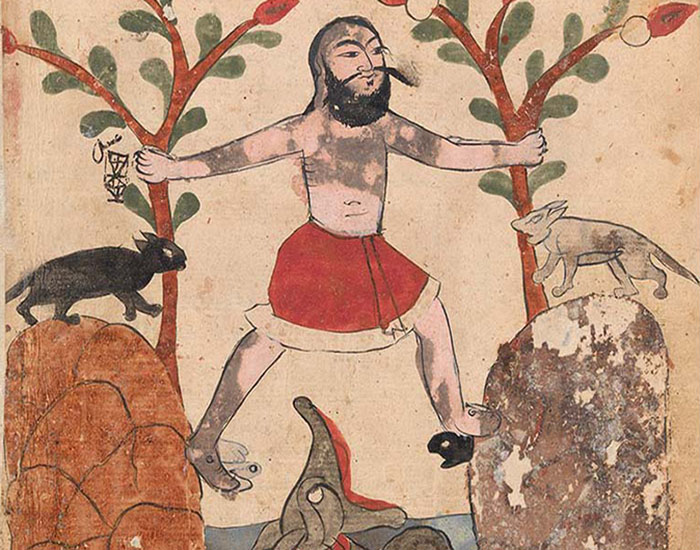
Man's Fate or the Man Taking Refuge in a Well Inhabited by a Dragon (Folio from a Kalila wa Dimna); Attributed to Gujarat, India, probably based on an Egyptian original; Second quarter of the 16th century; Ink and opaque watercolour on paper; 22.6 x 31.8 cm; The Metropolitan Museum of Art
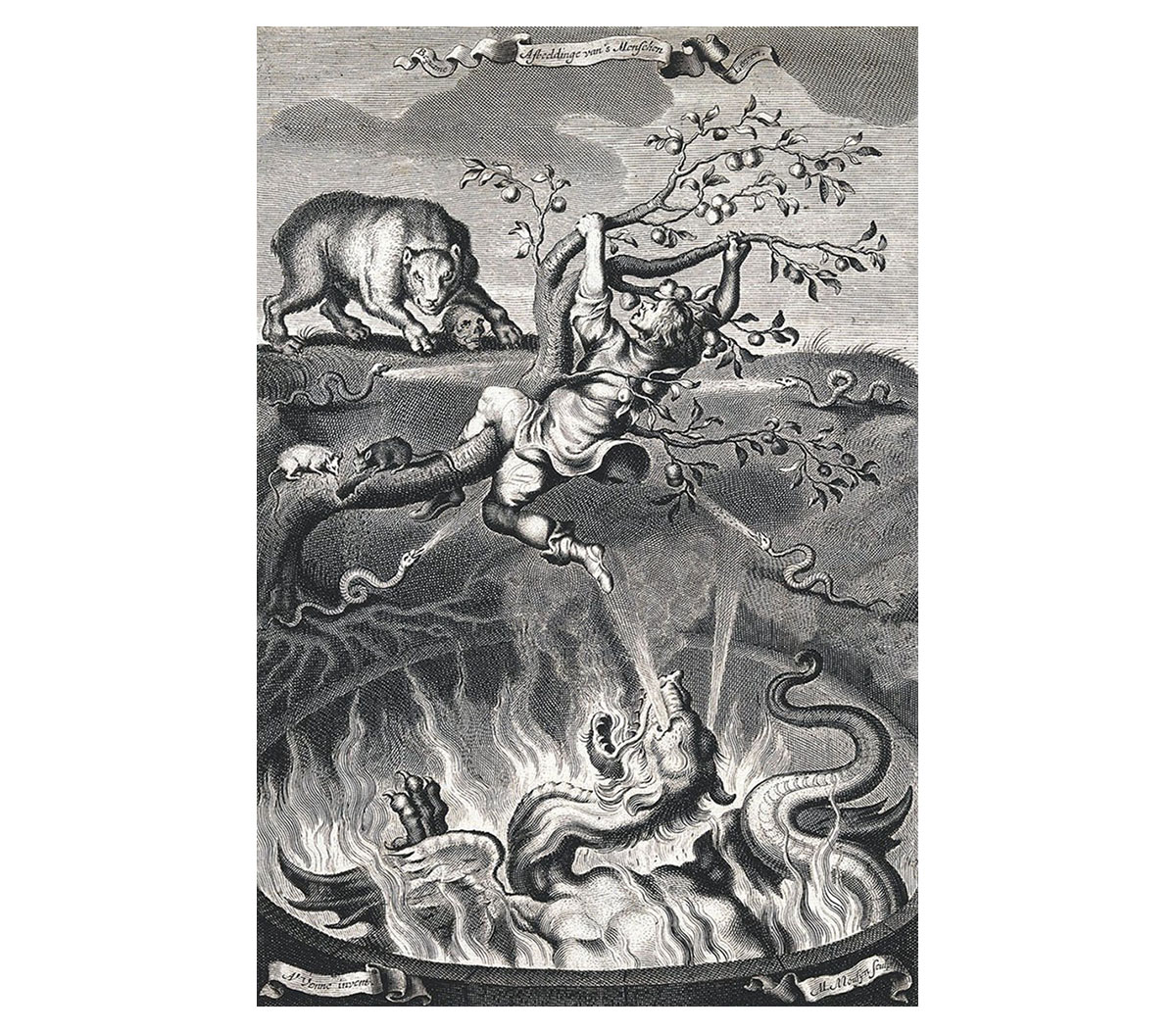
A man hangs from a tree, pursued by a beast accompanied by snakes on the ground while a dragon-like monster hisses at him from a fiery pit below. Further along the tree, two mice, one white and one black, gnaw at the branch where he hangs.
This 17th-century emblem — allegorical illustrations were popular in continental Europe at the time — was engraved from an original by the Dutch Golden Age painter Adriaen van de Venne, but its source material is far from European. The original first appears in a 1655 book by the writer Jacob Cats, who Van de Venne sometimes illustrated for, and references the Greek legend of Barlaam and Ioasaph, popularly (but not unanimously) attributed to the 7th century Syrian monk John of Damascus. In one of the stories in the legend, the scene reappears: the tree, the man, the snakes, a monster and “two mice, the one black, the other white.” There’s also honey dripping on the dangling man’s tongue, making him forget the surrounding danger.
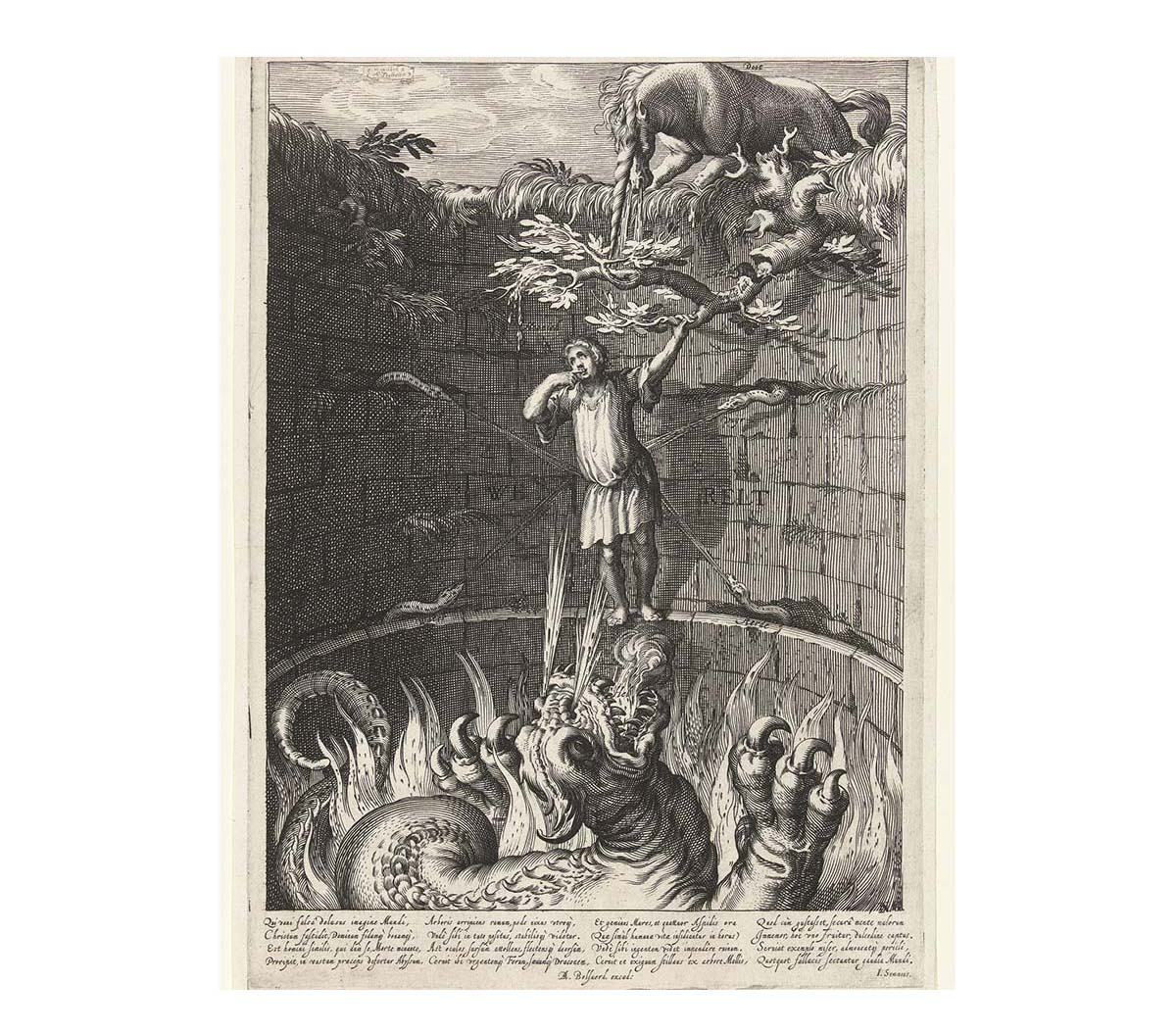
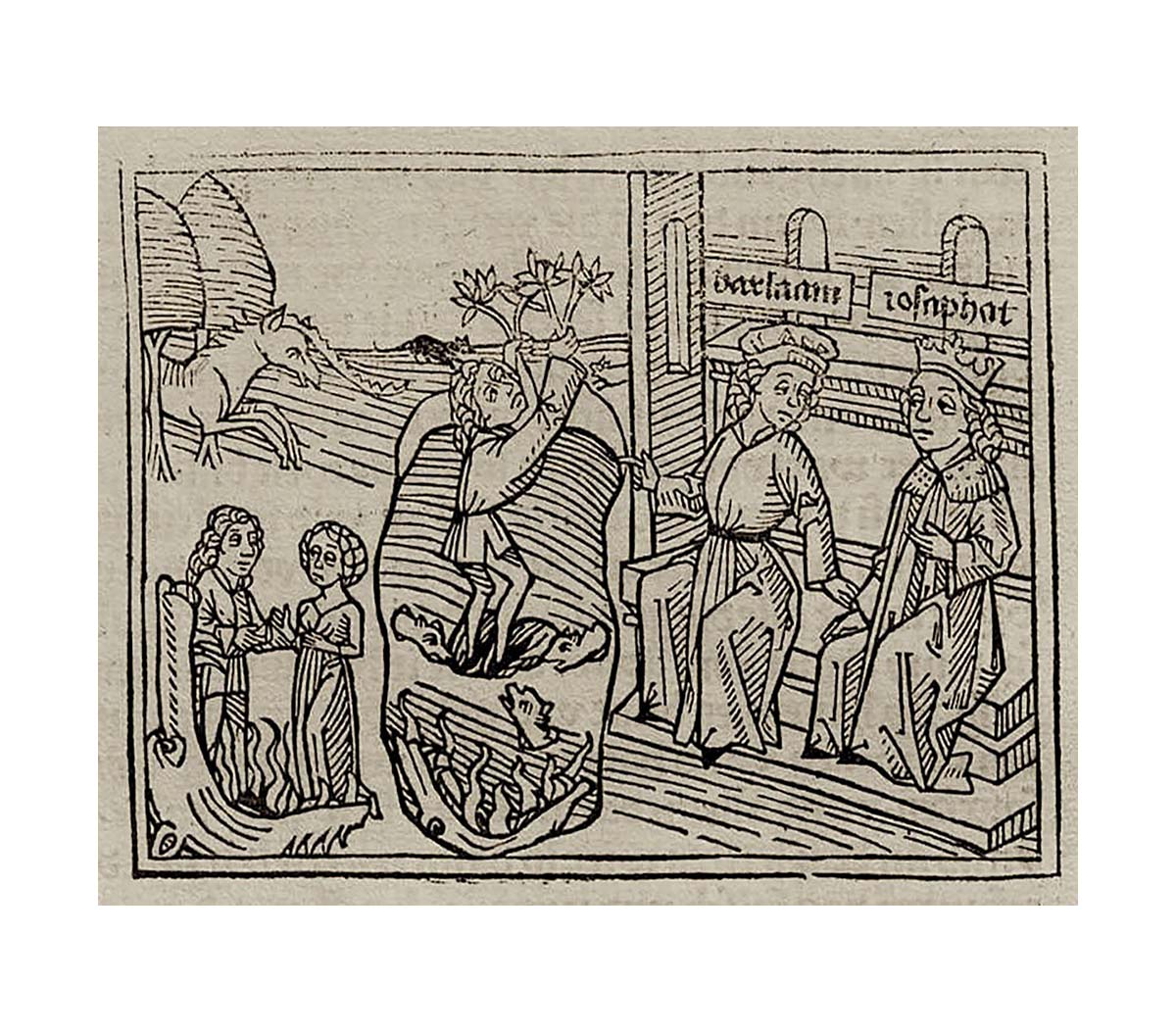
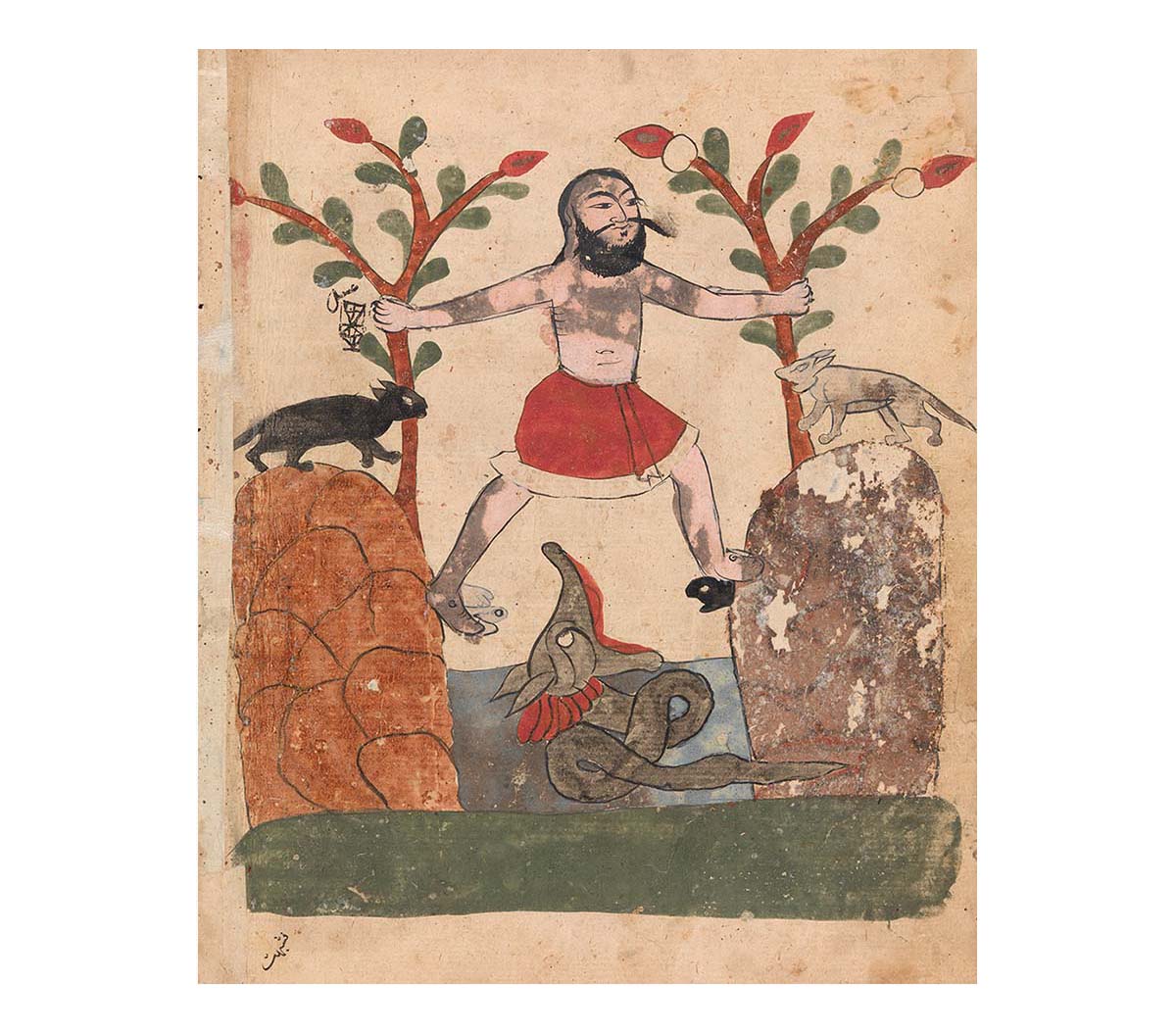
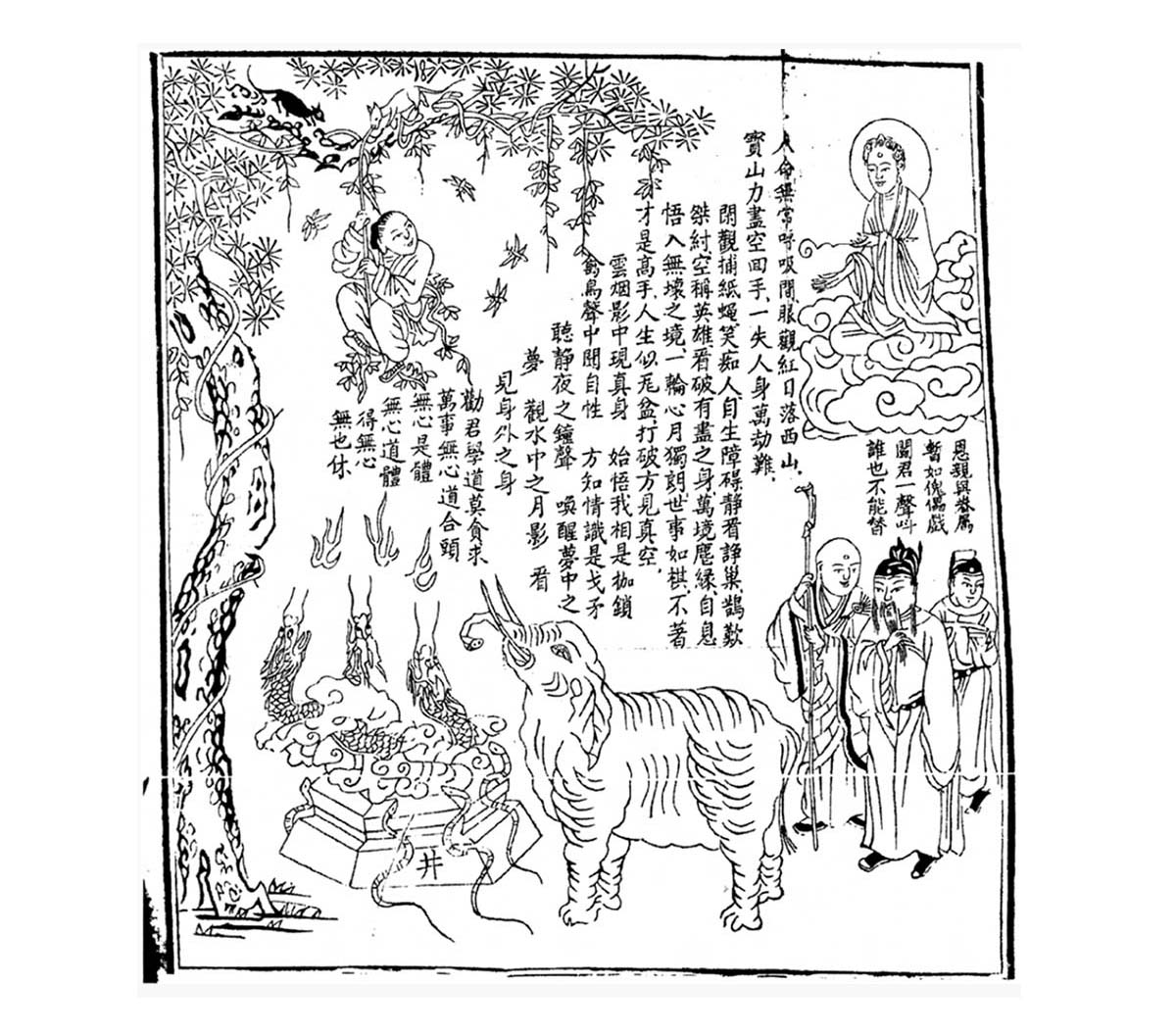
Scholars have attributed the legend as a Christianisation of the story of the Buddha, with the name of Saint Ioasaph being a well-traveled corruption of “bodhisattva.” Before its Arabic, Greek and Latin transpositions, the story travelled widely, and was reinterpreted by the Japanese, Chinese and along the Silk Road, where it also found audiences with the Manichees.
This takes us further back, to the Indian subcontinent, and possibly the Mahabharata, wherein Vidura uses the dangling man to tell the blind king Dhritarashtra of the “wilderness of life,” with the story featuring a formidable elephant, a five-headed snake in a pit, dripping honey and, of course, the two mice. This being just one possible source of a story that was drawn on by Jains, Hindus and Buddhists alike in its earliest form. Two of the earliest sourced pictorial representations are in Nagarjunakonda and Amaravati.
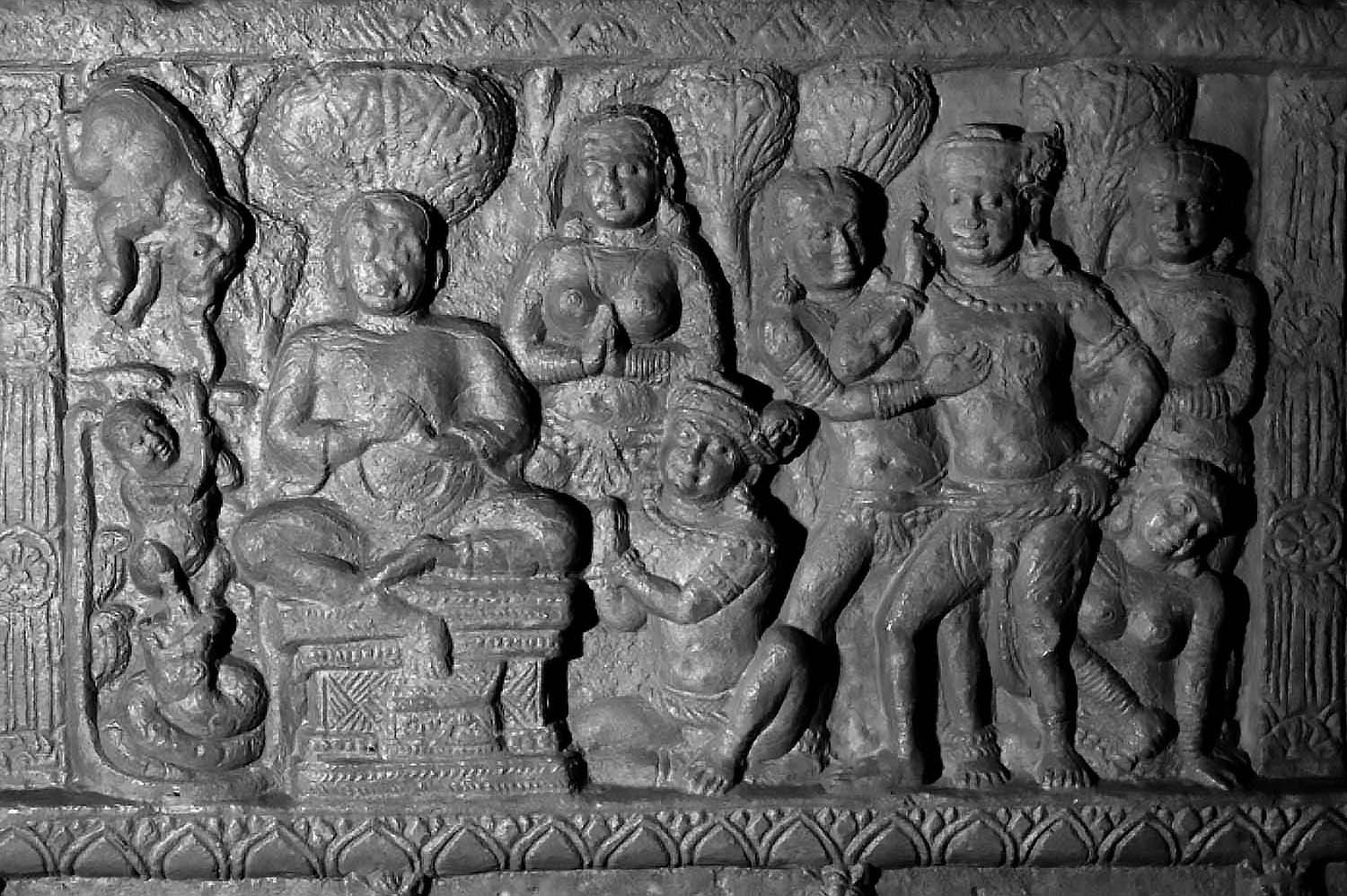
In a more recent chapter in this global web of references, we find a depressed Leo Tolstoy in his book A Confession (1882), where he conjures the dangling man from an “old Eastern fable.” It’s all there, once again, right down to the mice. “I clearly see the dragon,” he laments, “and the honey has lost all its sweetness.”
First published: May 11, 2022