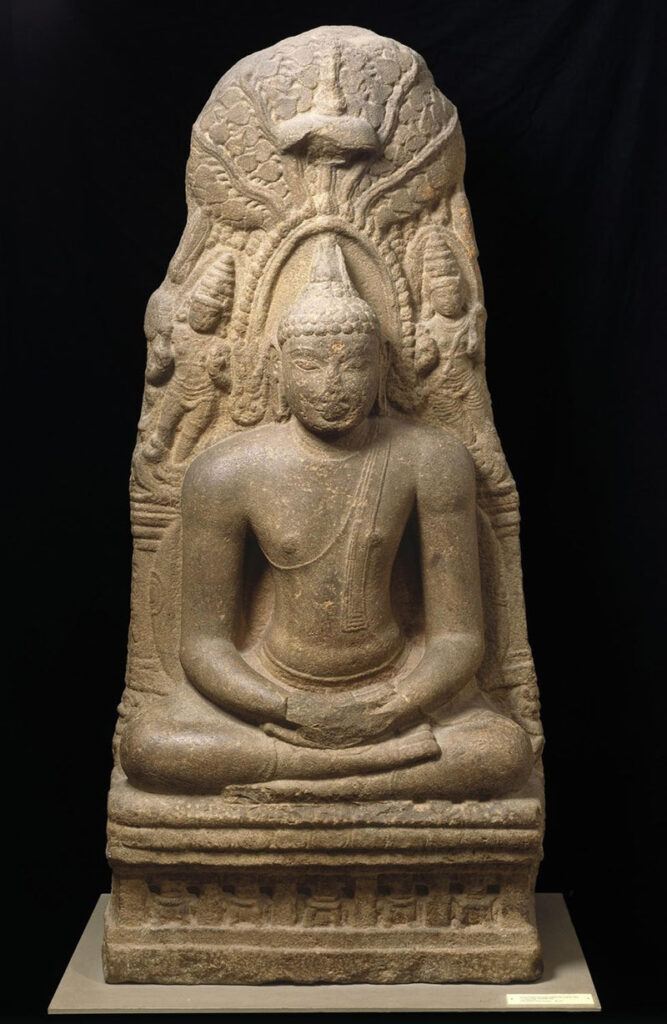
Also called vimoksha, vimukti, mukti and nirvana, it is an Indian philosophical concept that signifies liberation from the cycle of death and rebirth, known as samsara, and is shared in the views of religions such as Hinduism, Buddhism, Jainism and Sikhism. It also implies freedom from ignorance as a process of self-realisation.
More Definitions
Rigveda
Earliest extant text from the Vedic corpus, dated roughly between 1700 and 1200 BCE. Like the other Vedas, the Rigveda…
Stithi
Meaning "preservation" or "existence" in Sanskrit, it is one of the cosmic acts of the deities in the Hindu religious…
Krishna’s Lila
Anecdotes and narratives around the life of the Hindu god Krishna. The stories are derived from different textual and epic…
Gita Govinda
A Sanskrit poetic epic that describes the love between the Hindu god Krishna, his chief consort Radha and the gopikas…
Purusha
The conception of man according to Hindu philosophy as established in the Vedas and the Upanishads. The purusha is a…
Skanda Purana
The largest of the eighteen major Puranas, it comprises over eighty-one thousand verses written honour of Skanda, the son of…
Mahakapi Jataka
One of the Jataka tales, it tells the story of the bodhisattva's life as a monkey king who stretched his…
Sangha
A monastic order comprising bhikkhus (monks) and bhikkhunis (nuns), it is one of the Three Jewels of Buddhism. From the…