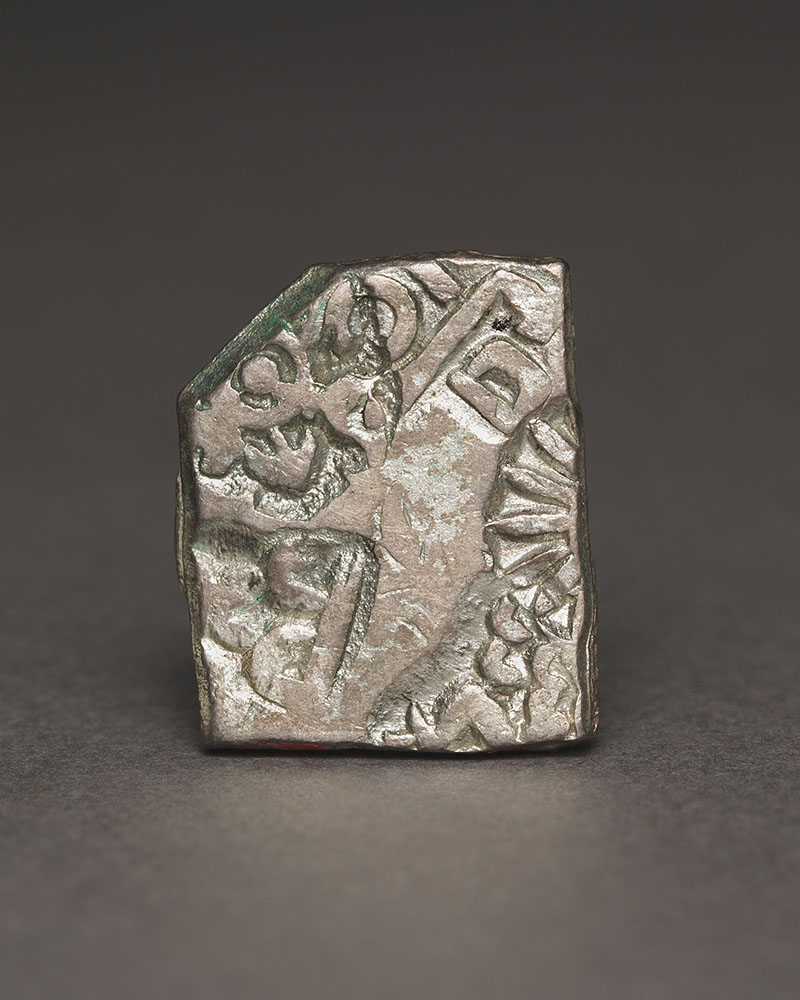
The period between 600 BCE and 300 BCE. In the Indian subcontinent, it was marked by changes in political structure, from the emergence of the Magadha Empire to the arrival of Alexander in the northwestern part of the subcontinent. It also saw the emergence of coinage, the evolution of urban centres and socio-economic classes, and the rise of Buddhism and Jainism as significant religious movements. Textual sources for this period include several Buddhist and Jaina works, as well as the corpus later termed Sangam literature.
More Definitions
Abhinavagupta
Abhinavagupta (c. tenth–eleventh century) was an ascetic, philosopher and aesthetician within the Kashmiri Shaivism tradition.
Eberhard Fischer
Eberhard Fischer (b. 1941) is a German art historian, ethnologist and author renowned for his research in South Asian, African…
Kamala Dongerkery
Kamala Dongerkery (b. 1909; d.1992) was an art and culture historian, social worker and author who worked on Indian embroidery,…
Upper Palaeolithic Period
The final stage of the Palaeolithic period, lasting from roughly fifty thousand to twelve thousand years ago. This period was…
Thomas Holbein Hendley
Thomas Holbein Hendley (b. 1847; d. 1917) was a British medical officer and author on Indian art. He served as…
Vedic Period
The period between the late Bronze Age and the early Iron Age in the northern portion of the Indian subcontinent,…
Sylvain Levi
Sylvain Levi (b. 1863; d. 1935) was a French orientalist and indologist renowned for his work on Eastern religion, literature…
Prehistoric
The period of human existence prior to the invention of writing systems, starting approximately 2.5 million years ago and ending…