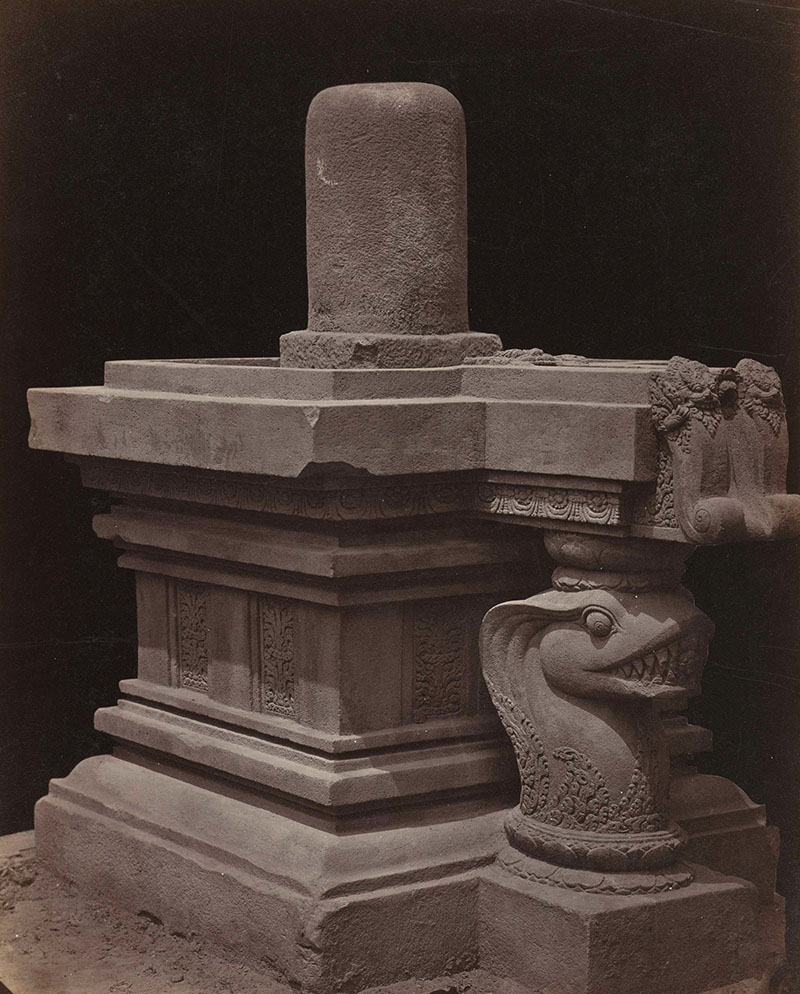
It symbolises the goddess Shakti as well as the feminine procreative power within Hindu iconography. The word itself literally translates to “abode,” “source,” “womb,” or “vagina.” In the sect of Shaivism, the yoni and the lingam (an aniconic form of Shiva) are believed to represent the male and female principles of the universe and, collectively, signify the eternal process of creation and destruction. In Hindu temples, the two often appear together, with the yoni acting as the receptacle on which the lingam lies.
More Definitions
Lakshmi
A deity in the Hindu pantheon, she is the consort of Vishnu, is considered the goddess of wealth and prosperity.…
Sugriva
The son of the Hindu deity Surya in the epic Ramayana and the younger brother of Vali and successor to…
Hermes
Deity of the Greek Olympian pantheon, believed to be the messenger of the gods and a trickster who frequently travelled…
Shadaksari Lokeshvara
A form of the bodhisattva Avalokitesvara, the Shadakshari Lokeshvara is associated with Tibetan Buddhism. He is typically depicted in white…
Skanda
Revered as the God of War within Hindu mythology, he is the son of Shiva and Parvati. Also known as…
Skanda Purana
The largest of the eighteen major Puranas, it comprises over eighty-one thousand verses written honour of Skanda, the son of…
Krishna
A major deity of the Vaishnavite tradition and the eighth avatar of Vishnu. He is believed to have been born…
Brahmanism
A later form of the Vedic religion developed by Indo-Aryan-speaking settlers who migrated from Central to South Asia in the…