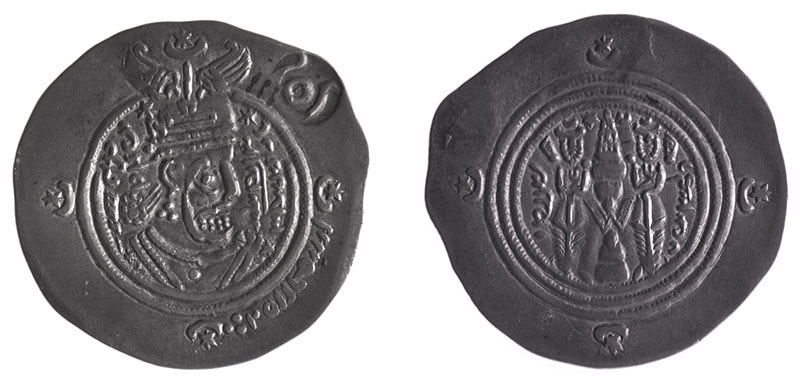
Also known as the White Huns, they were a predominantly nomadic set of people living in Central and South Asia during the fifth and sixth centuries CE. Historical information about their origin, society and culture is unclear and conflicting. They are notable for producing numerous coins imitating those of the Sasanians of Persia.
More Definitions
Shaliya
A traditional Indian artisanal community of weavers, known for their skills in crafting cotton saris and — since the twentieth…
Karigar
A regional term used in parts of northern, central and western India to refer to artisans involved in several crafts,…
Patua
An artisanal community from the eastern states of the Indian subcontinent, primarily West Bengal, Odisha, Bihar and Jharkhand, as well…
Gelugpa
A Tibetan Buddhist monastic order, founded by Je Tsongkhapa in the early fifteenth century. Tsongkhapa along with his disciples founded…
Digambara
Meaning “sky-robed” in Sanskrit, it is one of two major ideologies within Jainism, the other being Svetambara. The two streams…
Mochi
The Hindi term for “cobbler,” it refers to a maker and mender of footwear who typically works with leather. It…
Rajput
A ethnic community from the north-west region of Rajasthan, which was historically known as Rajputana. Rajputs regard themselves as descendants…
Kirata
A Sanskrit term for people inhabiting areas in the Himalayas and the north-eastern regions of the Indian subcontinent. The term…