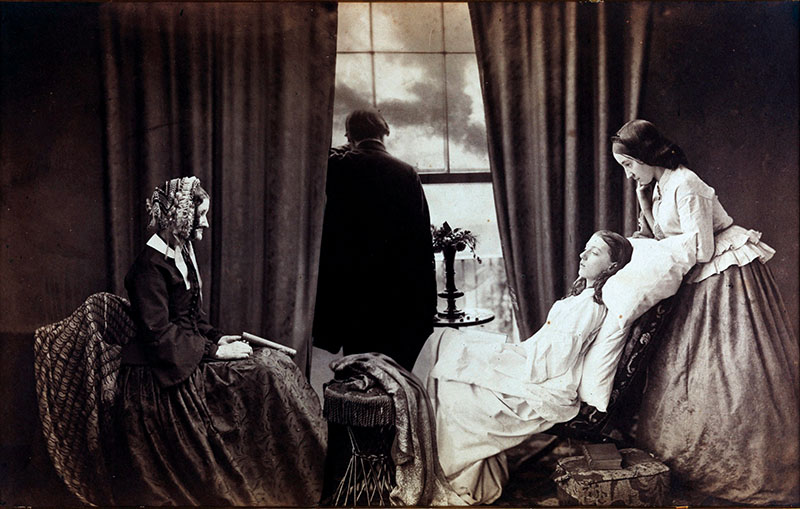
An early photographic technique wherein two or more negative images are combined to create a single image. This technique allowed for additional details to be added through selective exposure, rendering a finer and detailed touch to the images. The method was first proposed by French photographer Hippolyte Bayard in the mid-nineteenth century.
More Definitions
Double Running Stitch
A form of running stitch that is even on both sides of the fabric, used in counted thread embroideries such…
Tintype
A photograph made by creating a positive directly on a thin sheet of black-enamelled metal coated with collodion. They were…
Inlay
An ornamentation technique in sculpture and the decorative arts, where wood, metal, stone and fabric are embedded with different materials…
Cross-Stitch
A type of sewing and embroidery that incorporates x-shaped stitches to create a design. It is considered to be one…
Back Stitch
A variety of the stem or split stitch, wherein individual stitches are made in the opposite direction of the embroidery.…
High Relief
Also known as alto-relievo, it is a technique of relief sculpting where the image projects significantly from the ground. The…
Fluting
Decorative ridges or grooves that are carved along the shaft of a column or pilaster to make it appear rounder…
Zari
A gold or silver thread used in brocade and zardosi designs. It is typically used to decorate silk saris, ghaghras…