-
ChicagoImpart Encyclopedia of Art. "Surpur Painting." October 30, 2023. https://imp-art.org/articles/surpur-painting/.
-
MLA"Surpur Painting." Impart Encyclopedia of Art, Oct. 30, 2023, https://imp-art.org/articles/surpur-painting/.
-
HarvardImpart Encyclopedia of Art (2023) Surpur Painting. Available at: https://imp-art.org/articles/surpur-painting/ (Accessed: 3 March 2026).
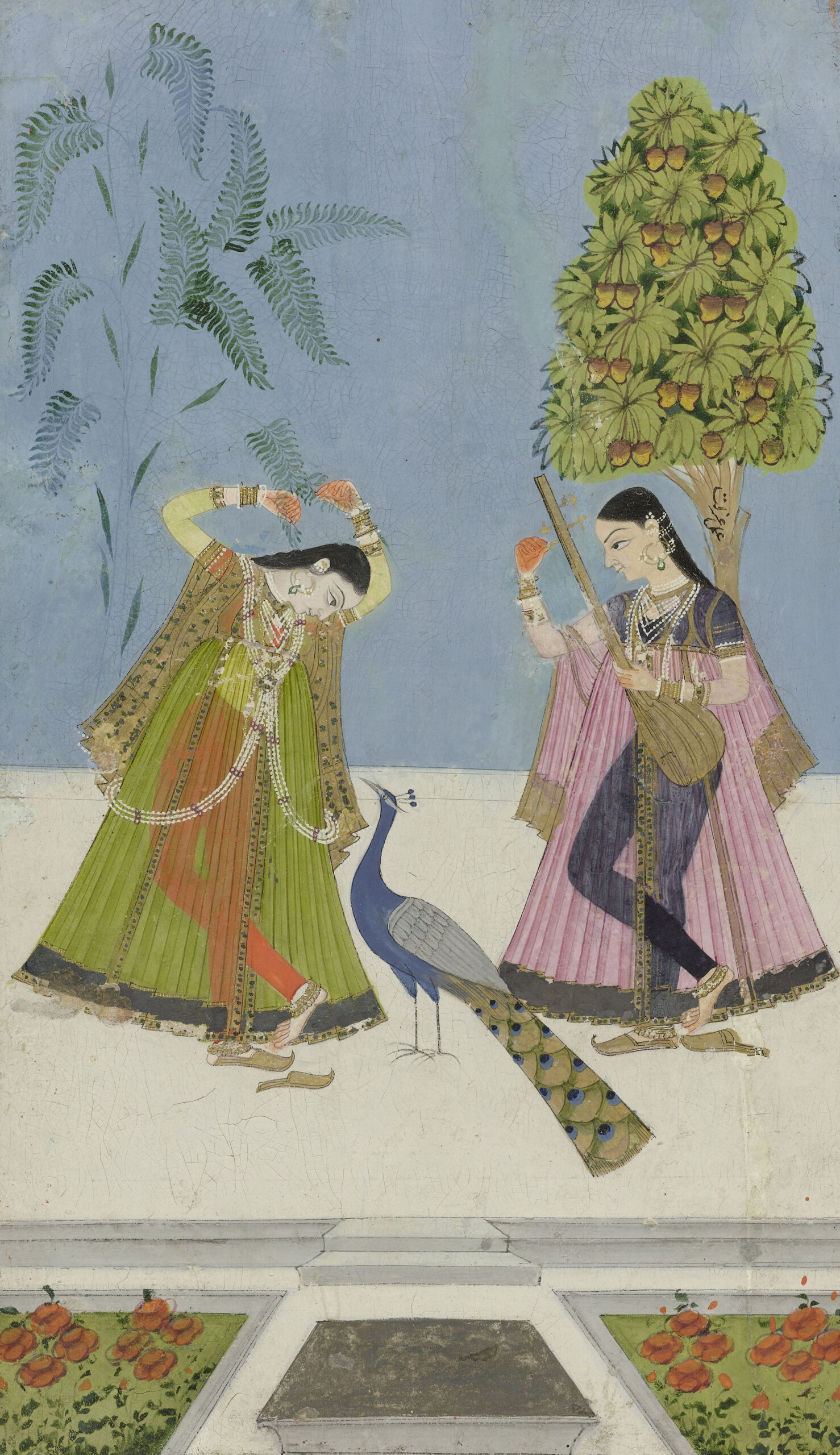
A style of miniature painting from the present-day Yadgir district of Karnataka, India, Surpur, Surapura Garudadri or Shorapur painting was patronised extensively in the seventeenth and eighteenth centuries in the eponymous principality. These paintings are believed to have gained popularity in the region when a group of painters migrated there following the disintegration of the Vijayanagara Empire after the Battle of Talikota in 1565.
The artform flourished under the Surpur ruler Raja Venkatapa Nayak between 1773 and 1858. Described as the cultural golden age in the region, this was the period when miniature painting artists from the Garudadri family migrated from present-day Andhra Pradesh to Shorapur. The artistic style of the Garudadri family bore influences from Golconda miniatures.
The painting style bears strong similarities to Mysore and Tanjore styles, including the use of gesso, bright colours, and embellishments such as gold leaf and semi-precious stones. Most Surpur paintings depict Hindu religious and mythological figures, with a focus on Vaishnava subjects. Some artists received patronage from kings, noblemen, rich artists and temples to create paintings. With the arrival of photography as a courtly interest in the nineteenth and early twentieth centuries, some artists were also commissioned to paint over photographs in the Surpur style. The influence of Golconda miniatures is visible in the more secular themes. Until recently, murals in the style were found at the local temples, as well as at the residences of royalty.
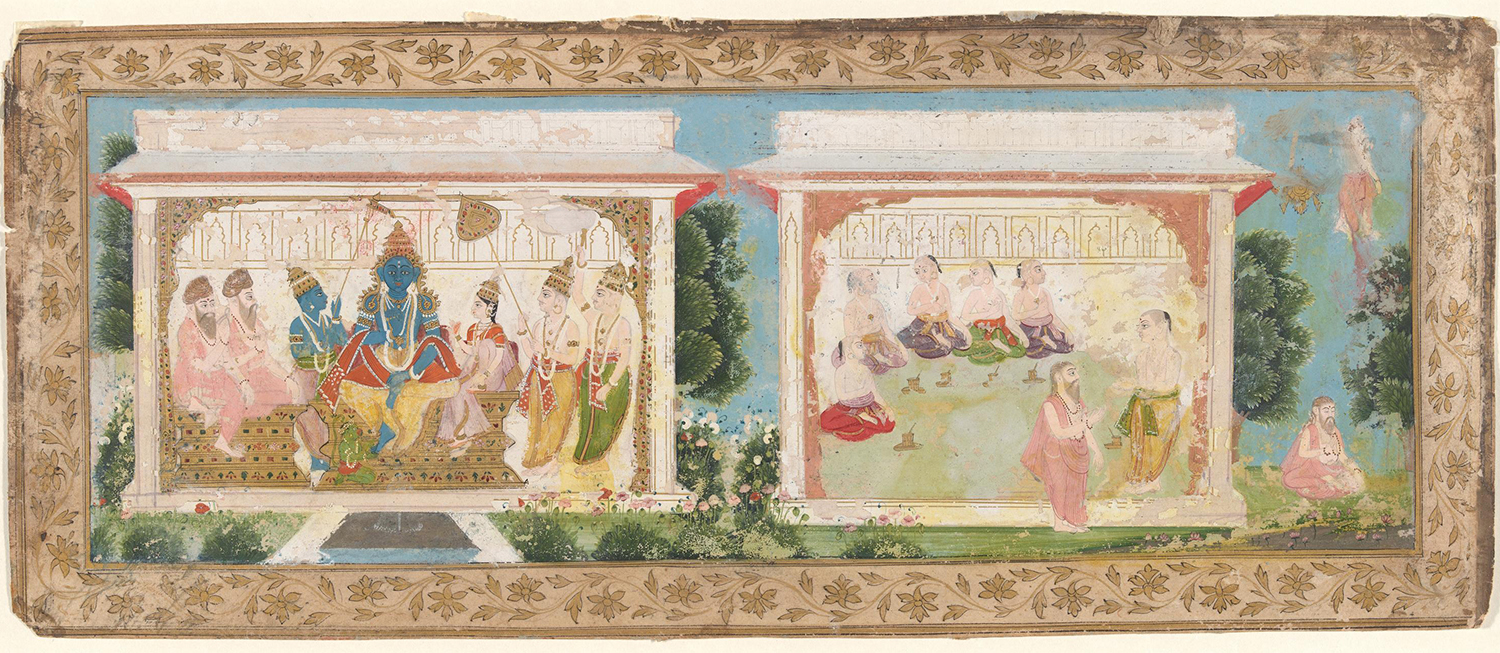
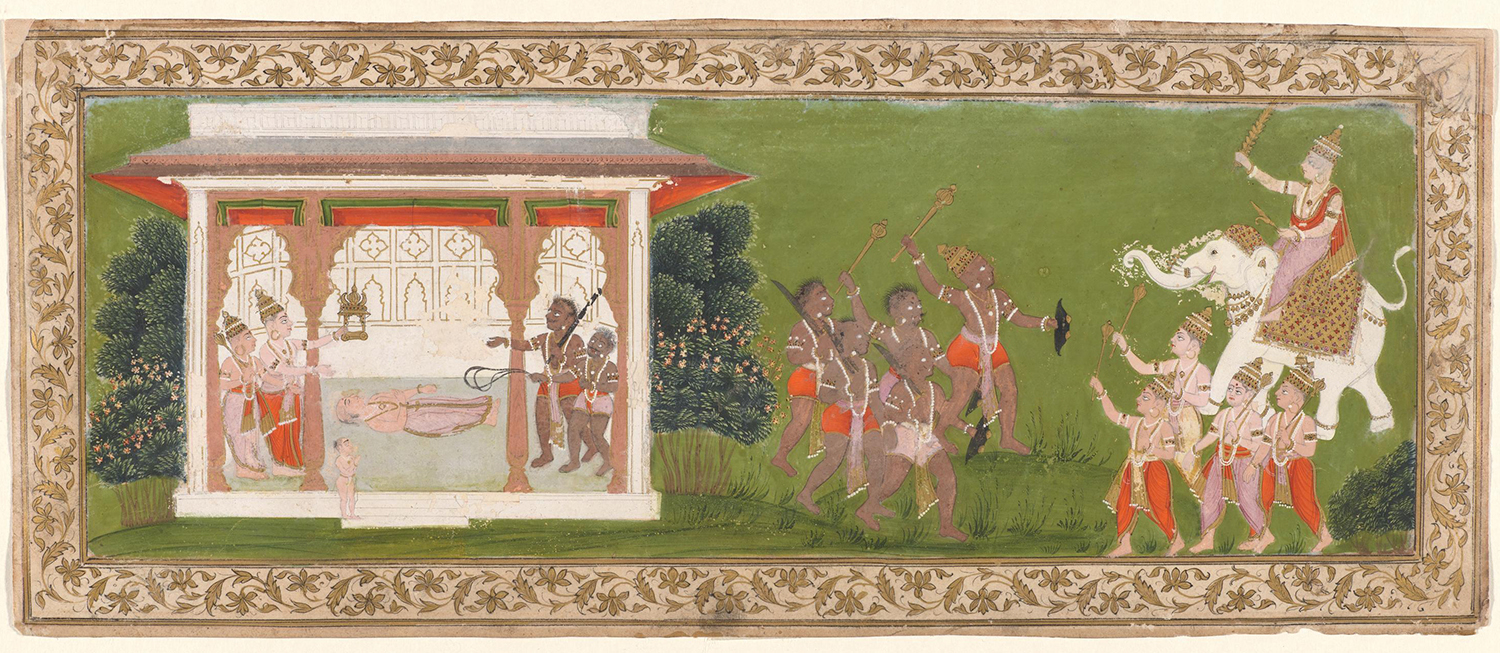
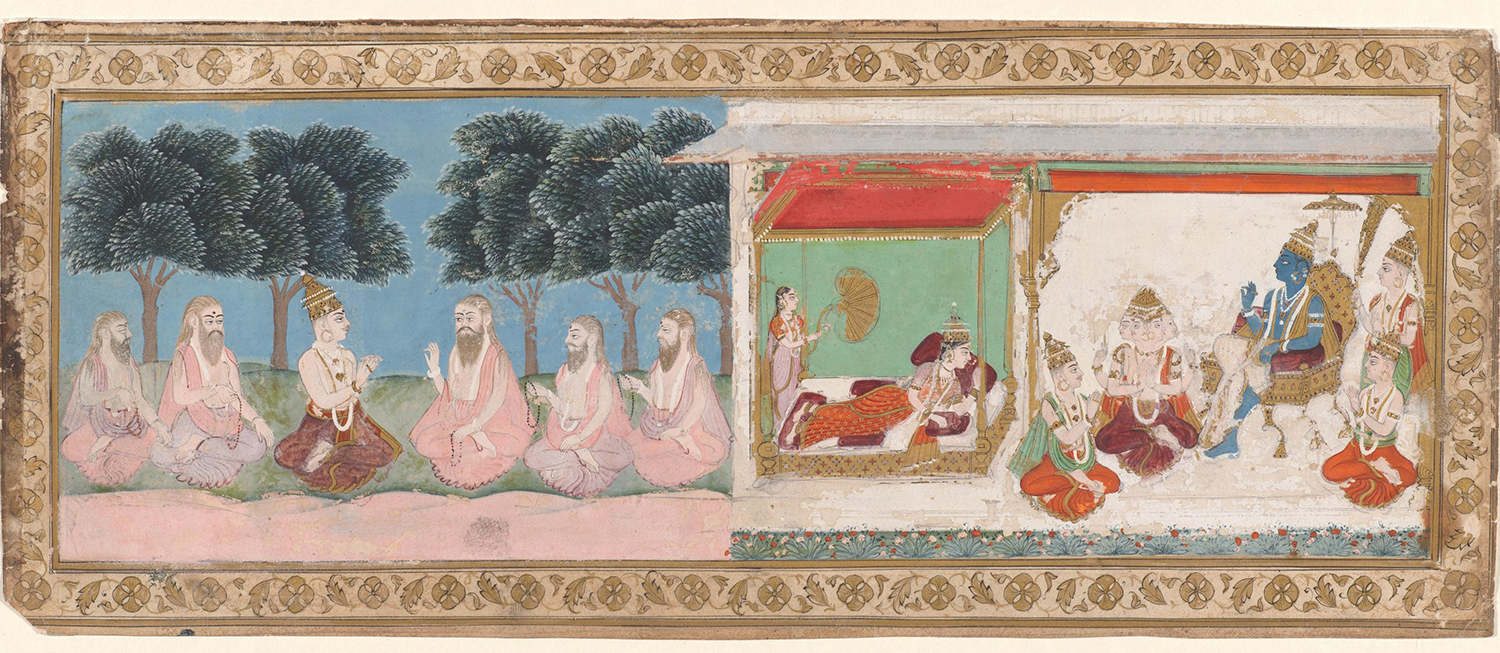
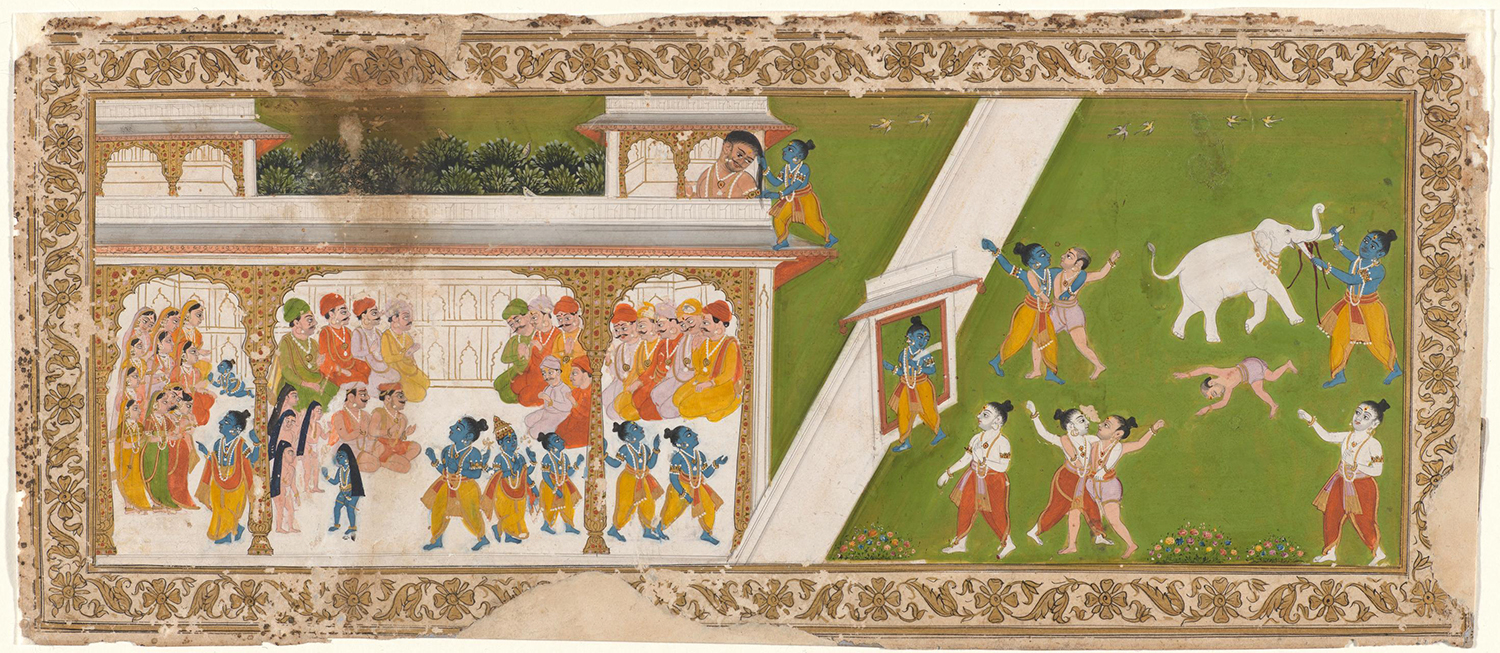
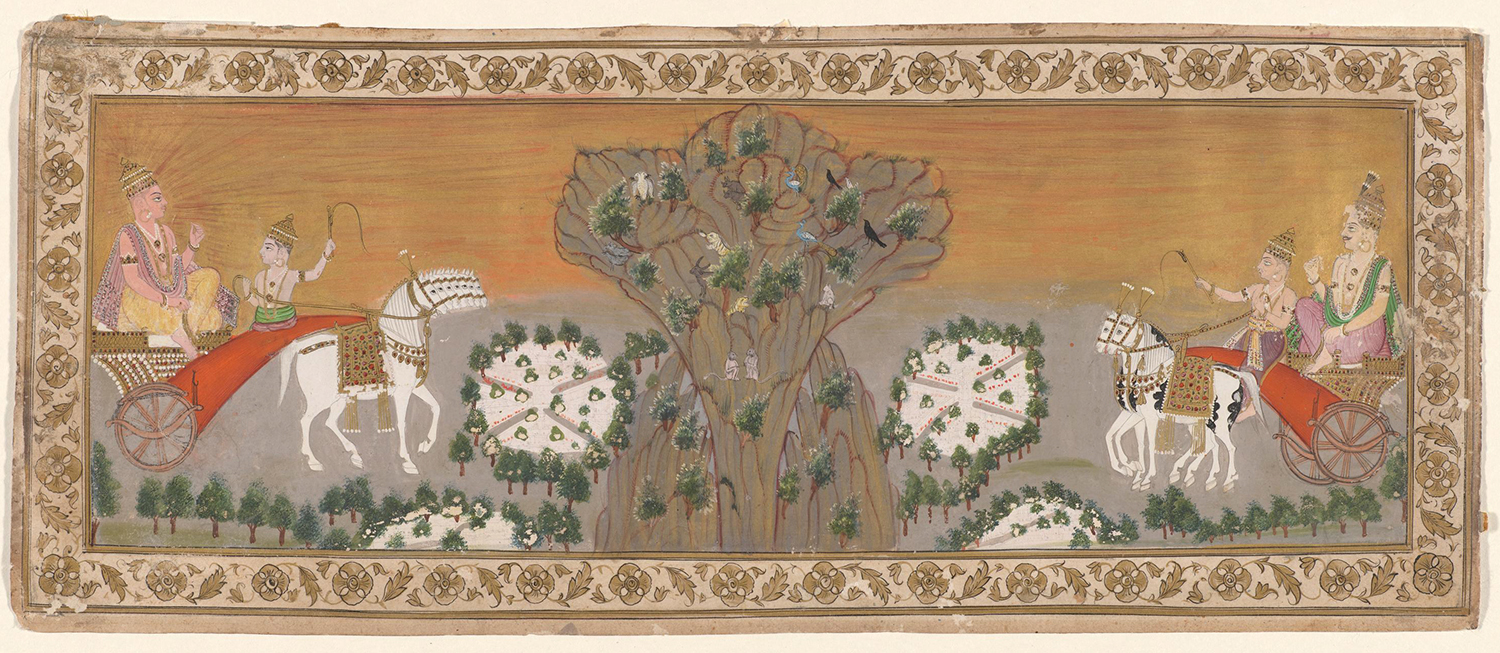
Surpur paintings can be found in the collections of the Salarjung Museum, Hyderabad and the art gallery of the Jaganmohan Palace, Mysuru. At the time of writing, artists have largely stopped producing Surpur paintings, shifting their focus to other, more lucrative forms of art, although a few artists from the older generation continue practising the art form. The Kalaburagi-based artist and art-collector Vijay Siddaramappa Hagargundgi is credited with attempting to revive and popularise the artform in recent times.
First published: 30 October 2023
Image Gallery
Bibliography
Google Arts and Culture. “Marvels of Mysore.” Accessed January 17, 2023. https://artsandculture.google.com/story/oQXxC4gdIlJCxA.
Ranjan, Aditi, and M.P. Ranjan. Handmade in India, Ahmedabad: National Institute of Design (NID) and Mapin. 2007.
Sivanandan, T.V. “Surpur miniature art faces extinction.” The Hindu. July 02, 2015. Accessed January 27, 2023. https://www.thehindu.com/news/national/karnataka/surpur-miniature-art-faces-extinction/article7376926.ece.
Dharmendra, HS. “Biodata.” Vijay Hagargundgi: 2013. Accessed October 30 2023. http://hagargundgi.blogspot.com/2013/
Feedback