-
ChicagoImpart Encyclopedia of Art. "Nicholas & Co. ." December 7, 2023. https://imp-art.org/articles/nicholas-co/.
-
MLA"Nicholas & Co. ." Impart Encyclopedia of Art, Dec. 7, 2023, https://imp-art.org/articles/nicholas-co/.
-
HarvardImpart Encyclopedia of Art (2023) Nicholas & Co. . Available at: https://imp-art.org/articles/nicholas-co/ (Accessed: 3 March 2026).
One of the earliest photographic studios in southern India, Nicholas & Co. began in 1857 at Mount Road, Madras (now Chennai). It was founded by the English photographer John P Nicholas, who was soon joined by his brother James; from 1861 they ran the studio together under the name Nicholas Brothers. It underwent several changes of name and ownership, becoming Nicholas & Co. in 1873.
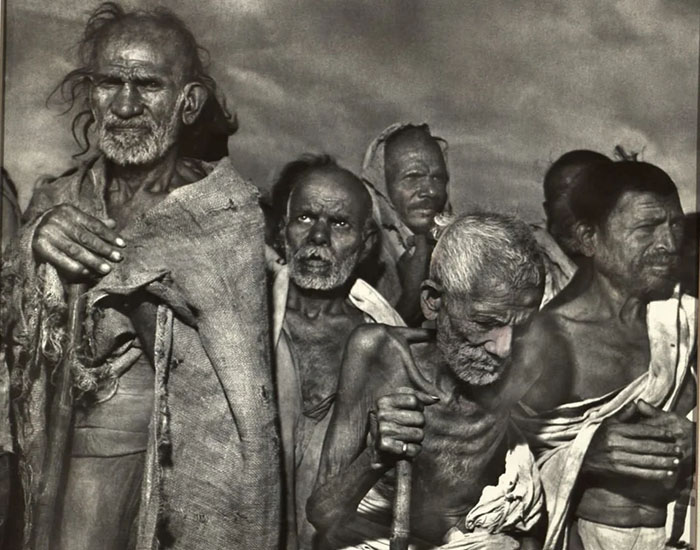
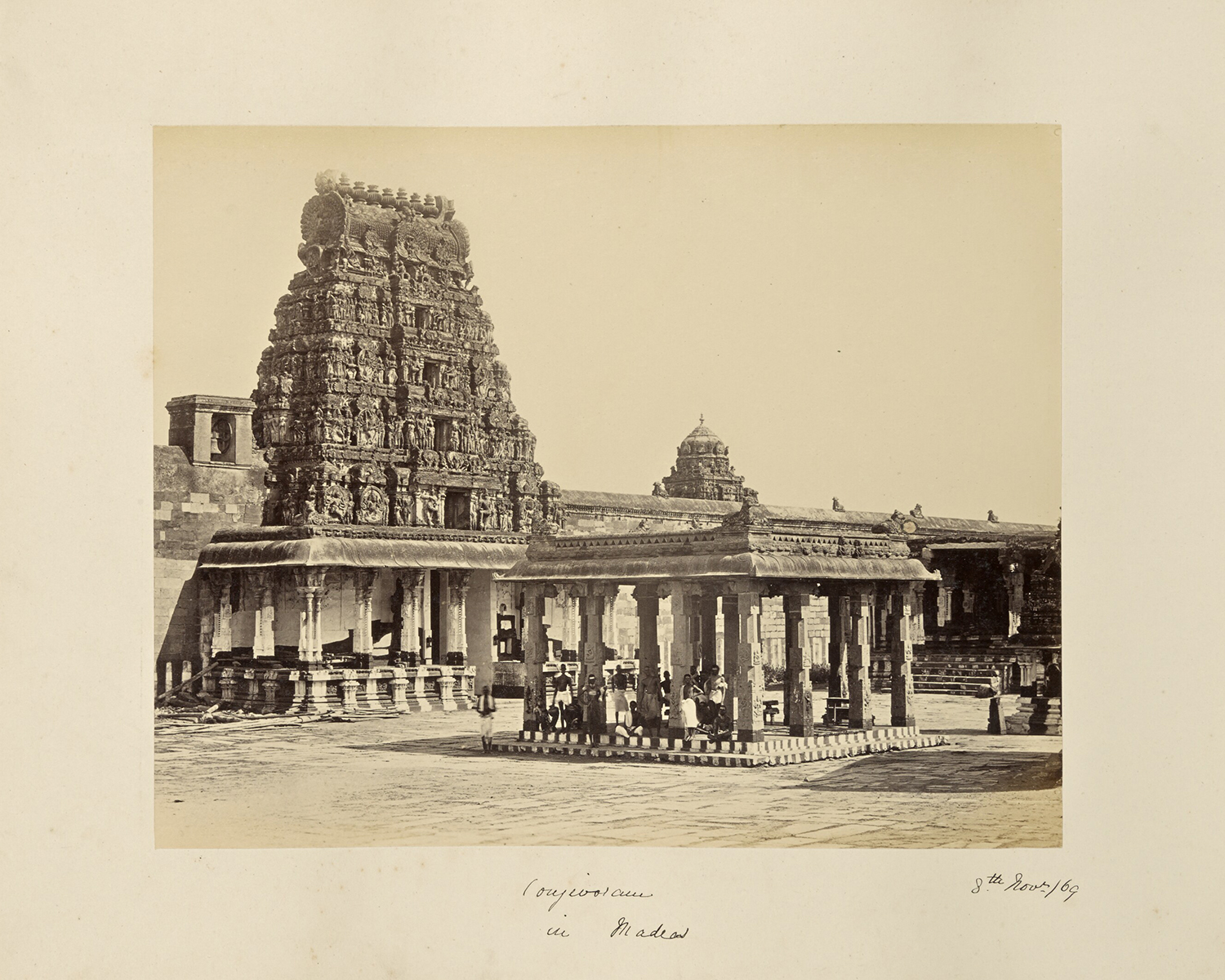
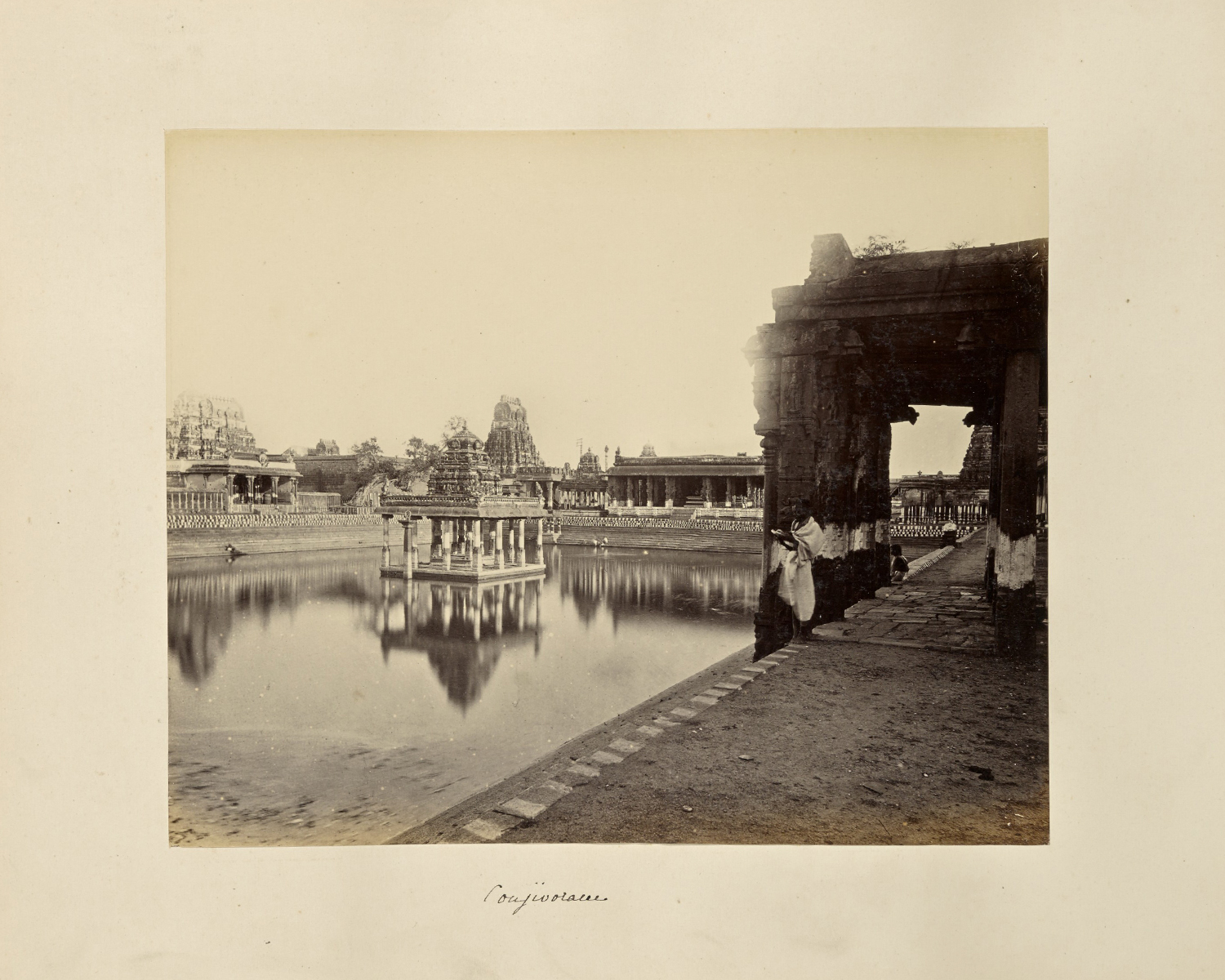
John arrived in Madras in 1857 having worked at his brother-in-law John Parting’s daguerreotype studio in Colombo, Ceylon (now Sri Lanka). At the 1858 exhibition of the Madras Photographic Society, he introduced the Fothergill process for the first time in India. This was a quicker and higher quality alternative to the then-conventional calotype photographic process, and an early version of the gelatin dry plate technique. His choice of subject — Indian ascetics — also garnered praise at the exhibition. This set the precedent for Nicholas & Co.’s involvement in ethnographic photography capturing life in South India at the time. Among the studio’s notable projects was its documentation of the effects of the Great Famine of South India from 1876–78. It was also prolific in its urban landscape photography of Madras and other parts of South India; its photographs of streets, cityscapes, natural attractions, and colonial and indigenous monuments are some of the most significant pictorial depictions of the region from the mid- to the late-nineteenth century. These photographs were also issued as picture postcards.
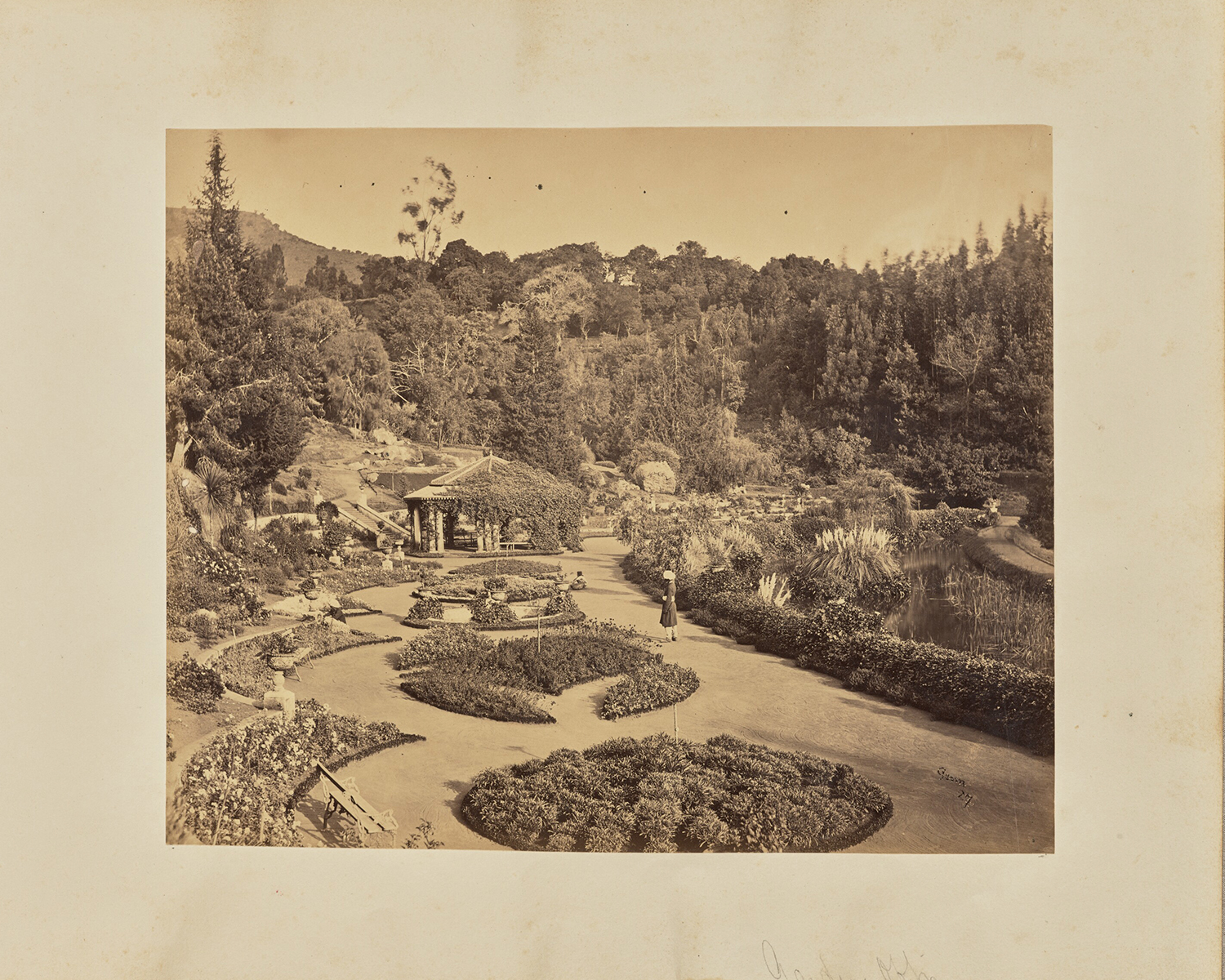
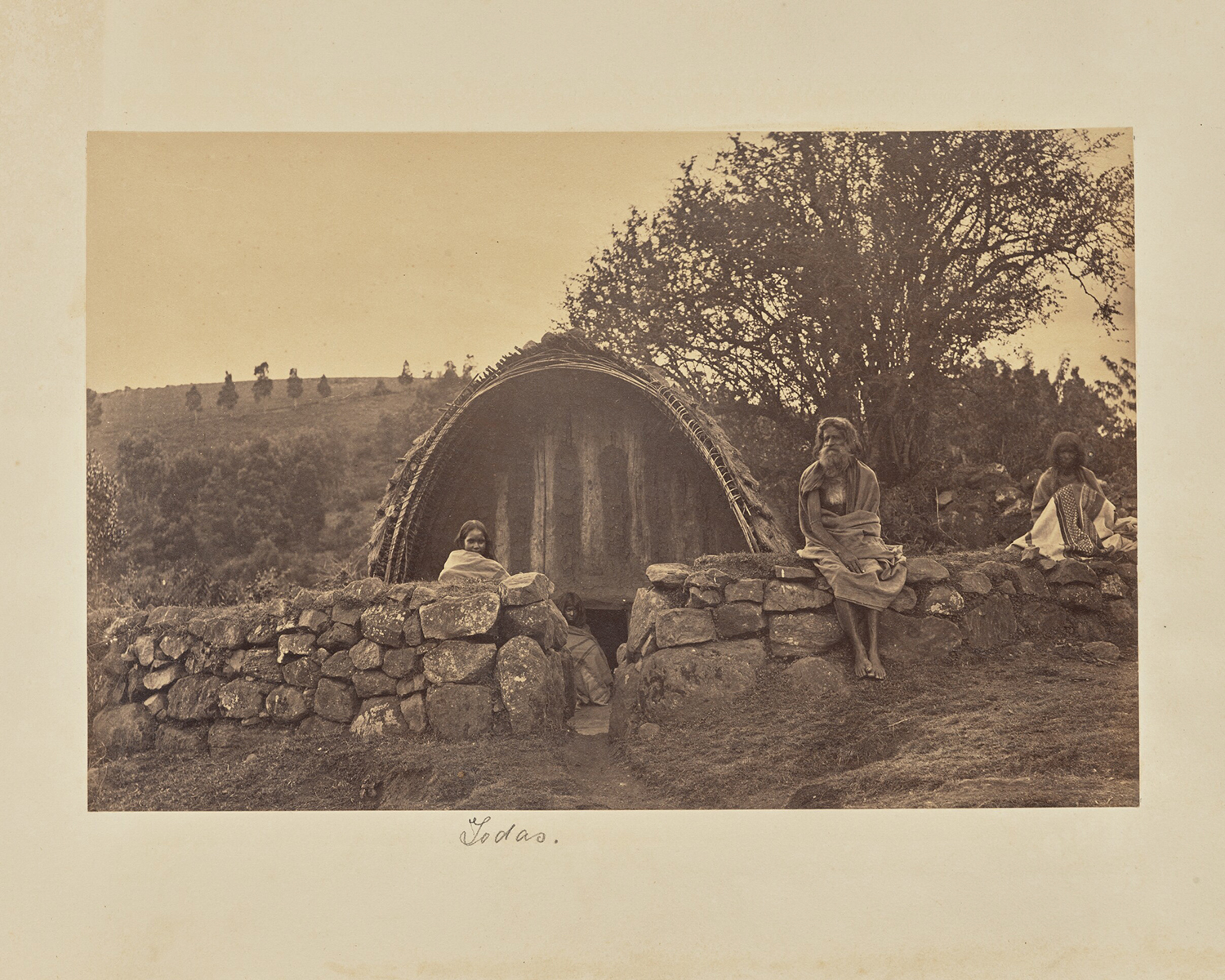
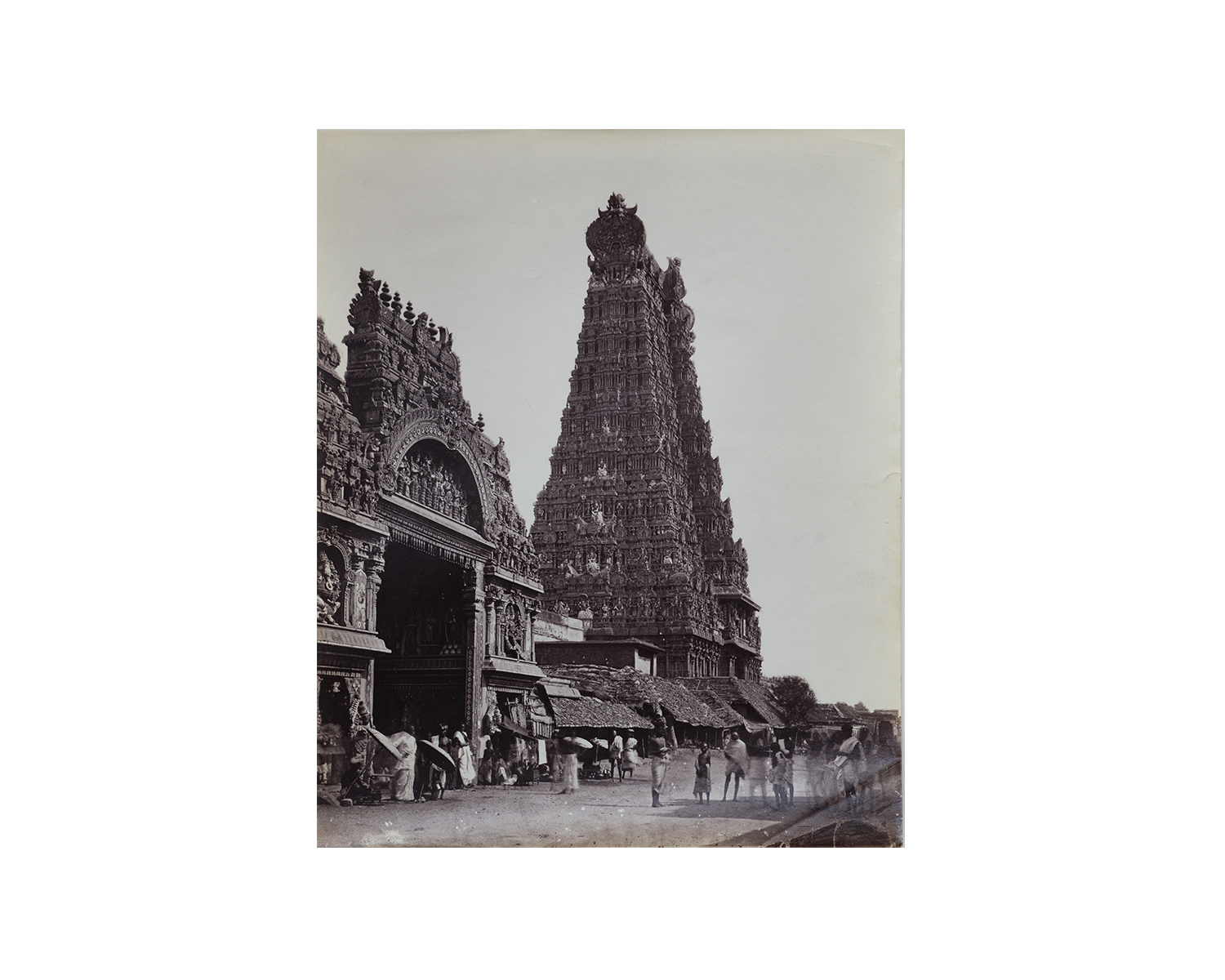
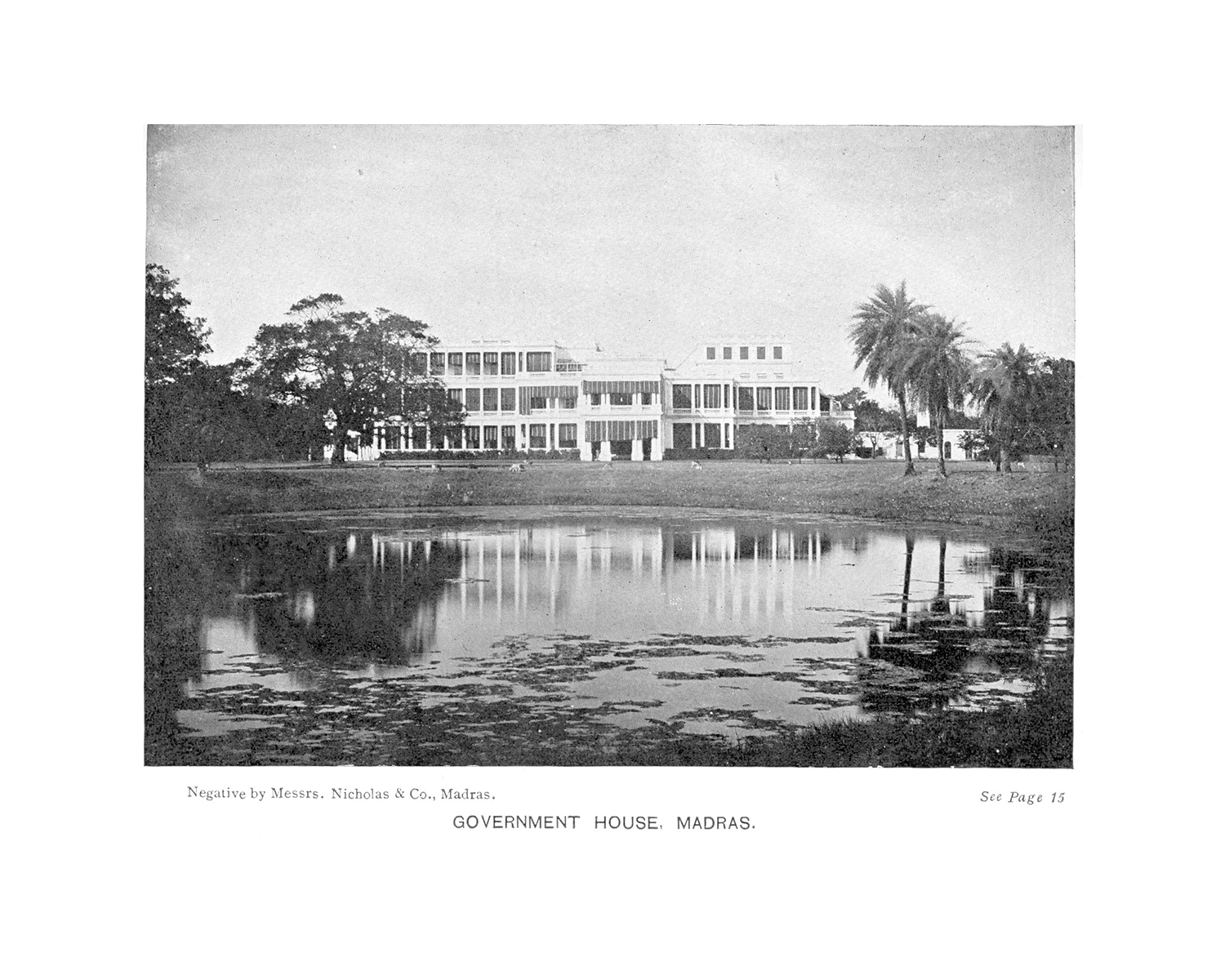
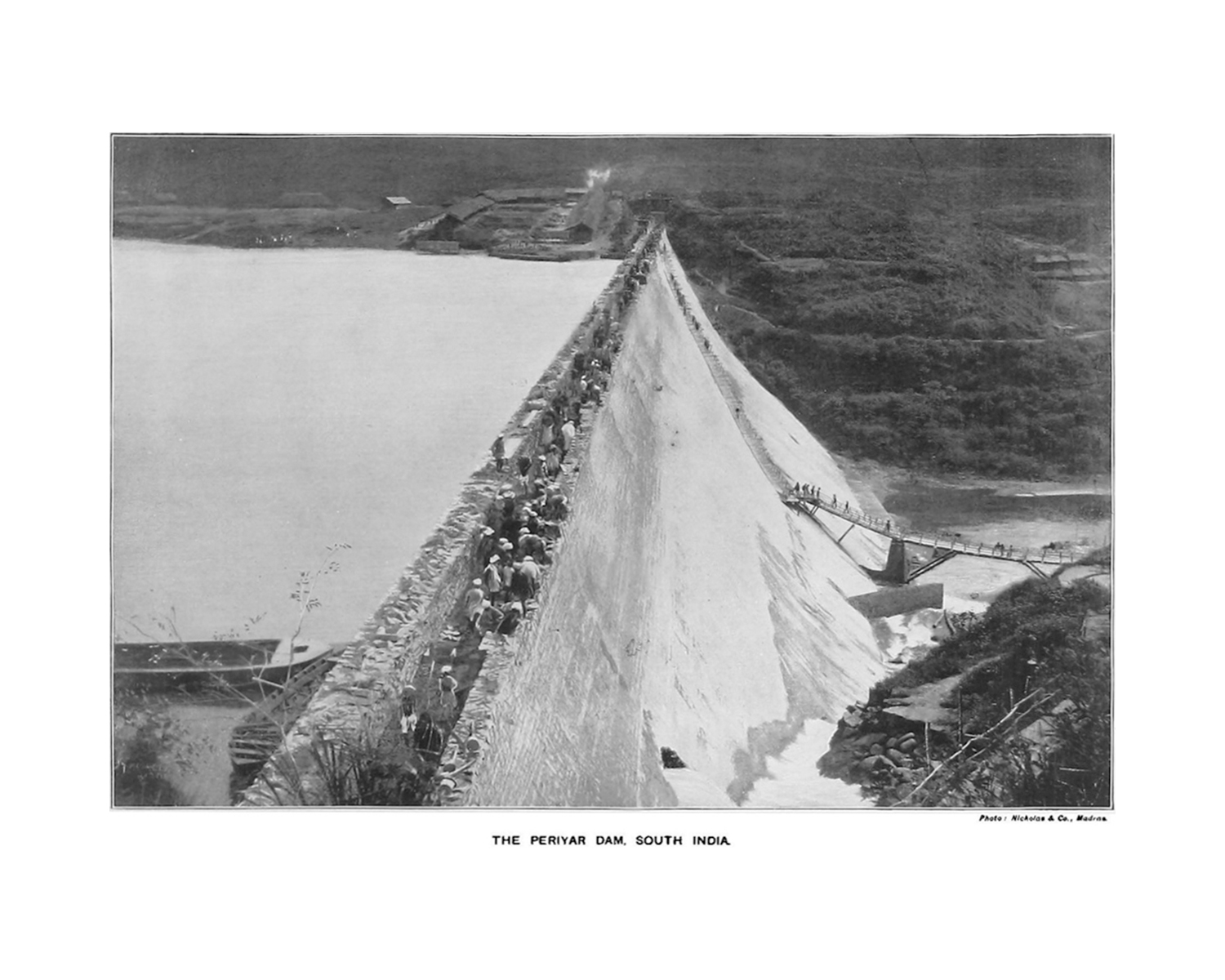
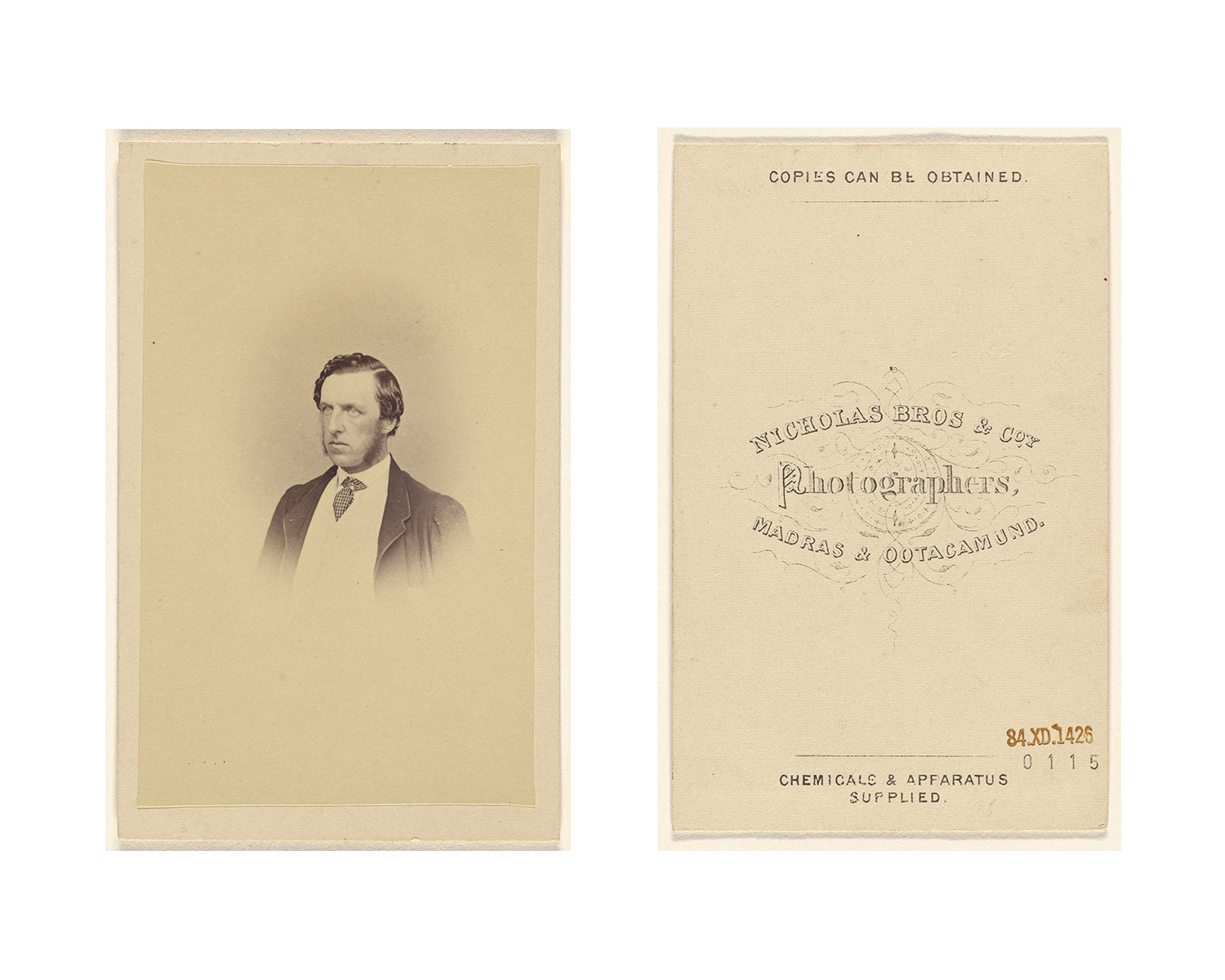
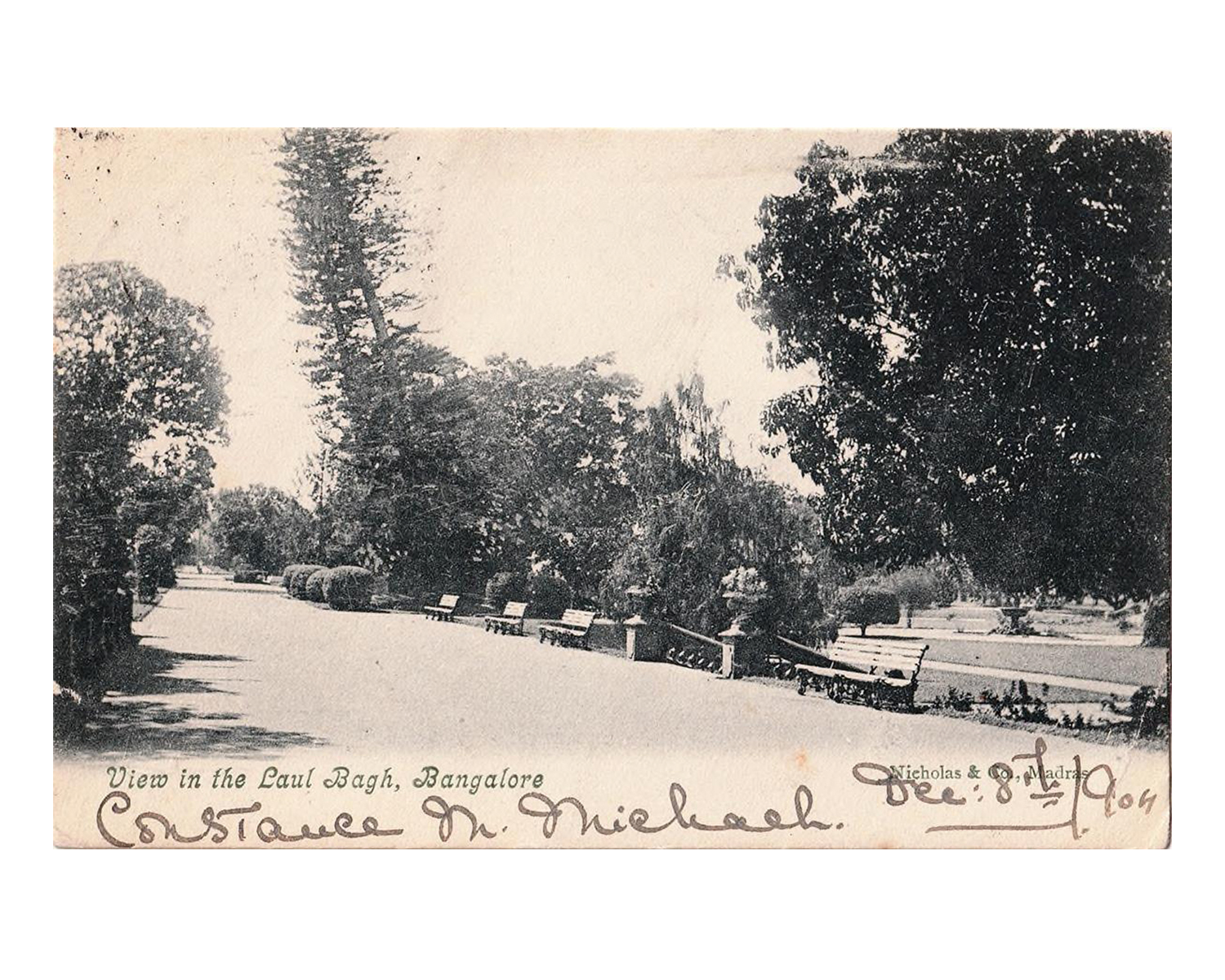
Nicholas & Co. underwent a number of changes in name over the course of its first decade, reflecting the shifts in ownership. In 1864, James returned to England and set up a short-lived branch of the studio in London. Parting replaced him at the Madras branch, and the studio changed its name to Nicholas Brothers & Co. While in London, James met ATW Penn and sent him to India to work at the Madras studio. Around this time, another branch of the studio had been established at Ootacamund (now Ooty) and Penn was employed to run it from 1865. Penn acquired the Ootacamund branch in 1875, set it up as his own studio, and went on to become a renowned photographer himself. In 1868, James returned to India with an assistant, Ralph Hermann Curths, who was an expert colourist. John left Nicholas Brothers during this period and set up his own studio in present-day Kerala. Curths and James became business partners, renaming the studio Nicholas & Curths. With the departure of Curths in 1873 following a dispute, the studio became Nicholas & Co., a name it would retain until it went out of business.
James was married to Ellen Isabella Higginbotham, whose father was the founder of the successful bookstore Higginbotham & Co. Such major bookstores were in competition with photography studios for the production and sale of postcards, and James took over Higginbotham’s postcard production after marrying into the family. Ellen’s nephew George Higginbotham became a partner at Nicholas & Co in 1891. Following the death of Ellen and James within a month of each other in 1895, George Higginbotham took over the studio’s operations until its closure in 1905.
First published: 7 December 2023
Image Gallery
Bibliography
Gaskell, Nathaniel, and Diva Gujral. Photography in India: A Visual History from the 1850s to the Present. Munich: Prestel, 2018.
Muthiah, S. “Madras Miscellany.” The Hindu, Last updated May 12, 2015. Accessed August 22, 2023. https://www.thehindu.com/features/metroplus/society/madras-miscellany/article7188471.ece.
Penn, Cristopher. “On the Trail of Albert Penn.” Madras Musings, February 16–28, 2017. Accessed August 22, 2023. http://www.madrasmusings.com/vol-26-no-21/on-the-trail-of-albert-penn/.
Pillai, Madhavan. “John P. Nicholas and James Perratt Nicholas.” Maddyworks.com. Accessed August 23, 2023. https://maddyworks.com/john-p-nicholas-and-james-perratt-nicholas/.
Stevenson, Emily, and Stephen Putnam Hughes. “South India Addresses the World: Postcards, Circulation, and Empire.” Trans Asia Photography 9, no. 2 (Spring 2019). Accessed August 22, 2023. https://read.dukeupress.edu/trans-asia-photography/article/doi/10.1215/215820251_9-2-208/312809/South-India-Addresses-the-World-Postcards.
Feedback