-
ChicagoImpart Encyclopedia of Art. "Ghulam Ali Khan." April 21, 2022. https://imp-art.org/articles/ghulam-ali-khan/.
-
MLA"Ghulam Ali Khan." Impart Encyclopedia of Art, Apr. 21, 2022, https://imp-art.org/articles/ghulam-ali-khan/.
-
HarvardImpart Encyclopedia of Art (2022) Ghulam Ali Khan. Available at: https://imp-art.org/articles/ghulam-ali-khan/ (Accessed: 3 March 2026).
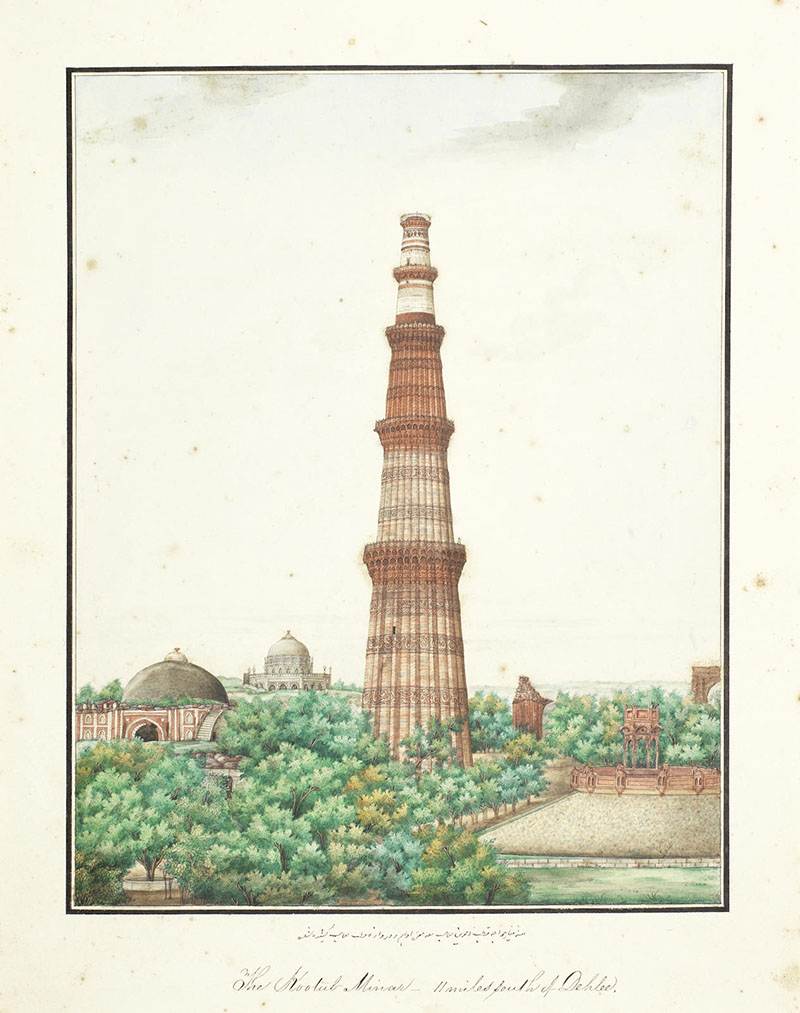
Painting in the years 1817–52 while primarily based in what is now New Delhi, Ghulam Ali Khan is best known for his work in the Company School. His career traces a period of transformation of painting in North India, as Khan adapted his style for patrons varying from Mughal emperors in his early years to the officers of the East India Company from the mid-point of his career.
From 1817 onwards, Khan was a painter in the courts of the Mughal emperors Akbar II and Bahadur Shah II, following which he worked intermittently for the last Mughal emperor, Bahadur Shah Zafar, until 1852. As the Mughal court’s political influence and financial resources dwindled, he maintained simultaneous employment at the regional courts of Alwar and Jhajjar, while also working on commissions by officers of the East India Company such as William and James Fraser and James Skinner. By the 1830s, William Fraser was his principal patron, for whom he worked on the Fraser Album.
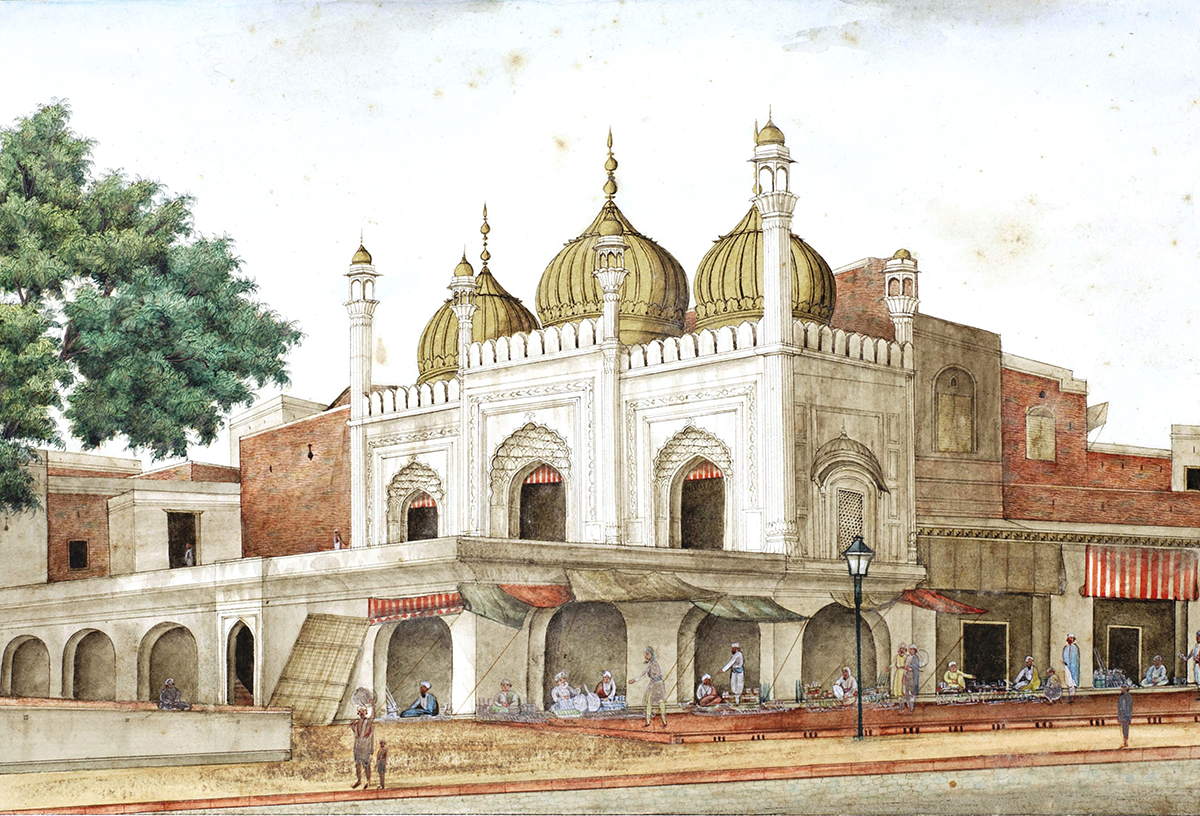
Khan came from a family of court painters. His uncle Ghulam Murtaza Khan was a painter in the court of Akbar II and was known to render his figures with controlled naturalism. Faiz Ali Khan, his brother, worked on architectural views for Thomas Metcalfe, and another relative, Mazhar Ali Khan, was the principal architectural painter commissioned by Metcalfe for the Delhi Book.
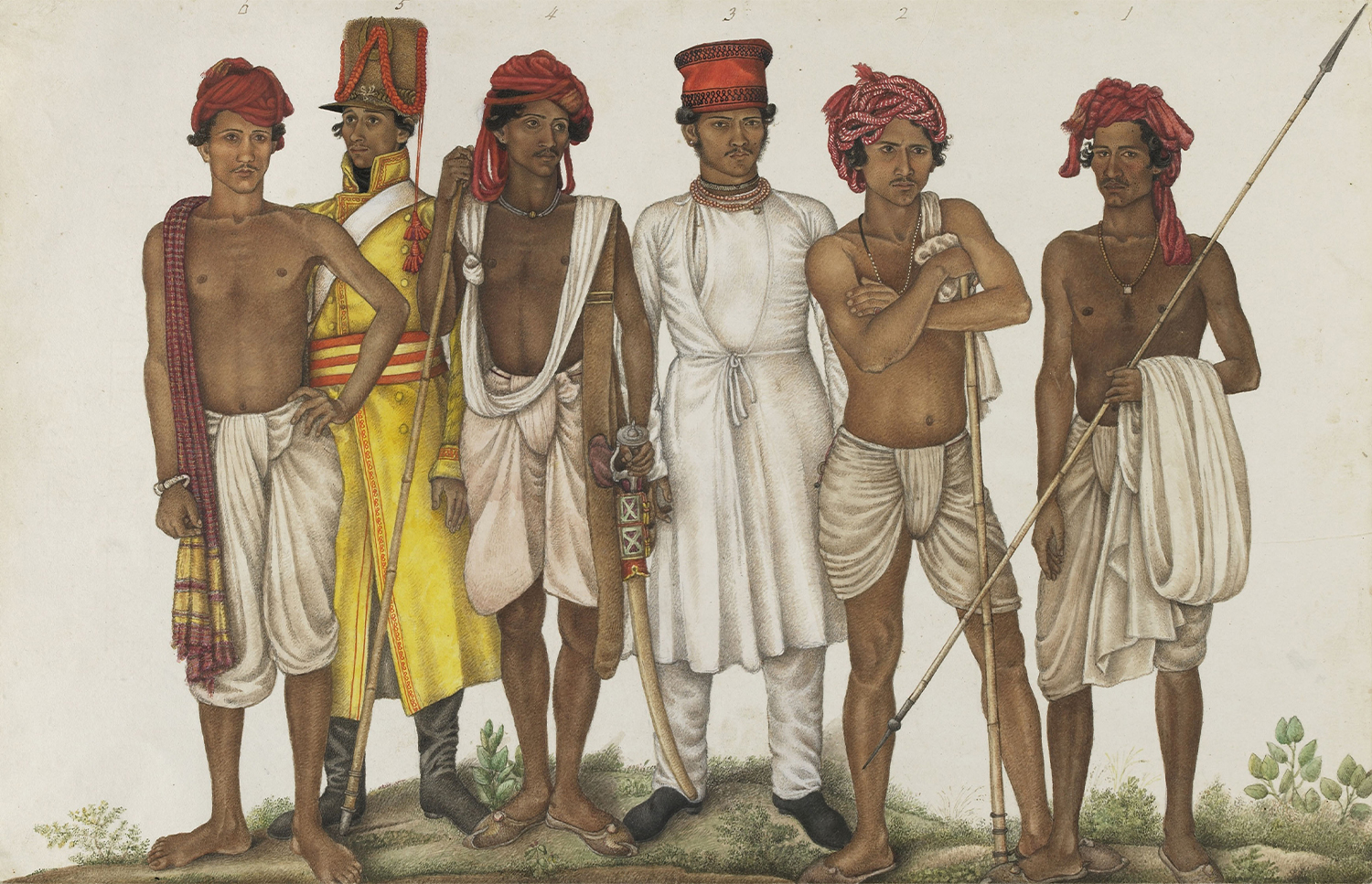
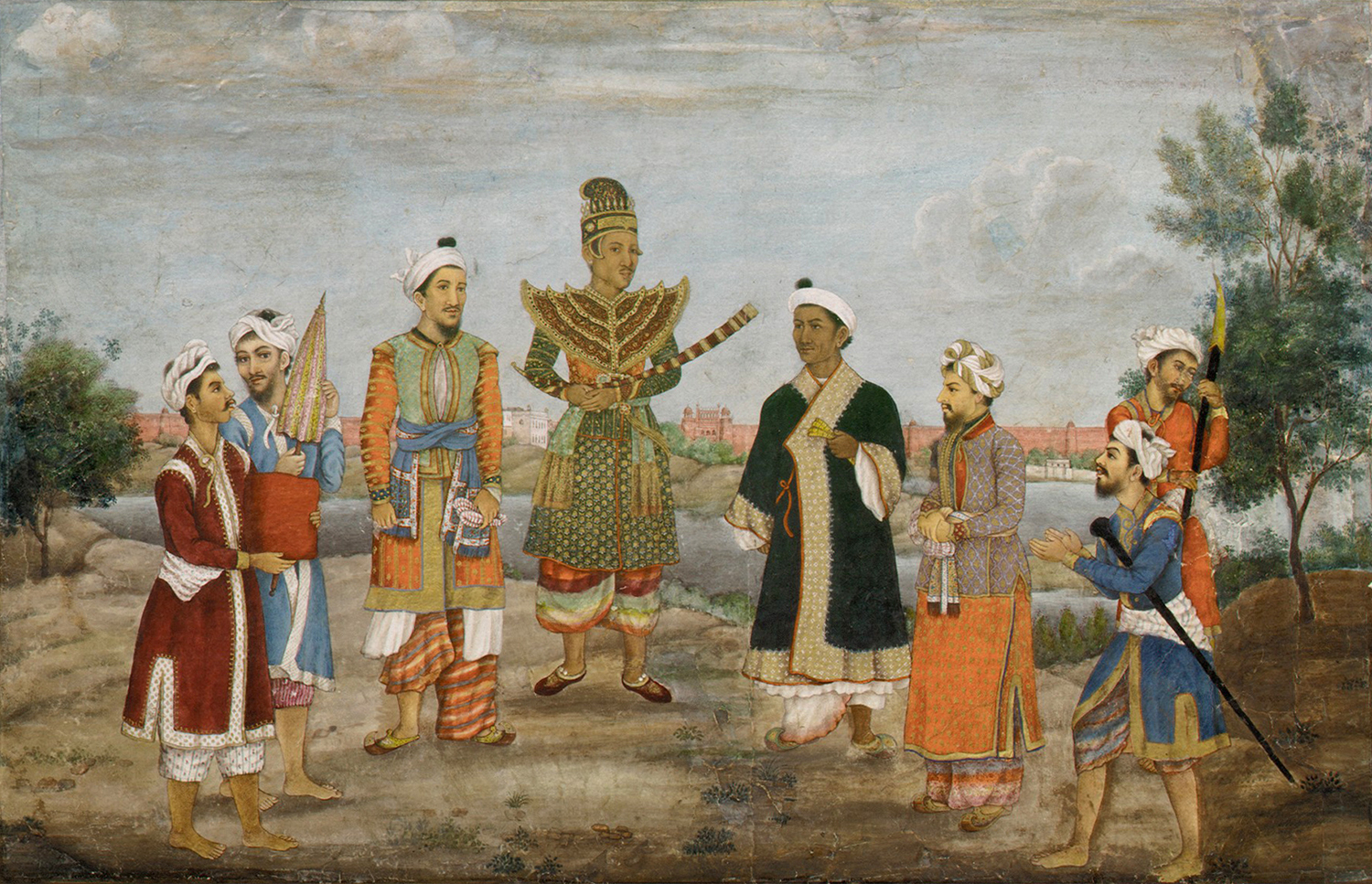
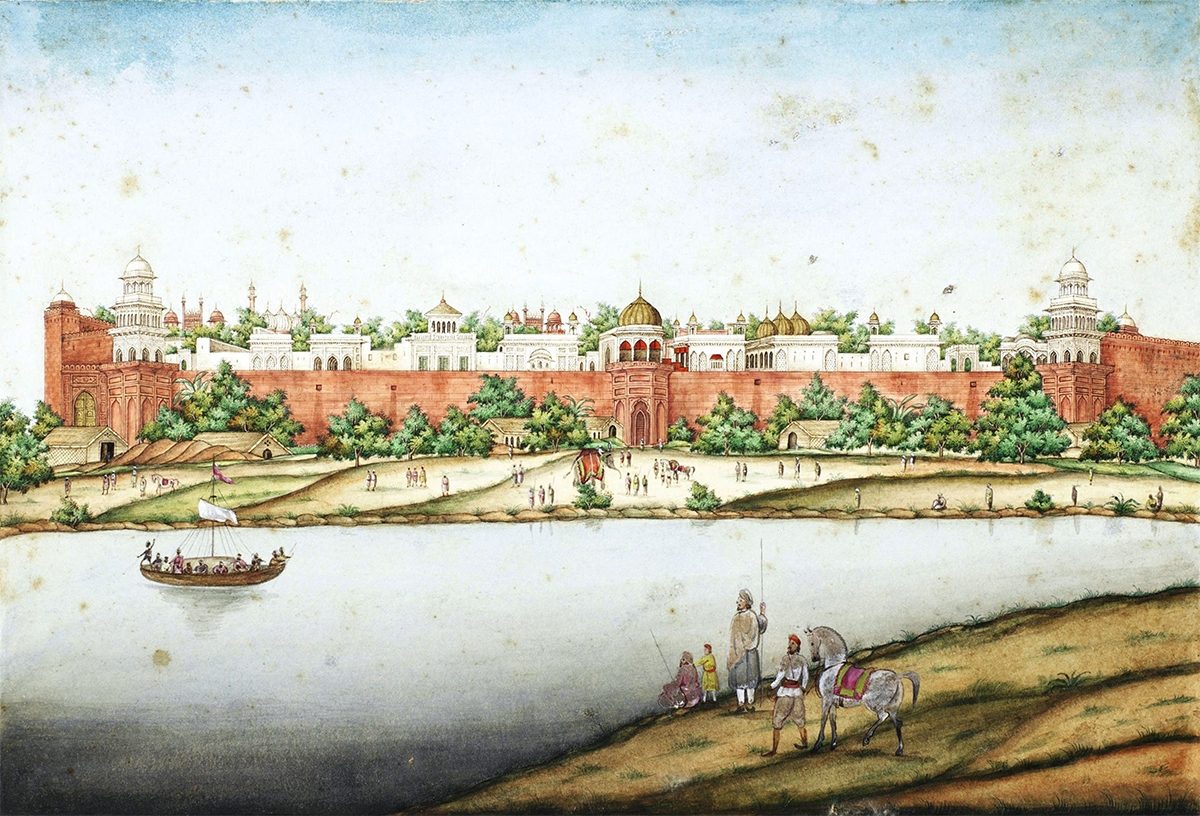
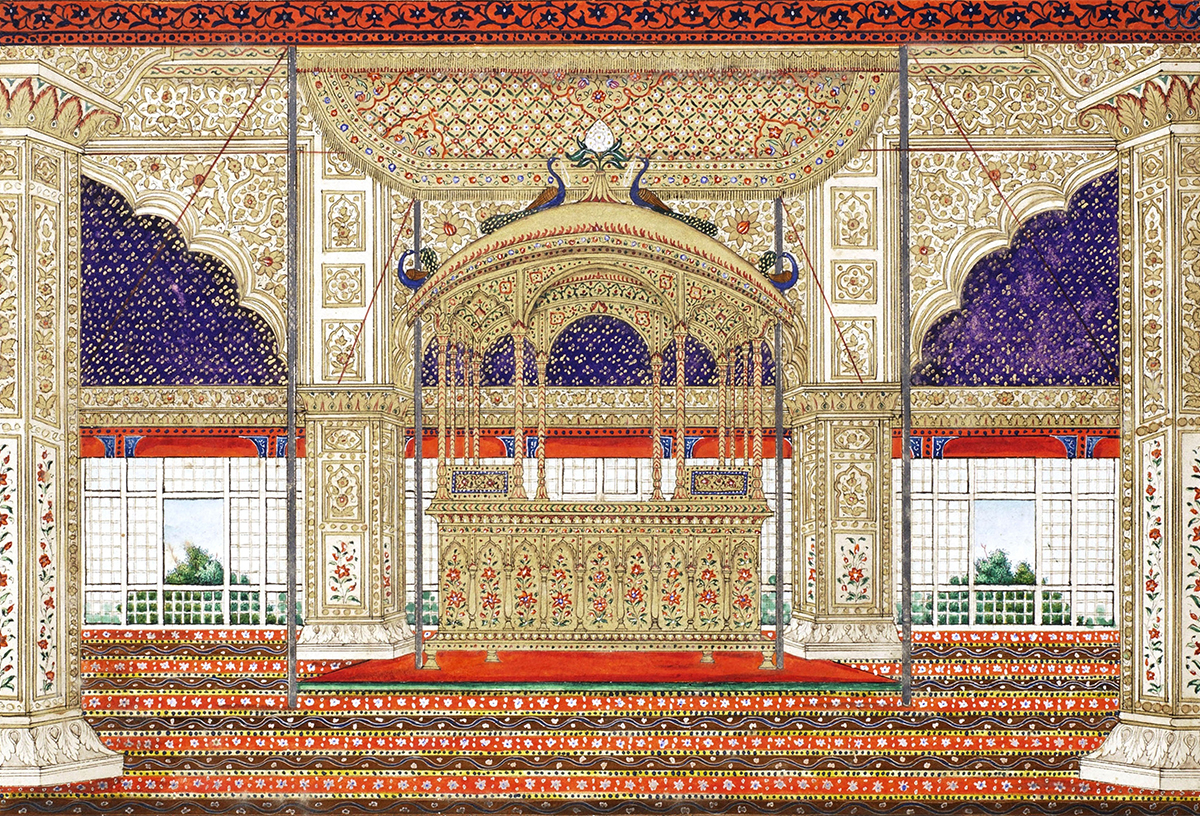
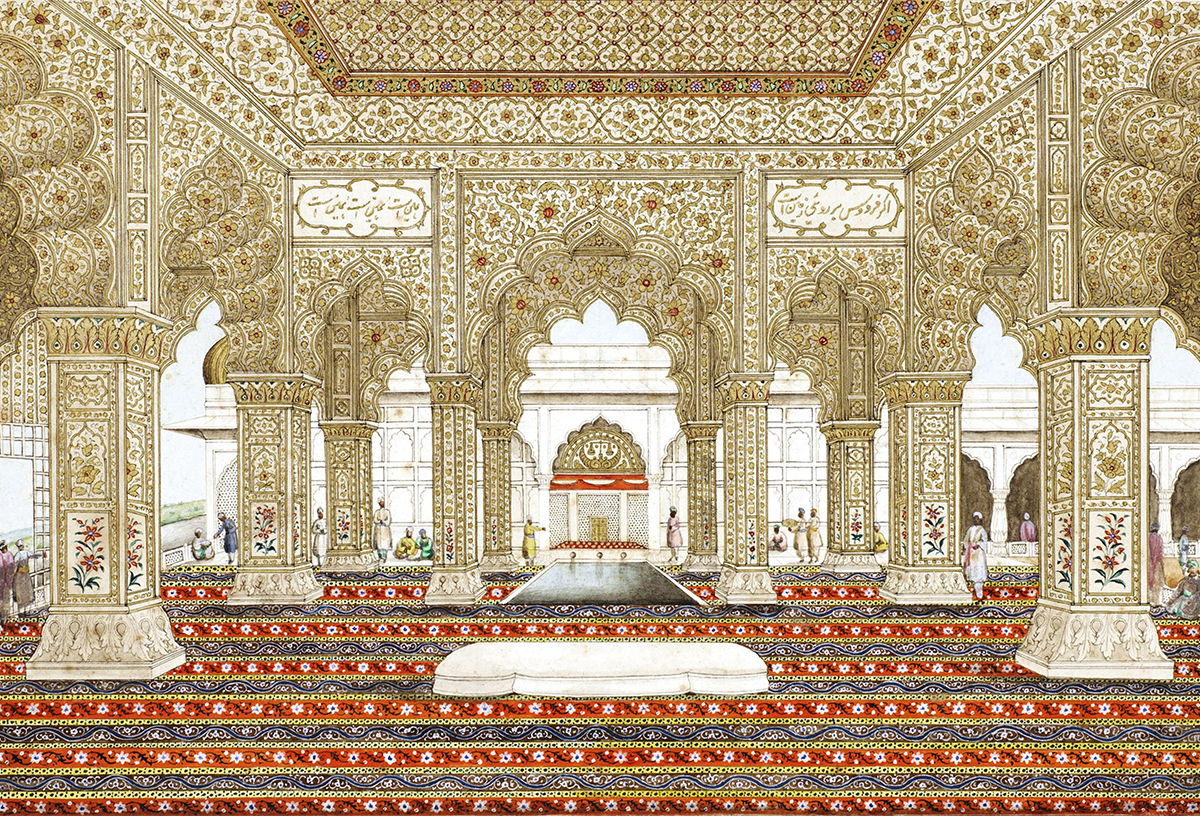
Khan’s work travelled between different conventions and modes — portraiture, architecture, topography, genre scenes and manuscript illustration. His 1817 painting of the diwan-e-khas (Hall of Special Audience) of the Red Fort established a trend towards topographical and architectural subjects in the Mughal idiom. He was the first Mughal artist to move out of the conventions of miniature painting and towards a picturesque mode. This is evident in his architectural views, such as the exterior of the Red Fort painted in 1822. At the court of Maharao Raja Binne Singh of Alwar, he made paintings for the illustrated manuscript of Gulistan by Sa’di. While working on the Fraser Album, he developed a unique Indo-European pictorial vocabulary. In his work for Skinner, his unique style is rendered in great detail and proportion with a series of large watercolour and gouache paintings that depict Skinner’s military regiment, life on his estate and sweeping views of his grounds.
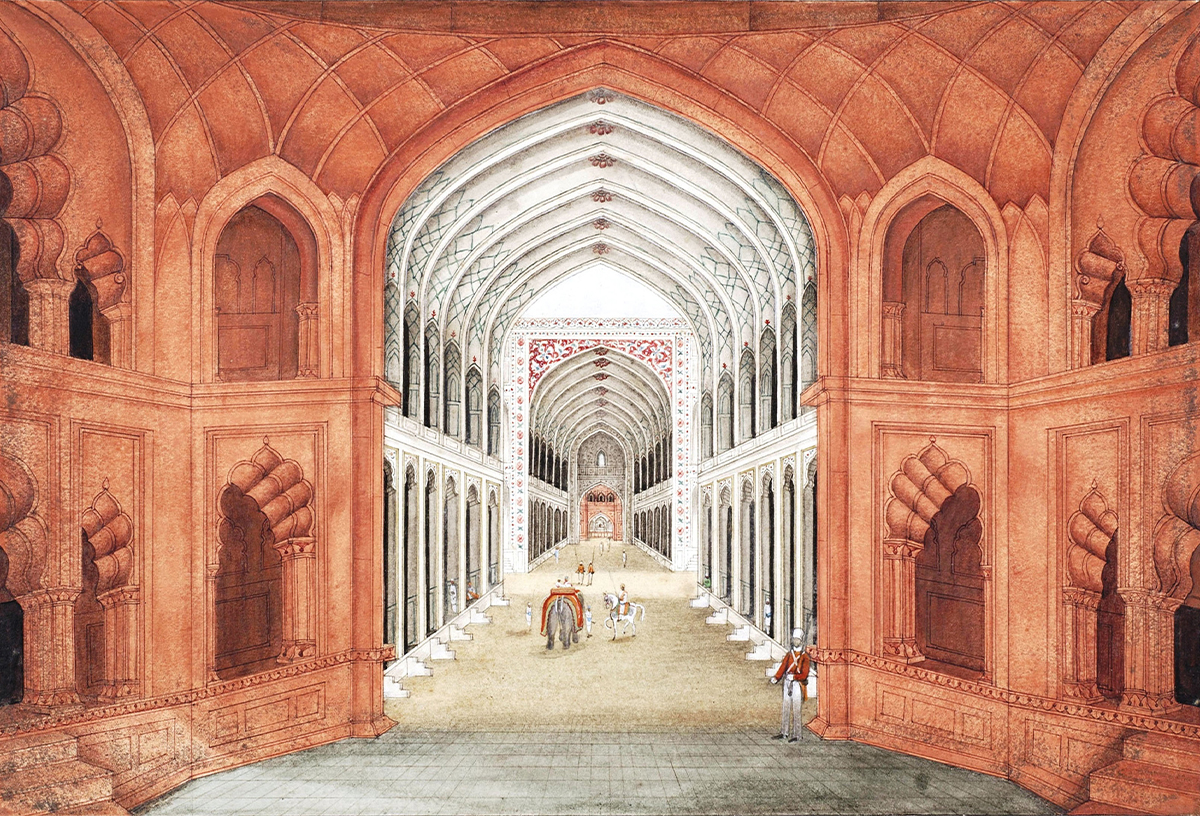
Khan’s multifaceted career elucidates the shifting tides of painting with the transformation of political life in the subcontinent as well as the newly emergent aesthetic that was mediated by it.
First published: 21 April 2022
Image Gallery
Bibliography
Losty, J.P. and J. Robert Alderman. “Two Important Late Mughal Group Portraits.” London: Oliver Forge | Brendan Lynch, 2014. https://www.academia.edu/6310091/Two_Important_Late_Mughal_Group_Portraits
Sharma, Yuthika. “Art in Between Empires: Visual Culture & Artistic Knowledge in Late Mughal Delhi 1748-1857.” PhD Dissertation, Columbia University. 2013. https://core.ac.uk/download/pdf/161444504.pdf
“The Last Atelier: Ghulam Ali Khan.” Asia Society, 2012. http://sites.asiasociety.org/princesandpainters/the-last-atelier-gulam-ali-khan/
Feedback