-
ChicagoImpart Encyclopedia of Art. "Dharmachakra Mudra." April 21, 2022. https://imp-art.org/articles/dharmachakra-mudra/.
-
MLA"Dharmachakra Mudra." Impart Encyclopedia of Art, Apr. 21, 2022, https://imp-art.org/articles/dharmachakra-mudra/.
-
HarvardImpart Encyclopedia of Art (2022) Dharmachakra Mudra. Available at: https://imp-art.org/articles/dharmachakra-mudra/ (Accessed: 3 March 2026).
One of five common mudras or sacred gestures in Buddhist iconography and practice, the dharmachakra or ‘wheel of law’ mudra represents the Buddha’s first sermon at Sarnath. The teachings of this sermon are considered to have set the wheel of dhamma or dharma in motion, dispelling ignorance with the wisdom of reality. Both the hands are held at the chest level, with the right above the left and the thumbs of each hand touching the respective index fingers to form a circle. The tips of the left and right thumbs and index fingers in turn touch each other in such a way that the palm of the left hand faces inwards, while that of the right hand faces outwards. Among the five celestial Tathagata or Dhyani Buddhas, considered to represent cardinal qualities, the dharmachakra mudra is associated with Vairochana.
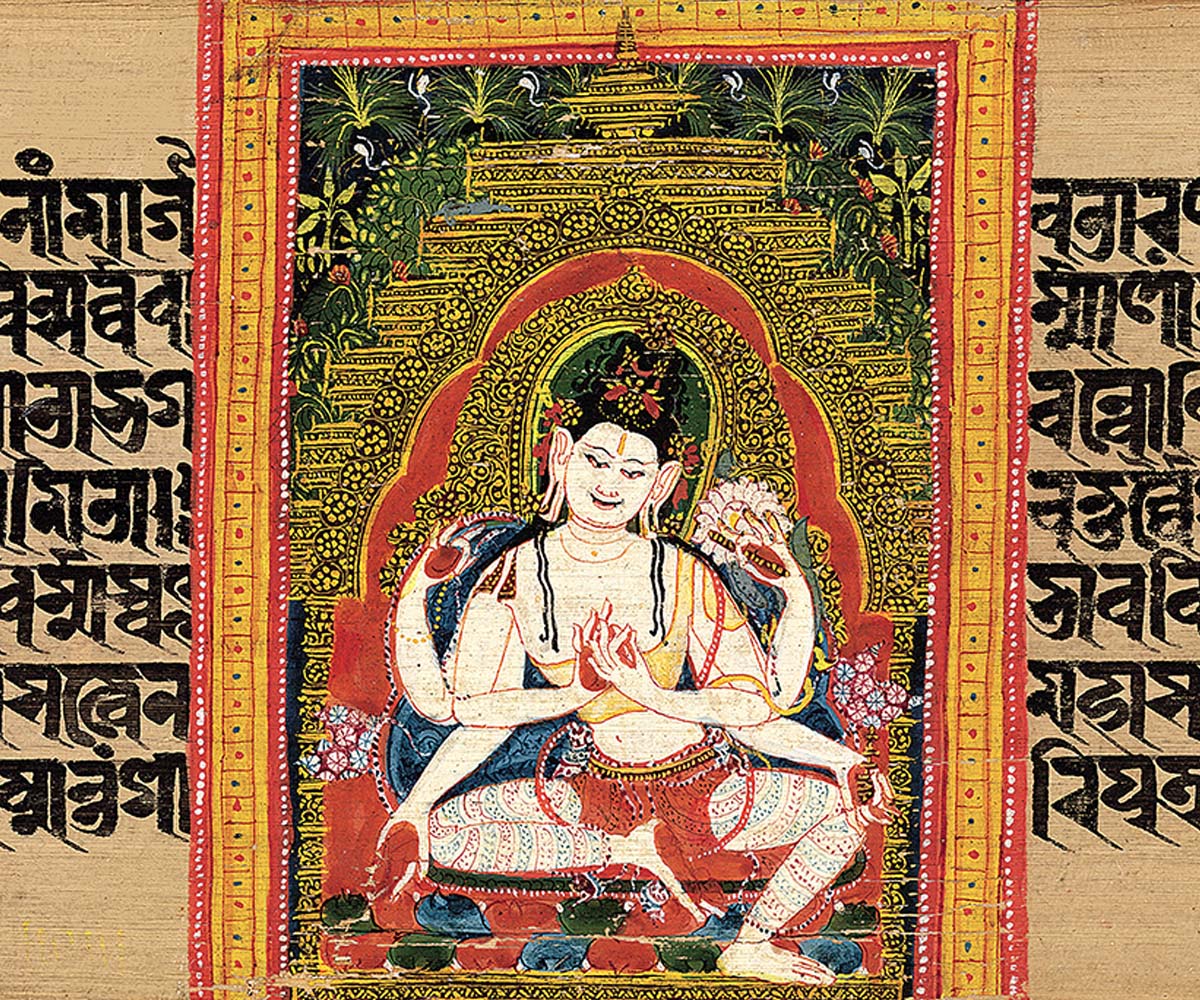
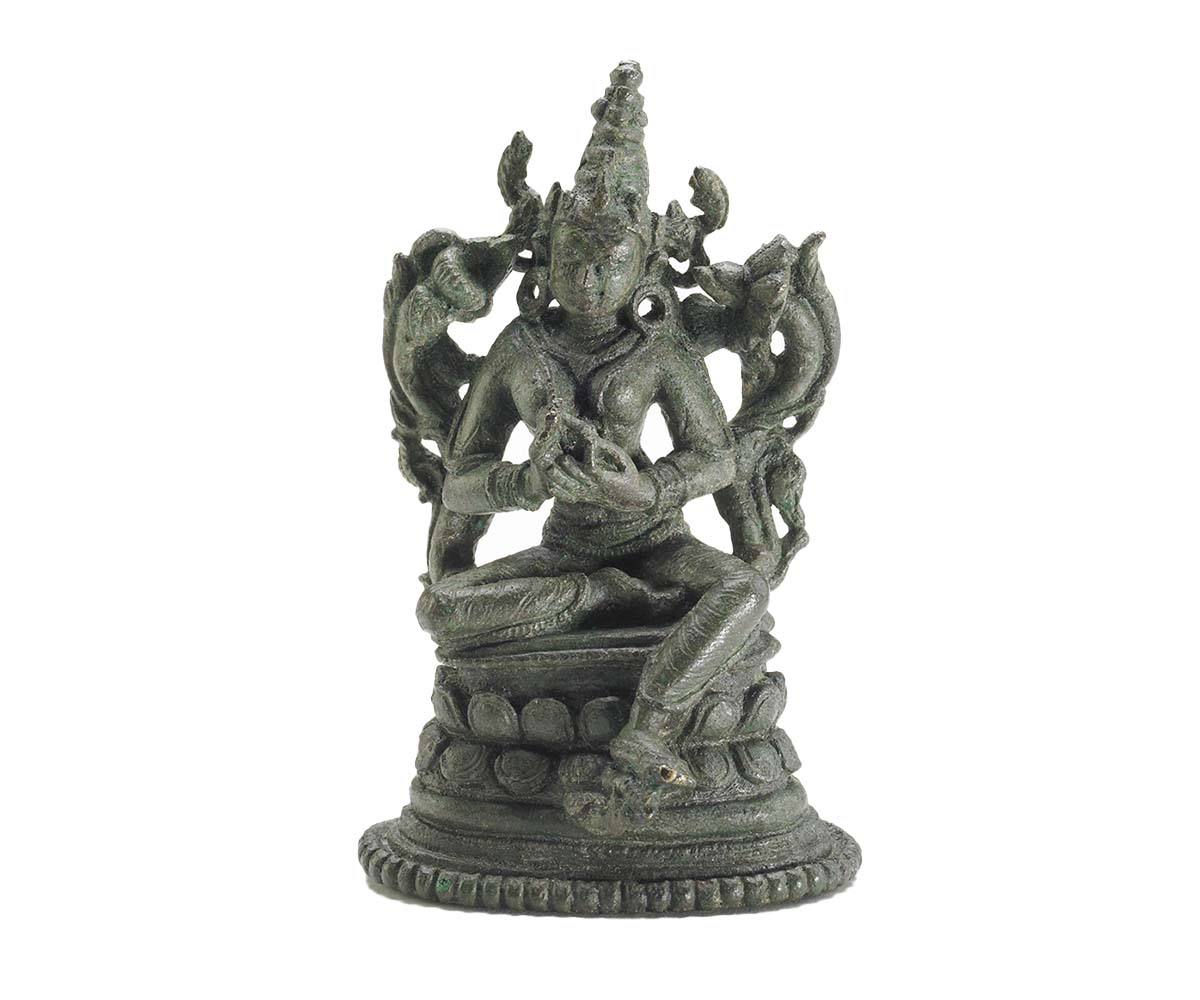
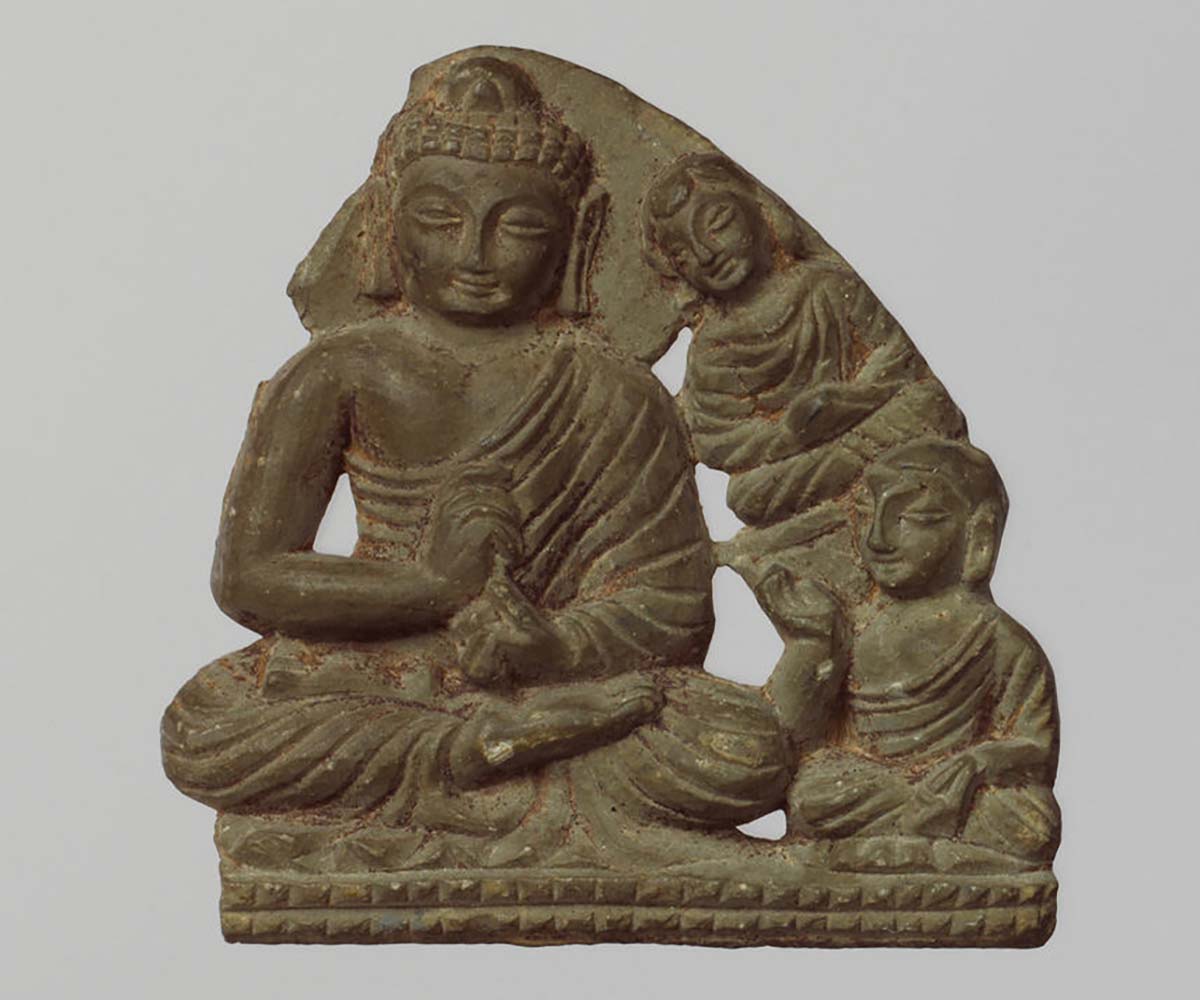
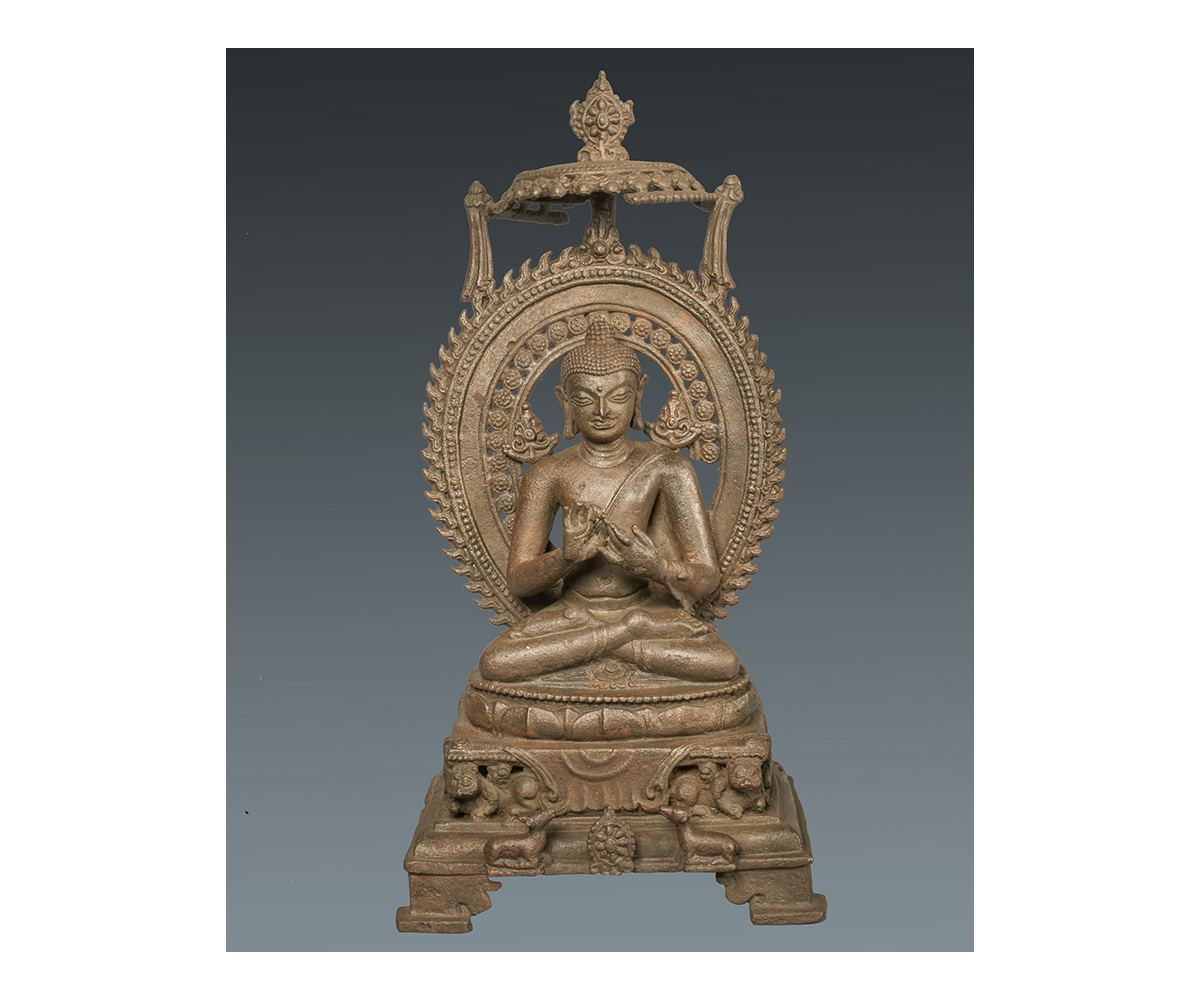
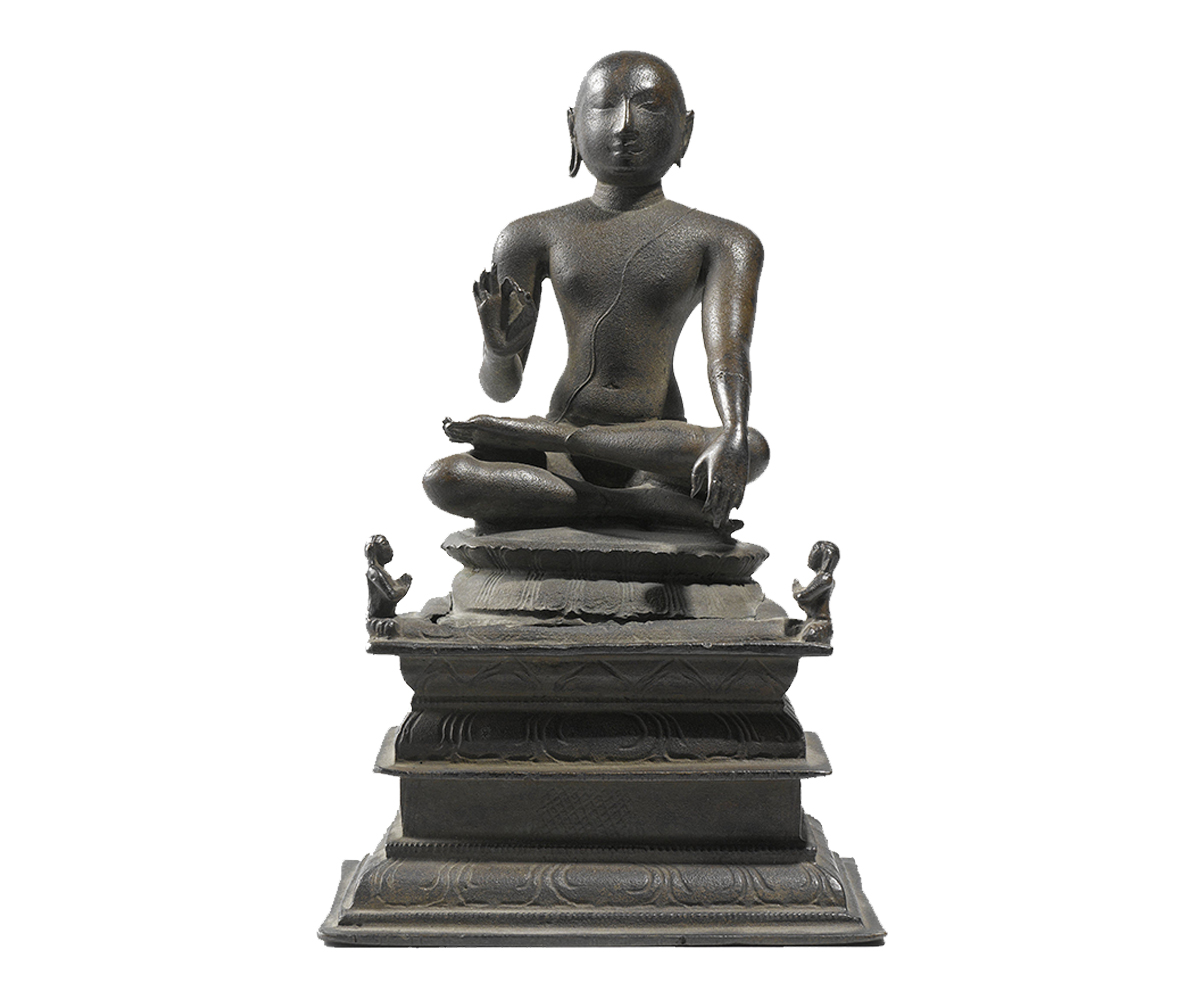
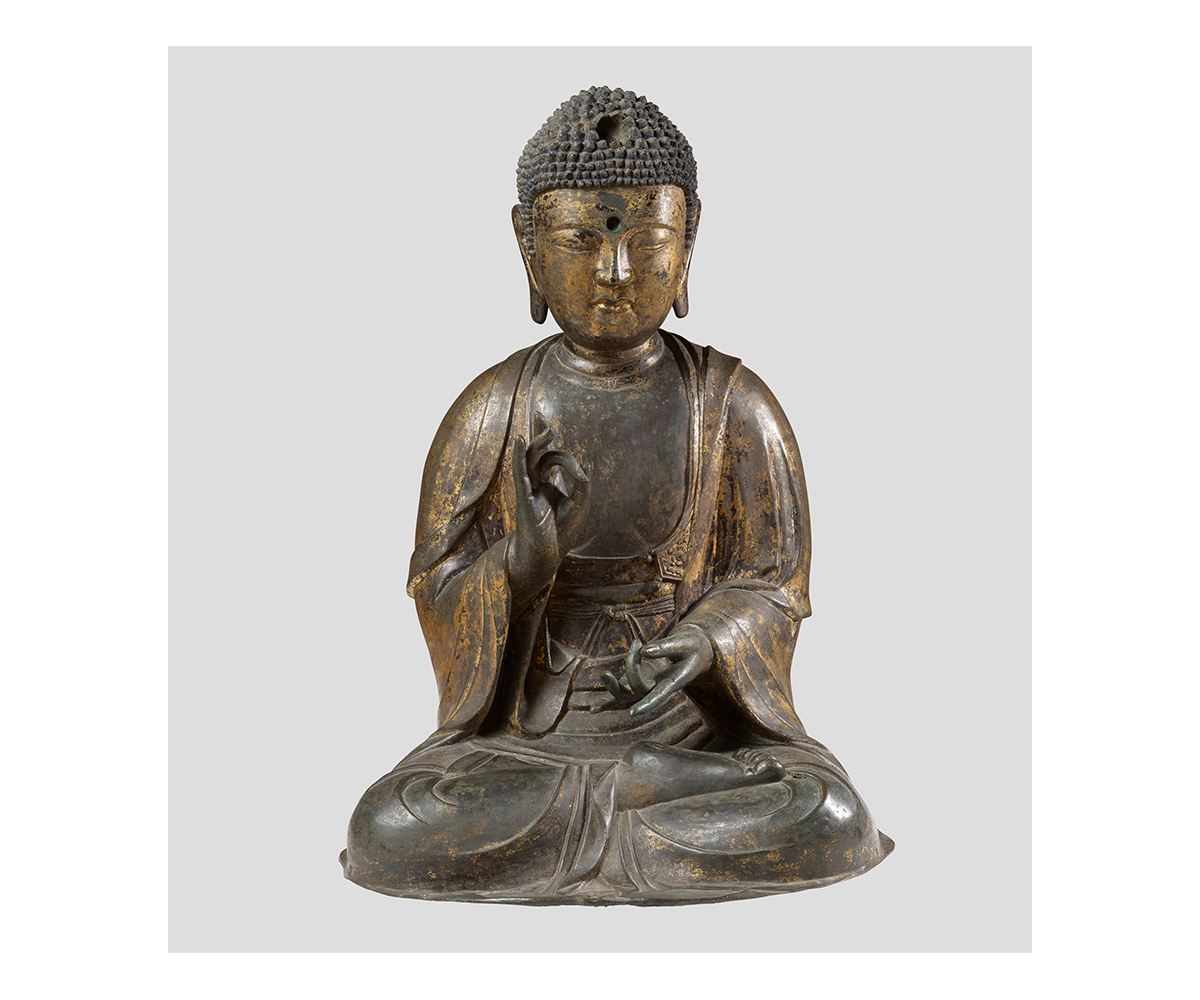
According to some interpretations, the three extended fingers of the right hand are believed to represent the three vessels, or yanas, of the Mahayana Buddhism tradition, while those of the left hand are thought to denote the capacities for following these yanas. The symbolism is further extended to the open palms, of which the right suggests the method of conveying teachings and the left suggests their internalisation and the gaining of wisdom. When the left hand is shown holding a corner of the robe, as in early iconic representations, it symbolises renunciation.
In some versions, the left hand is held at the hip level with fingers pointing downwards and palm outwards while forming the symbolic dharmachakra. A variant and possible derivative of the dharmachakra mudra is another ‘teaching’ gesture, the vitarka mudra, in which the left hand lies on the lap with the palm upturned, while the right hand forms the wheel shape with the palm turned outwards.
First published: 21 April 2022
Image Gallery
Bibliography
Ables, Kelsey. n.d. “The Complex Meanings behind Hand Gestures in Buddhist Art.” Artsy, March 28, 2019. Accessed July 8, 2020. https://www.artsy.net/article/artsy-editorial-complex-meanings-hand-gestures-buddhist-art.
Beer, Robert. The Handbook of Tibetan Buddhist Symbols. Shambhala, 2003.
Beer, Robert. The Encyclopedia of Tibetan Symbols and Motifs. Boston: Shambhala, 1999.
Behrendt, Kurt. “Tibet and India Buddhist Traditions and Transformations.” The Metropolitan Museum of Art Bulletin LXXI, no. 3 (2014).
Richie, Cristina “Symbolism in Asian Statues of the Buddha.” Intermountain West Journal of Religious Studies 5, no. 1 (2014). https://digitalcommons.usu.edu/imwjournal/vol5/iss1/3.
Feedback