-
ChicagoImpart Encyclopedia of Art. "Anish Kapoor." April 28, 2026. https://imp-art.org/articles/anish-kapoor/.
-
MLA"Anish Kapoor." Impart Encyclopedia of Art, Apr. 28, 2026, https://imp-art.org/articles/anish-kapoor/.
-
HarvardImpart Encyclopedia of Art (2026) Anish Kapoor. Available at: https://imp-art.org/articles/anish-kapoor/ (Accessed: 16 October 2026).
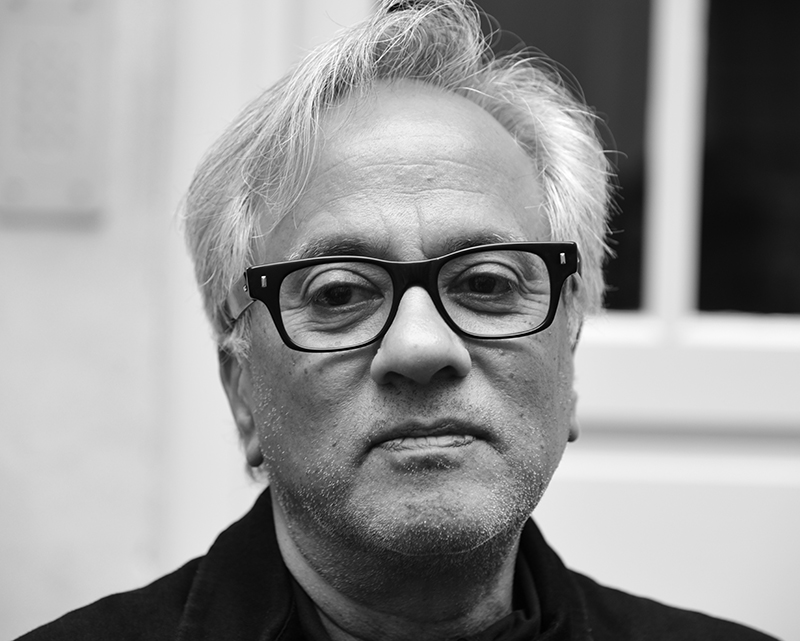
An Indian-born British sculptor working across a range of natural and synthetic materials, Anish Kapoor is known for his abstract installations striking in their scale, colour, and surface treatments. Evoking sensory and perceptual experiences, his work draws on the corporal body as well as themes from mythology, metaphysics and philosophy, such as ideas of objecthood and the void.
Early life and education
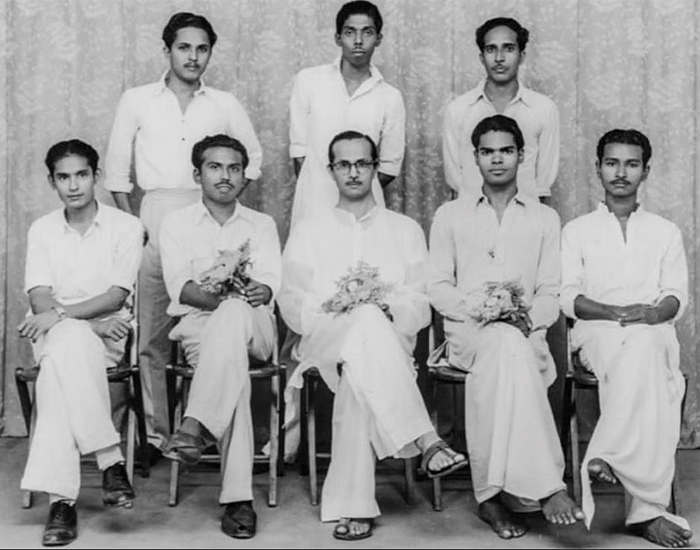
Kapoor was born in 1954 in Mumbai to a Punjabi Hindu father and a mother of Iraqi Jewish heritage. After completing his schooling at the Doon School in Dehradun, he lived in Israel for about two years and moved to London in 1973 to study at the Hornsey College of Art. He received a bachelor’s degree in 1977, followed by a master’s degree from the Chelsea College of Art in 1978, studying under the Romanian-British painter, sculptor and performance artist Paul Neagu, who became a significant influence. His sights and experiences during a visit to India in 1979 proved formative in shaping and contextualising his work.
Early work
Kapoor’s preoccupation with the perception of space and form began early, expressed through protruding and recessing elements, their effect particularly enhanced by the use of colour and medium. His first major exhibition, in 1978 at the Hayward Gallery in London, featured forms sculpted using dry colour pigment. In 1000 Names (1979–85), various geometric or organic forms in wood, earth and other materials are covered in saturated pigment that sometimes spills over onto the floor or wall, from which the forms seem to emerge. In 1990 he represented the UK at the Venice Biennale with Void Field (1989), an arrangement of roughly cut sandstone blocks, each with a small, darkened aperture on top.
Monumental and public sculpture
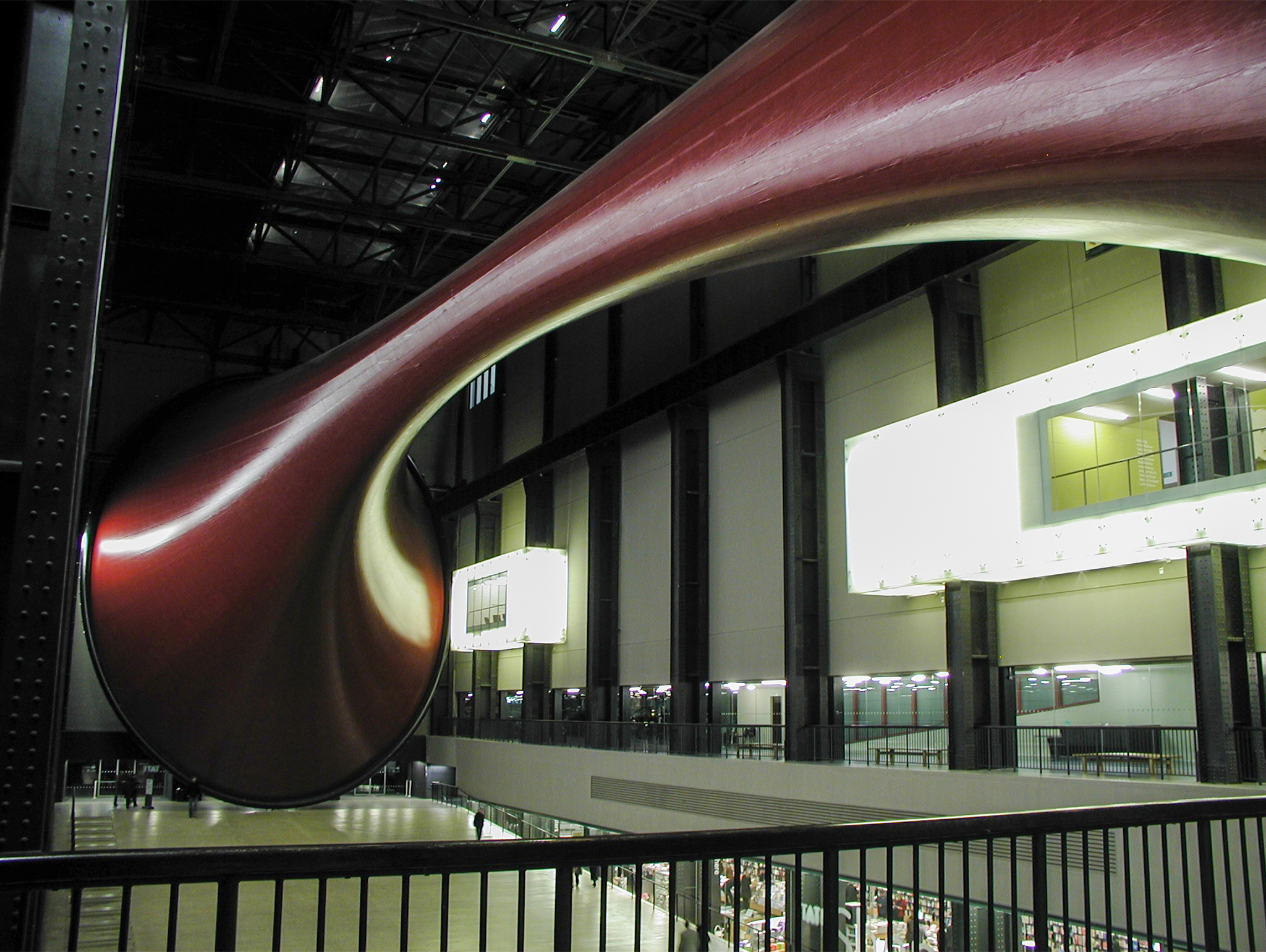
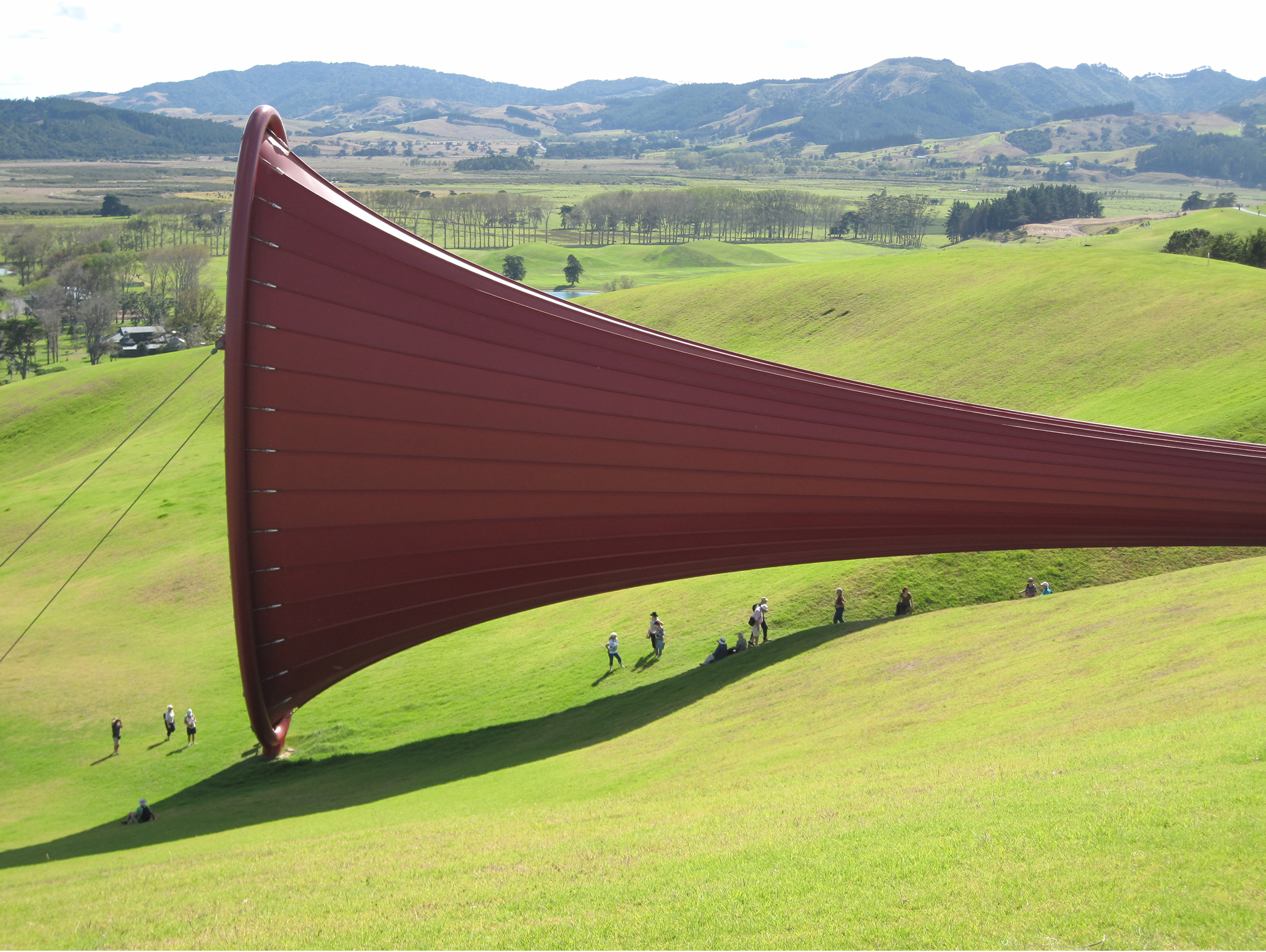
By the early 2000s, Kapoor began a foray into monumental work that engaged with architectural spaces, cityscapes and landscapes. He used industrial materials such as steel, aluminium and PVC, as well as wax, often retaining the vivid single-colour palette — particularly red, which he favours for its visual and psychic potency. Marsyas (2002), made in collaboration with Sri Lankan-British designer Cecil Balmond, is a 155-metre-long tubular structure in red PVC and metal that spanned the interior of Turbine Hall at the Tate Modern in London. Then the largest sculpture the gallery had ever hosted, and among the largest indoor sculptures in the world, it was designed to be impossible to see in its entirety from any position. His series Dismemberment (2003–09) employed a similar structure and idea, this time erected in various natural landscapes.
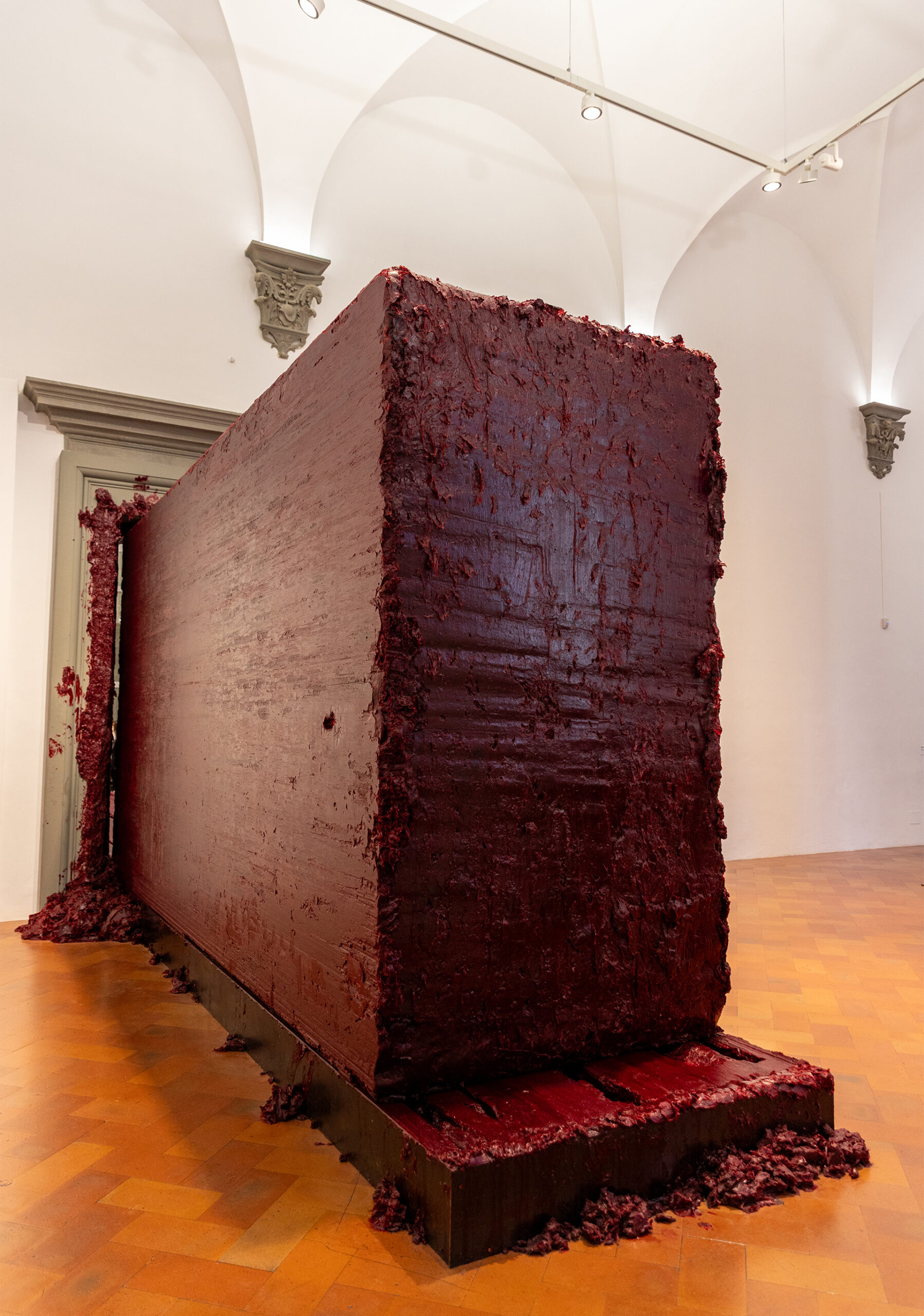
In the kinetic sculpture Svayambhu (2007) a massive block of red pigmented wax was mechanically pushed through various rooms at the Haus der Kunst, Munich — originally built for the display of Nazi propaganda art in 1937 — leaving red marks on the floor and doorways. Shooting into the Corner (2008) features a cannon shooting heavy wax balls into the corner of a room, accumulating red stains and a mass of wax on the floor. He has also used flowing water as the sculptural material: Descension (2014), exhibited both indoors and in outdoor public spaces, is a roughly 8-metre-wide circular pool with a constantly churning whirlpool creating an abyss in the centre.
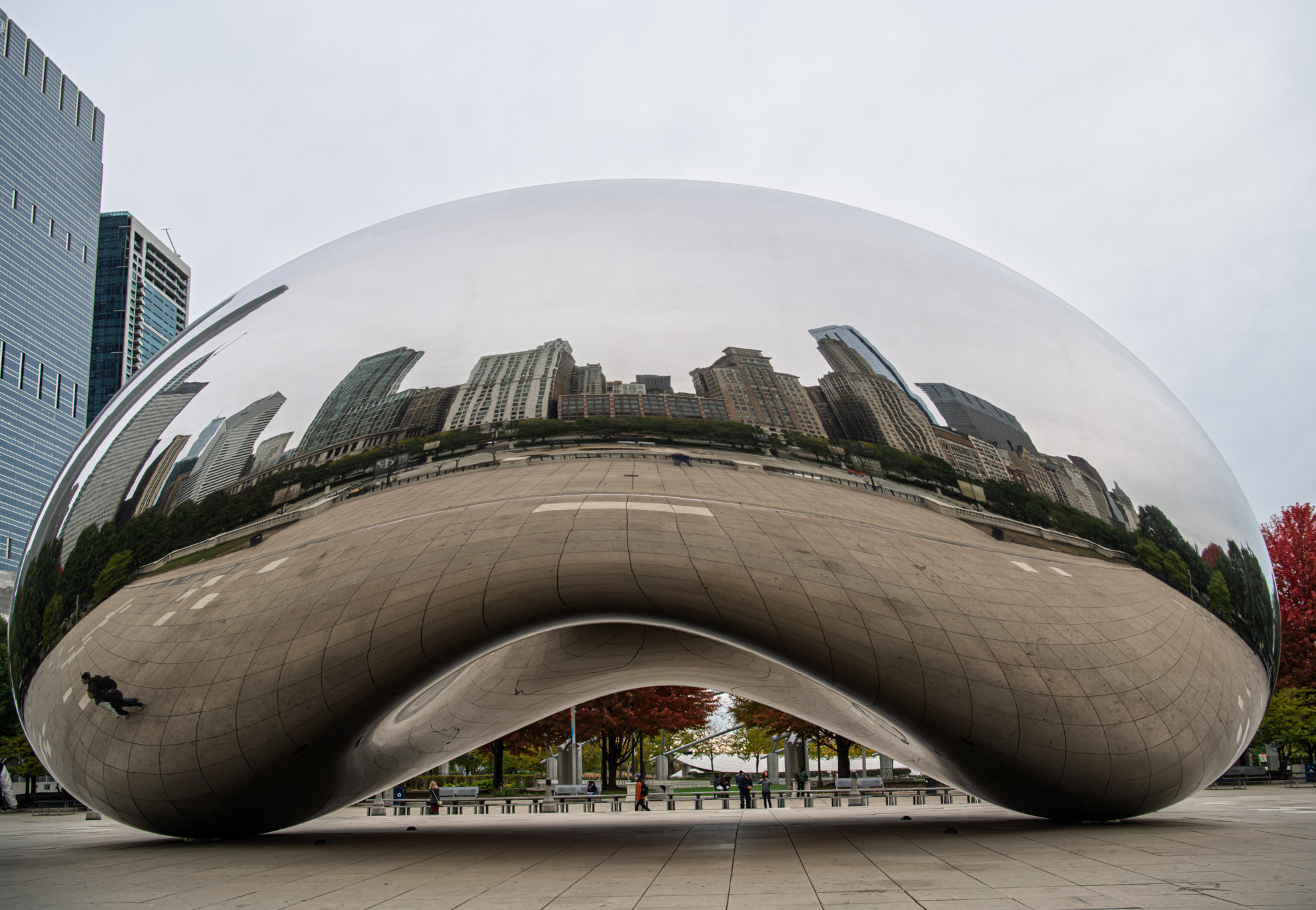
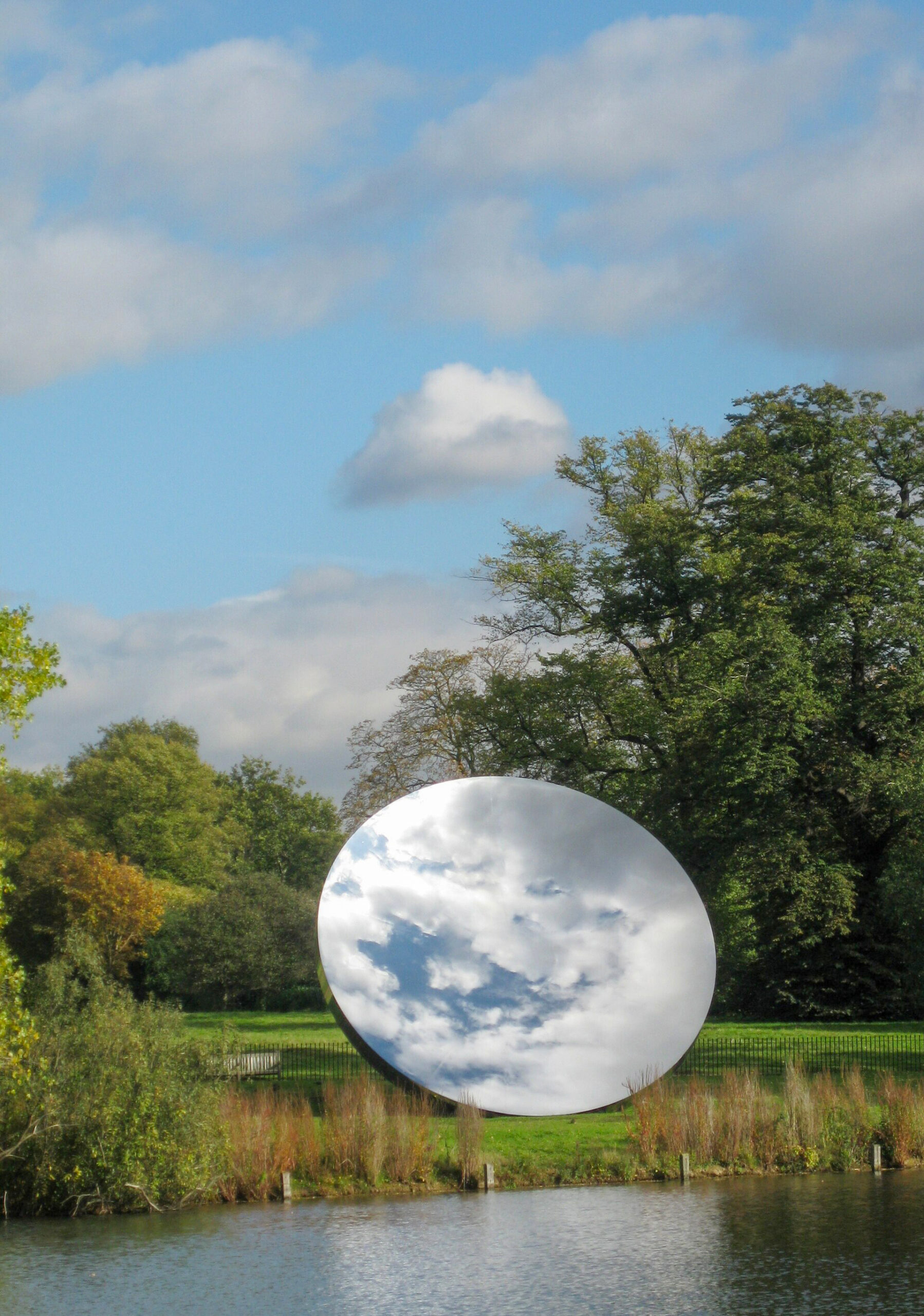
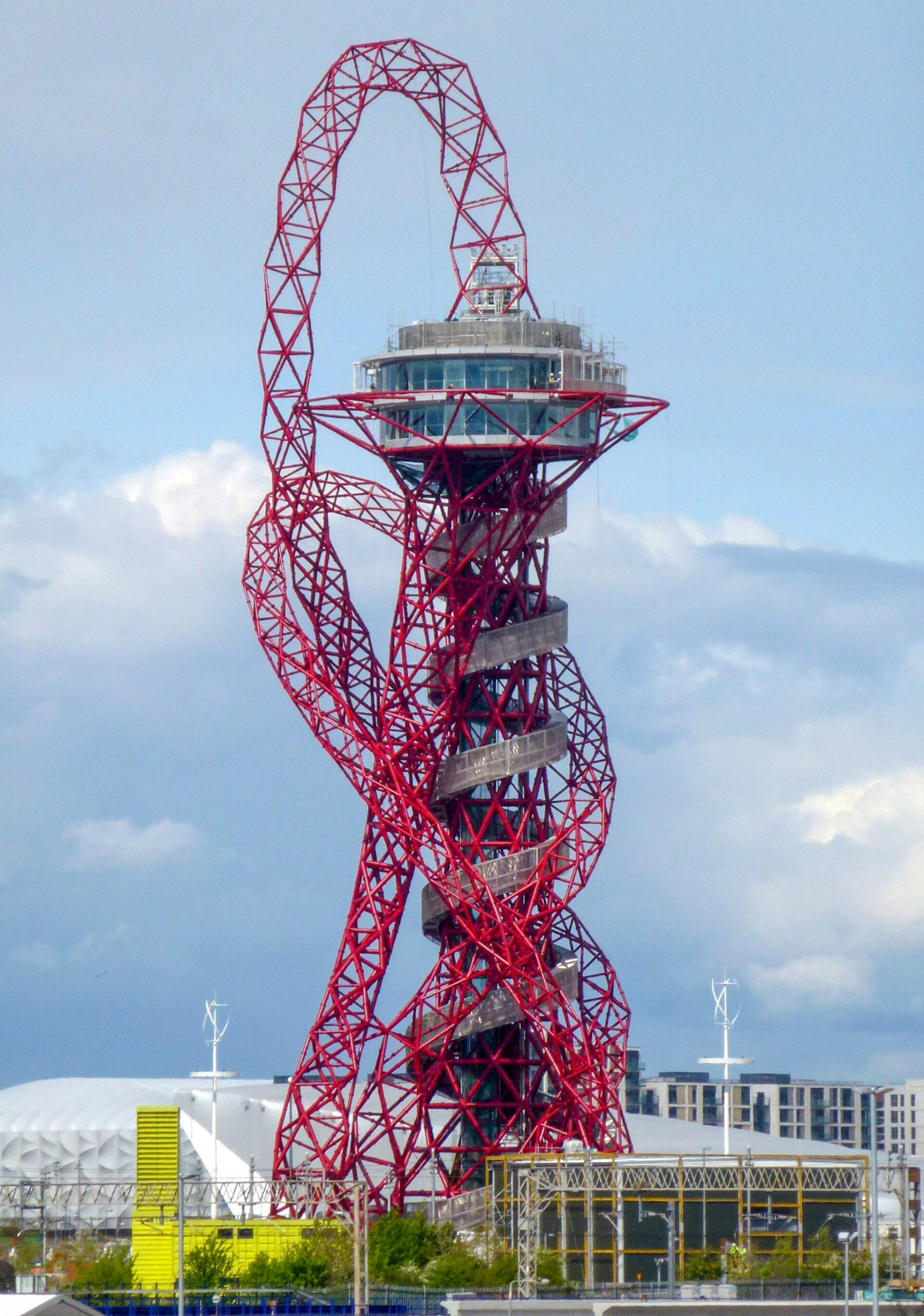
Among Kapoor’s most widely recognised public sculptures is Cloud Gate (2004) at the Millenium Park in Chicago, nicknamed ‘The Bean’ for its shape; the 100-tonne polished stainless steel structure mirrors and distorts the city’s skyline and park visitors as they move around and under it. The concave circular Sky Mirror (2006), exhibited at various locations, similarly presents a view of the sky at ground level. In 2011, Kapoor collaborated again with Balmond to create ArcelorMittal Orbit, a 115-metre-tall asymmetrical latticed tower in London — then the largest public sculpture in the UK — commissioned by the city to mark the 2012 Olympic Games hosted there. In 2025, the Monte Sant’Angelo subway station in Naples was opened, a space designed by Kapoor in collaboration with architects Jan Kaplický and Amanda Levete, featuring huge lip-like steel and aluminium forms through which passengers descend and ascend — inspired by the city’s Mt Vesuvius and the entrance to Dante’s Inferno.
Controversies
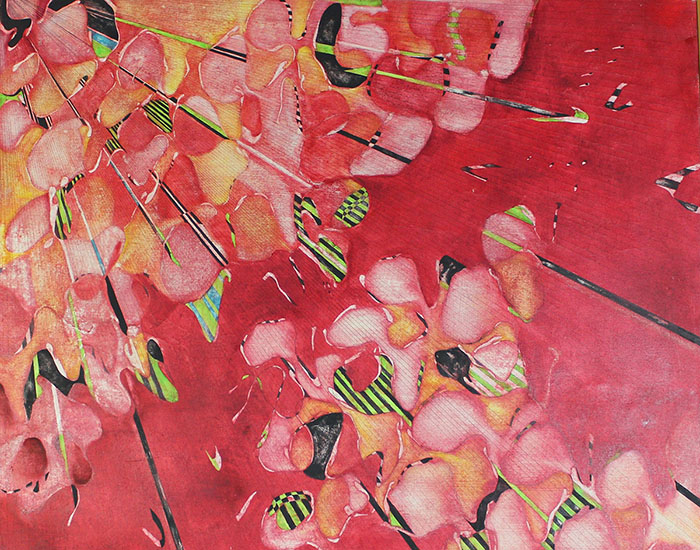
Kapoor has taken political stands, including against anti-Semitism, Islamophobia, racism and fascism, through his work as well as his writing and statements. His large sculpture Dirty Corner (2015), installed in the grounds of the Palace of Versailles, was vandalised twice; Kapoor wished to retain the racist graffiti as a record of bigotry and fundamentalism in society. In 2016 Kapoor angered many when he acquired exclusive rights to use the pigment Vantablack, developed for use in science and defence, and at the time the world’s darkest pigment. He has used it to coat a number of works furthering his exploration of illusion and the idea of voids, such as Descent into Limbo, first made in 1992. He worked with Greenpeace in 2025 to create Butchered, a 96-square-metre canvas hung from an active gas rig in the North Sea, which was coloured with a large crimson stain as a statement on environmental damage caused by large scale industry.
Exhibitions
Kapoor has exhibited widely at major venues and events around the world, and is considered among the most influential contemporary artists globally. Retrospectives of his work have taken place at, among other venues, the Royal Academy of Arts, London (2009), the National Gallery of Modern Art, New Delhi (2010–11), and ARKEN Museum of Contemporary Art (2024), Ishøj. In 2022 he exhibited simultaneously across two venues in Venice — the Gallerie dell’Accademia, where he became the first British artist to have a solo show, and the Palazzo Priuli Manfrin, a sixteenth-century mansion he has purchased and renovated to serve as the headquarters of the Anish Kapoor Foundation. At Anish Kapoor: Painting (2021–22) at Modern Art Oxford, he displayed his paintings for the first time — showing landscapes and abstract forms overflowing with blood — among various installations depicting human flesh, skin and viscera.
Awards and honours
Among various awards, Kapoor has received the Premio Duemelia at the Venice Biennale (1990) and the Turner Prize in 1991. He was elected Royal Academician by the Royal Academy of the Arts in 1999 and an honorary fellow of the Royal Institute of British Architects (RIBA) in 2001. In 2003, he was appointed as a Commander of the Order of the British Empire, and received a knighthood in 2013.
At the time of writing, Kapoor lives and works in London.
First published: 28 April 2026
Image Gallery
Bibliography
Abrams, Amah-Rose. “Anish Kapoor: From Conceptualism to Activism.” Artnet, December 8, 2015. Accessed December 16, 2024. https://news.artnet.com/art-world/anish-kapoor-386786.
Adams, Tim. “Anish Kapoor’s Orbit Tower: The Mother of All Helter-Skelters.” The Guardian, May 5, 2012. https://www.theguardian.com/artanddesign/2012/may/06/olympics-orbit-anish-kapoor.
Arqa. “Monte Sant’Angelo Subway Station.” September 15, 2025. https://arqa.com/en/architecture/monte-santangelo-subway-station.html.
Gayle, Damien. “Huge ‘Butchered’ Artwork Installed on North Sea Gas Rig by Greenpeace Activists.” The Guardian, August 14, 2025. Accessed April 27, 2026. https://www.theguardian.com/environment/2025/aug/14/greenpeace-activists-install-huge-artwork-by-anish-kapoor-on-north-sea-gas-rig.
Gibbs Farm. “Anish Kapoor, Dismemberment, Site 1.” Accessed April 21, 2022. https://gibbsfarm.org.nz/kapoor.php.
Guggenheim New York. “Anish Kapoor.” Accessed April 21, 2022. https://www.guggenheim.org/artwork/artist/anish-kapoor.
Higgins, Charlotte. “A Life in Art: Anish Kapoor.” The Guardian, November 8, 2008. Accessed April 21, 2022. https://www.theguardian.com/artanddesign/2008/nov/08/anish-kapoor-interview.
Higgins, Charlotte. “Venice in Vantablack: Anish Kapoor’s Disappearing Act.” The Guardian, April 21, 2022. Accessed April 20, 2026. https://www.theguardian.com/artanddesign/2022/apr/21/anish-kapoor-venice-exhibitions-vantablack.
Jones, Jonathan. “Anish Kapoor on Vaginas, Recovering from Breakdown and His Violent New Work: ‘Freud Would Have a Field Day’.’’ The Guardian, September 30, 2021. Accessed April 17, 2026. https://www.theguardian.com/artanddesign/2021/sep/30/anish-kapoor-vaginas-breakdown-violent-blackest-black-freud-field-day.
Kapoor, Anish. Artist’s website. Accessed April 20, 2026. https://anishkapoor.com/.
Kennedy, Maev. “Tate Unveils Its Biggest Work.” The Guardian, October 9, 2002. https://www.theguardian.com/uk/2002/oct/09/arts.artsnews1.
Lisson Gallery. “Anish Kapoor.” Accessed April 22, 2022. https://www.lissongallery.com/artists/anish-kapoor.
Lisson Gallery. “Naples Opens Landmark Subway Station Designed by Anish Kapoor.” September 9, 2025. https://www.lissongallery.com/news/naples-opens-landmark-subway-station-designed-by-anish-kapoor.
Modern Art Oxford. “Anish Kapoor: Painting.” https://www.modernartoxford.org.uk/whats-on/anish-kapoor-painting.
Mead, Rebecca. “Anish Kapoor’s Material Values.” The New Yorker, August 15, 2022. https://www.newyorker.com/magazine/2022/08/22/anish-kapoors-material-values.
Public Art Fund. “Anish Kapoor: Descension.” Accessed April 21, 2022. https://www.publicartfund.org/exhibitions/view/anish-kapoor-descension/.
Raz-Russo, Michal. “Anish Kapoor.” Encyclopaedia Britannica, Last updated December 13, 2024. Accessed December 16, 2024. https://www.britannica.com/biography/Anish-Kapoor.
Royal Academy of Arts. “Sir Anish Kapoor RA (b. 1954).” Accessed April 15, 2026. https://www.royalacademy.org.uk/art-artists/name/anish-kapoor-ra.
Sooke, Alastair. “The Rise & Rise of Anish Kapoor Inc.” Telegraph, April 2, 2010. Accessed April 22, 2022. https://web.archive.org/web/20100404005646/http://www.telegraph.co.uk/culture/culturecritics/alastairsooke/7546719/The-rise-and-rise-of-Anish-Kapoor-Inc..html (archived).
Virtual Museum of Posthumanist Art. “Anish Kapoor, Svayambhu, 2007.” Accessed April 21, 2022. https://web.archive.org/web/20210517012440/https://vmpa.omeka.net/exhibits/show/multiplicity/anish-kapoor—svayambhu–2007 (archived).
Feedback