-
ChicagoImpart Encyclopedia of Art. "Varada Mudra." April 21, 2022. https://imp-art.org/articles/varada-mudra/.
-
MLA"Varada Mudra." Impart Encyclopedia of Art, Apr. 21, 2022, https://imp-art.org/articles/varada-mudra/.
-
HarvardImpart Encyclopedia of Art (2022) Varada Mudra. Available at: https://imp-art.org/articles/varada-mudra/ (Accessed: 3 March 2026).
One of the five common mudras or sacred gestures in Buddhist iconography and practice, the varada or ‘boon-granting’ mudra represents generosity and compassion and is also called the dana or ‘charity’ mudra. In both sitting and standing positions, the hand is allowed to rest or hang at hip- or waist-level with the palm facing outward and the fingers pointing downward. Among the five celestial Tathagata or Dhyani Buddhas, considered to represent cardinal qualities, the varada mudra is associated with Ratnasambhava.
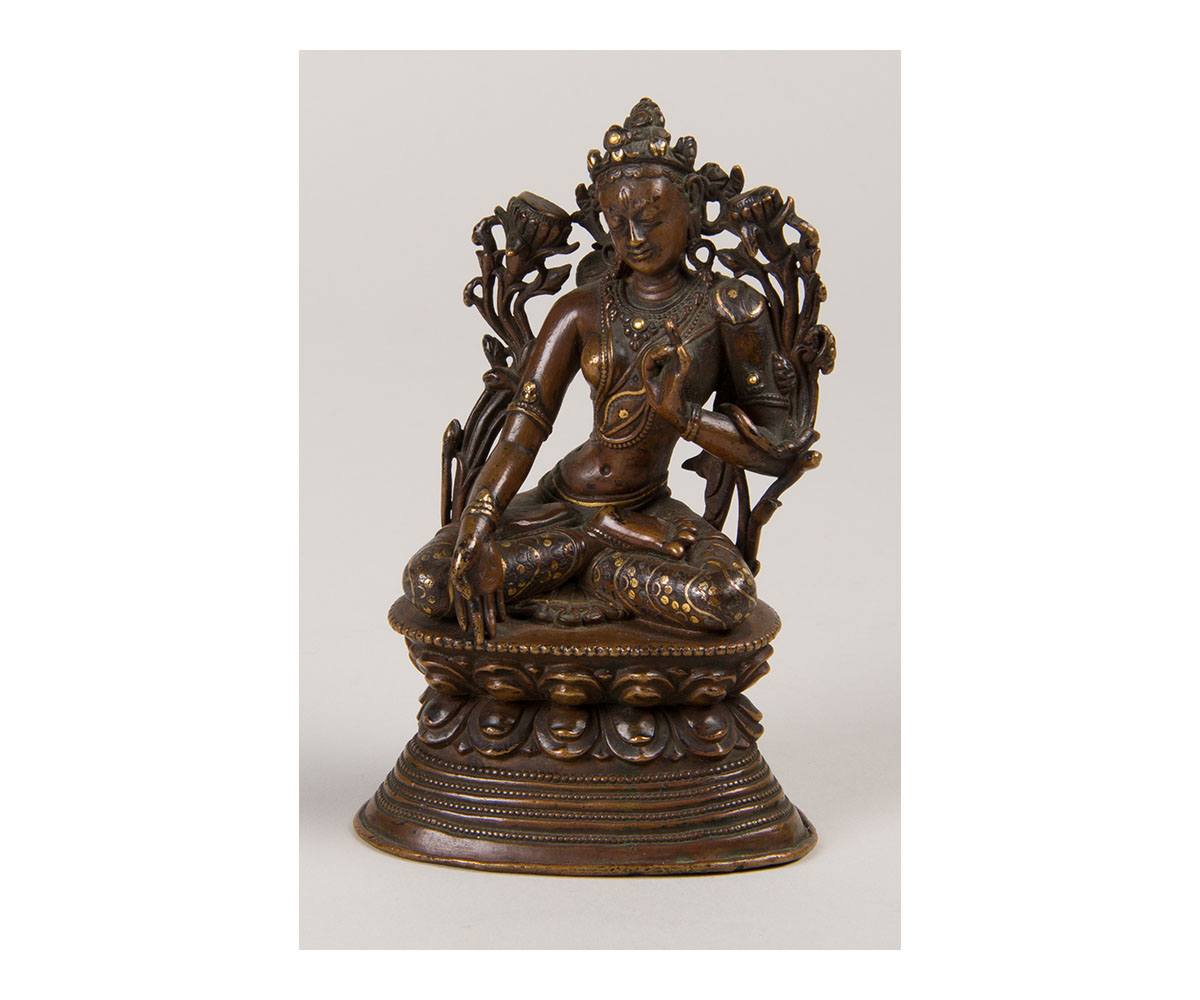
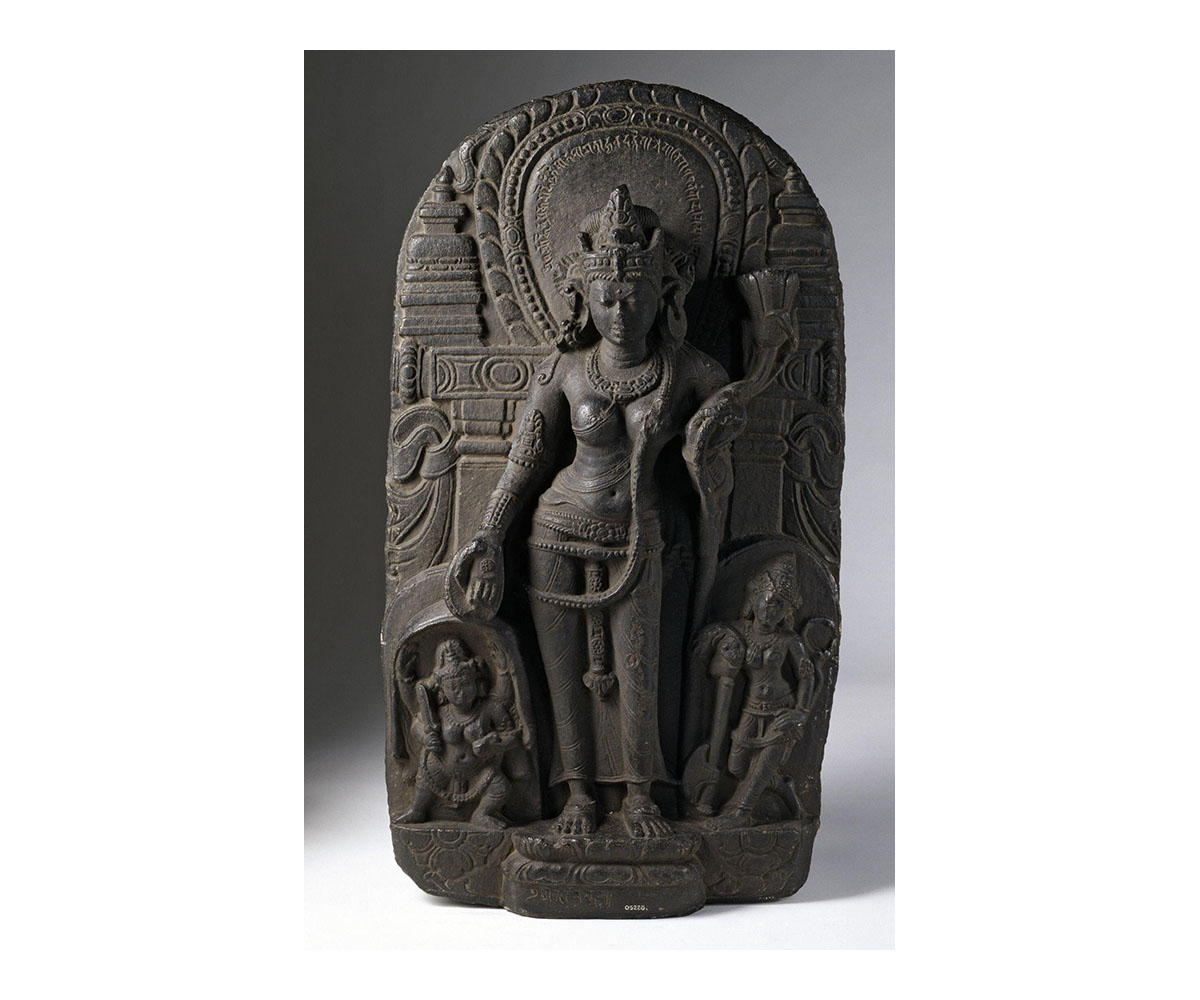
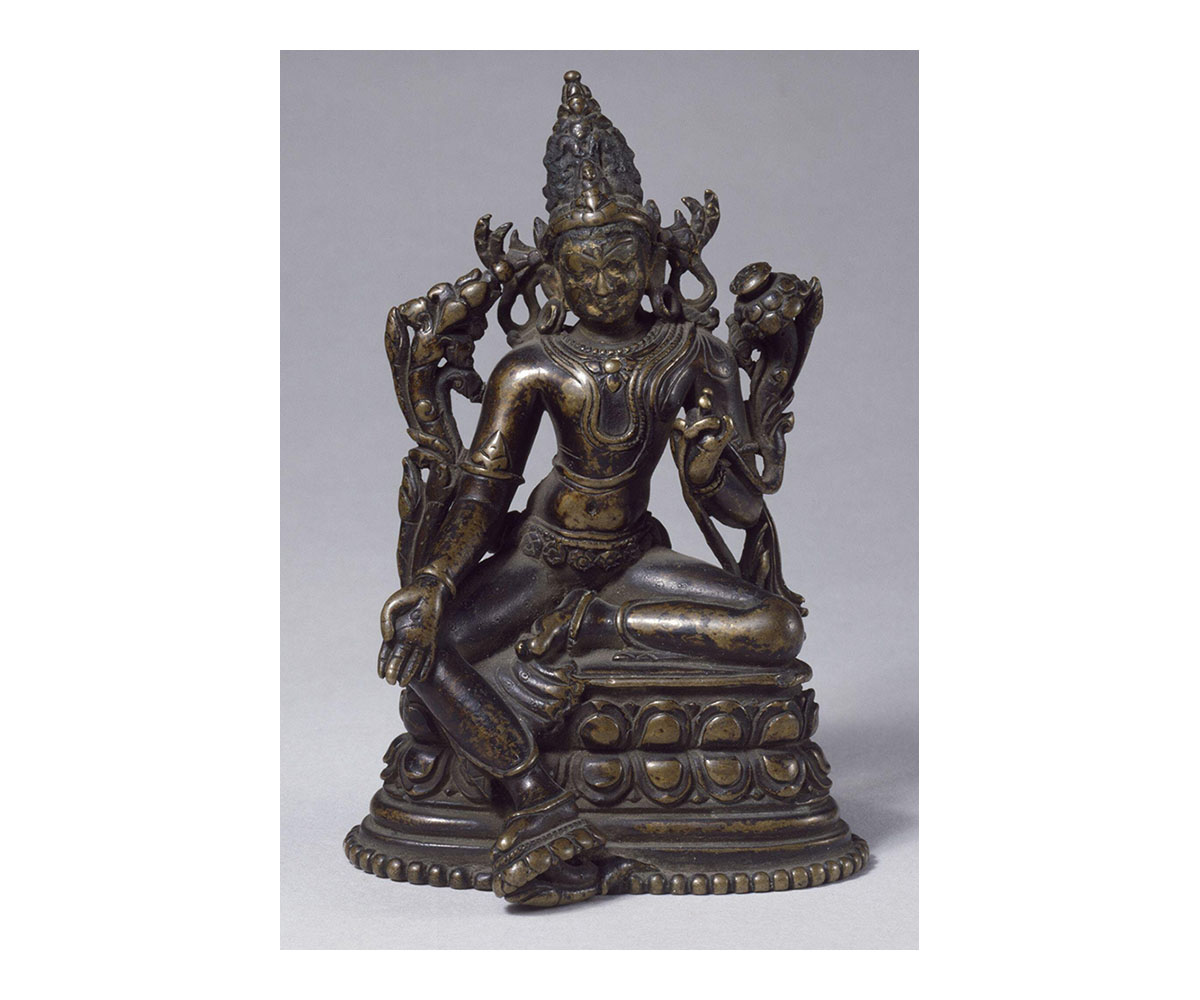
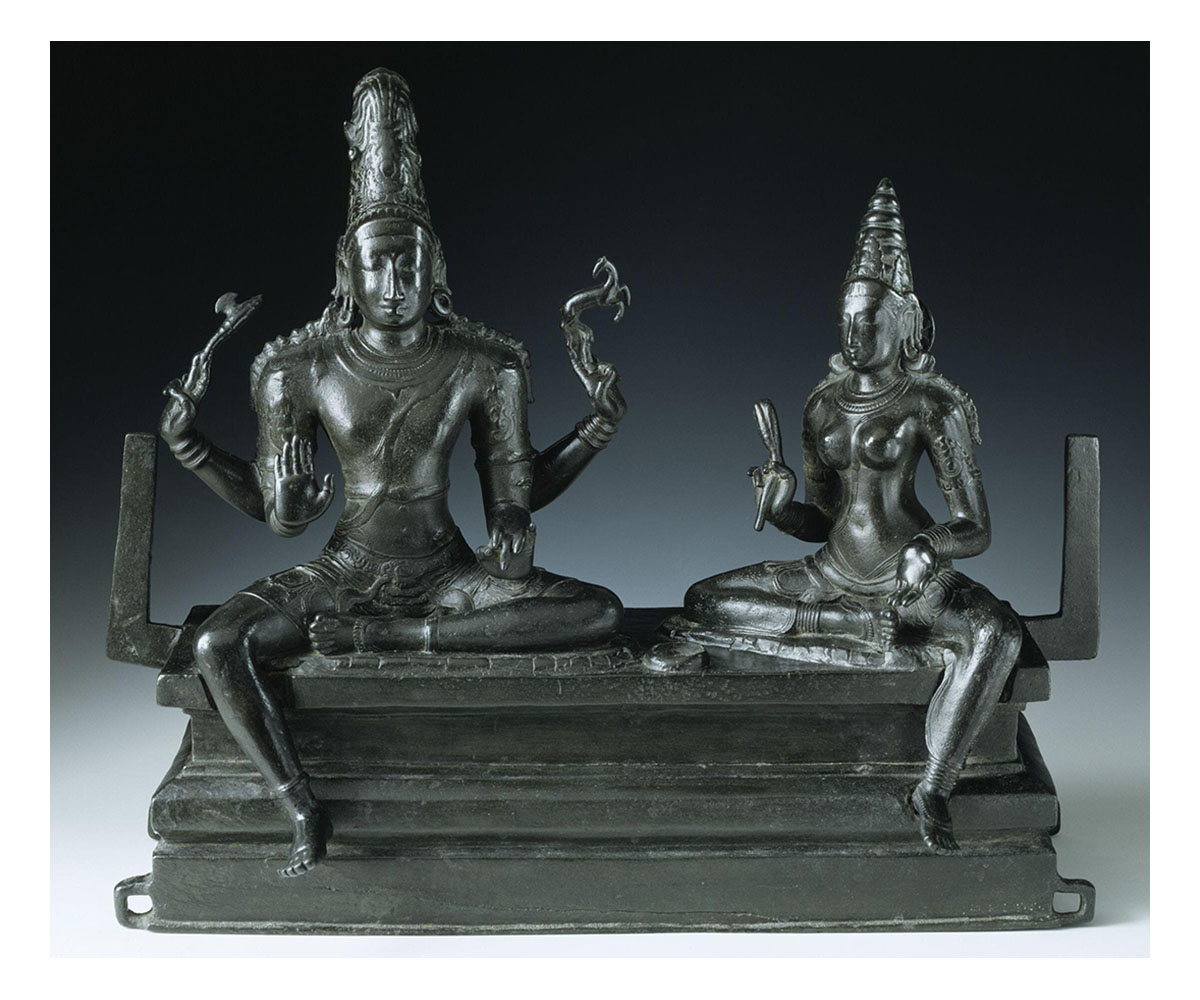
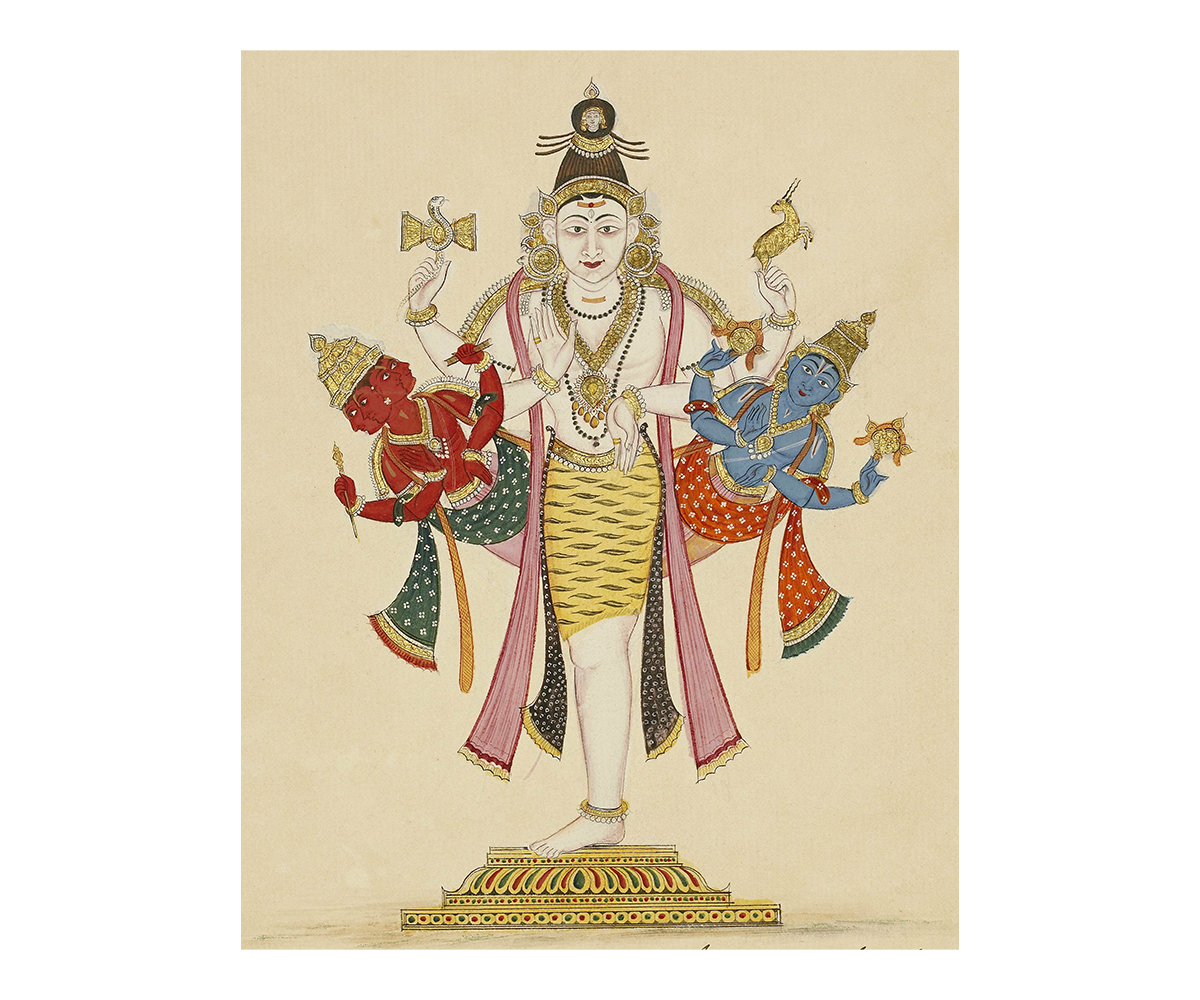
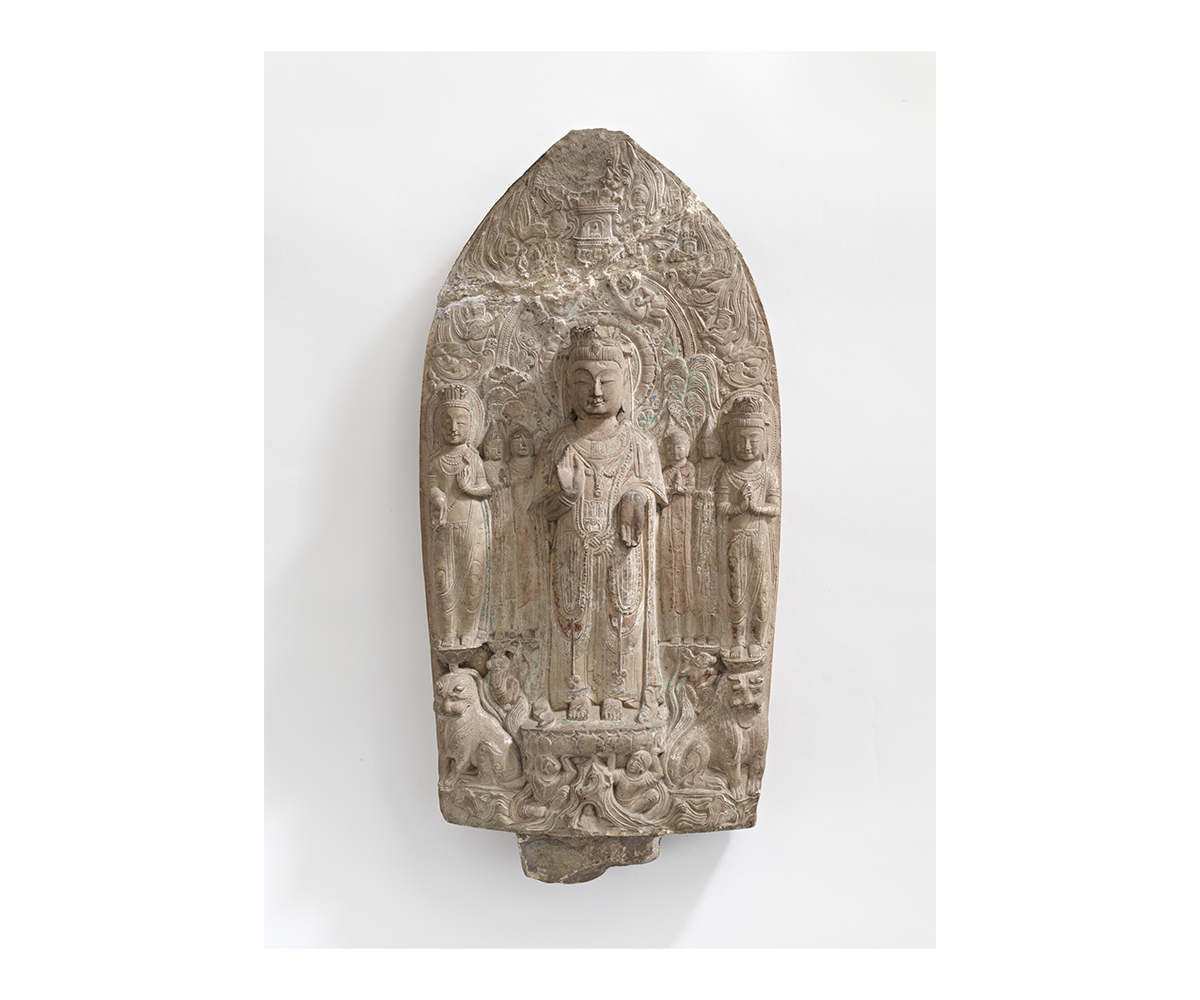
Generally understood to denote generosity or the fulfilling of vows, it is also associated with salvation and deliverance, and frequently features in depictions of deities or figures whose purpose is the liberation of humankind from greed, anger and delusion. In some interpretations, the extended fingers also have symbolic value, connoting the five perfections or paramitas — generosity, morality, patience, perseverance and meditative focus. In India, this mudra makes its earliest appearance in depictions of Avalokitesvara during the fourth and fifth centuries CE.
Often performed with the right hand, it is usually done with the left when paired with the abhaya mudra. The combination of varada and abhaya mudras is thought to connote the conceptual union of the female and male aspects of wisdom and agency respectively.
First published: 21 April 2022
Image Gallery
Bibliography
Ables, Kelsey. n.d. “The Complex Meanings behind Hand Gestures in Buddhist Art.” Artsy, March 28, 2019. Accessed July 8, 2020. https://www.artsy.net/article/artsy-editorial-complex-meanings-hand-gestures-buddhist-art.
Asian Art|Mudras: Buddhist Hand Positions. n.d. “Varada Mudra.” Accessed 6 August 2020. https://www.burmese-art.com/about-buddha-statues/hand-positions/varada-mudra.
Beer, Robert. The Encyclopedia of Tibetan Symbols and Motifs. Boston: Shambhala, 1999.
Behrendt, Kurt. “Tibet and India Buddhist Traditions and Transformations” The Metropolitan Museum of Art Bulletin LXXI, no. 3 (2014).
Bruce, Fredrick W. Mudras in Buddhist and Hindu Practices: An Iconographic Consideration. New Delhi: D. K. Printworld (p) Ltd, 2005.
Kossak, Steven. “The Arts of South and Southeast Asia” The Metropolitan Museum of Art Bulletin LI, no. 4 (2011).
Munsterberg, Hugo. Art of India and South East Asia. New York: Harry N. Abrams Inc, 1970.
Samad, Rafi. The Ancient Buddhist Civilization of the Swat, Peshawar, Kabul and Indus Valleys. New York: Algora Publishing, 2011.
Feedback