-
ChicagoImpart Encyclopedia of Art. "Raghu Rai." April 21, 2022. https://imp-art.org/articles/raghu-rai/.
-
MLA"Raghu Rai." Impart Encyclopedia of Art, Apr. 21, 2022, https://imp-art.org/articles/raghu-rai/.
-
HarvardImpart Encyclopedia of Art (2022) Raghu Rai. Available at: https://imp-art.org/articles/raghu-rai/ (Accessed: 21 September 2026).
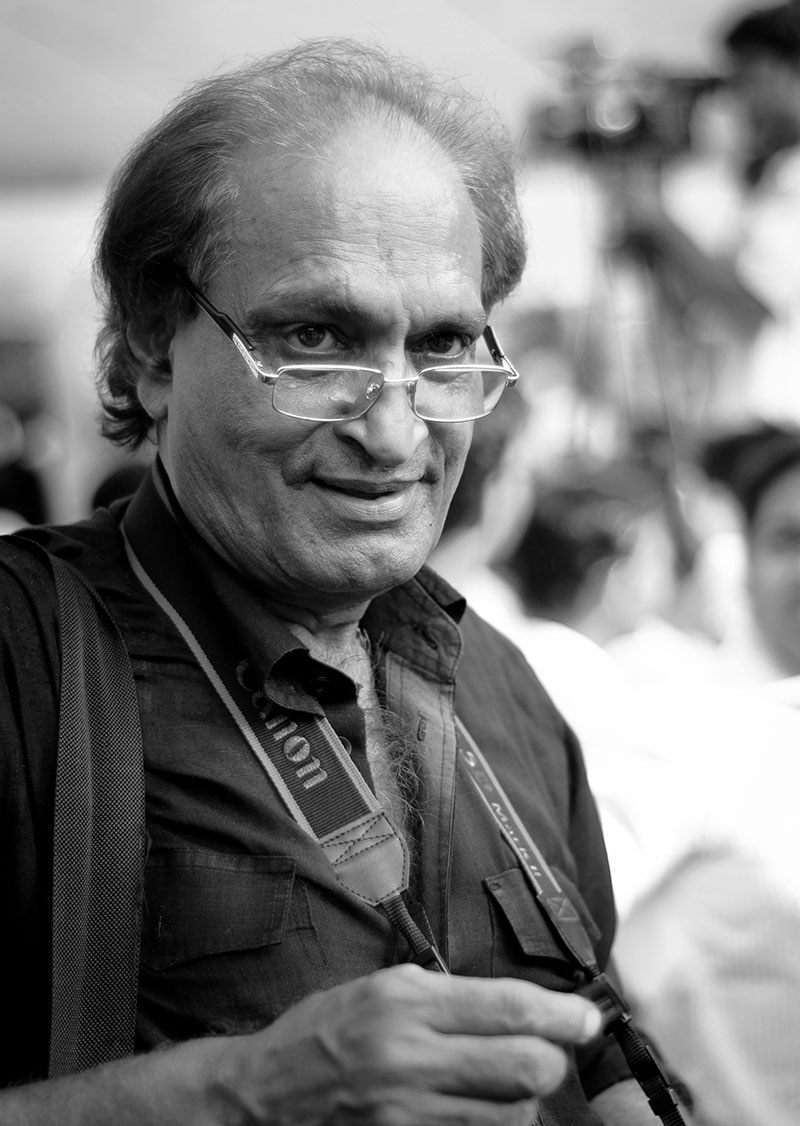
One of post-Independence India’s most renowned photographers, Raghu Rai is known for his social and political coverage of the country and his photojournalistic work abroad.
Rai was born in Jhang, Punjab, British India (now in Punjab, Pakistan). Though trained as a civil engineer, he was initiated into photography in 1962 by his elder brother, S Paul. Paul, who was an award winning photographer, submitted one of his brother’s photographs to a weekly photography competition run by The Times in London in 1965. Upon winning the competition, Rai was hired by the newspaper The Statesman, where he held the position of chief photographer for a decade. In 1971, Henri Cartier-Bresson encountered one of his photographs displayed in an exhibition at Galerie Delpire, Paris. Reportedly impressed by his ability to capture spontaneous movement and record a narrative through his images, Cartier-Bresson nominated him to join Magnum Photos, ultimately making him the first Indian to join the agency.
At the time, in 1977, Rai was working as a picture editor for the weekly news magazine Sunday, which he left in 1982 to join the national news magazine India Today as its director of photography. During his decade there, he designed several special issues and contributed photo essays on unfolding social, political and cultural issues of the time. Since 1992, Rai has been working as an independent photographer.
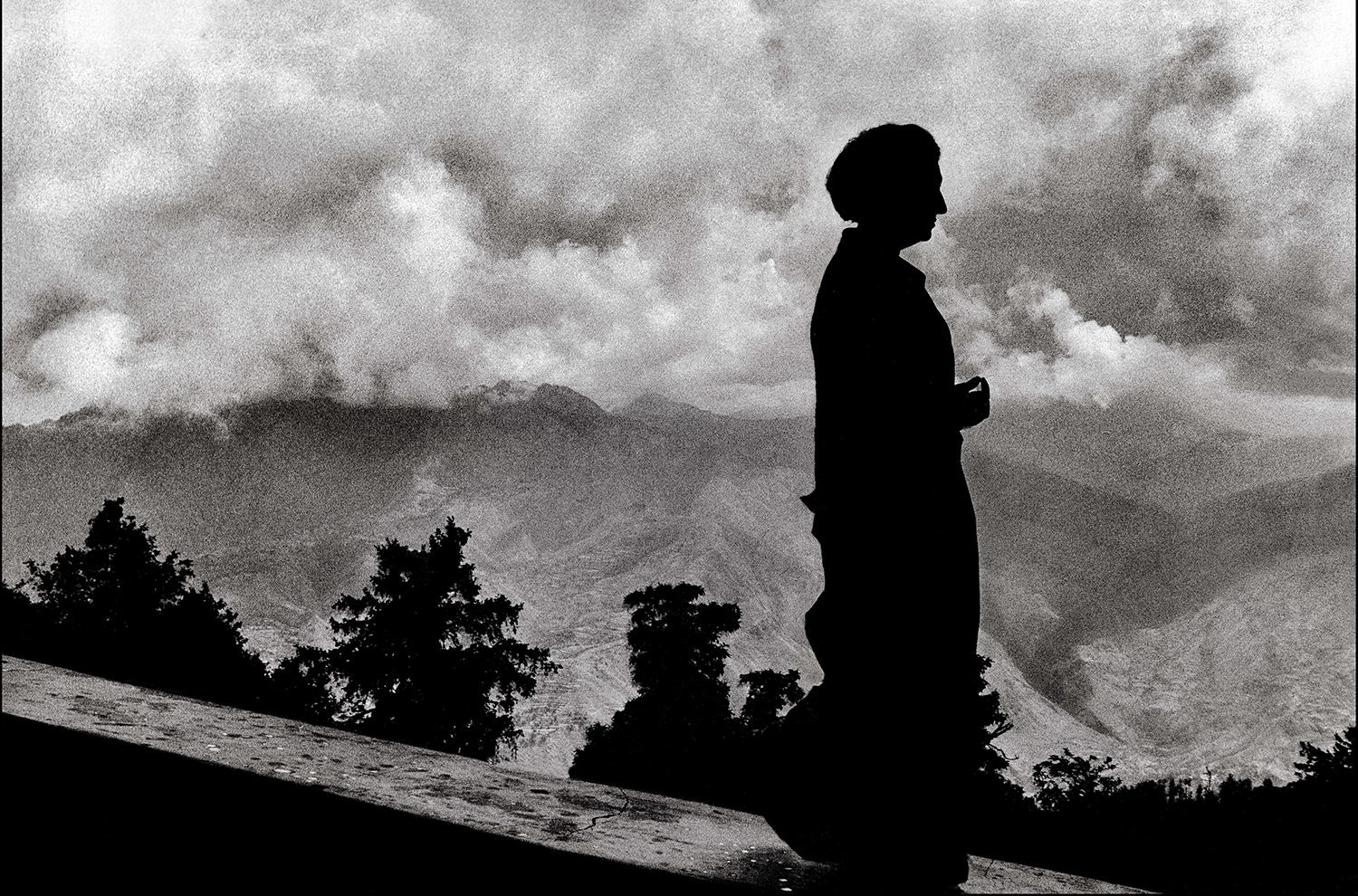
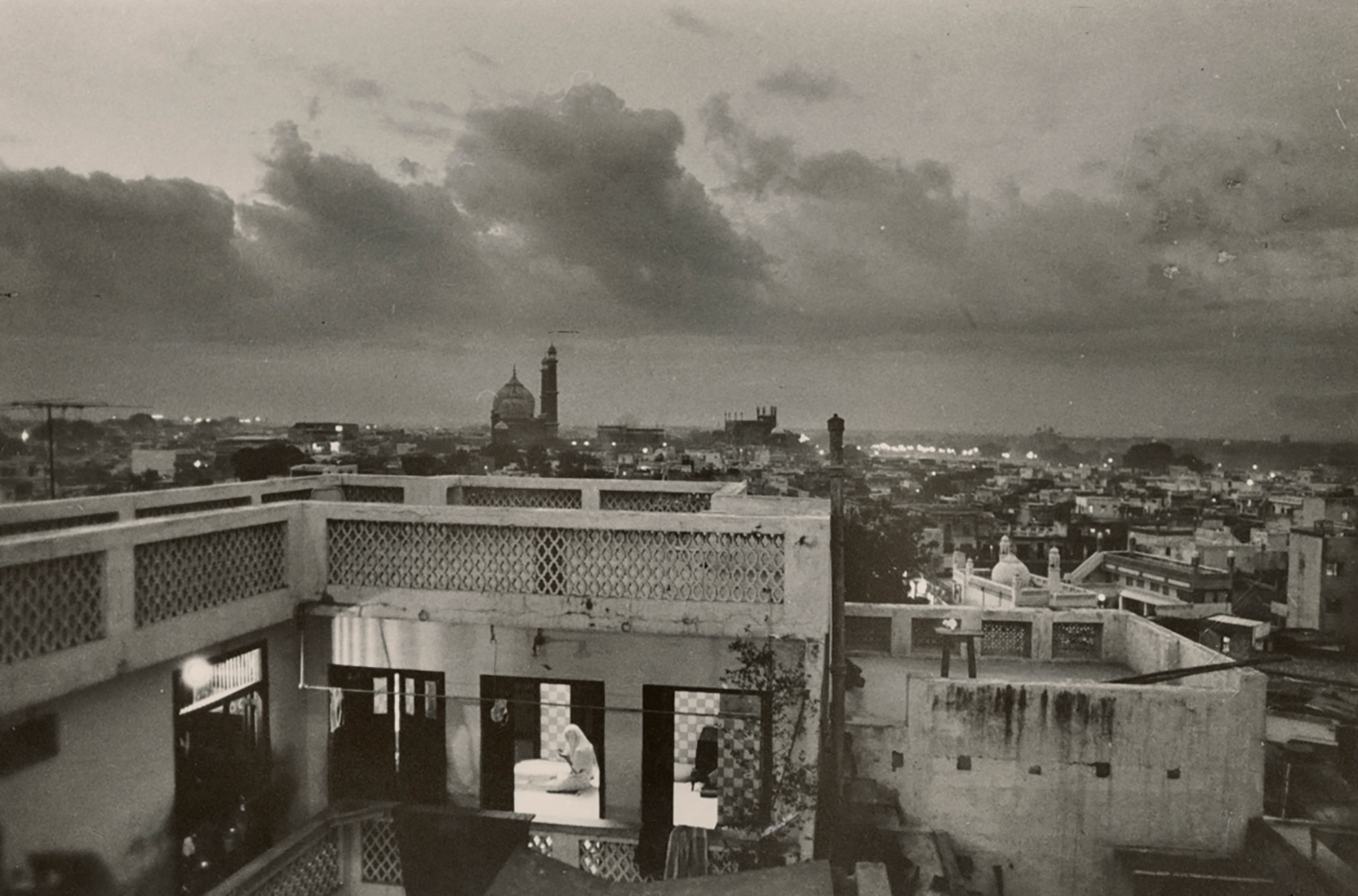
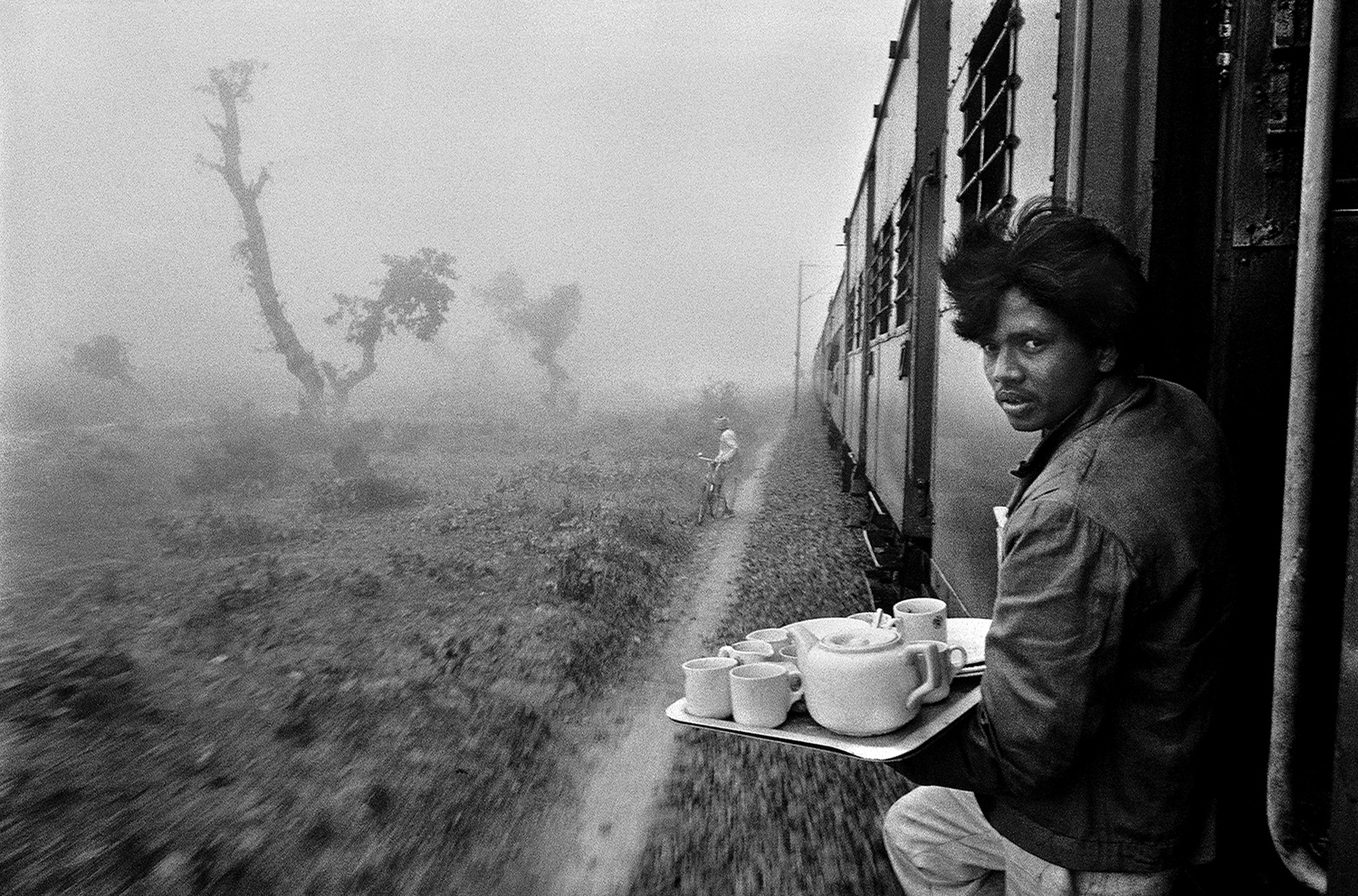
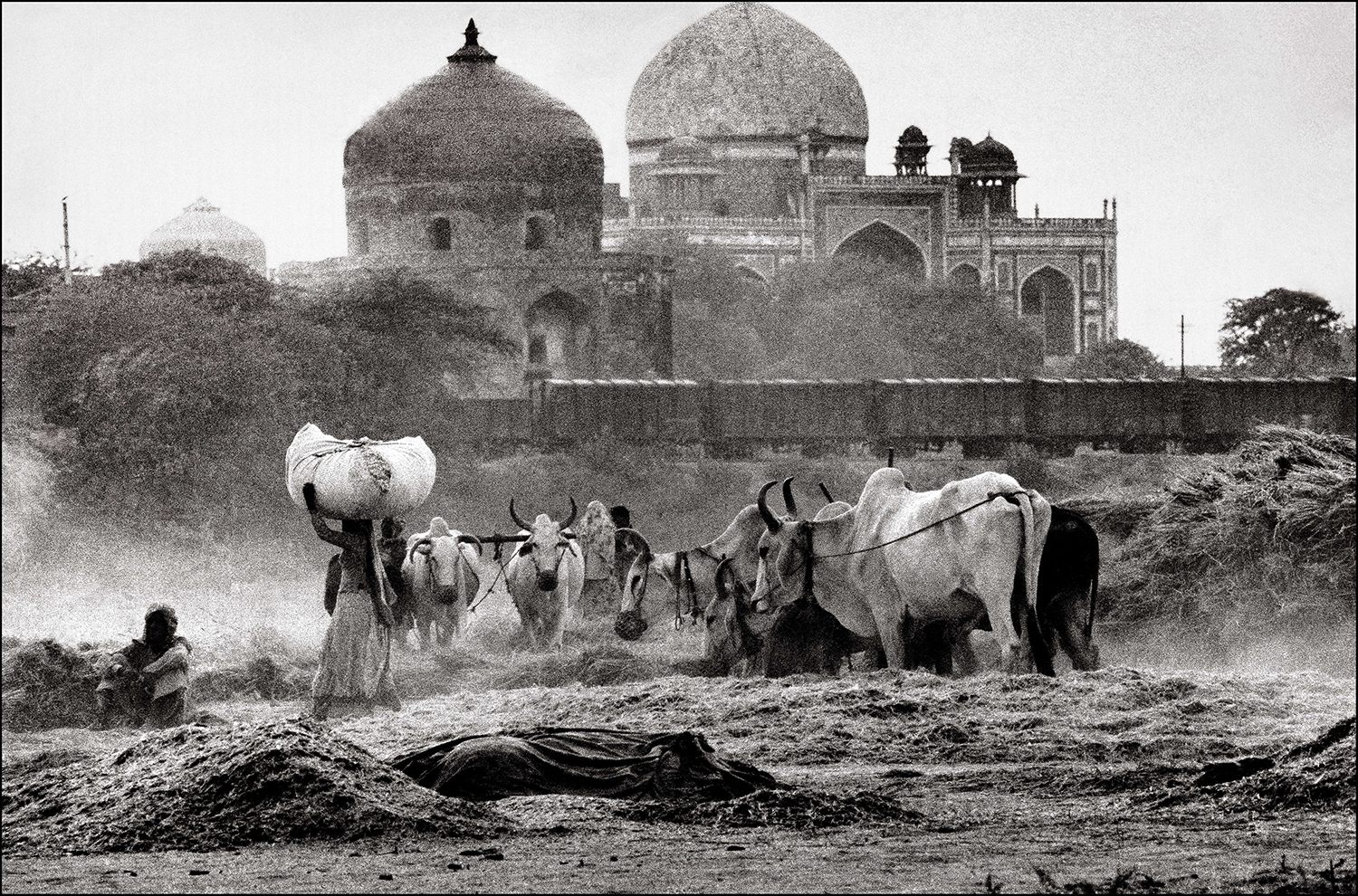
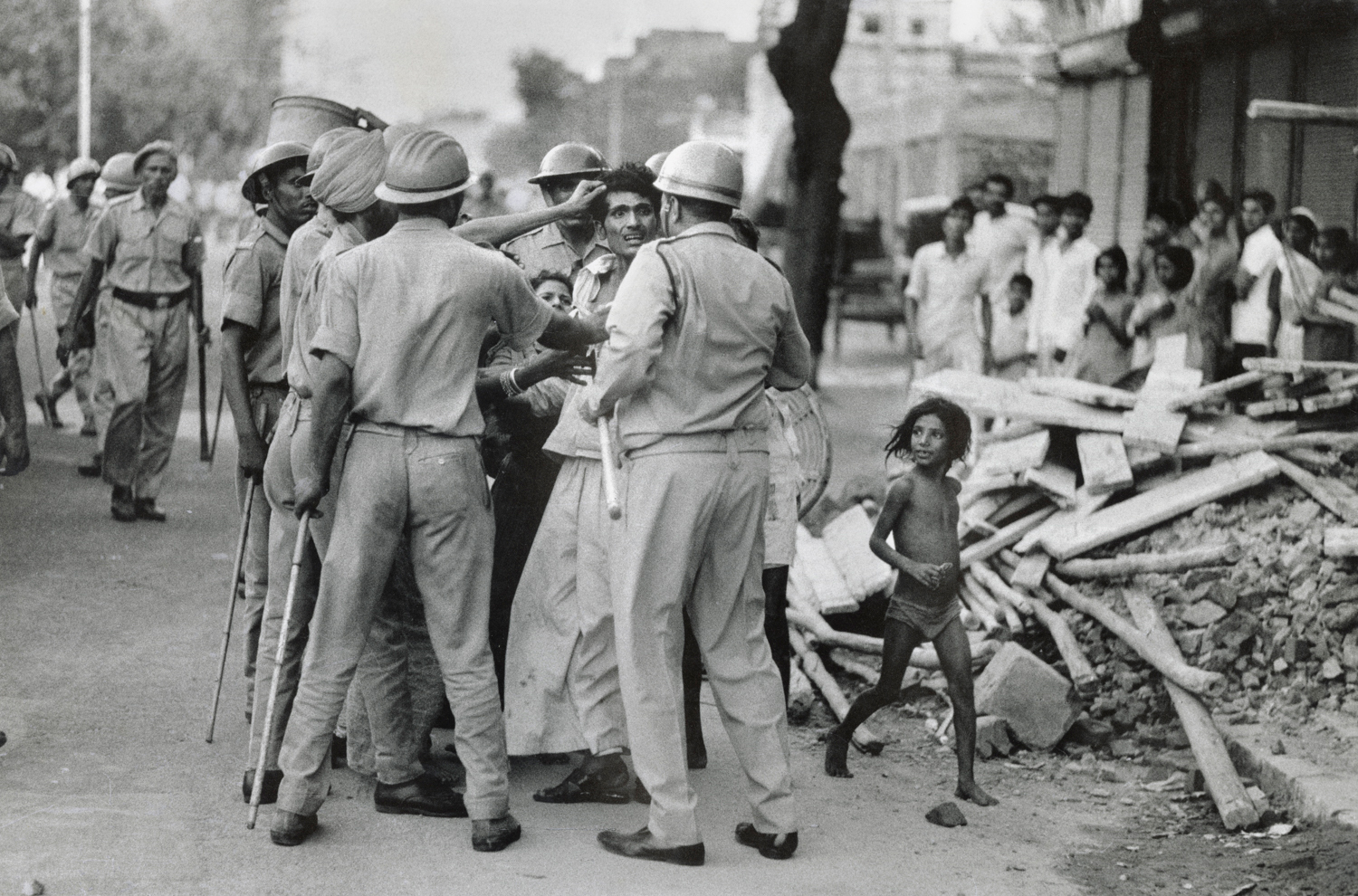
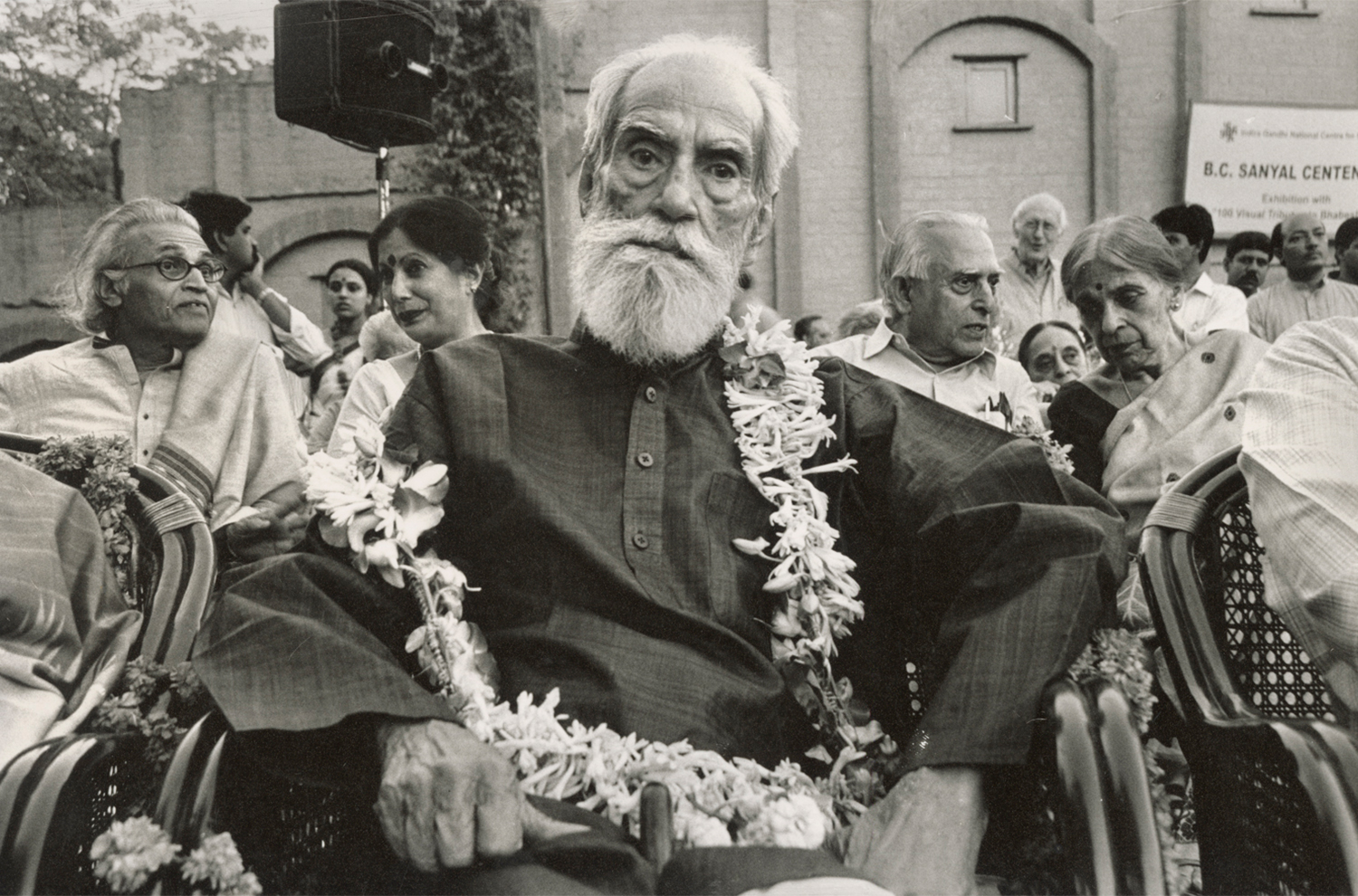
In his extensive coverage of India, Rai has photographed a range of subjects. The most prominent themes that emerge from his vast oeuvre – spanning thirty books – are his documentation of social and political events, his street photography and his portraiture of historical figures. Among the most significant upheavals he has photographed are his images of the Bangladesh Liberation War of 1971, and an in-depth documentation of the Bhopal Gas Tragedy of 1984 and its continuing effects on the lives of the surviving victims.
Rai’s photographs have been exhibited in cities across the world, and his photo essays have been published widely in newspapers and news magazines such as Life, The New York Times, Newsweek and the New Yorker. His contributions to photography and journalism have been recognised and honoured by the government of India. In 1972, he was awarded the Padma Shri, and in 2017 he was presented with the Lifetime Achievement Award by the Information and Broadcasting Ministry of India. He has served thrice on the jury of the World Press Photo Contest and twice on the jury of UNESCO’s International Photo Contest. The Raghu Rai Foundation for Art and Photography maintains his archives which consist of over 2,000 gelatin prints, over 3,500 digital prints, over 60 personal picture books and 6 decades worth of original negatives.
Rai died in 2026 at the age of eighty-three in New Delhi.
First published: 21 April 2022
Image Gallery
Bibliography
Day, Elizabeth. “Raghu Rai | Interview”. The Guardian. January 17, 2010. https://www.theguardian.com/artanddesign/2010/jan/17/raghu-rai-photography-exhibitions-london.
Gaskell, Nathaniel and Diva Gujral. Photography in India: A Visual History from the 1850s to the Present. Prestel, 2018. .
“Raghu Rai.” Magnum Photos. https://www.magnumphotos.com/photographer/raghu-rai/.
“The Collection.” Raghu Rai Foundation. https://raghuraifoundation.org/the-collection/.
Feedback