-
ChicagoImpart Encyclopedia of Art. "Nim Qalam." October 26, 2023. https://imp-art.org/articles/nim-qalam/.
-
MLA"Nim Qalam." Impart Encyclopedia of Art, Oct. 26, 2023, https://imp-art.org/articles/nim-qalam/.
-
HarvardImpart Encyclopedia of Art (2023) Nim Qalam. Available at: https://imp-art.org/articles/nim-qalam/ (Accessed: 3 March 2026).
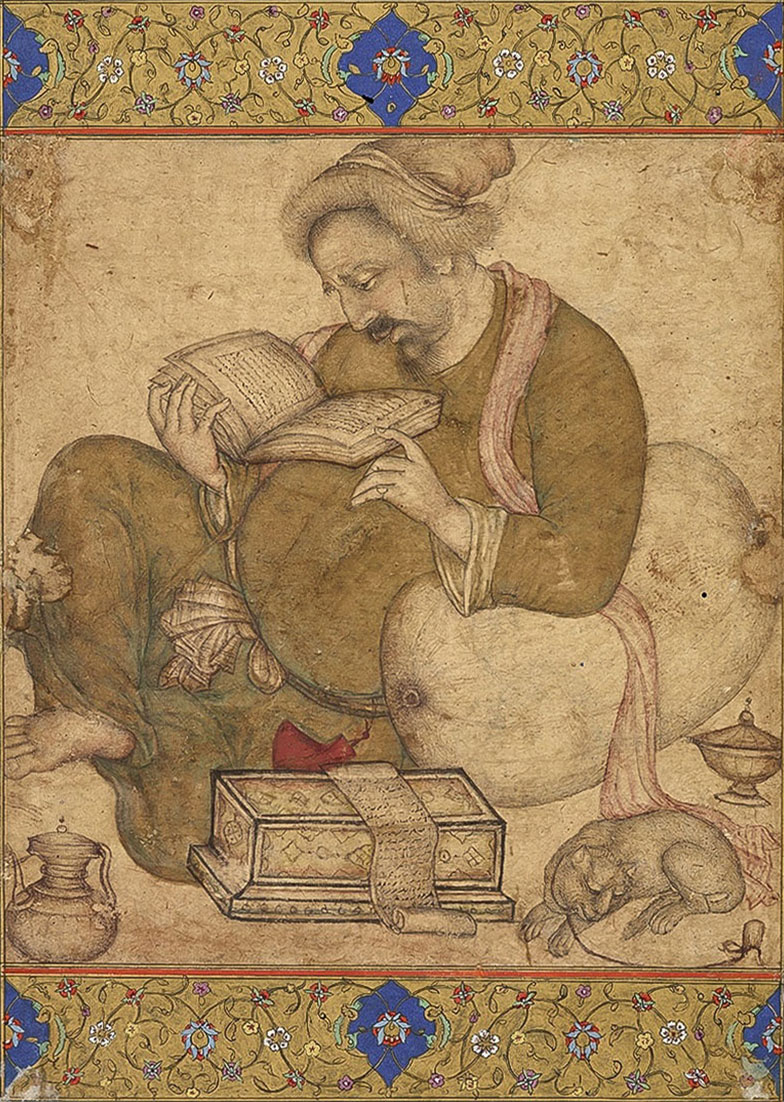
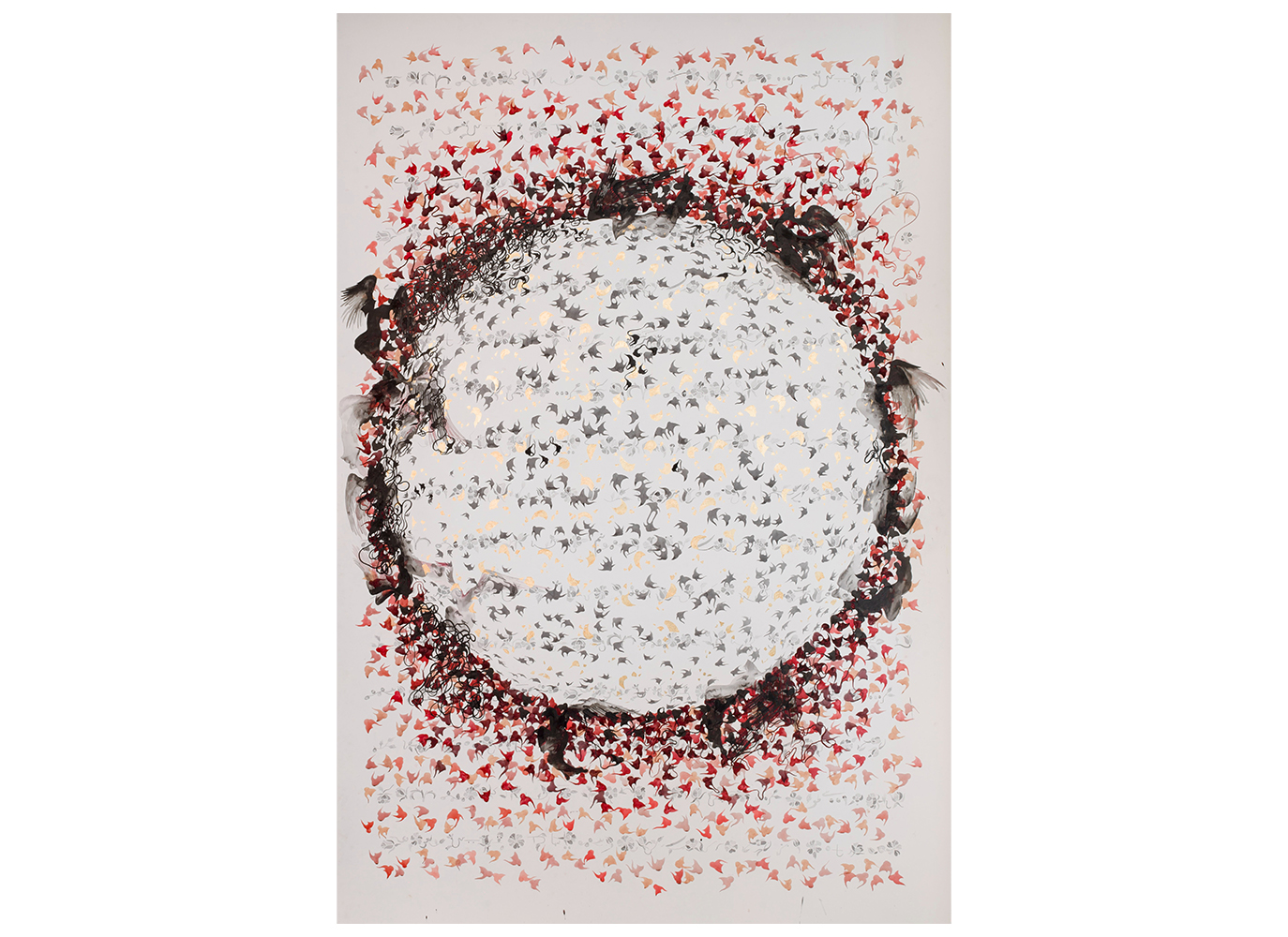
Also known as qalam-i-siyah, and siyah qalam, Persian for ‘black pen’, nim qalam is a drawing technique utilising monochromatic tones with highlights of colour or gold. It is similar to the grisaille technique of line drawing. The name is derived from the Persian nim, meaning ‘half’ and qalam, meaning ‘pen’.
The origins of the term and technique are not precisely known. Scholars speculate that it developed in sixteenth and seventeenth-century South Asia as court artists were introduced to European prints. The artists may have attempted to replicate the hatching, lack of colour and subdued shades in the prints by creating line drawings with tonal washes, adding highlights and shadows for emphasis and depth respectively.
The technique may have been first used by Basawan — a master artist in the court of Akbar — in the latter half of the sixteenth century, and is believed to have been his specialty. His execution of the technique is best seen in a series of European-style images based on the Polyglot Bible. Akbar commissioned many such works during his reign in the early seventeenth century. A number of court artists employed by Jahangir used the nim qalam technique to create paintings as well as to decorate the margins of their paintings.
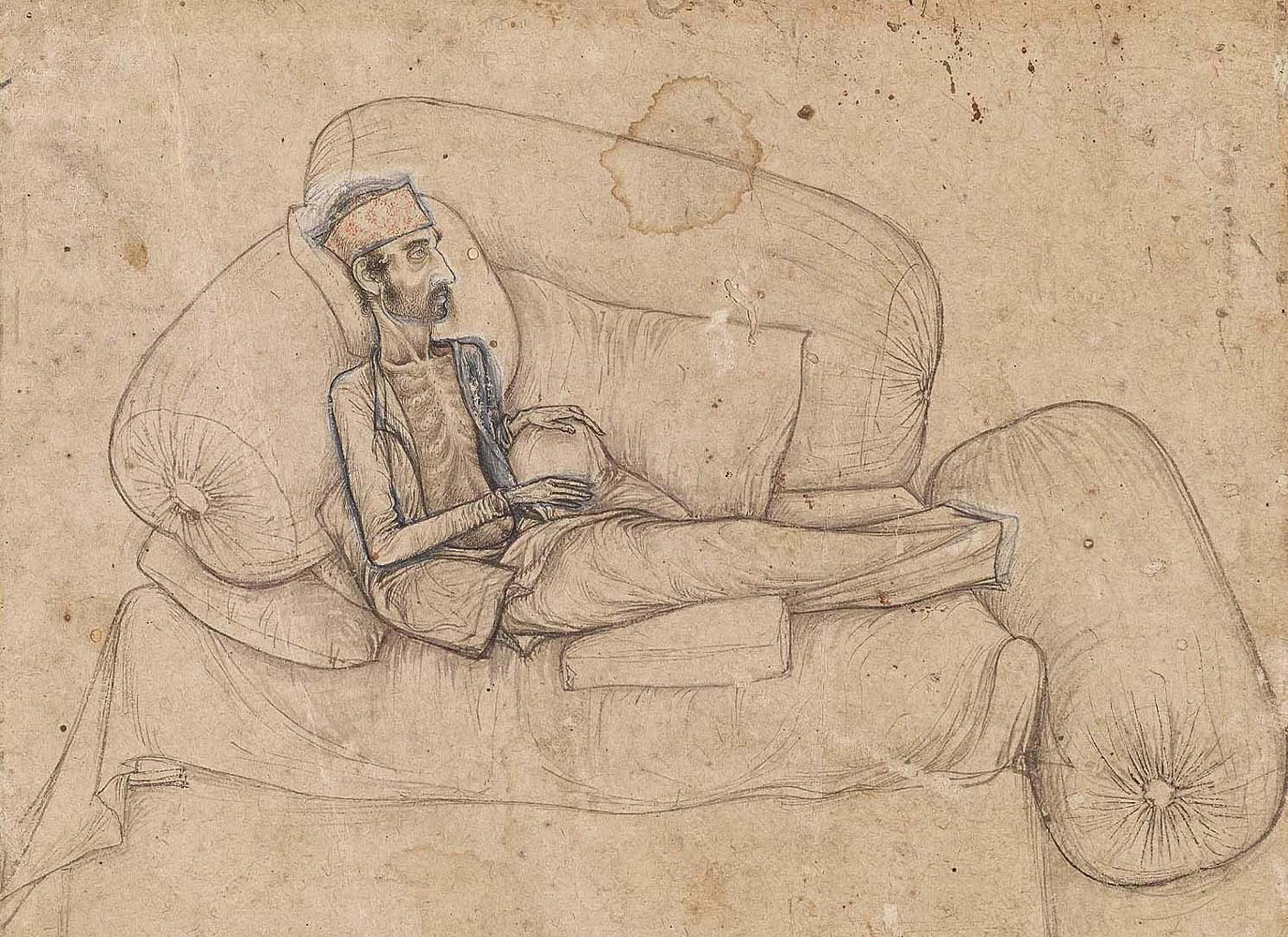
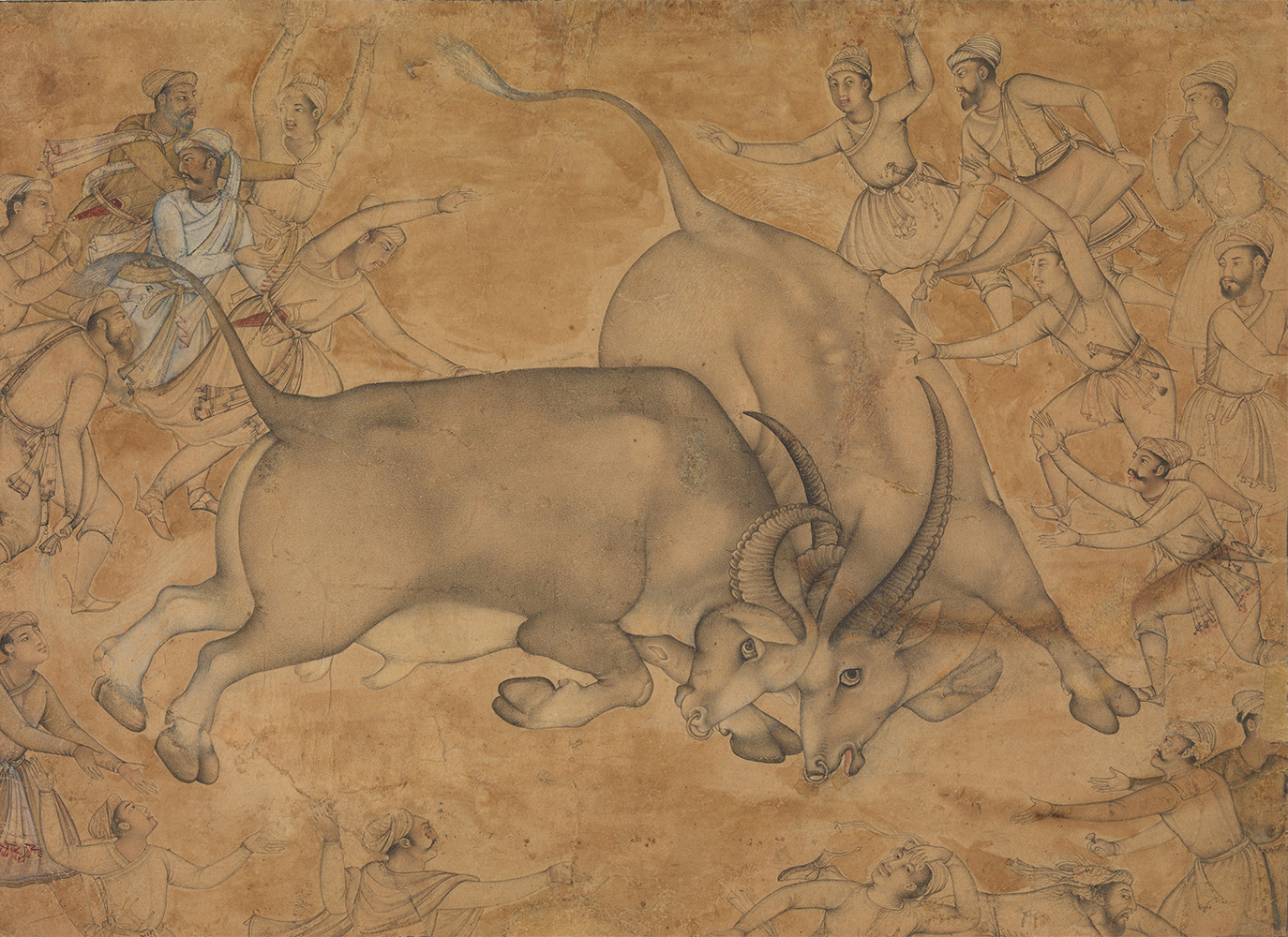
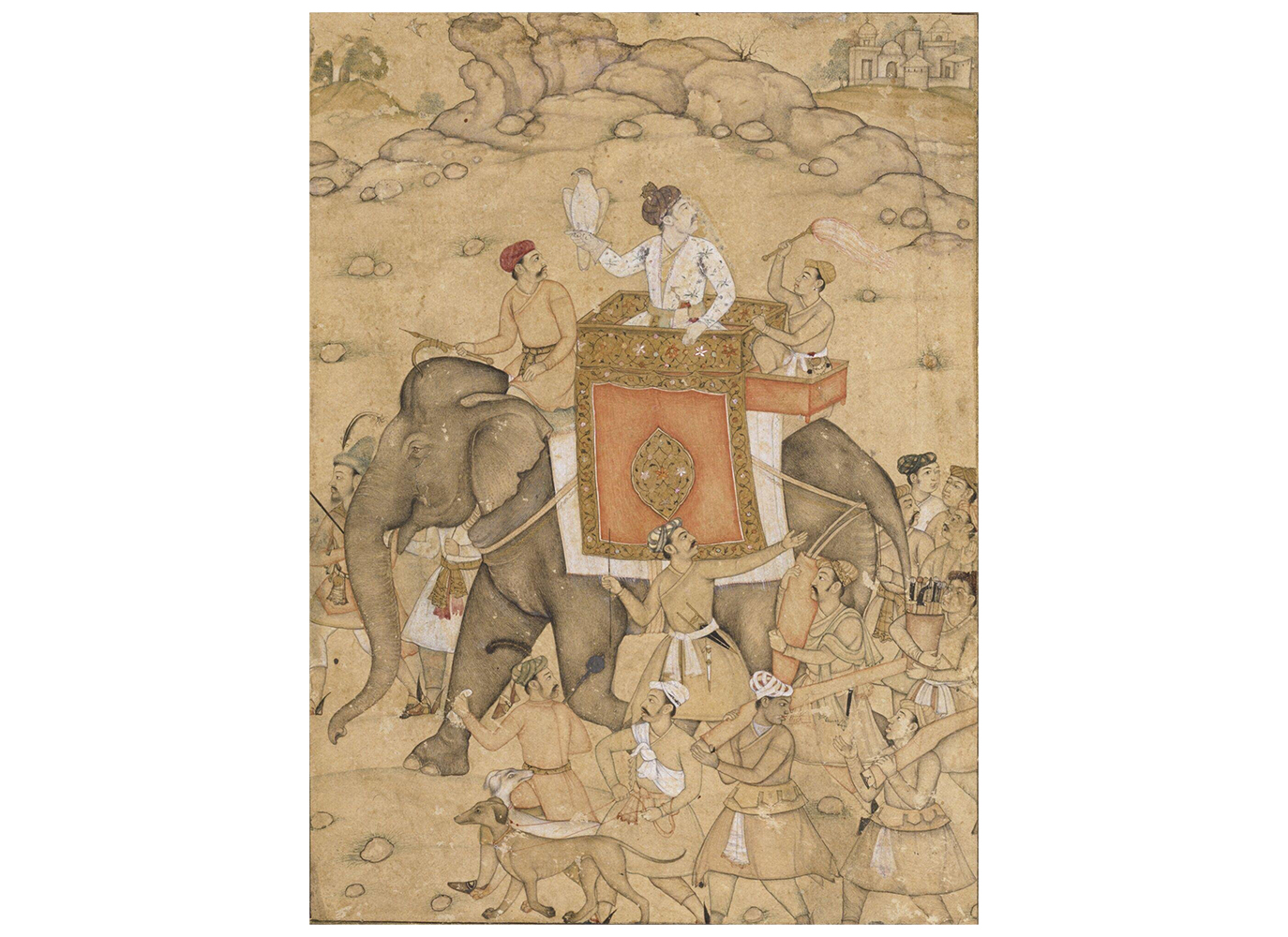
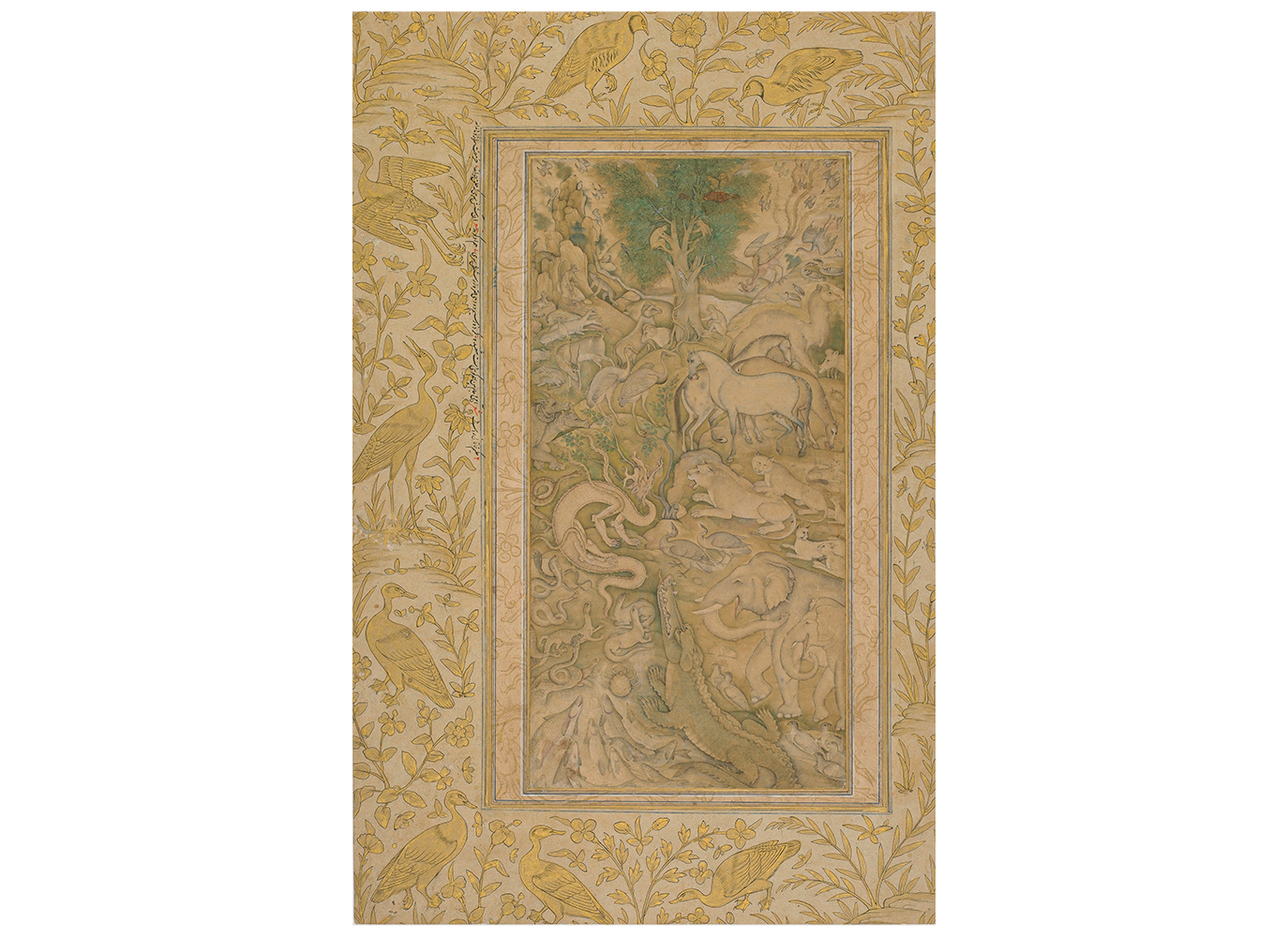
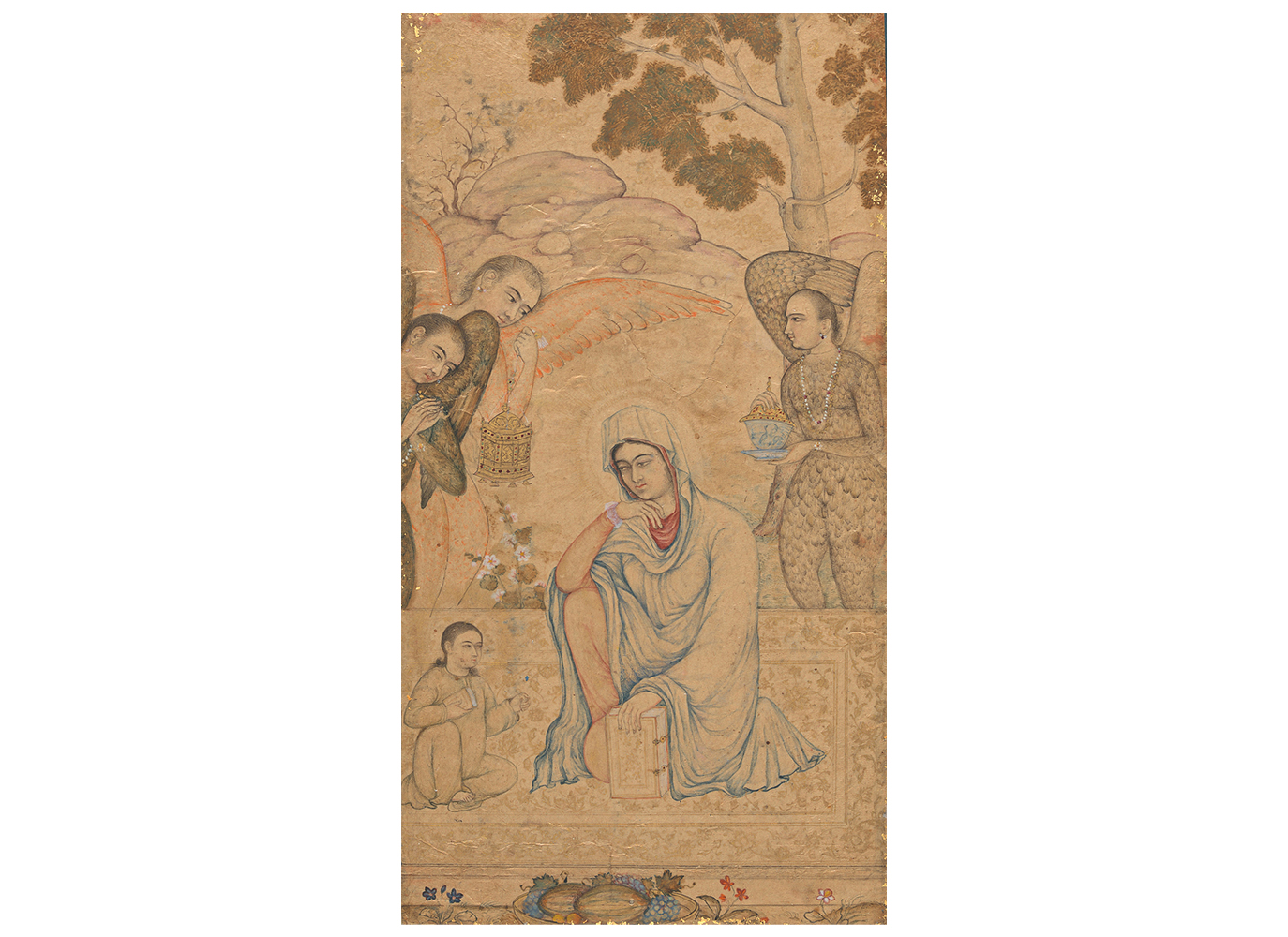
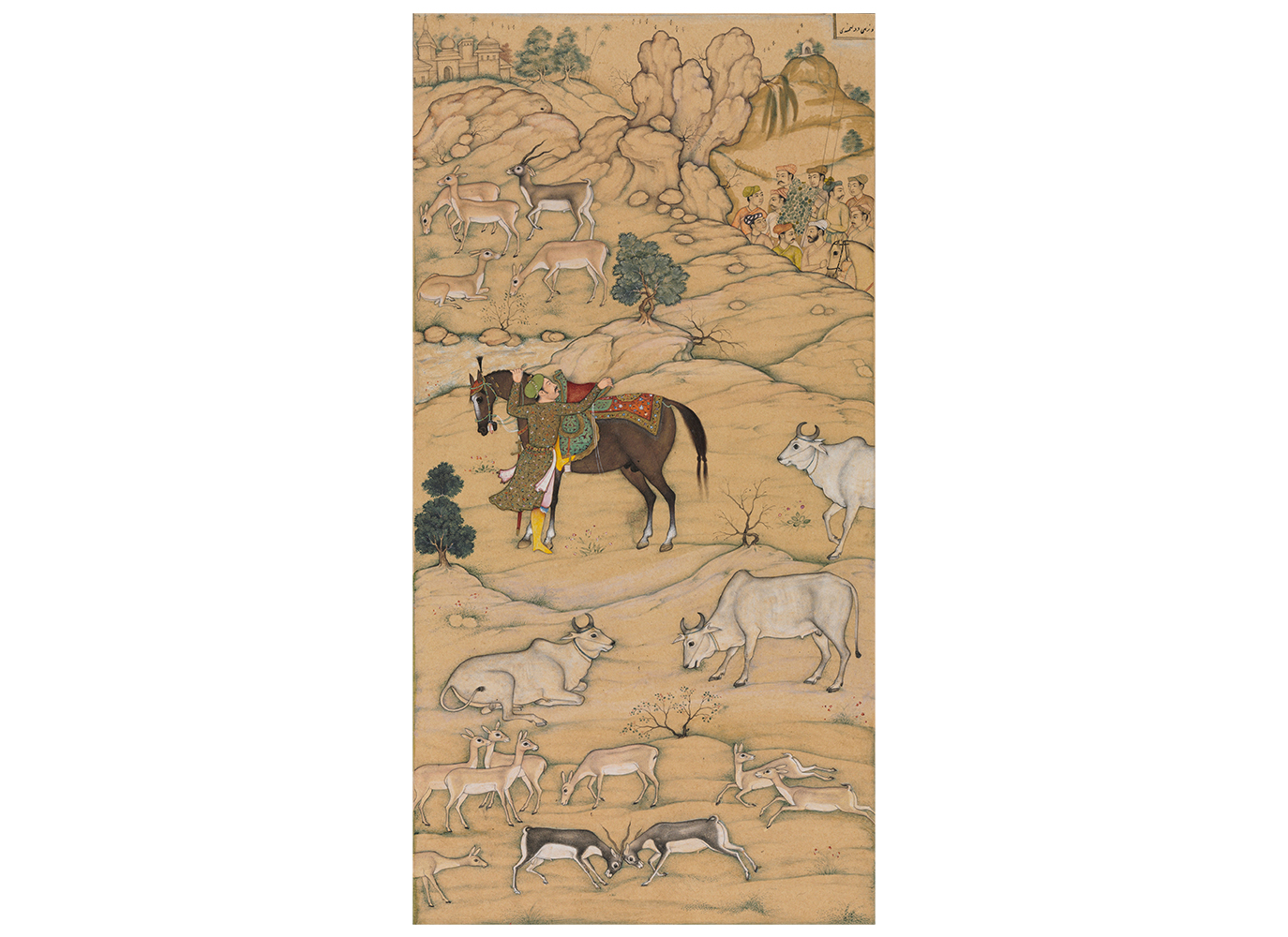
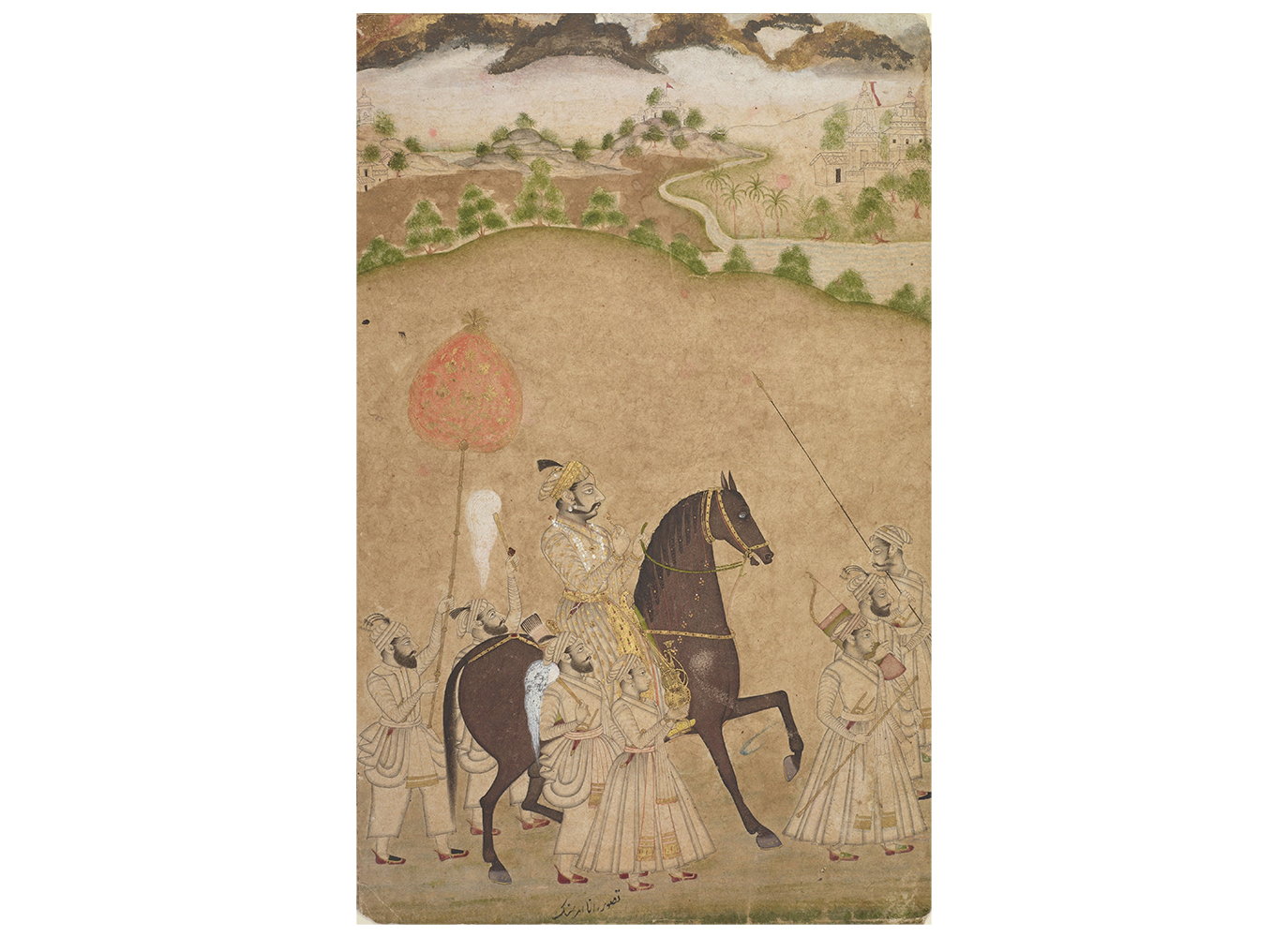
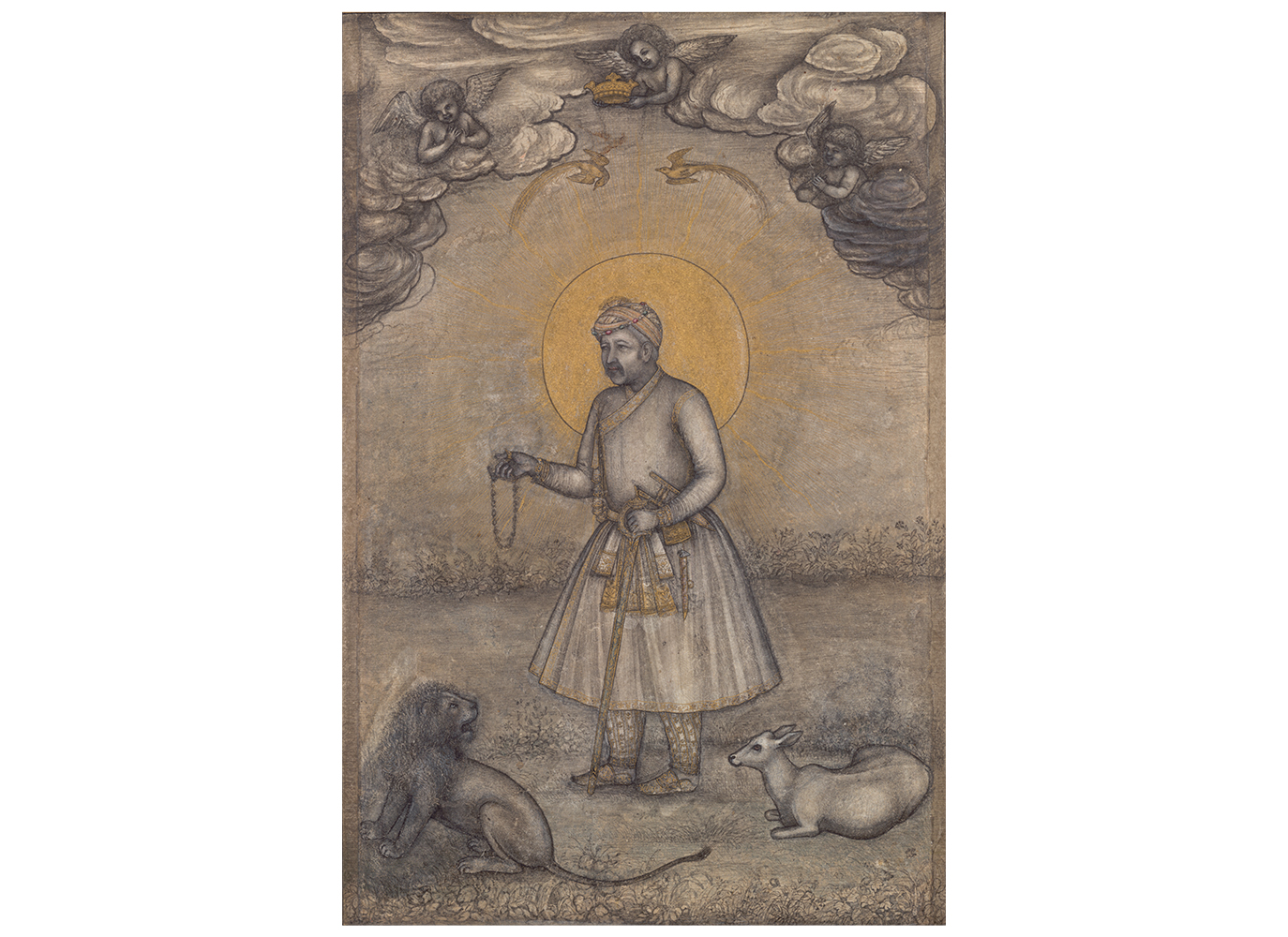
The technique began to be used in the Deccan in the latter half of the seventeenth century, possibly due to an influx of European engravings from the port in Goa. By the end of the century, it had spread to present-day Rajasthan, as exemplified by the work of the Stipple Master of Mewar, an anonymous painter who pioneered the use of the technique in Udaipur.
Some scholars have argued that nim qalam may have had precedents in Persian painting. In Ilkhanid courts in the thirteenth century, line drawings were used to imitate Chinese woodblock prints. By the fourteenth and fifteenth centuries, Persian artists had begun to produce line drawings in European styles — a phenomenon that the Mughals and the Deccan sultans would have been aware of even before the arrival of printed European manuscripts in their courts.
The nim qalam technique continues to be used by contemporary South Asian artists working on manuscript paintings, such as Shahzia Sikander.
First published: 26 October 2023
Image Gallery
Bibliography
Bailey, Gauvin A. The Jesuits and the Grand Mogul: Renaissance Art at the Imperial Court of India, 1580–1630. Washington, D.C.: Freer Gallery of Art, Arthur M. Sackler Gallery, Smithsonian Institution, 1998.
Losty, J.P. Indian Book Painting. London: British Library, 1986.
Michell, George, and Mark Zebrowski. Architecture and Art of the Deccan Sultanates. Cambridge University Press, 1999.
Natif, Mika. Mughal Occidentalism: Artistic Encounters between Europe and Asia at the Courts of India, 1580–1630. Brill, 2018.
Stronge, Susan. Painting for the Mughal Emperor: The Art of the Book, 1560–1660. London: V&A publications, 2002.
Topsfield, Andrew. Court Painting at Udaipur: Art under the Patronage of the Maharanas of Mewar. Zurich: Artibus Asiae Publishers; Museum Rietberg, 2001.
Feedback