-
ChicagoImpart Encyclopedia of Art. "Gajasurasamhara." September 27, 2023. https://imp-art.org/articles/gajasurasamhara/.
-
MLA"Gajasurasamhara." Impart Encyclopedia of Art, Sep. 27, 2023, https://imp-art.org/articles/gajasurasamhara/.
-
HarvardImpart Encyclopedia of Art (2023) Gajasurasamhara. Available at: https://imp-art.org/articles/gajasurasamhara/ (Accessed: 3 March 2026).
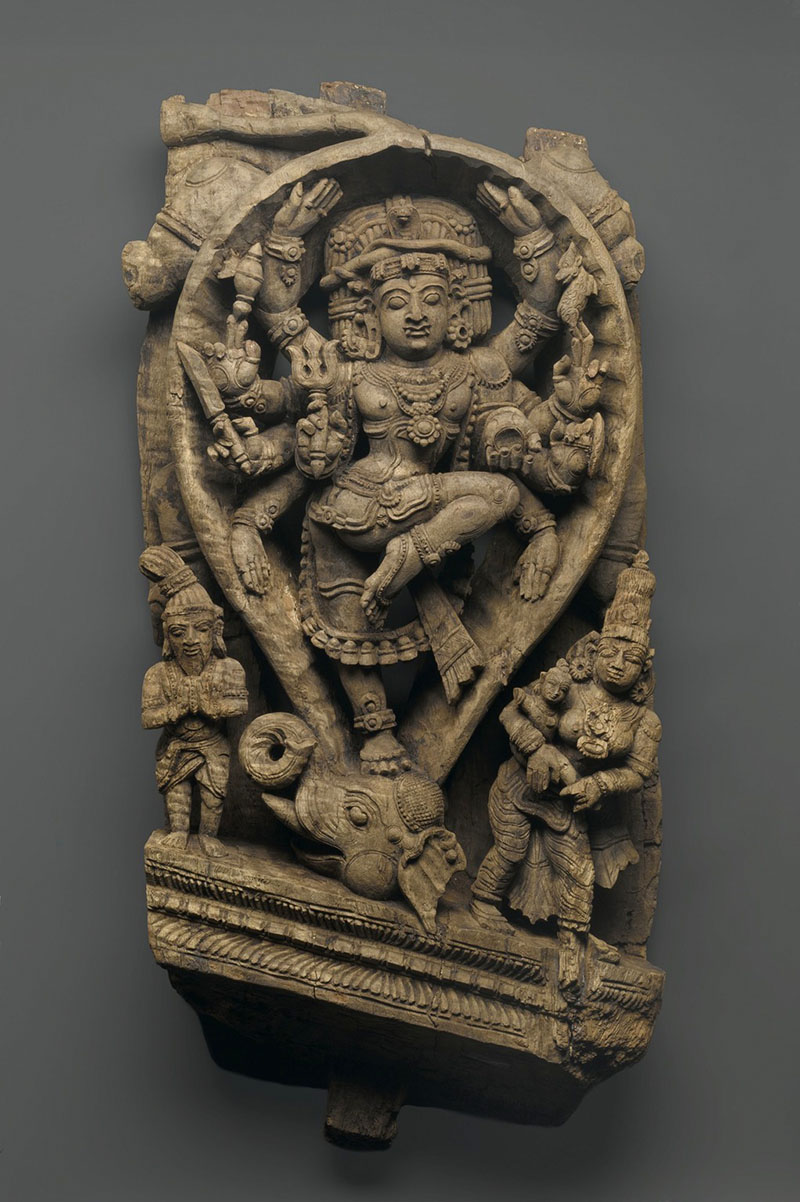
Sanskrit for ‘destroyer of the elephant-demon’, Gajasurasamhara refers to one of the god Shiva’s fierce aspects, also called Gajasamhara and Gajantaka, or ‘elephant-slayer’. Shiva as Gajasurasamhara is typically depicted in the moments after he has slain the demon, often shown dancing on the elephant’s head while cloaking himself in the animal’s hide. Accordingly, Shiva in his fierce form is also known as Krittivasa, or ‘one clothed in hide’.
In Hindu mythology, the tale of Gajasurasamhara is often associated with the Krittivaseshwara lingam at Varanasi in present-day Uttar Pradesh, India. Devotees worshipping the linga are being terrorised by Gajasura — a demon who has assumed the form of an elephant, when Shiva emerges to slay him and then dons the elephant-demon’s hide. In other tellings, the story is located at the site of the main Gajasurasamhara temple today, in Vazhuvoor, Tamil Nadu. In one version of the tale, a group of forest-dwelling sages are responsible for creating Gajasura in order to attack Shiva and challenge his omnipotence.
Gajasurasamhara is mentioned in several texts including the Puranas and the Agamas. These texts describe the deity with four or eight arms, which hold up the elephant’s hide as well as a trishul (trident), damaru (two-headed drum) and pasha (noose) on his right side. His arms on the left perform the vismaya mudra signifying wonder, and display the tusks of the elephant. Often, Shiva’s wife Parvati and their son Skanda are also mentioned as being fearful of this terrible form of the deity.
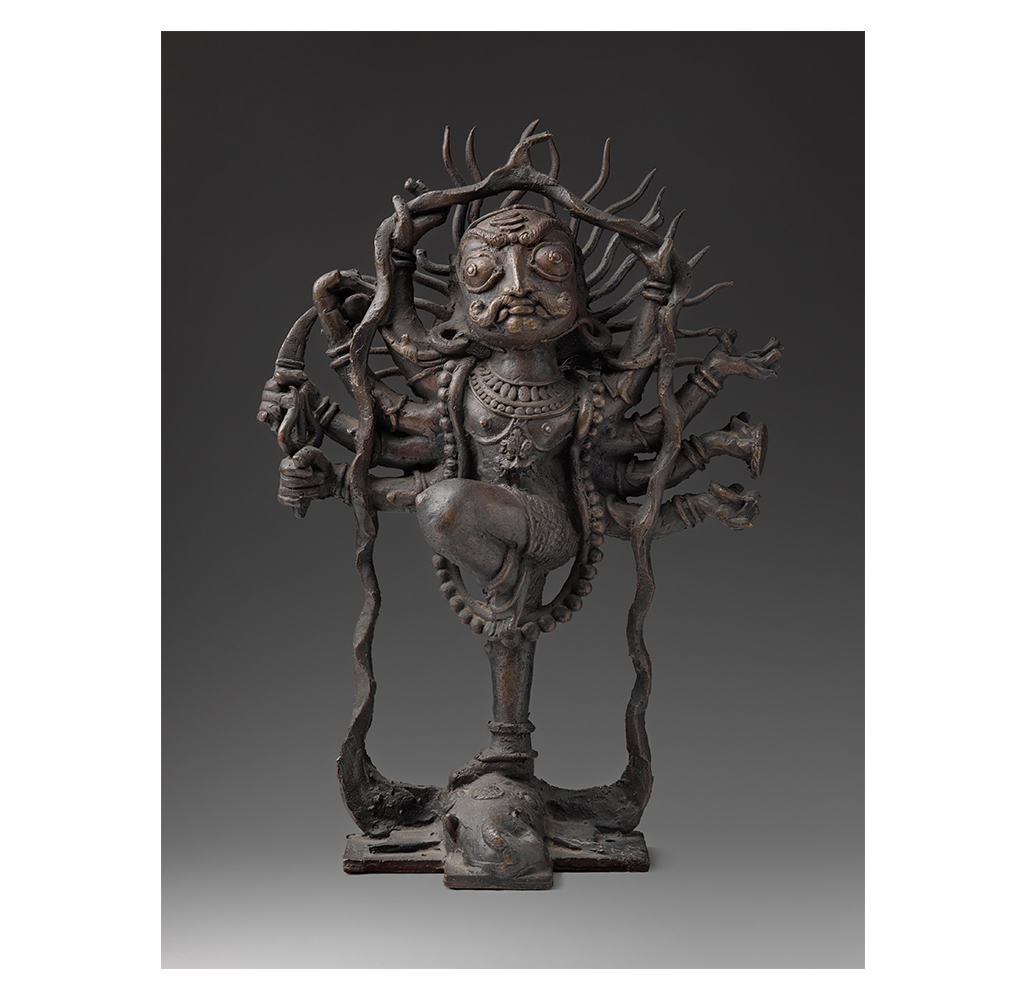
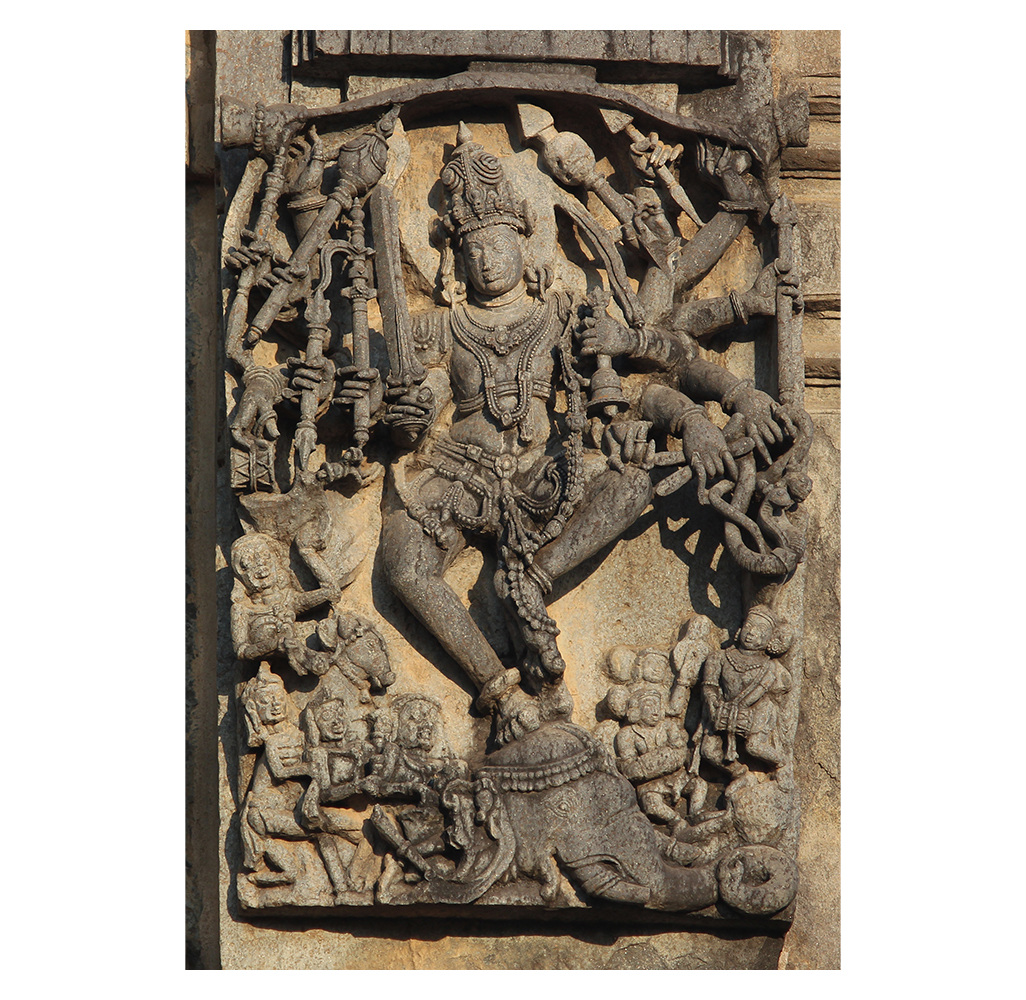
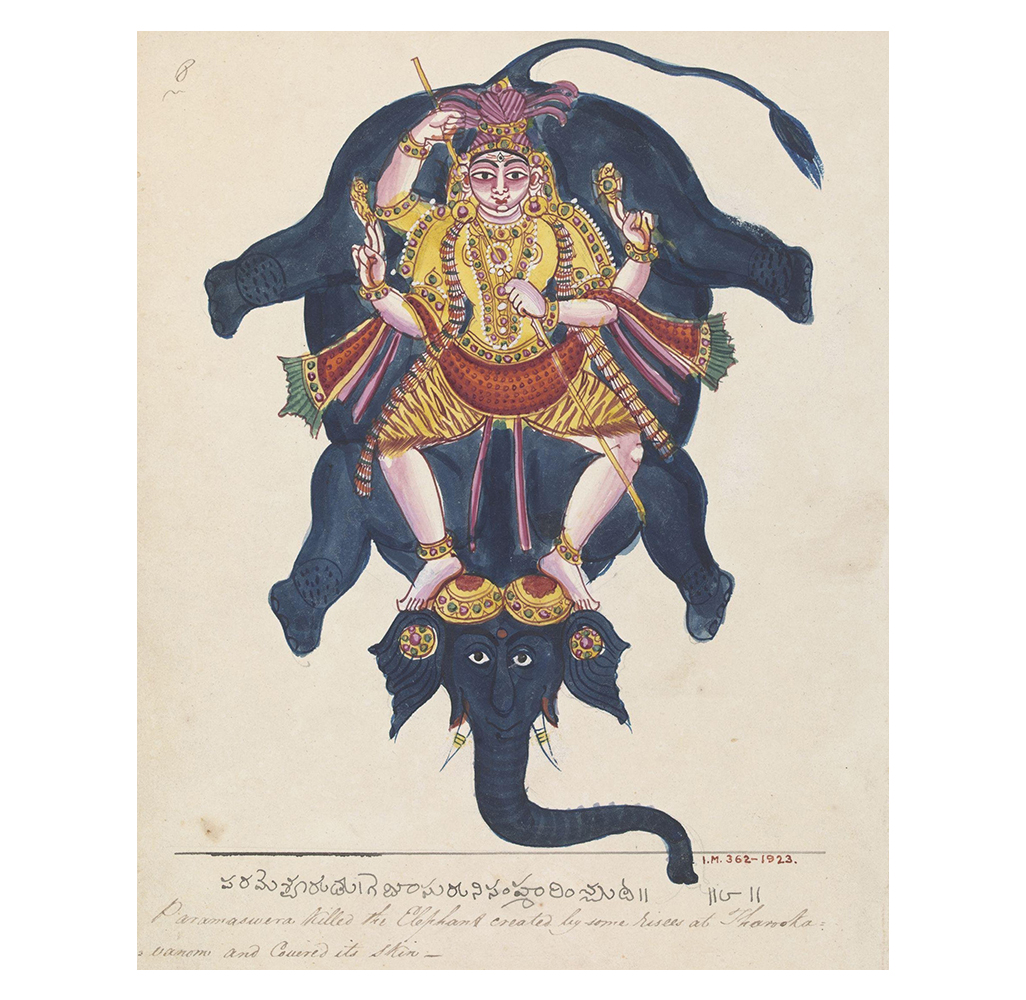
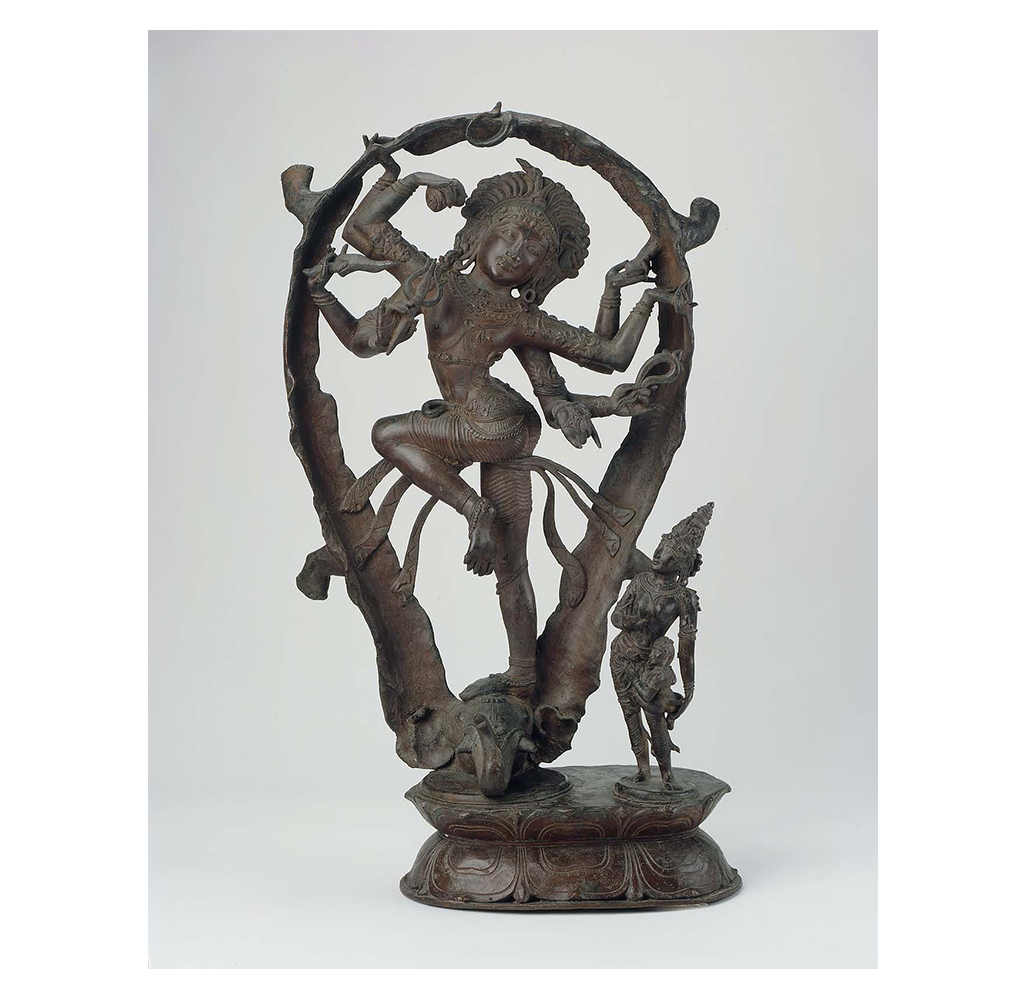
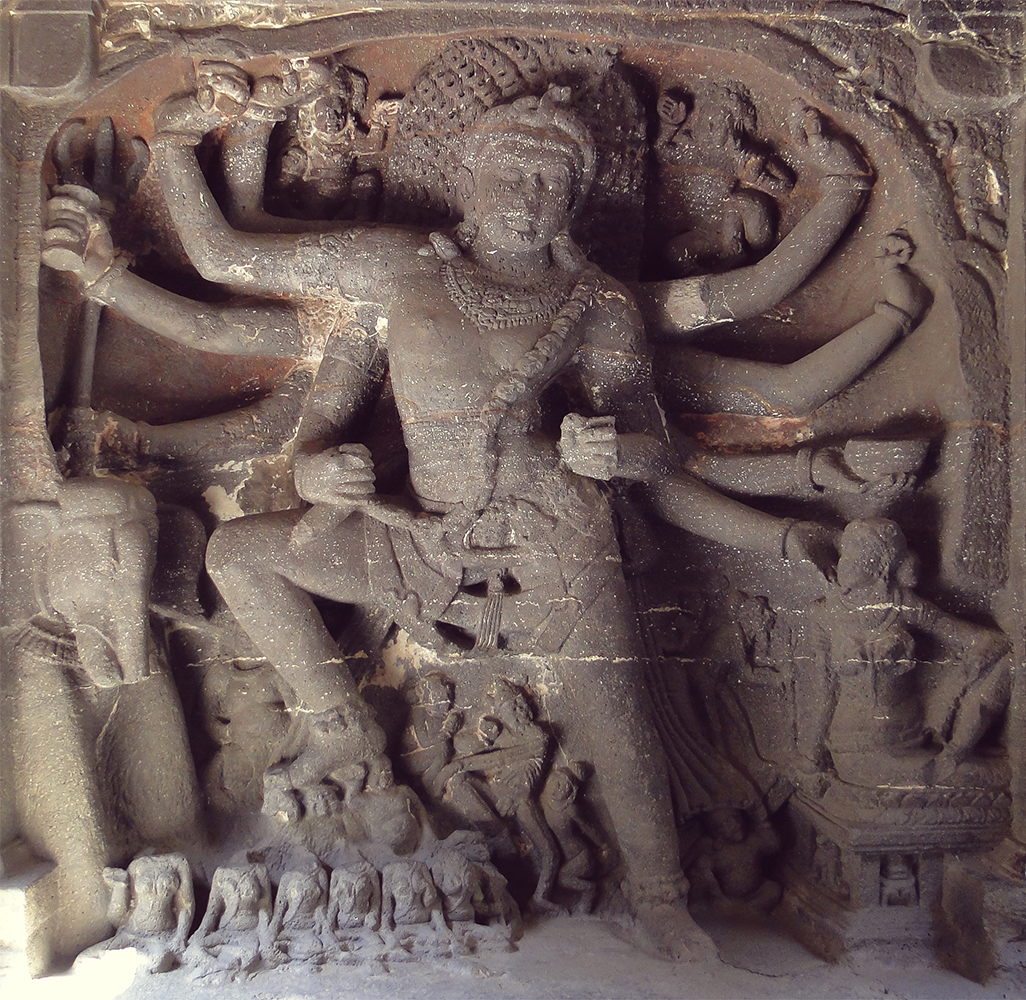
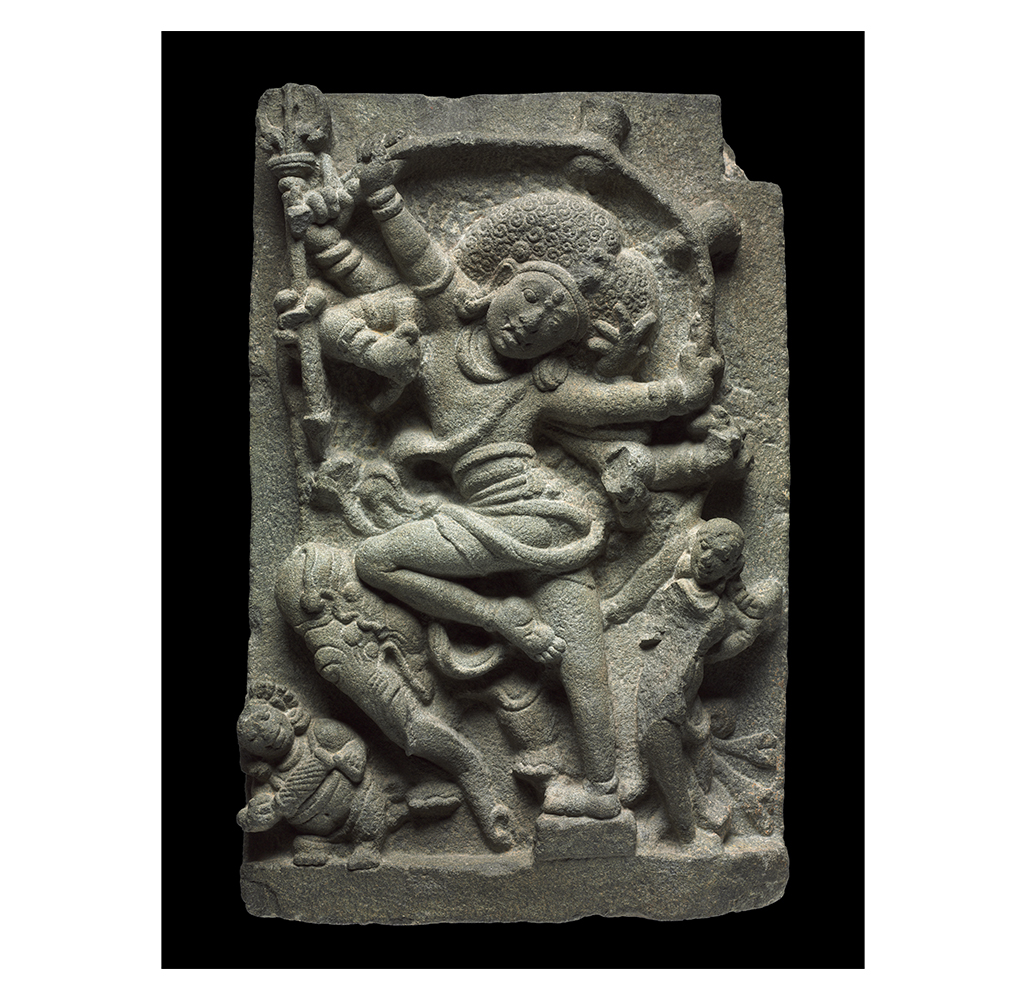
Sculptural depictions vary slightly from textual descriptions, showing the deity with eight or sixteen arms and in a dynamic pose. He is attended to by various deities and musicians and sometimes adorned with a garland of skulls. The image of Gajasurasamahara was popular in Chola, Hoysala and Pallava art, where he is depicted dancing on an elephant head. With his earliest depictions in sculpture dating to the sixth century, Gajasurasamhara remained a popular subject until the sixteenth and seventeenth centuries. Later, the deity appeared prominently in nineteenth-century South Indian painting traditions, such as the Mysore, Tiruchirapalli and Tanjore schools. Here, he was typically depicted with four or eight arms, standing upon Gajasura’s head, with the remainder of the elephant’s body or skin forming the background.
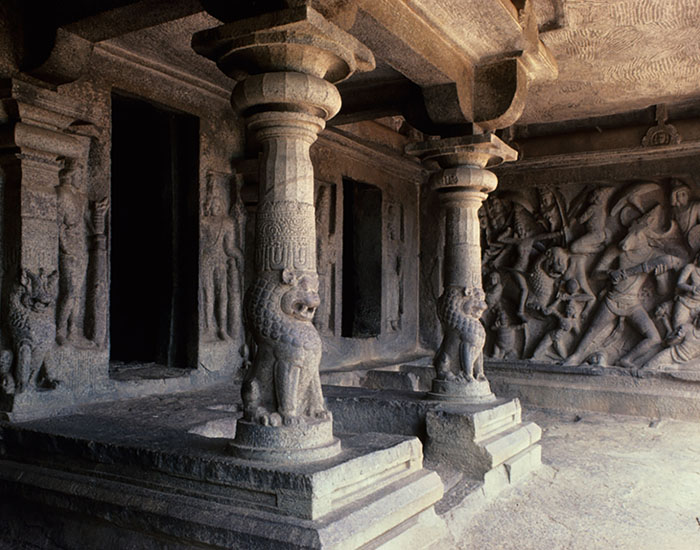
A bronze image of Gajasurasamhara forms the centre of worship at the Veeratteshwara Temple at Vazhuvoor, the only one dedicated to the deity. Carved stone images of Gajasurasamhara are seen today at the Brihadishwara Temple, Thanjavur and the Airavateshwara Temple, Kumbakonam in Tamil Nadu; the Hoysaleshwara Temple, Halebidu, the Amritesvara Temple, Mysore and the Chennakeshava Temple, Belur in Karnataka; and the Kailashanatha Temple in Ellora, Maharashtra.
First published: 27 September 2023
Image Gallery
Bibliography
Chakravarti, Mahadev. The Concept of Rudra-Siva Through The Ages. Delhi: Motilal Banarsidass, 1994.
Geer, Alexandra van der. Animals in Stone: Indian Mammals Sculptured Through Time. Leiden, Boston: Brill, 2008.
Pal, Pratapaditya. “South Indian Sculptures: A Reappraisal.” Boston Museum Bulletin 67, no. 350 (1969): 151–73. Accessed January 27, 2023. http://www.jstor.org/stable/4171519.
Rao, TA Gopinatha. Elements of Hindu Iconography. Vol. 2: Part I. Chennai: Law Printing House, 1916.
Venkatraman, Lakshmi. “On the Trail of an Icon.” The Hindu, November, 2016. Accessed January 27, 2023. https://www.thehindu.com/society/history-and-culture/On-the-trail-of-an-icon/article16694194.ece.
Feedback