-
ChicagoImpart Encyclopedia of Art. "Crepe." April 21, 2022. https://imp-art.org/articles/crepe/.
-
MLA"Crepe." Impart Encyclopedia of Art, Apr. 21, 2022, https://imp-art.org/articles/crepe/.
-
HarvardImpart Encyclopedia of Art (2022) Crepe. Available at: https://imp-art.org/articles/crepe/ (Accessed: 3 March 2026).
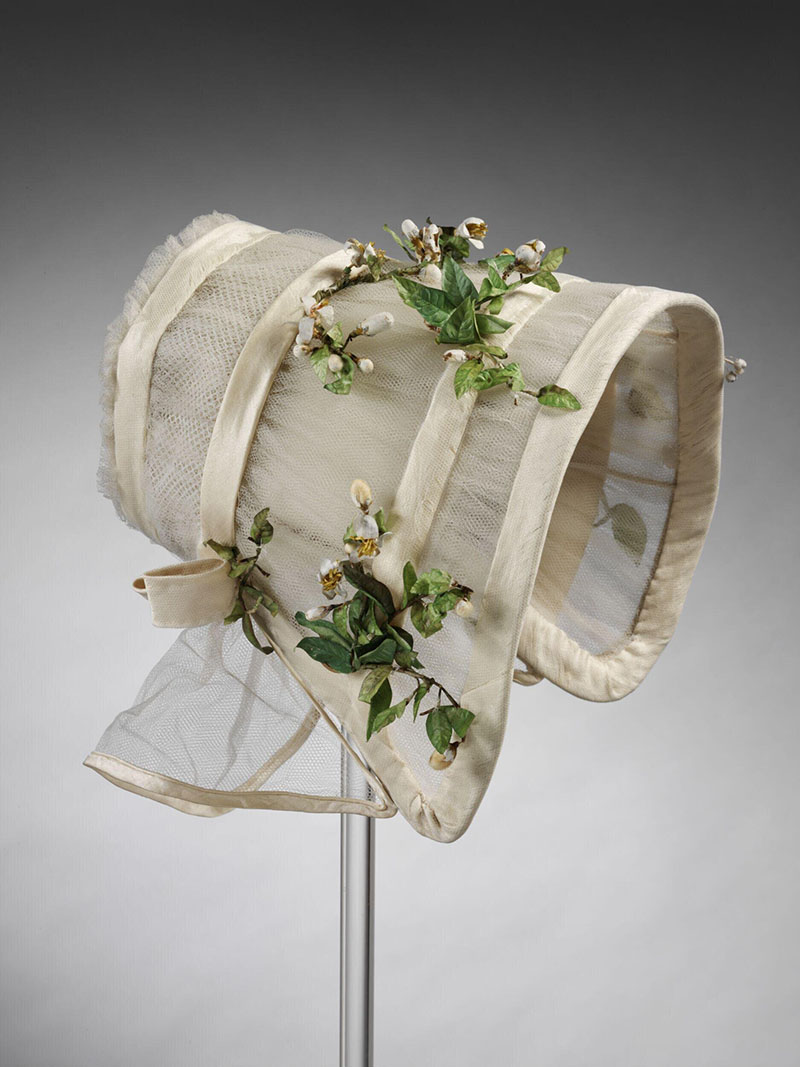
Soft, light fabric with a distinctively crisp and crimped appearance, crepe fabrics can be of various constructions, weaves, textures and weights, depending on weaving variations or fabric treatment. The word crepe is derived from the French, crêpe, which means wrinkled, but the interpretation can refer to any fabric that holds texture. Crepe results from tightly twisting the textile fibre with alternating “S” and “Z” twists, tight weaving, knotting, uneven warp tension or chemical treatment. Crepe was originally made using silk, but now makes use of various yarns, such as cotton, chiffon, nylon as well as rayon.
There isn’t a clear point of historical origin for this fabric, but it has been used widely within different cultures. During the Victorian period, it was used to make veils and was popular as a cloth that symbolised “mourning” since the custom required people to wear fabrics that looked dull. The Greek Orthodoxy still uses crepe fabric during their grieving period. In the nineteenth century, crepe became popular in the West, outside of being used as a mourning attire, due to a rise in manufacturing, particularly by a firm called Courtaulds.
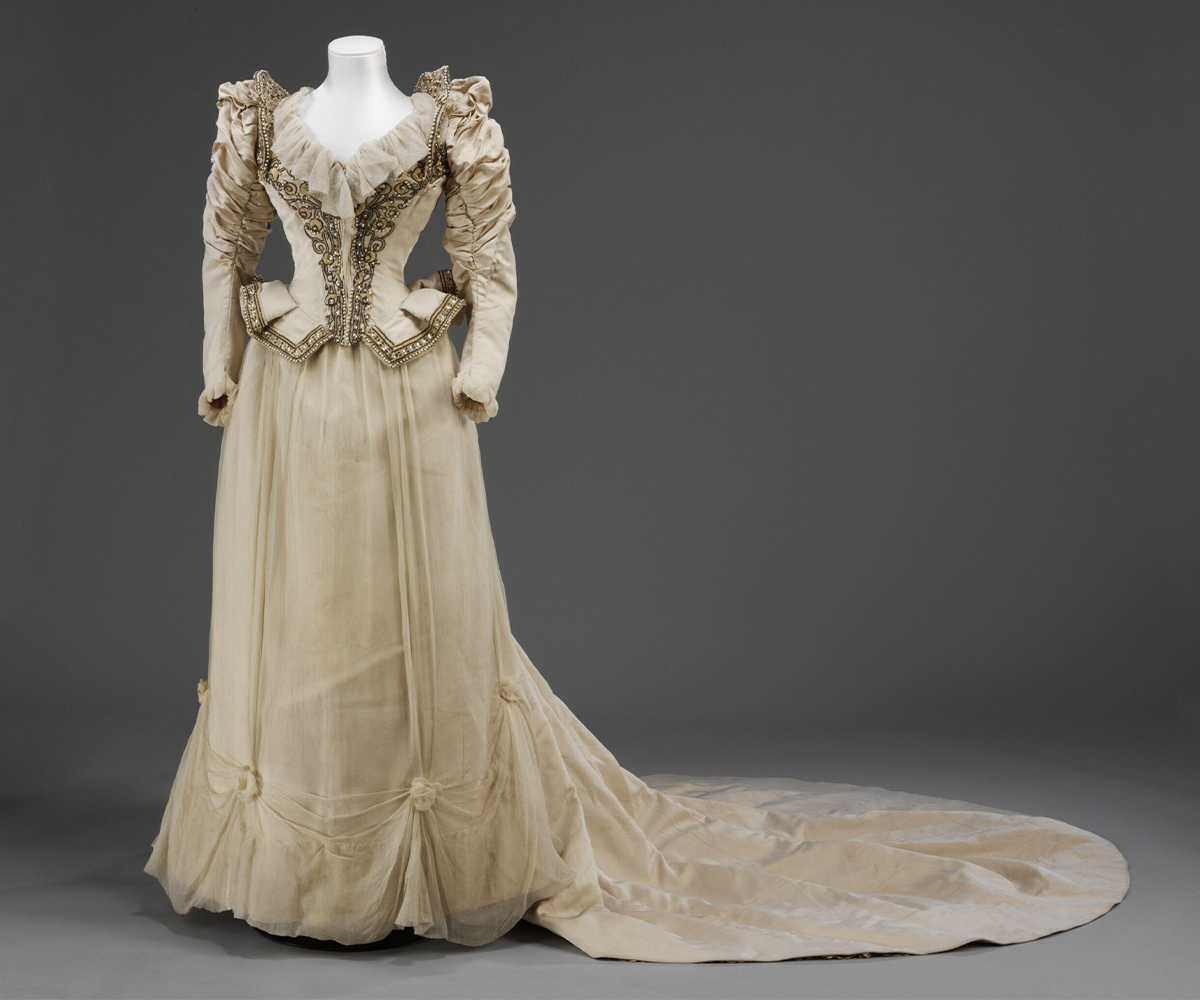
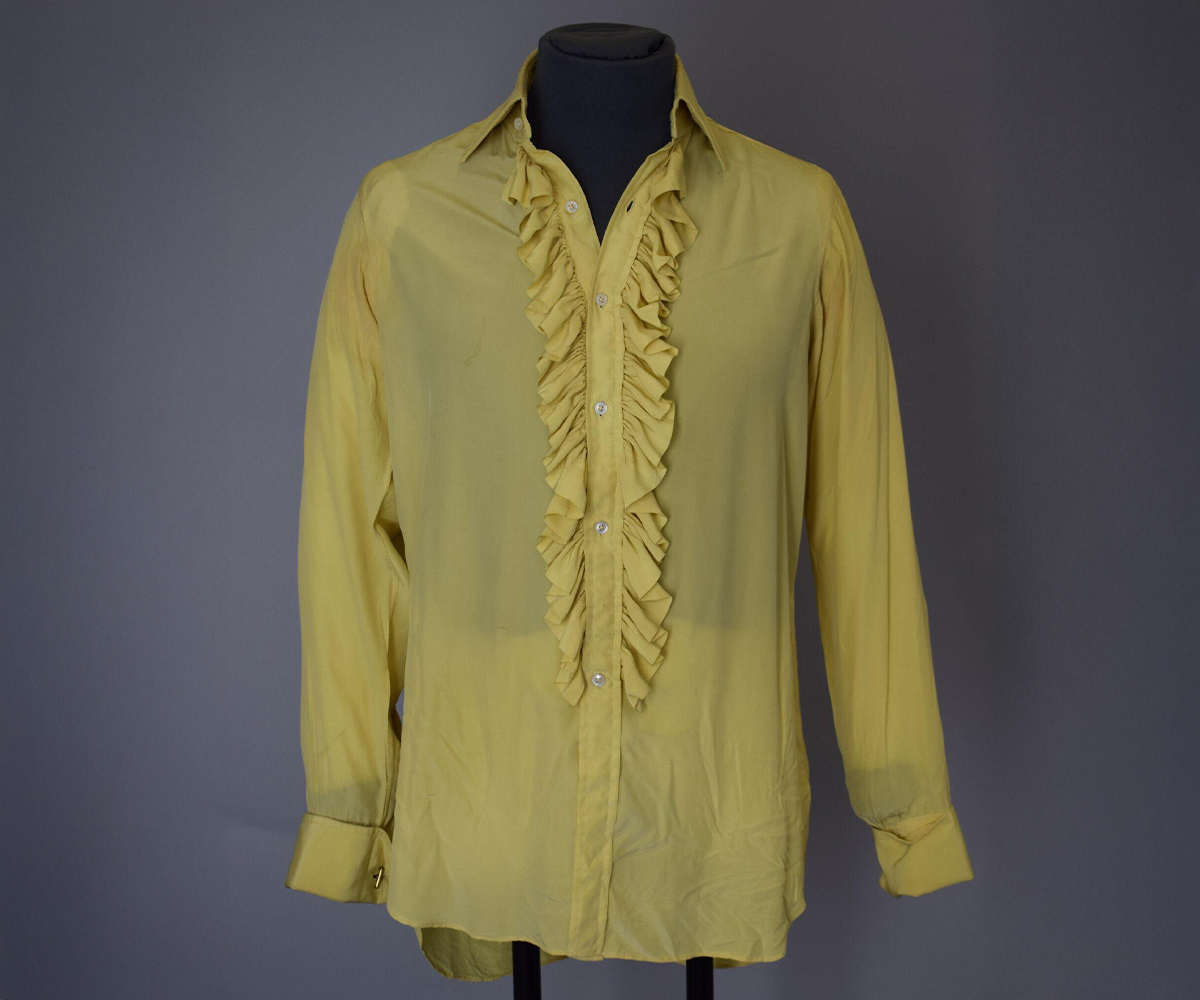
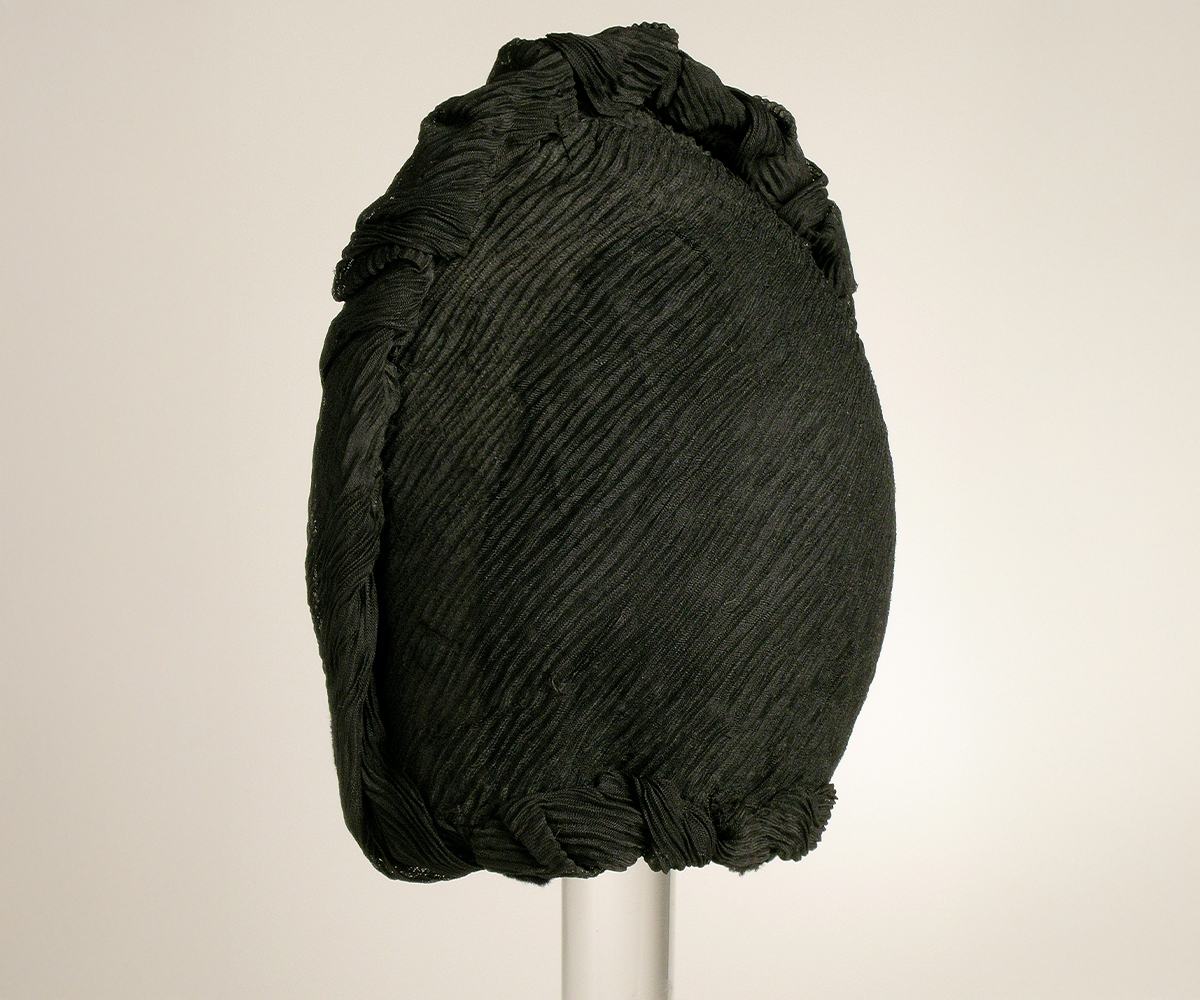
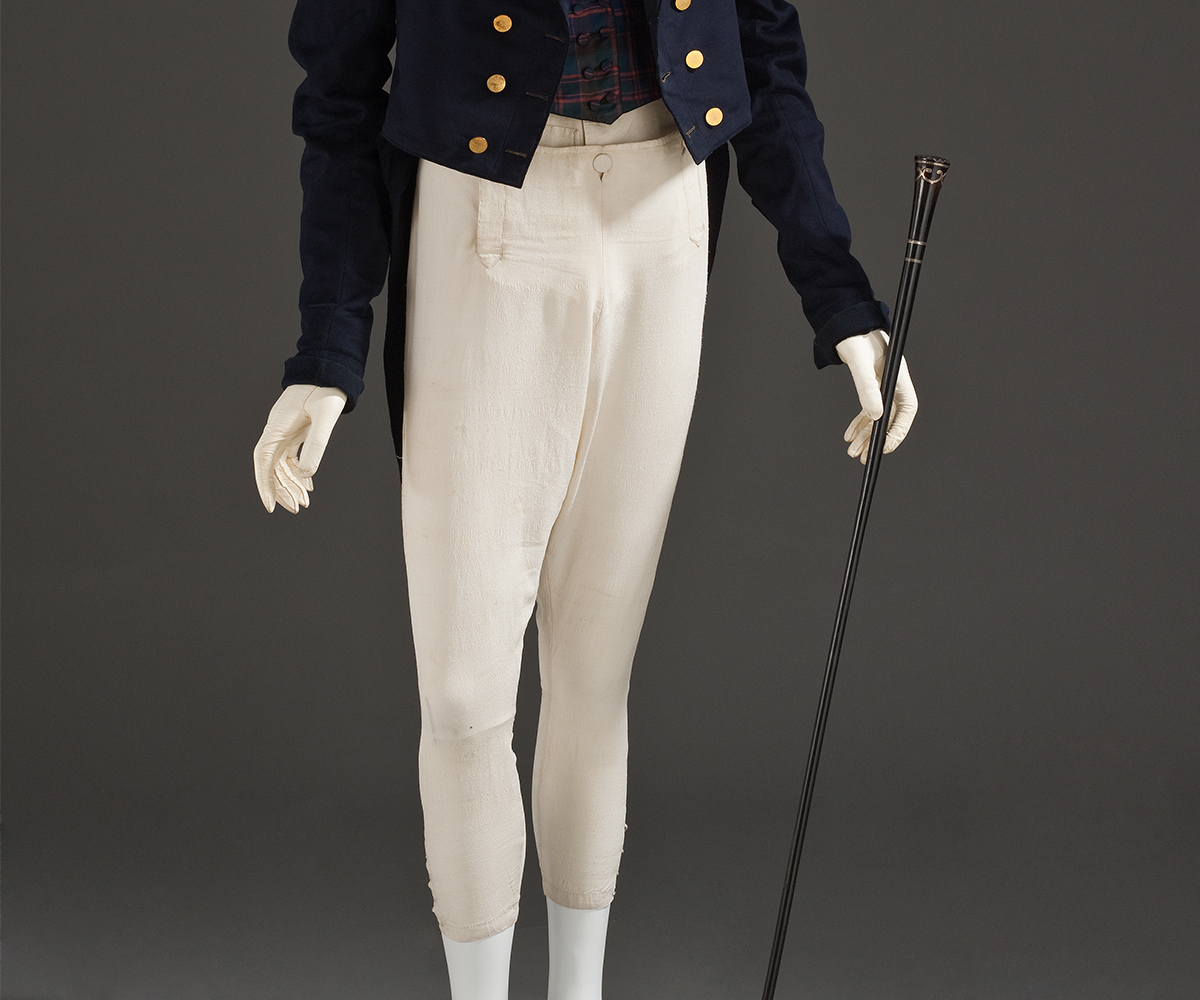
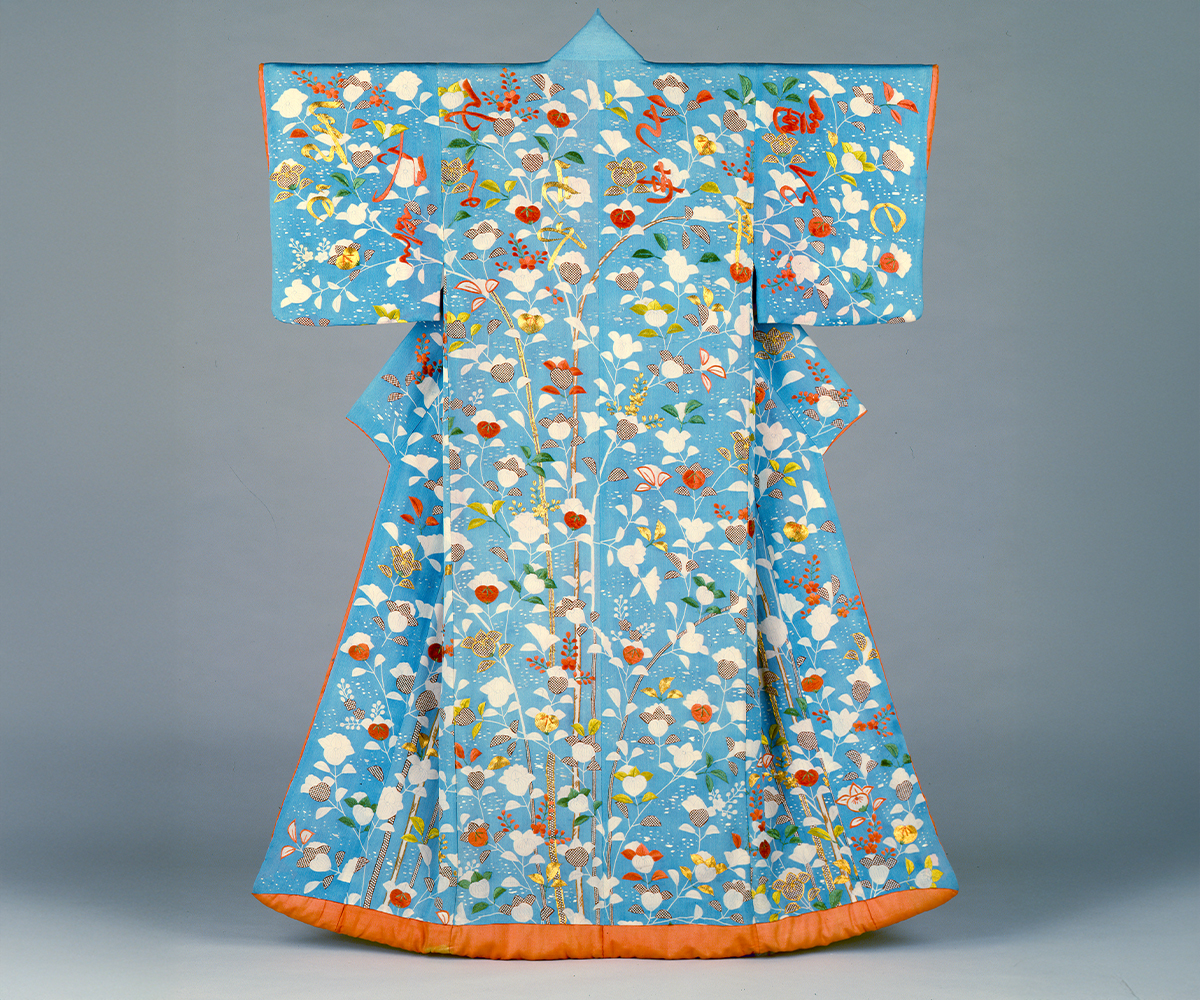
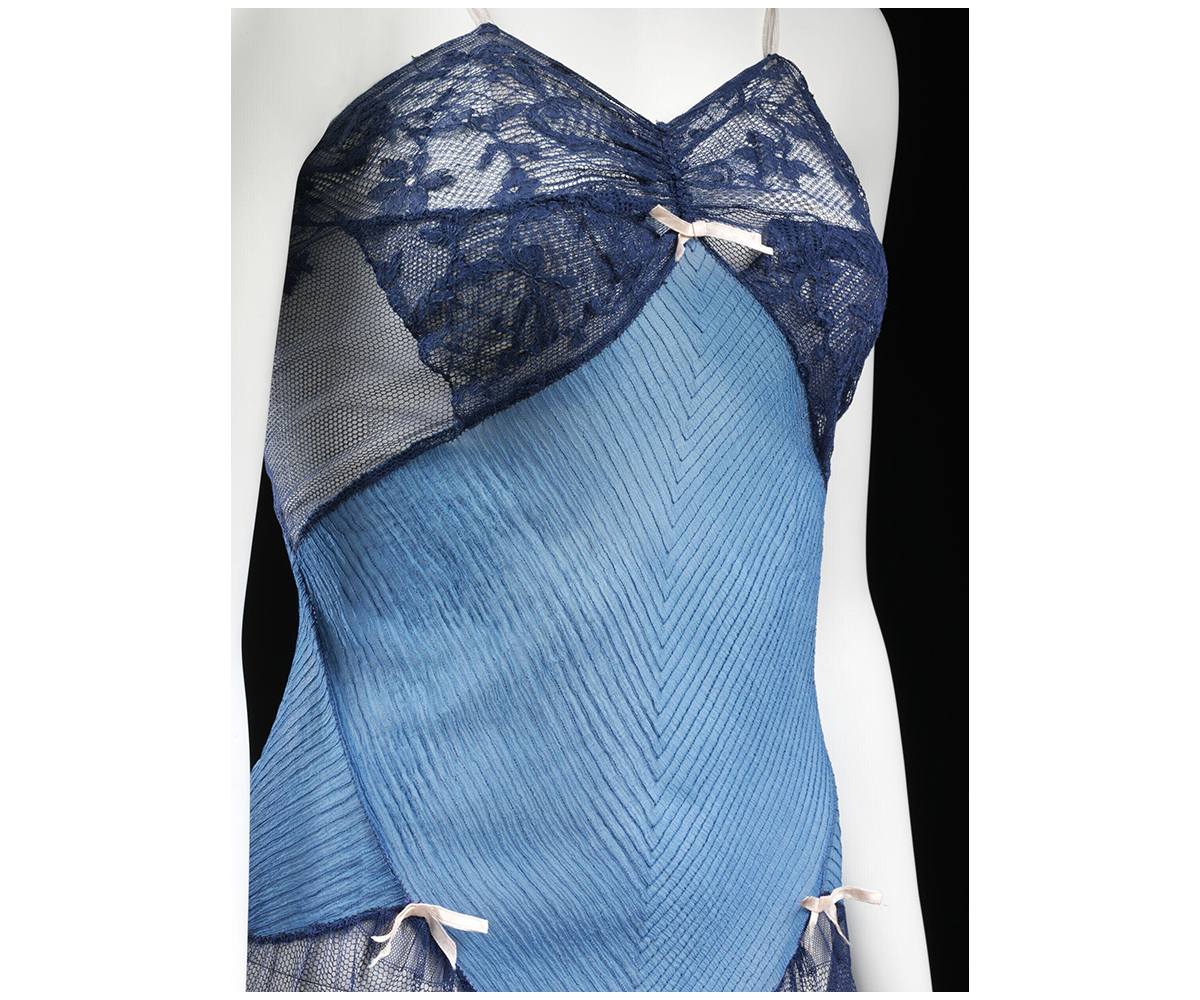
While there are many types of crepe in use — Canton, Chiffon crepe, French crepe, Romaine — a few notable ones include Crepe de chine which is made with silk, uses the highest amount of twisted yarns in weft and silk yarns in the warp and is exported by countries like Thailand, China and India; Georgette, which is made using stretchable and flexible silk fibre; and wool crepe which is made from a blend of cotton and silk threads, is more durable than silk crepe and is commonly used to make pullovers and dresses. In India, crepe is used for making various garments like sarees, salwars and kurtas and is also widely used for leheriya dyeing and zardozi embroidery.
First published: 21 April 2022
Image Gallery
Bibliography
“Flamboyant Fashion Made Effortless: Crepe Silk.” Pure Elegance, January 03, 2018. https://www.pure-elegance.com/blogs/arts-culture/flamboyant-fashion-made-effortless-crepe-silk.
Sewport. “NEW TITLE.” Sewport. Accessed, August 02, 2021. https://sewport.com/fabrics-directory/crepe-fabric.
Sicardi, Arabelle. “Death Becomes Her: The Dark Arts of Crepe and Mourning.” Jezebel, October 28, 2014. https://jezebel.com/death-becomes-her-the-dark-arts-of-crepe-and-mourning-16514823.
The Editors of Encyclopaedia Britannica. “Crepe.” Encyclopædia Britannica. Accessed, August 02, 2021. https://www.britannica.com/topic/crepe-cloth.
Feedback