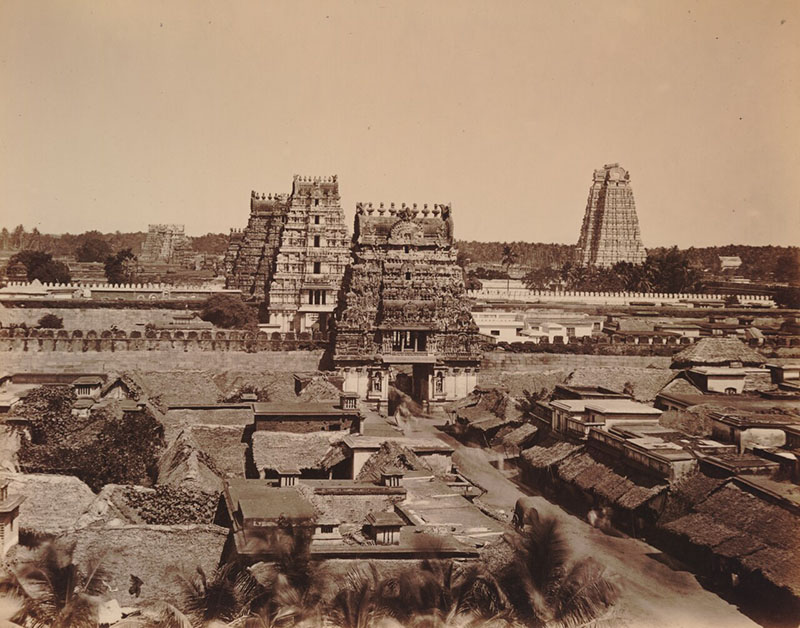
A Vaishnava sect that emerged prominently in southern India during the late medieval period. Vishnu and his consort Sri are the principal deities of the sect, and the Vedas and hymns of the Alvars –– a group of twelve Tamil poet-saints –– are its principal texts. Its most notable proponent was the religious philosopher Ramanujacharya (c. eleventh-twelfth centuries), who advocated the idea of Vishishtadvaita (qualified non-dualism). The Tirumala Venkateswara temple, Andhra Pradesh and the Sri Ranganatha Swamy temple, Srirangam and the Varadharaja Perumal Temple, Kanchi are some of the important sites associated with this sect.
Srivaishnava Sect
Link copied!