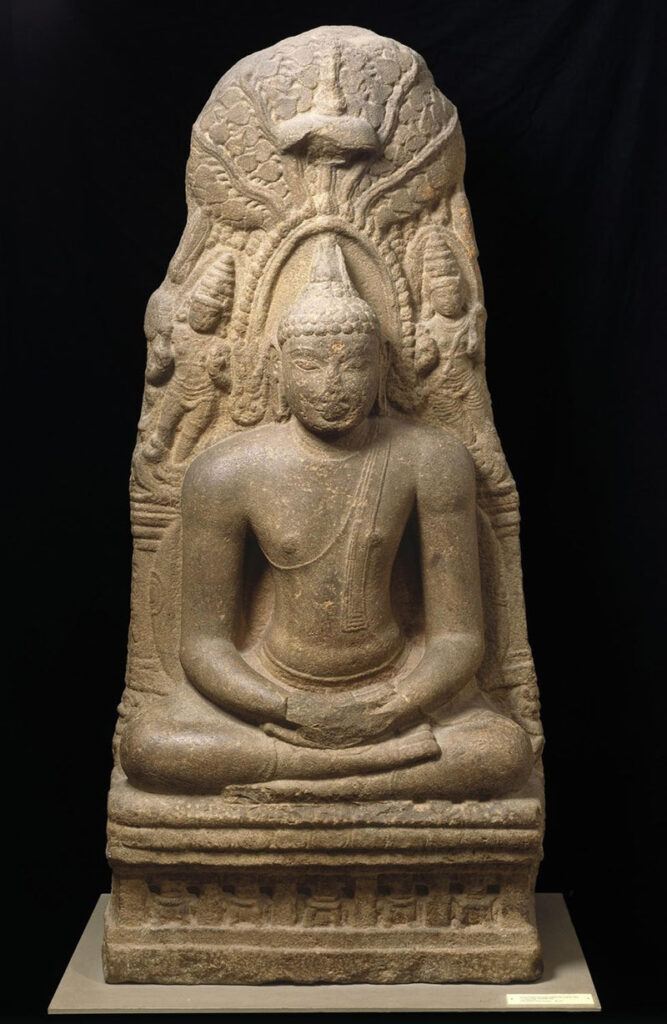
Also called vimoksha, vimukti, mukti and nirvana, it is an Indian philosophical concept that signifies liberation from the cycle of death and rebirth, known as samsara, and is shared in the views of religions such as Hinduism, Buddhism, Jainism and Sikhism. It also implies freedom from ignorance as a process of self-realisation.
More Definitions
Baburnama
The memoir of Zahiruddin Babur, the founder of the Mughal Empire. Written in the Chagatai language in an autobiographical style,…
Agamic Texts
Meaning “tradition” or “received knowledge” in Sanskrit, the term refers to a set of scriptures within Hinduism, Jainism and Buddhism.…
Heer-Ranjha
An epic love story popular in the Punjab region across present-day Pakistan and India, it narrates the story of lovers…
Yana
A metaphor for a mode or method of spiritual practice in Buddhism, which refers to the vehicles of teaching imparted…
Samsara
The concept of the continuous cycle of birth, death and rebirth, fundamentally seen in most Indian religions, including Buddhism and…
Mahakapi Jataka
One of the Jataka tales, it tells the story of the bodhisattva's life as a monkey king who stretched his…
Dhamma
The Pali word for dharma, it stands for the “the law of nature” or “the truth” and primarily refers to…
Driglam Namzha
Code of public etiquette in Bhutan, based on the founding principles of Bhutanese culture, namely humility, compassion and respect. It…