-
ChicagoImpart Encyclopedia of Art. "Alamkara." November 22, 2023. https://imp-art.org/articles/alamkara/.
-
MLA"Alamkara." Impart Encyclopedia of Art, Nov. 22, 2023, https://imp-art.org/articles/alamkara/.
-
HarvardImpart Encyclopedia of Art (2023) Alamkara. Available at: https://imp-art.org/articles/alamkara/ (Accessed: 16 October 2026).
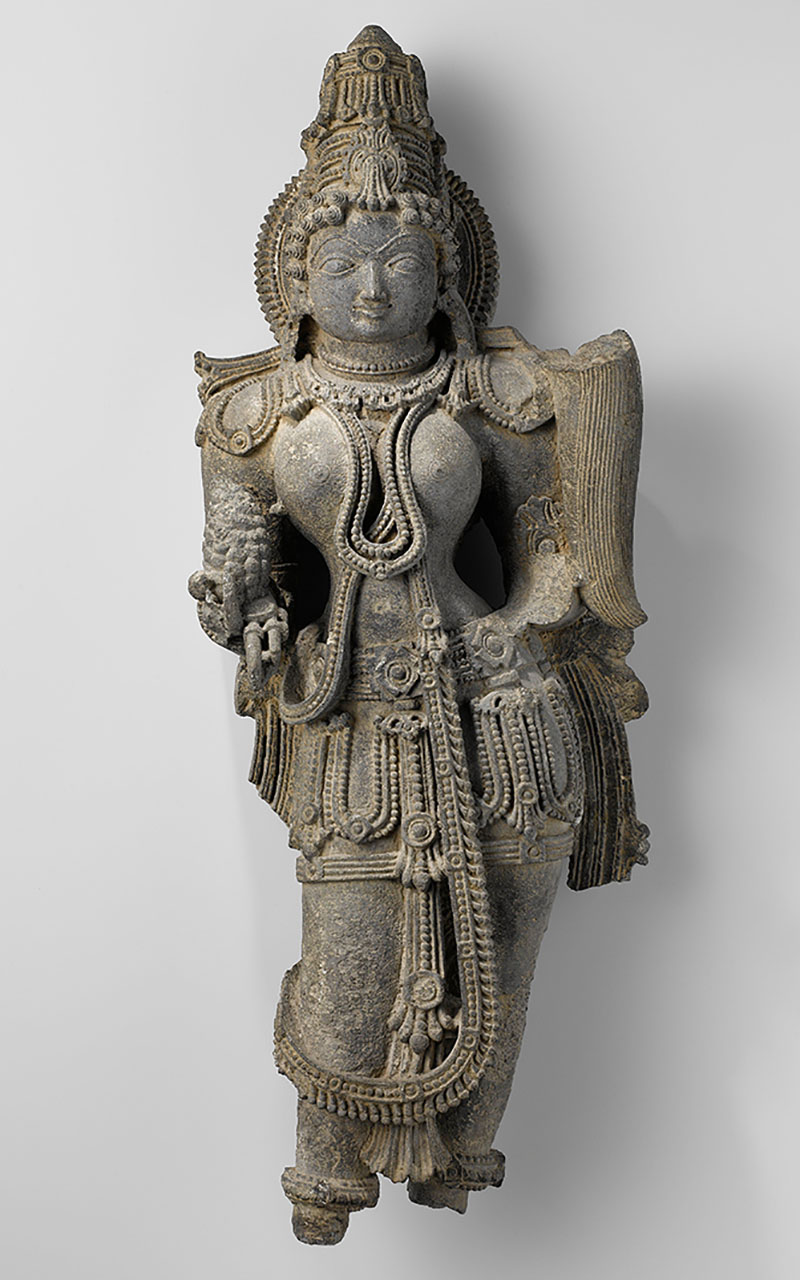
Originally a Sanskrit, Vedic term meaning ‘to make sufficient’, alamkara, or alankara along with another related term abharana, meaning ‘magical attraction’, is used to refer to decoration and ornamentation. As a term meaning adornment, the concept of alamkara was embraced by Sanskrit poetics to refer not only to the ornamentation of sound but also to various literary elements such as metaphors, metonyms, similes, puns and other figures of speech that animate prose and poetry. The term came to be so closely associated with the genre of literature that the Sanskrit word for the science of poetics is alamkarashastra. The details and forms of alamkara are explored in depth in a number of medieval texts that deal with performance, theatre and poetry, including the Natyashastra, the Kavyalamkararasutravritti, and the Kavyaprakasa amongst others.
The implication and relevance of alamkara were not limited simply to poetics. Although the term is used to refer to decoration in general, alamkara is most commonly used in the context of bodily adornments and ornamentation in particular. Arguing against the idea that representations of the human body in sculpture are naked or nude, scholars have pointed to the numerous adornments that dress them. These include thin garments made visible only in their hemlines, jewellery, flowers, diadems, hairstyles and auspicious marks. Additionally, numerous sculptural representations such as the figural sculpture at the Lakshmana Temple in Khajuraho depict women applying collyrium or anointing themselves with unguents and pastes as they engage in shringara — the act of decorating and adornment. Reverting to the original meaning of the word and its association with completeness and magic, scholars have proposed that bodily beauty is inherently expressed through alamkara, which makes the body complete, and that such adornments are talismanic and auspicious.
Adornment in art is visible not only in figural sculpture but also in the placement of such figures on the facades of temple walls and other structures. Vatsyayana’s Kamasutra, probably composed in the third century CE, refers to the numerous ways in which spaces may be adorned. Additionally, inscriptions mention the ways in which spaces and structures themselves act as adornments of the Earth.
The Shilpa Shastra texts, particularly the medieval Shilpa Prakash composed in present-day Odisha, prescribes the use of figures on temple walls as decoration to enhance the structure’s ability to ward off the evil eye, and to complete the structure. The sixth-century CE text Brihat Samhita prescribes the use of elements such as amorous couples or mithuna, creepers, ganas, on temple doors. The prevalence of such elements as well as birds, apsaras and vegetal motifs on temple walls can thus be explained in the context of their auspicious symbolism.
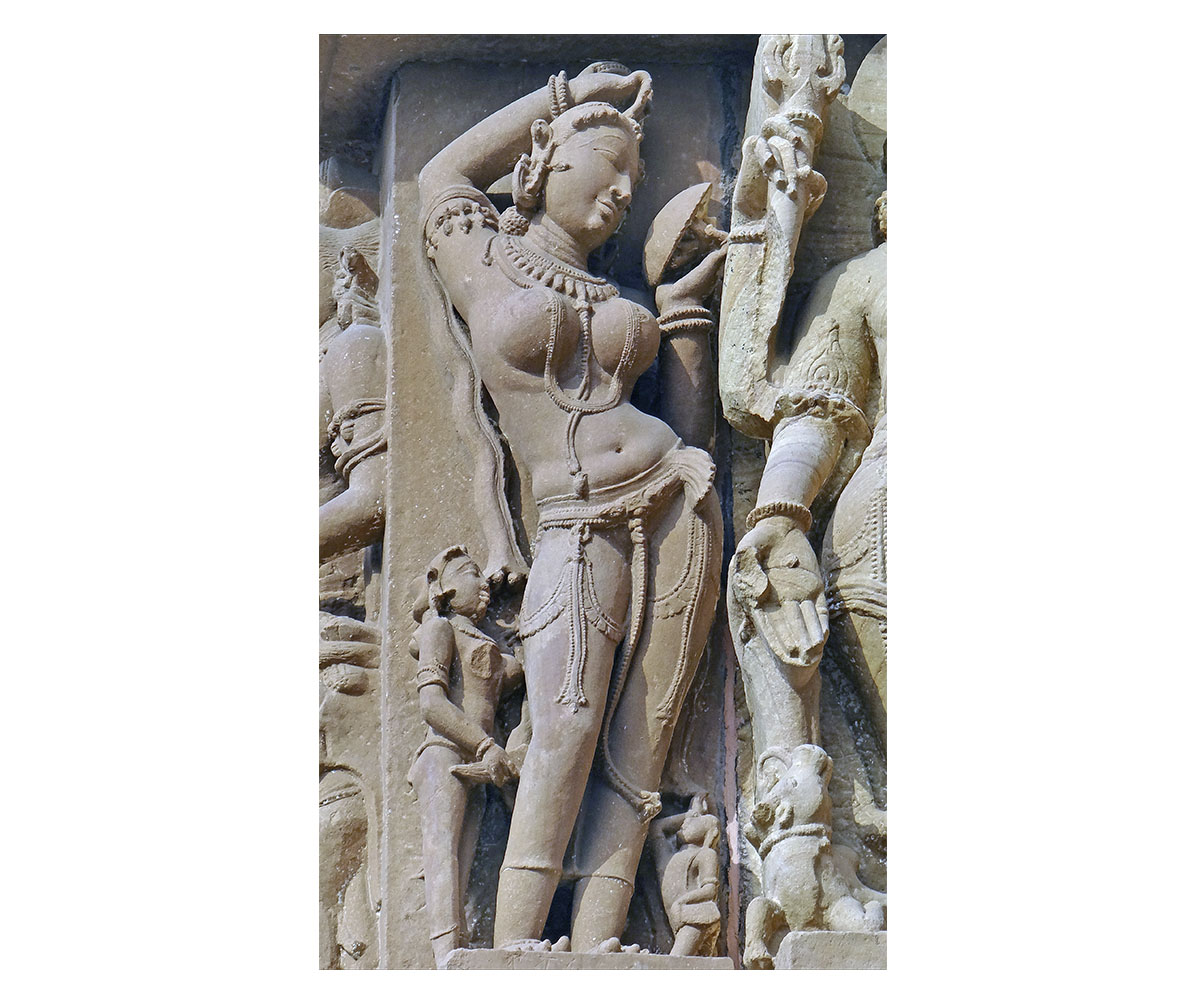
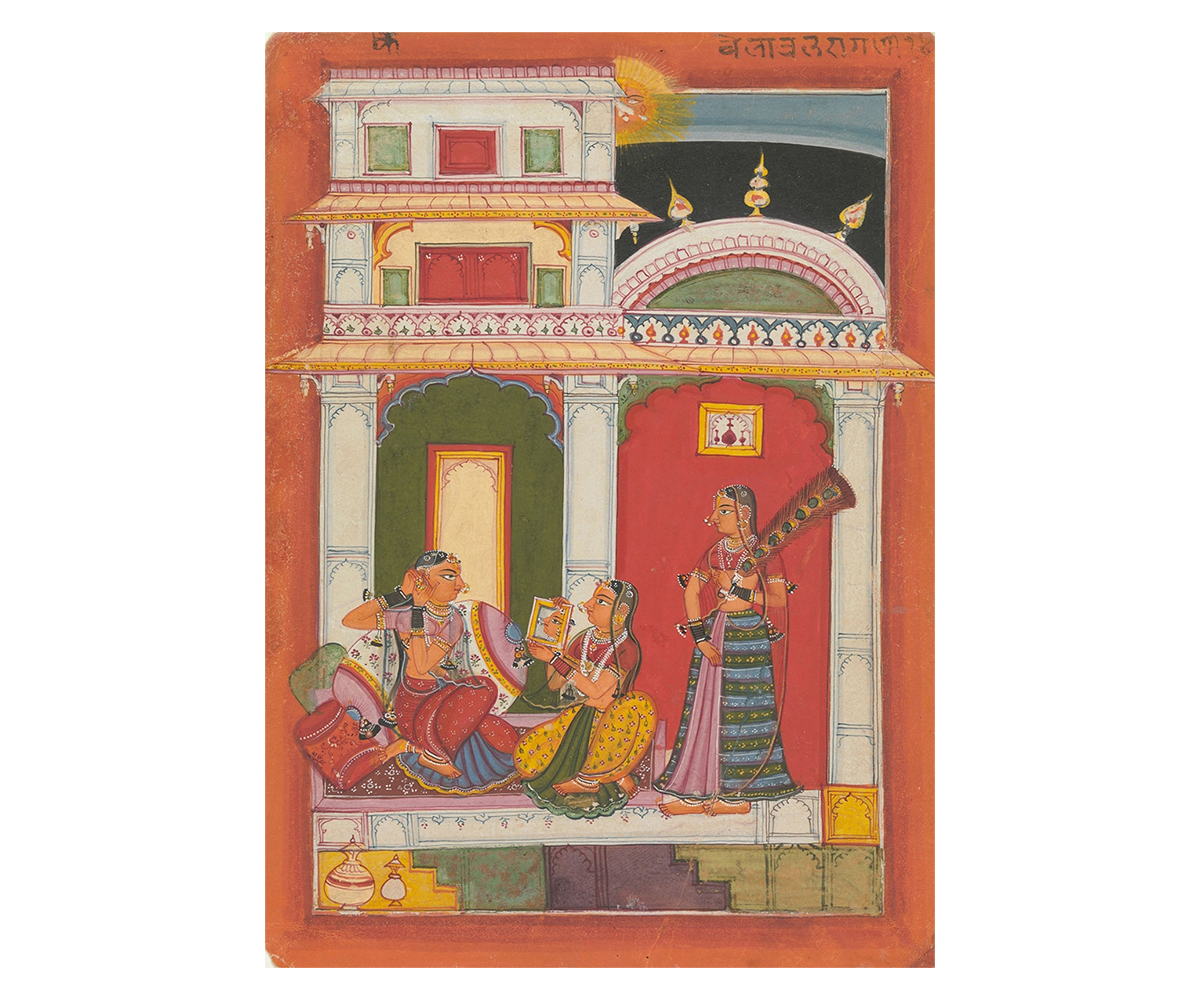
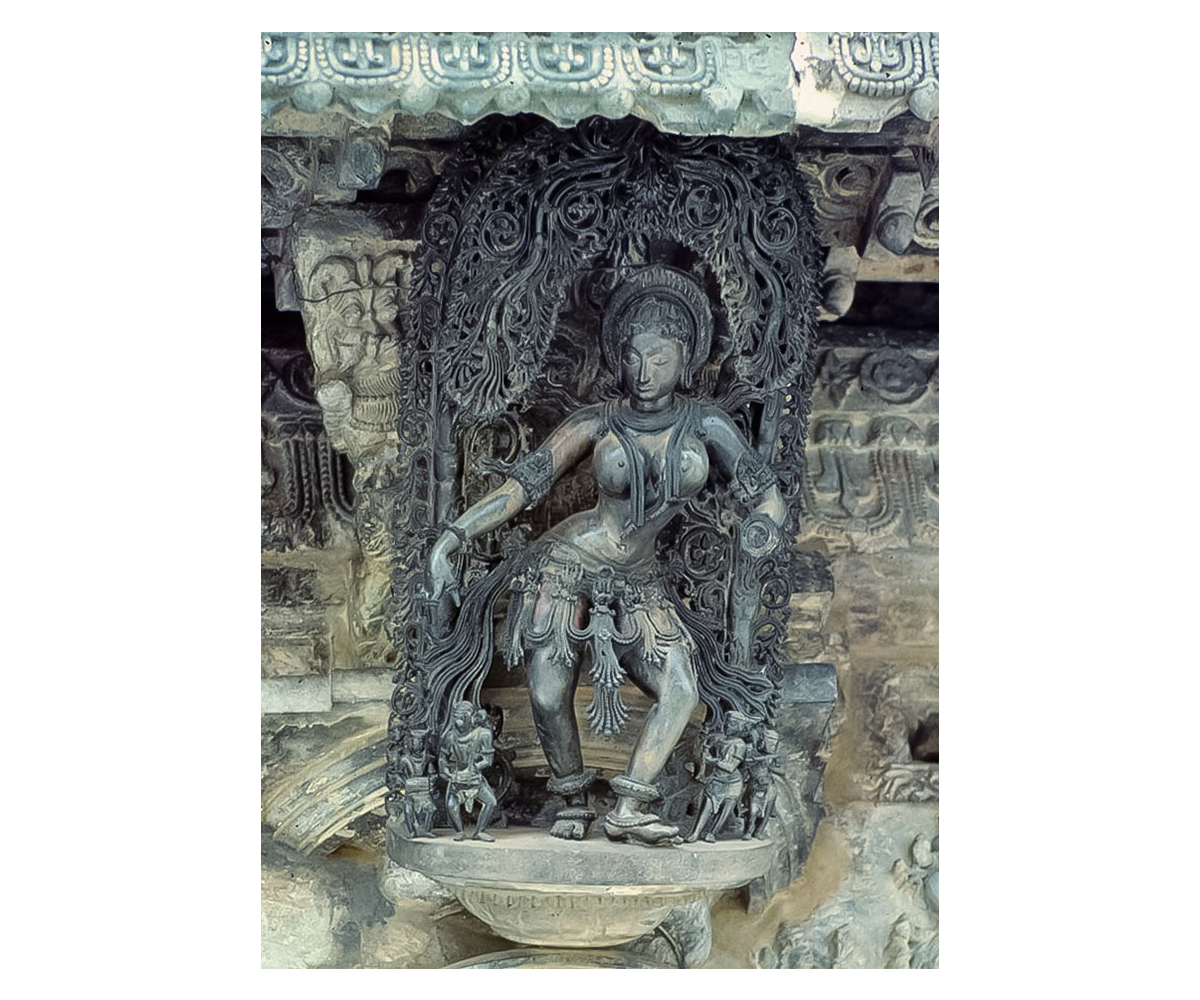
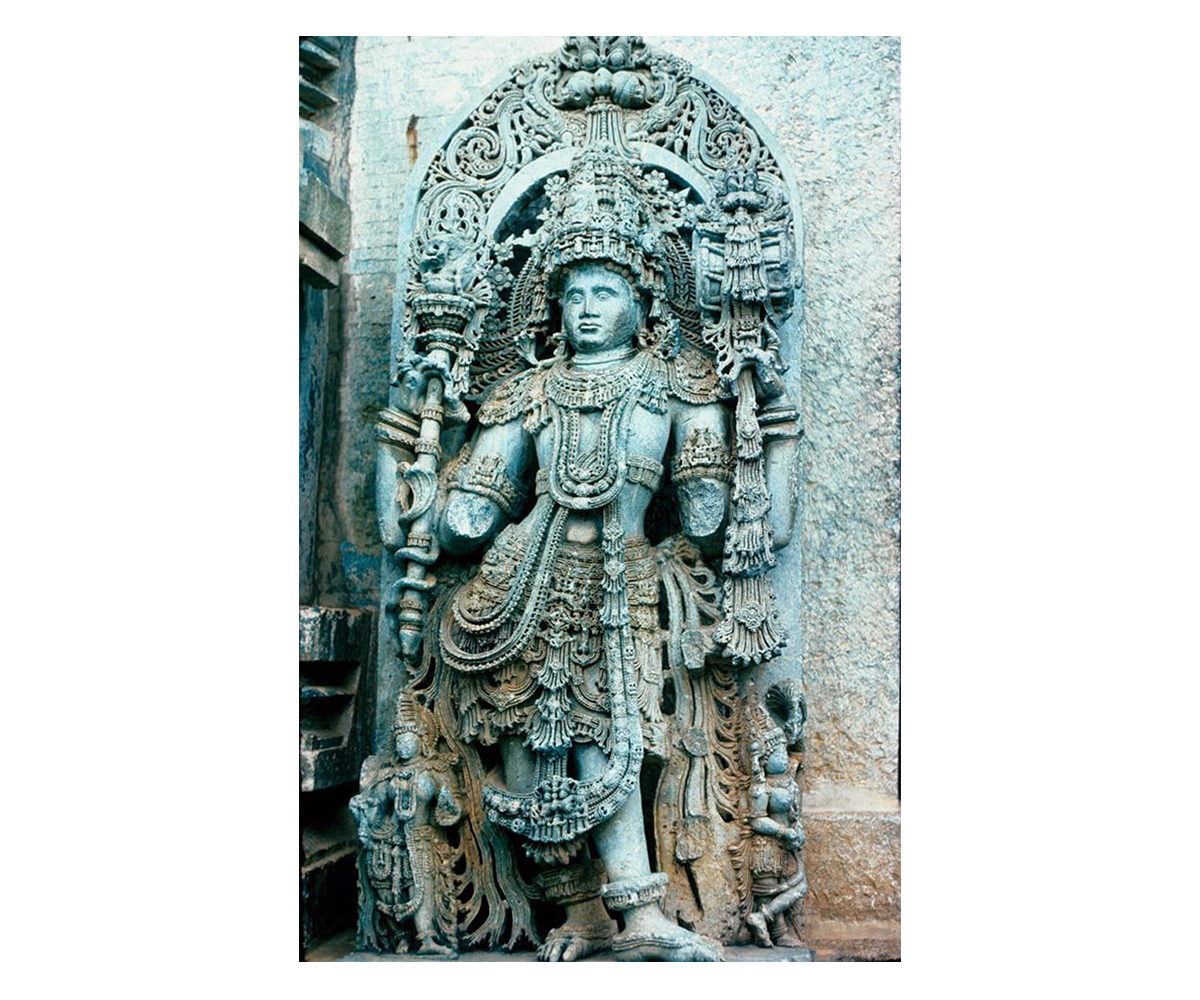
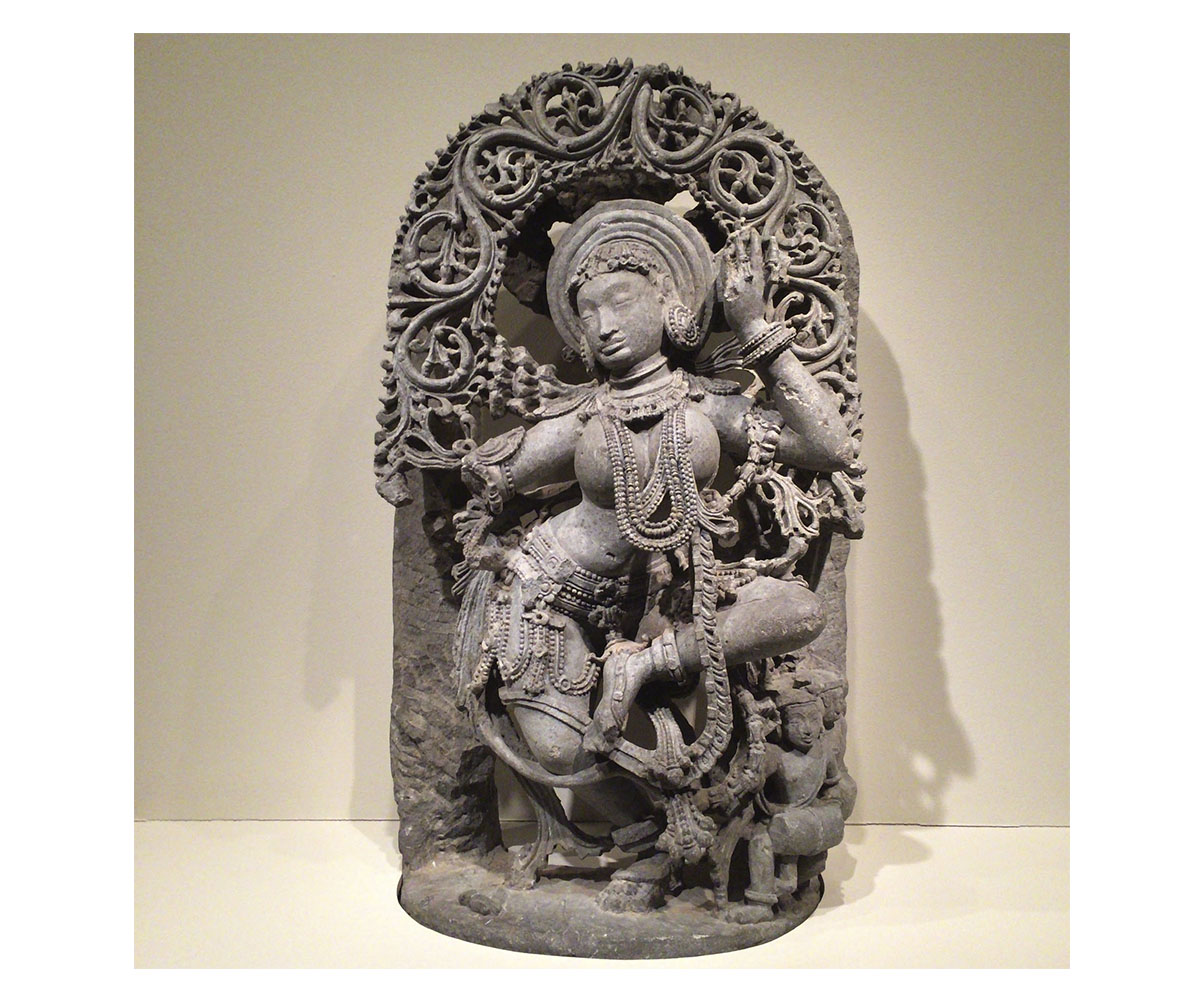
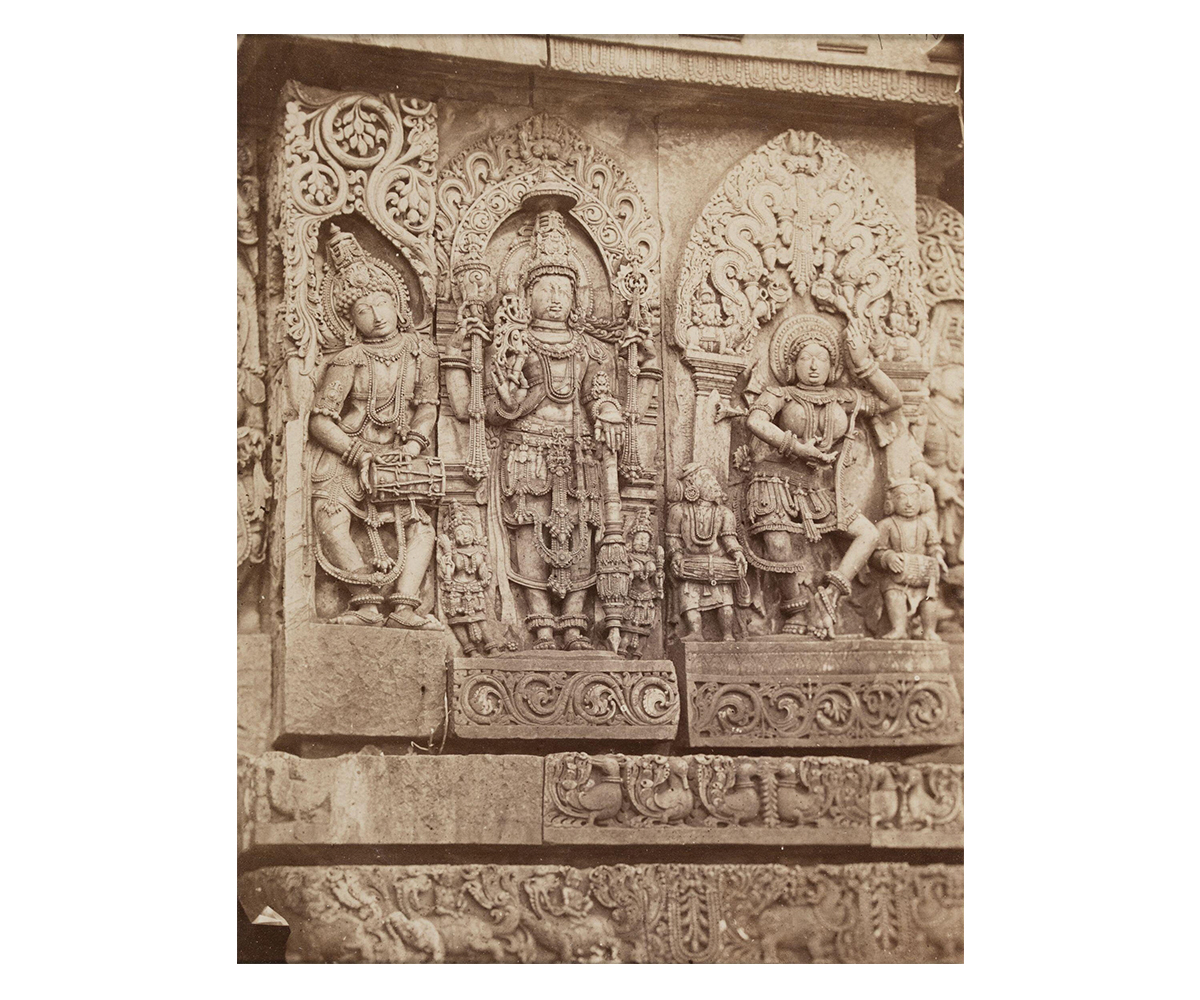
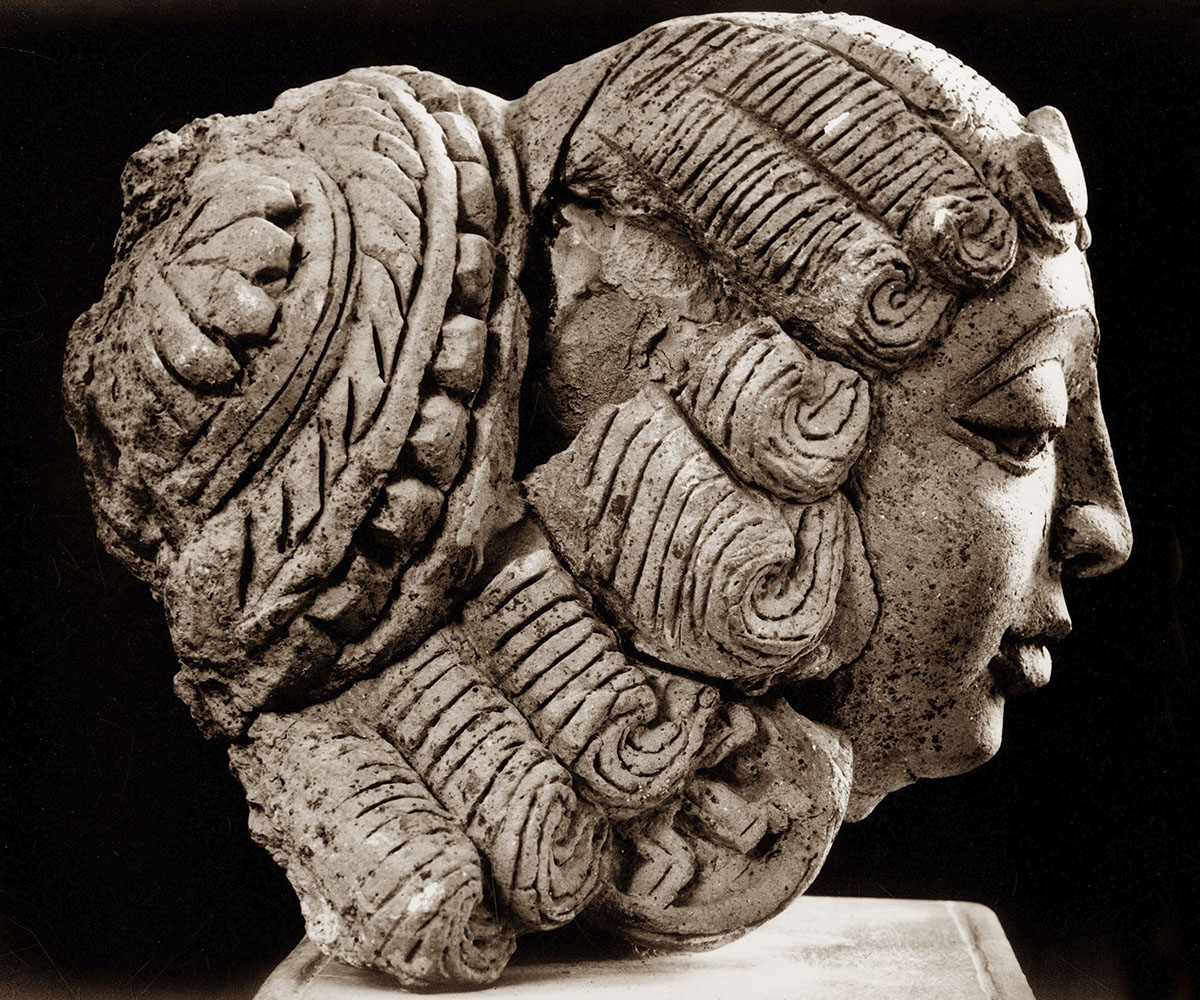
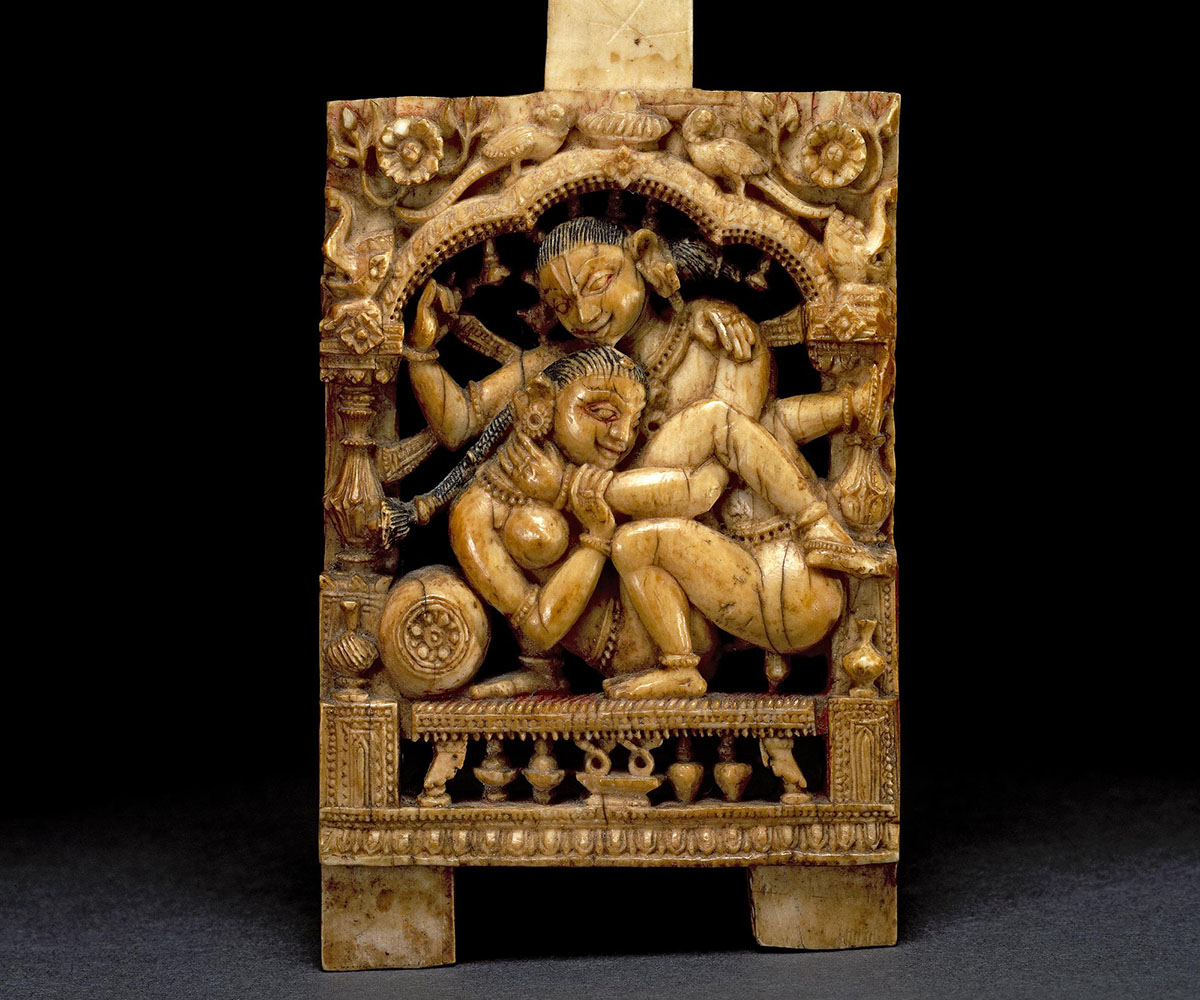
Essential to the body and signifier of auspiciousness, the concept of alamkara is extended to temple icons and deities as well, whereby the act of adornment is articulated through the ritual of puja where offerings such as garments, jewels, fragrant oils and flowers are made to the deity in order to make the icon available for auspicious viewing or darshan.
Adornments and auspicious bodily marks have also been identified as important features of life at royal courts. In its courtly context, the term has been broadly applied to such elements as jewellery, bodily sensuality and movements, physical attributes, posture, gestures. These external attributes were thought to be closely associated with internal or spiritual attributes such as knowledge, codes of conduct and morality which were also considered a person’s adornments and together with external adornments contributed to conceptions of beauty, virtue, and ethical and cultural refinement. References have also been made to how the very act of royal patronage through the building of structures such as wells, tanks, temples, gardens, audience halls is akin to alamkara.
Because external beauty and adornments might have conveyed morality in early modern courtly life, portraits and sculptural representations of important personages, royal and otherwise, are depicted laden with jewels, auspicious marks and symbols, perfect bodily attributes and other elements of alamkara.
First published: 22 November 2023
Image Gallery
Bibliography
Ali, Daud. Courtly Culture and Political Life in Early Medieval India. Cambridge Studies in Indian History and Society 10. Cambridge, UK; New York: Cambridge University Press, 2004.
Dehejia, Vidya. The Body Adorned: Dissolving Boundaries Between Sacred and Profane in India’s Art. Ahmedabad: Mapin Pub, 2009.
Desai, Devangana. Khajuraho. New Delhi: Oxford University Press, 2000.
Gonda, Jan. “The Meaning of the Word Alamkara.” In Selected Studies, Vol. 2, Sanskrit Word Studies, 2:257–74. Leiden: Brill, 1975.
Feedback