-
ChicagoImpart Encyclopedia of Art. "Nayaka Ivories." September 29, 2023. https://imp-art.org/articles/nayaka-ivories/.
-
MLA"Nayaka Ivories." Impart Encyclopedia of Art, Sep. 29, 2023, https://imp-art.org/articles/nayaka-ivories/.
-
HarvardImpart Encyclopedia of Art (2023) Nayaka Ivories. Available at: https://imp-art.org/articles/nayaka-ivories/ (Accessed: 16 October 2026).
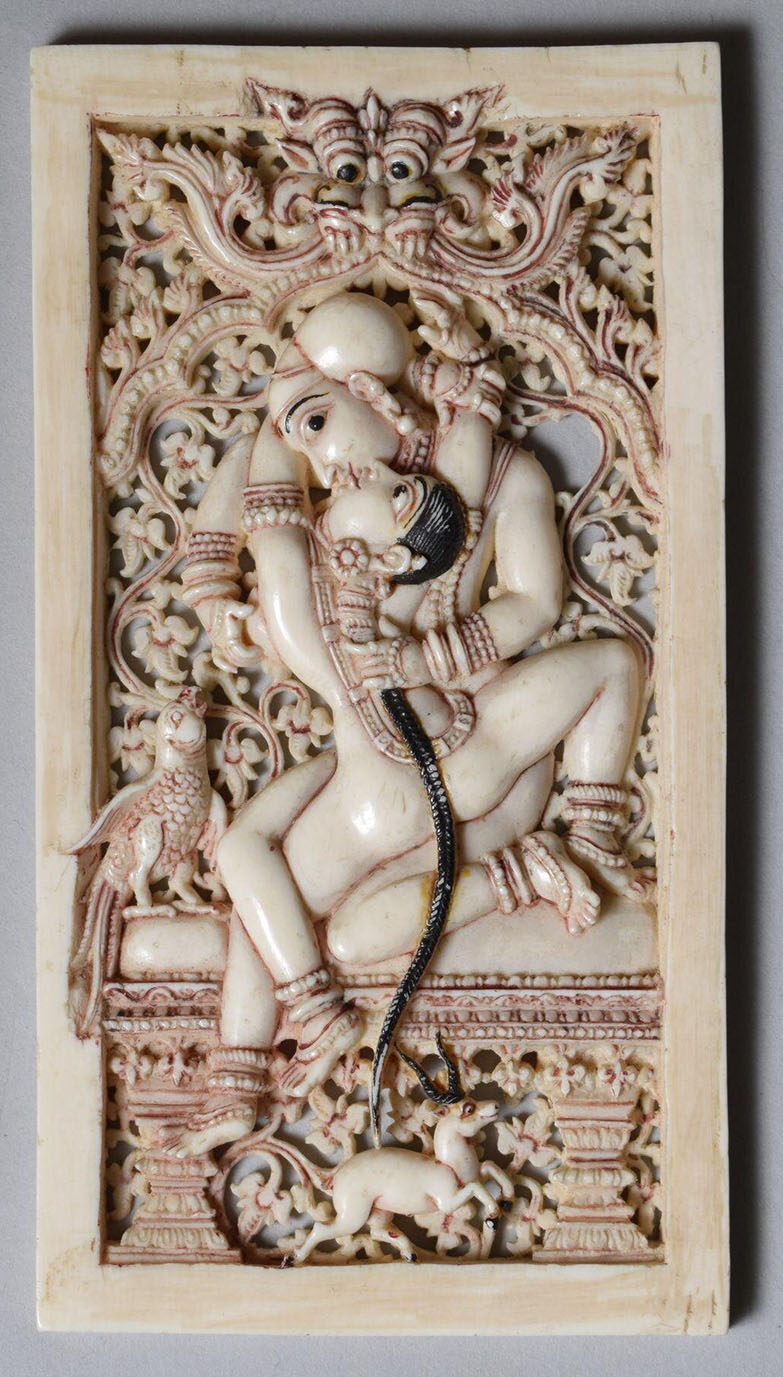
Produced between the sixteenth and seventeenth centuries in workshops patronised by the Madurai Nayaka rulers, Nayaka ivories mark the apogee of the ivory carving tradition in southern India and include sculptures in the round, furniture ornaments and low to high relief panels made for wooden caskets. The themes expressed in these ivory objects ranged from the religious to the secular and were associated with both the temple and palace domains of Nayaka rulers. Images which celebrated love and pleasure were especially popular, including depictions of mithuna couples and the marriage of Shiva and Parvati. Given their small size, intricacy and often functional nature, the ivories were likely carved by jewellers in workshops located in the Kaveri basin of Tamil Nadu in India.
In what is now Tamil Nadu, the Nayaka rulers and other Telugu-speaking elites strongly influenced regional cultural production between the sixteenth and eighteenth centuries. This was often done by funding workshops that were closely associated with large temples, most significant of which were the Meenakshi Temple of Madurai and the Sri Ranganathaswamy Temple of Srirangam, Trichy. These temple collections continue to house religious and secular Nayaka ivories.
Stylistically, Nayaka ivories from the period are quite distinctive and show the influence of European imagery, such as cherubic figures as attendant celestial beings to the central subjects. The clothes and jewellery adorning the figures as well as the architectural settings in which they are placed, however, show a clear resemblance to donor figures carved on temple walls, as well as the features of palaces and temple complexes of the time. Nayaka ivory panels are considered particularly noteworthy for this intricate articulation of architectural space and perspective, seen in the way multiple figures are overlapped. Traces of paint and gilding — in some cases the presence of gilding paper — are also visible on many of these ivories.
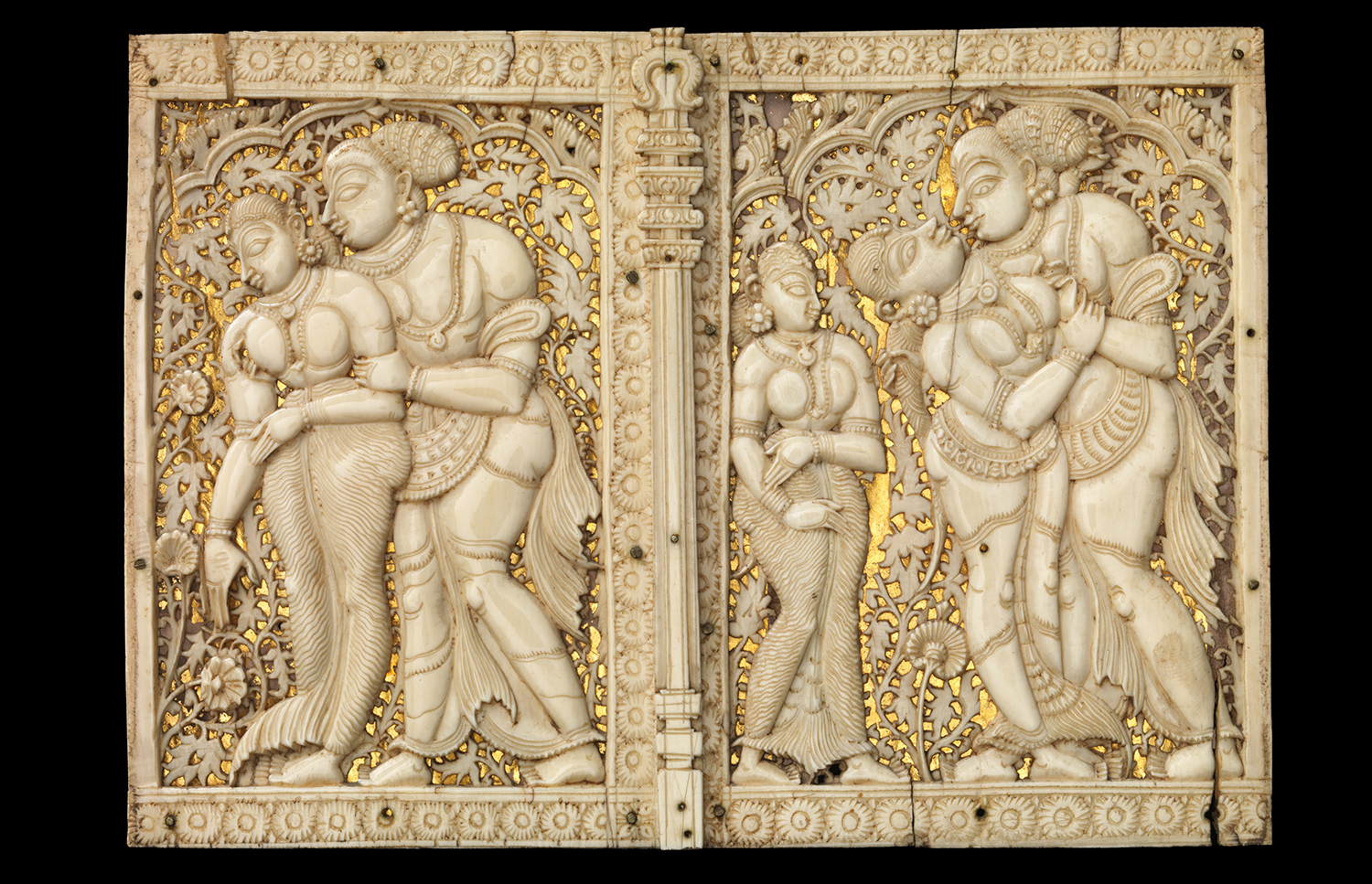
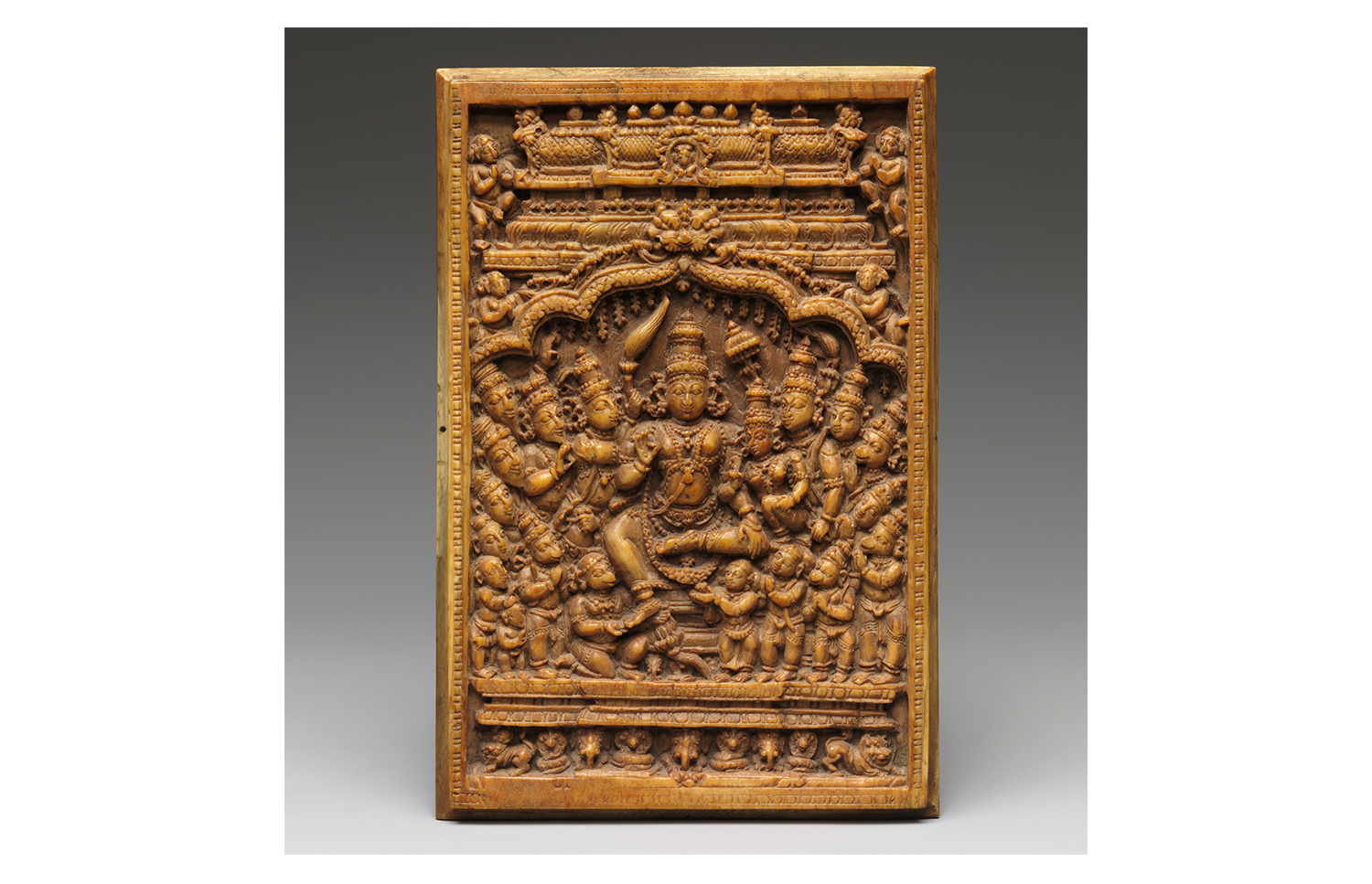
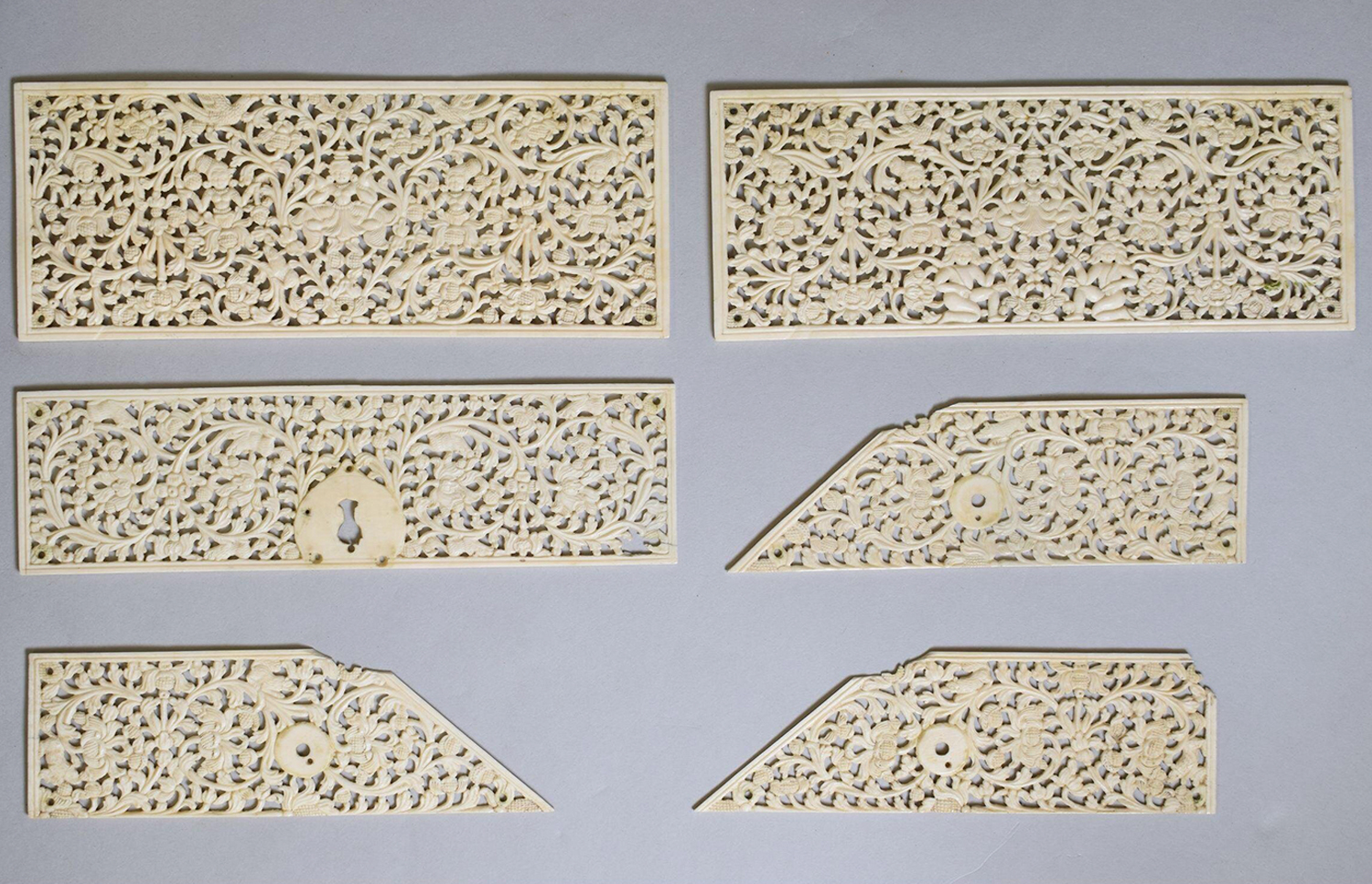
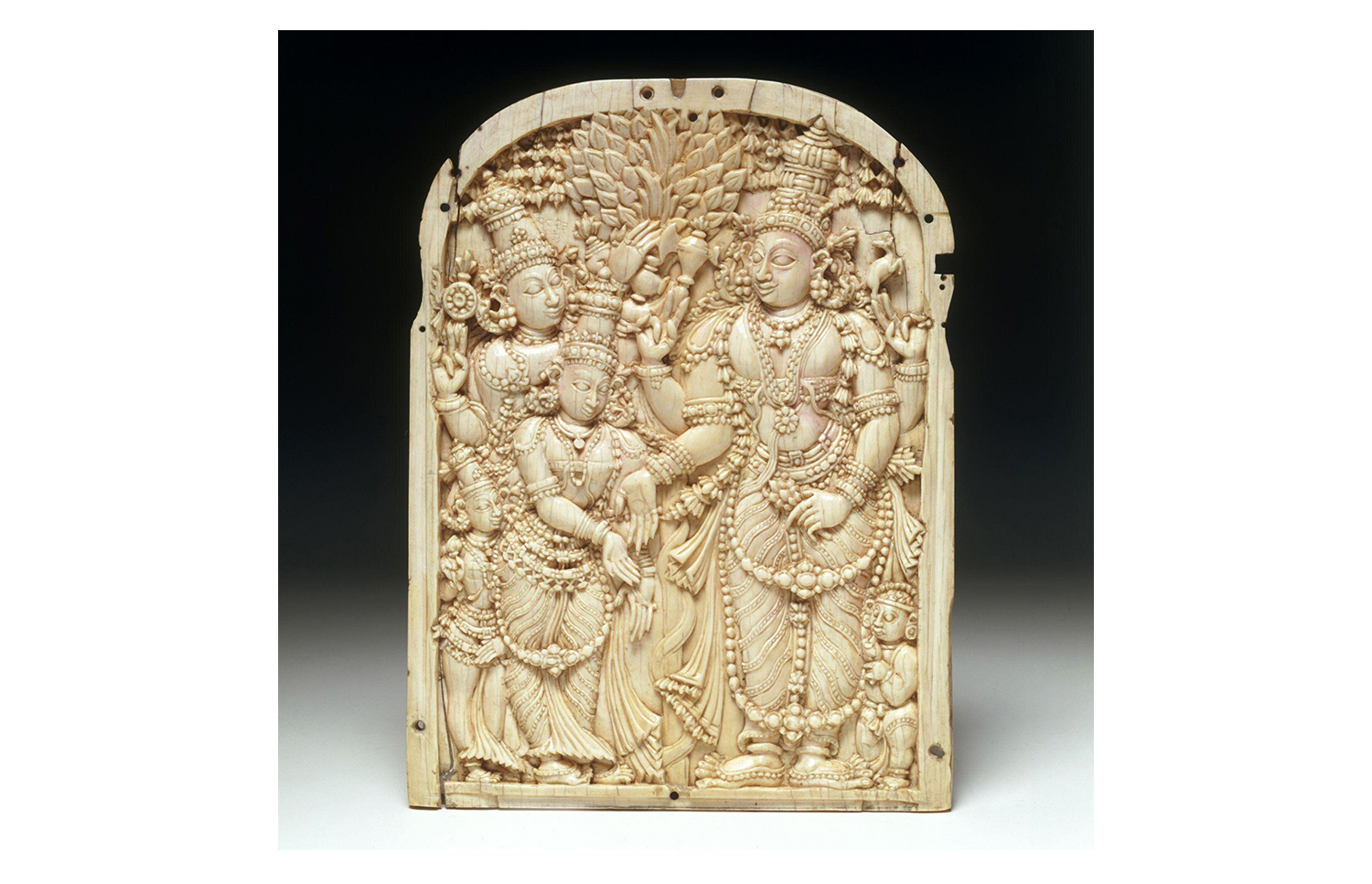
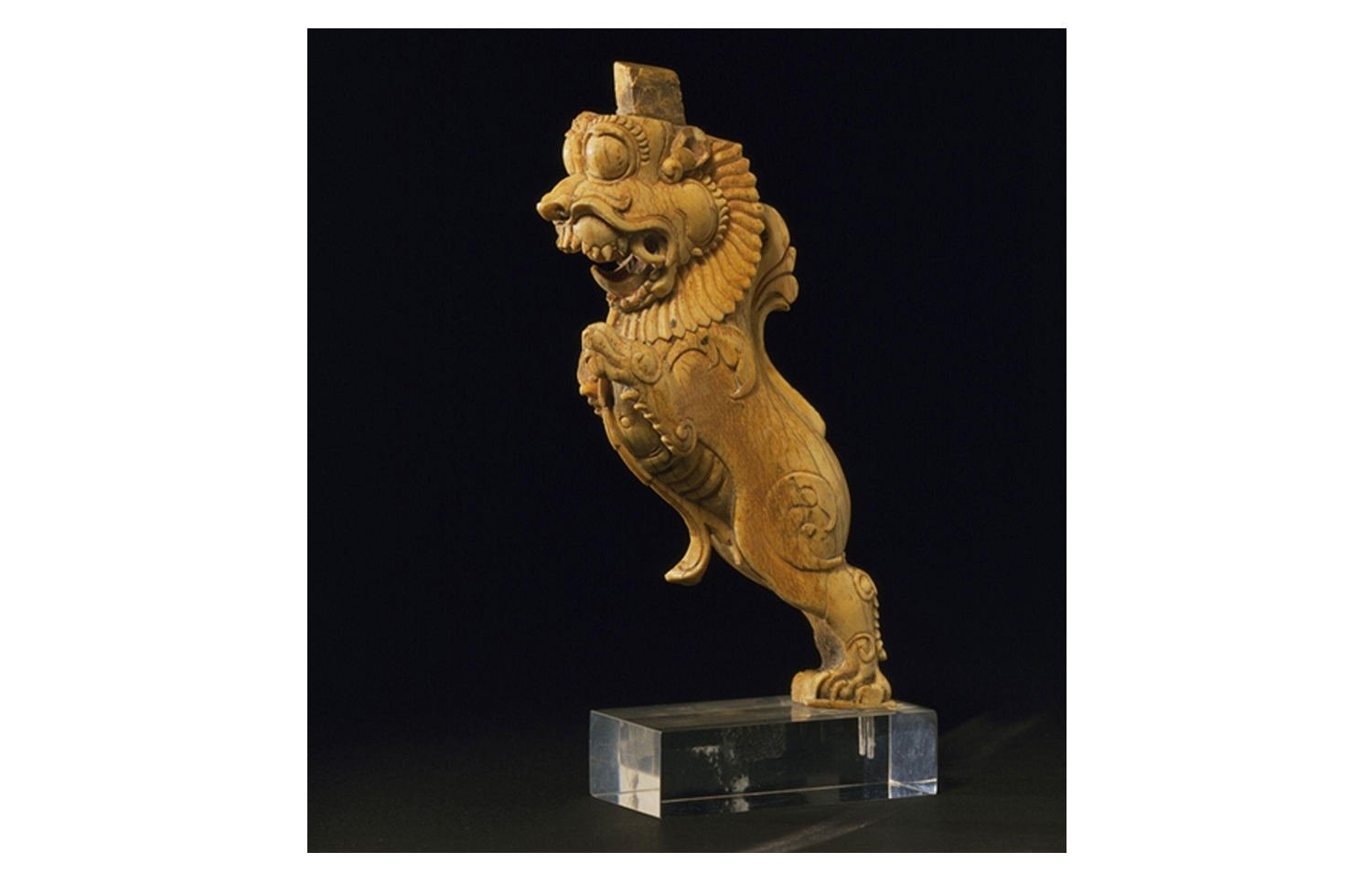
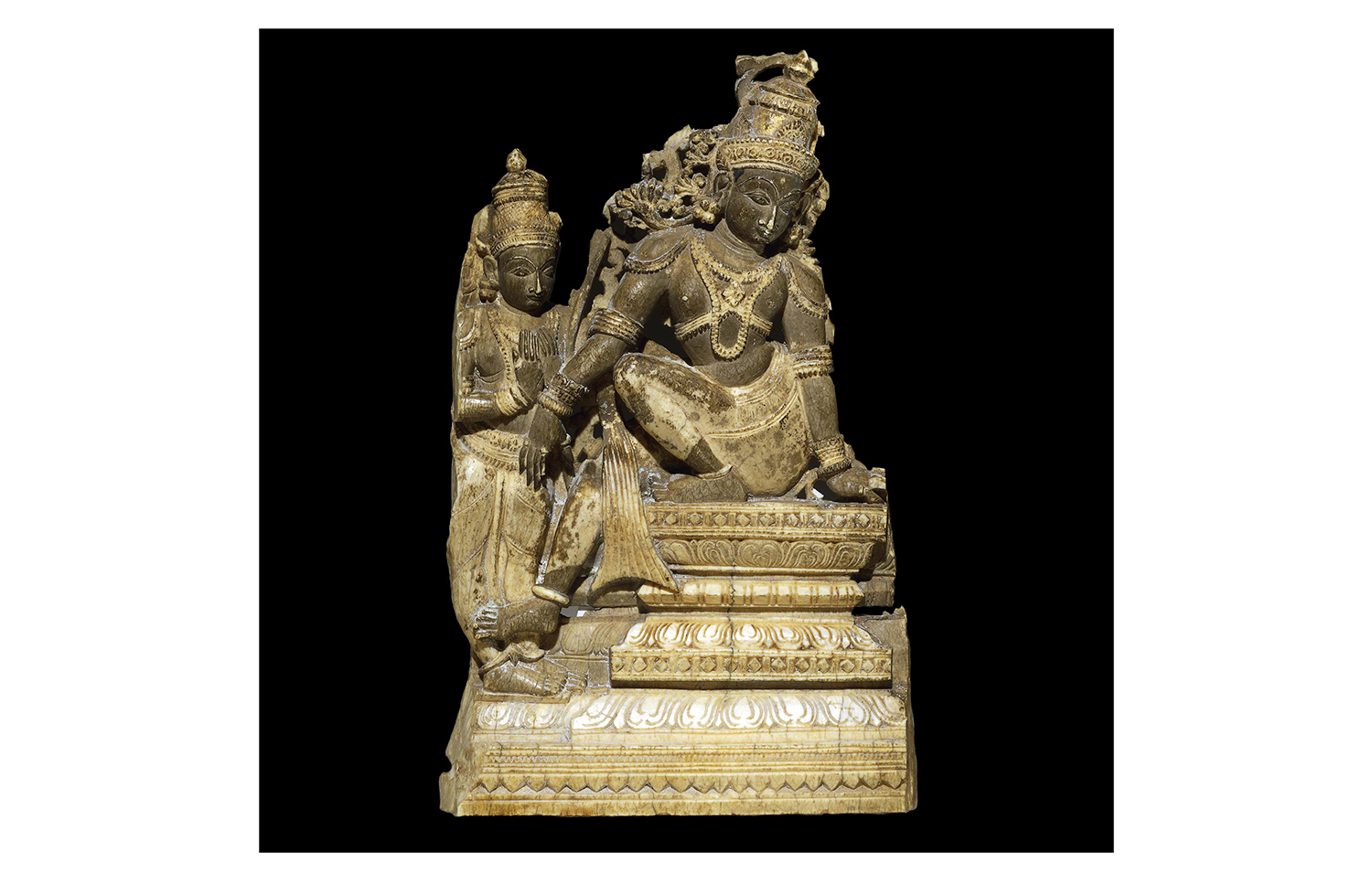
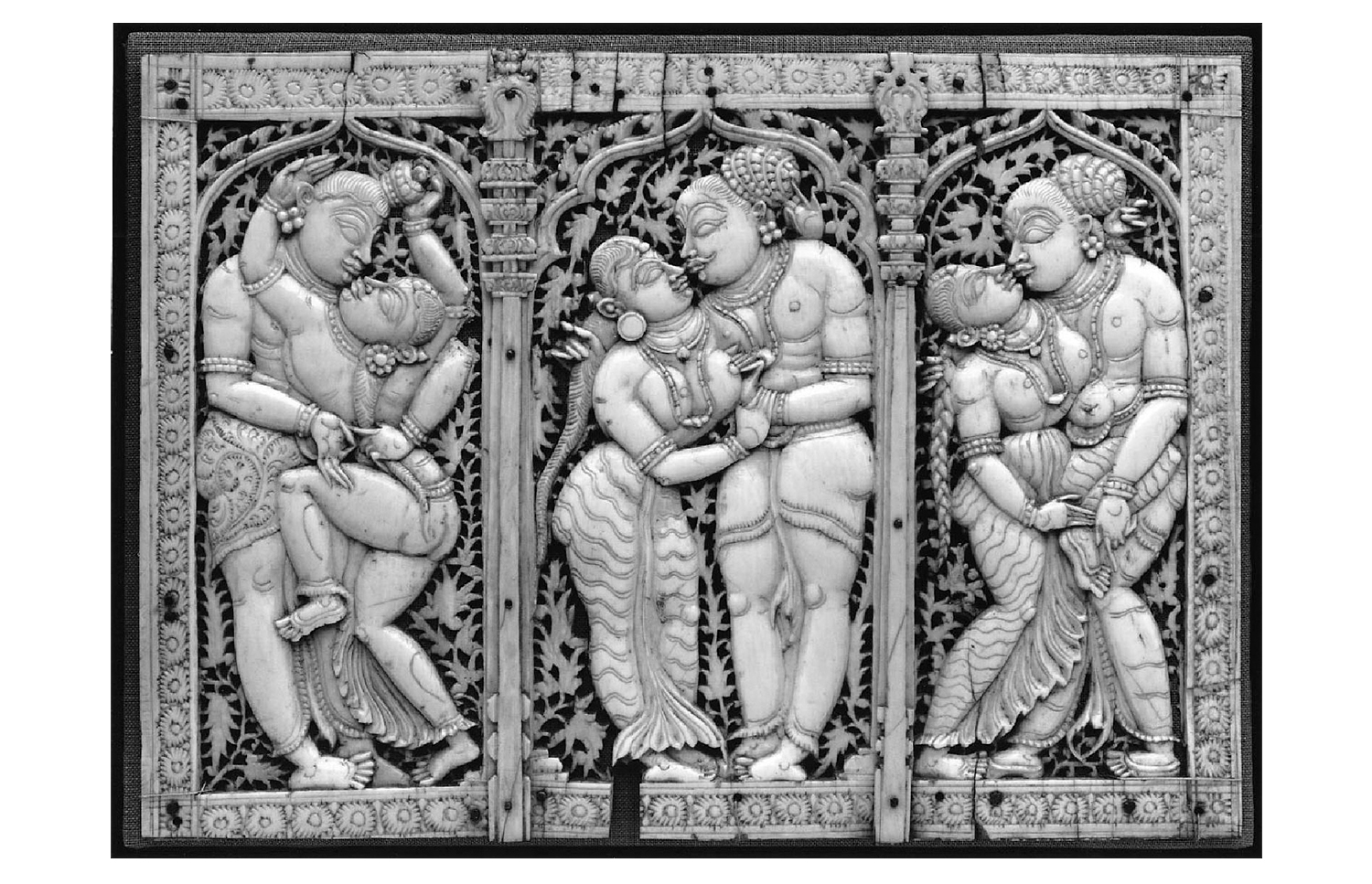
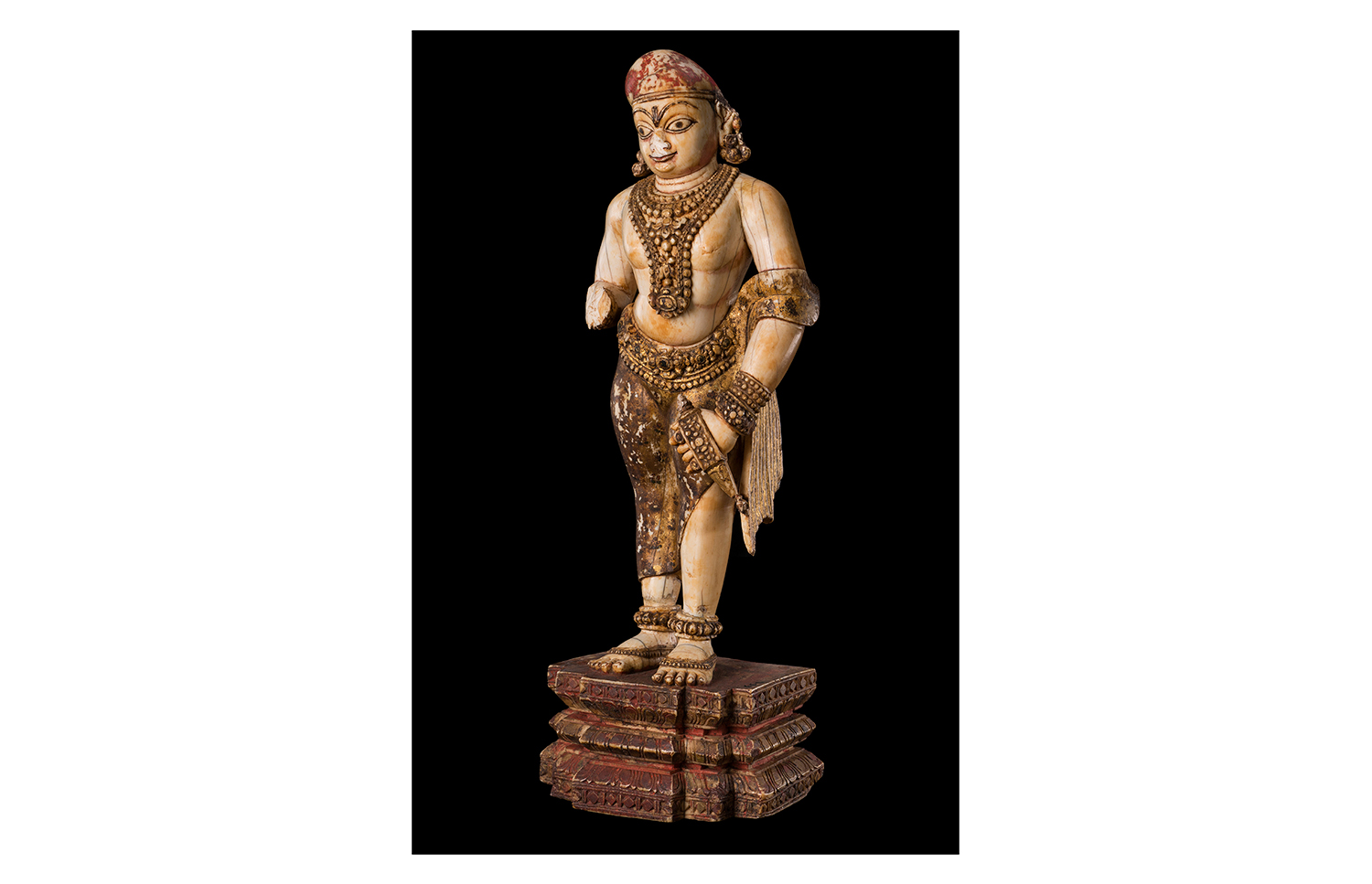
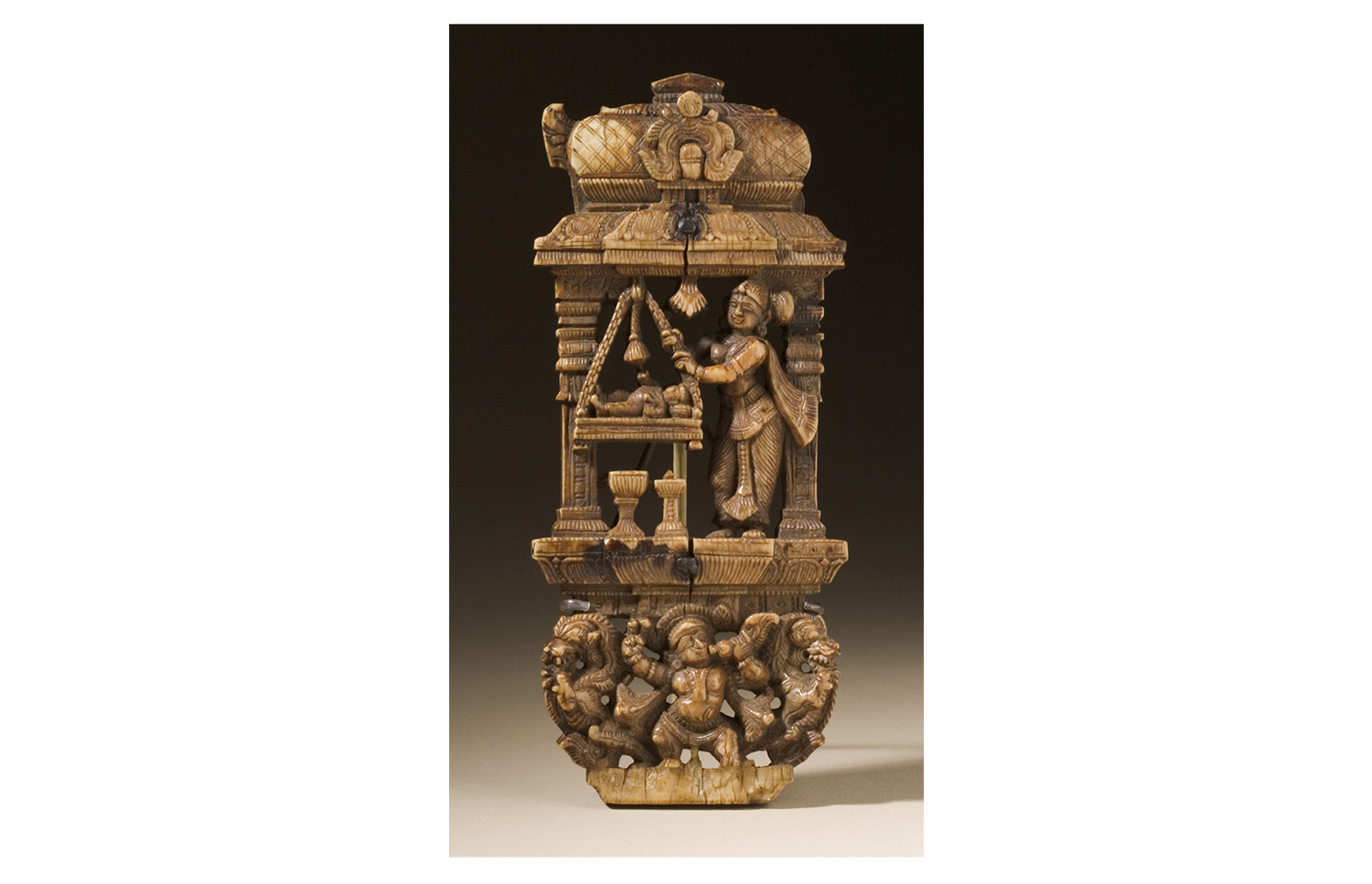
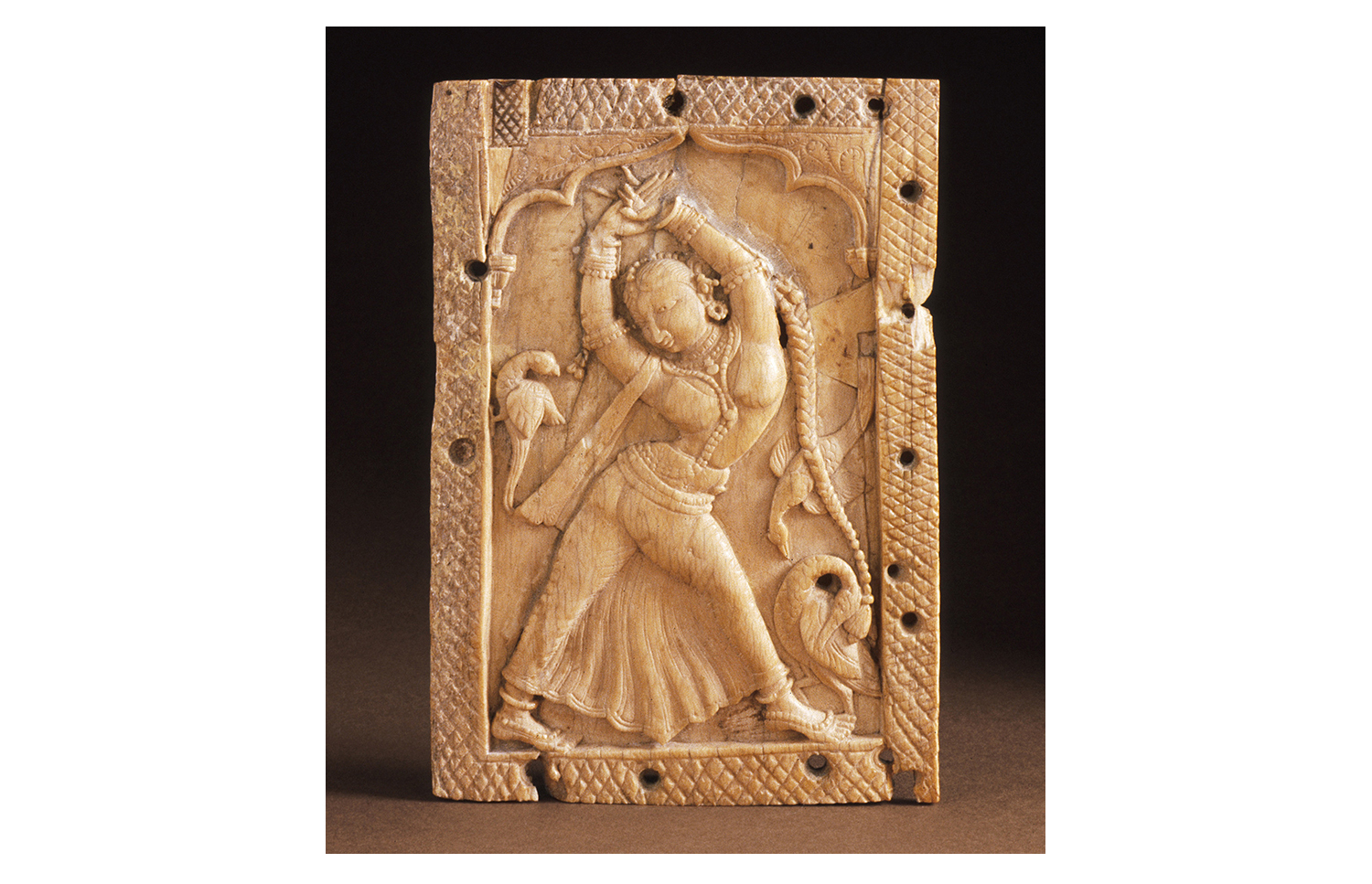
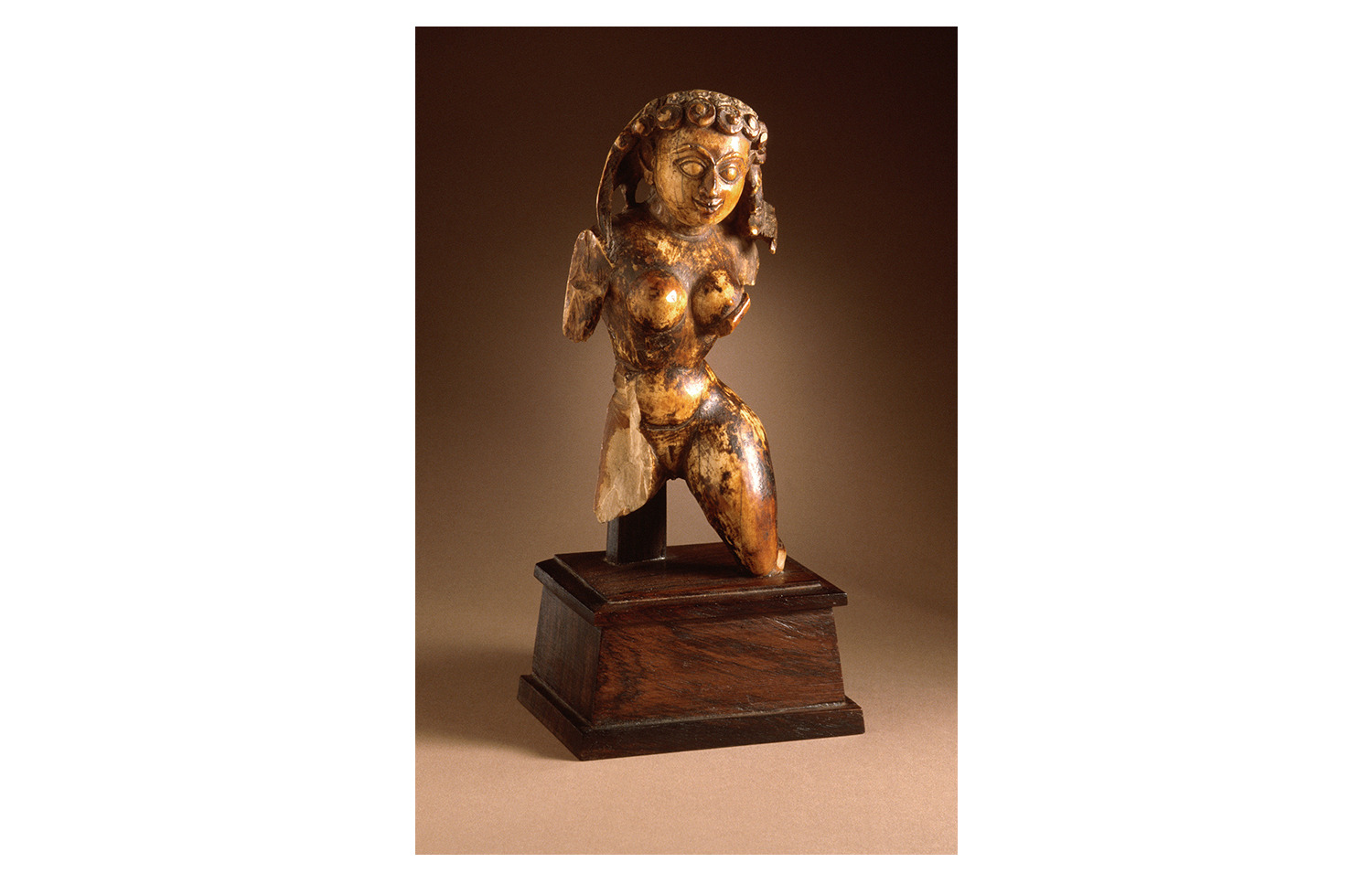
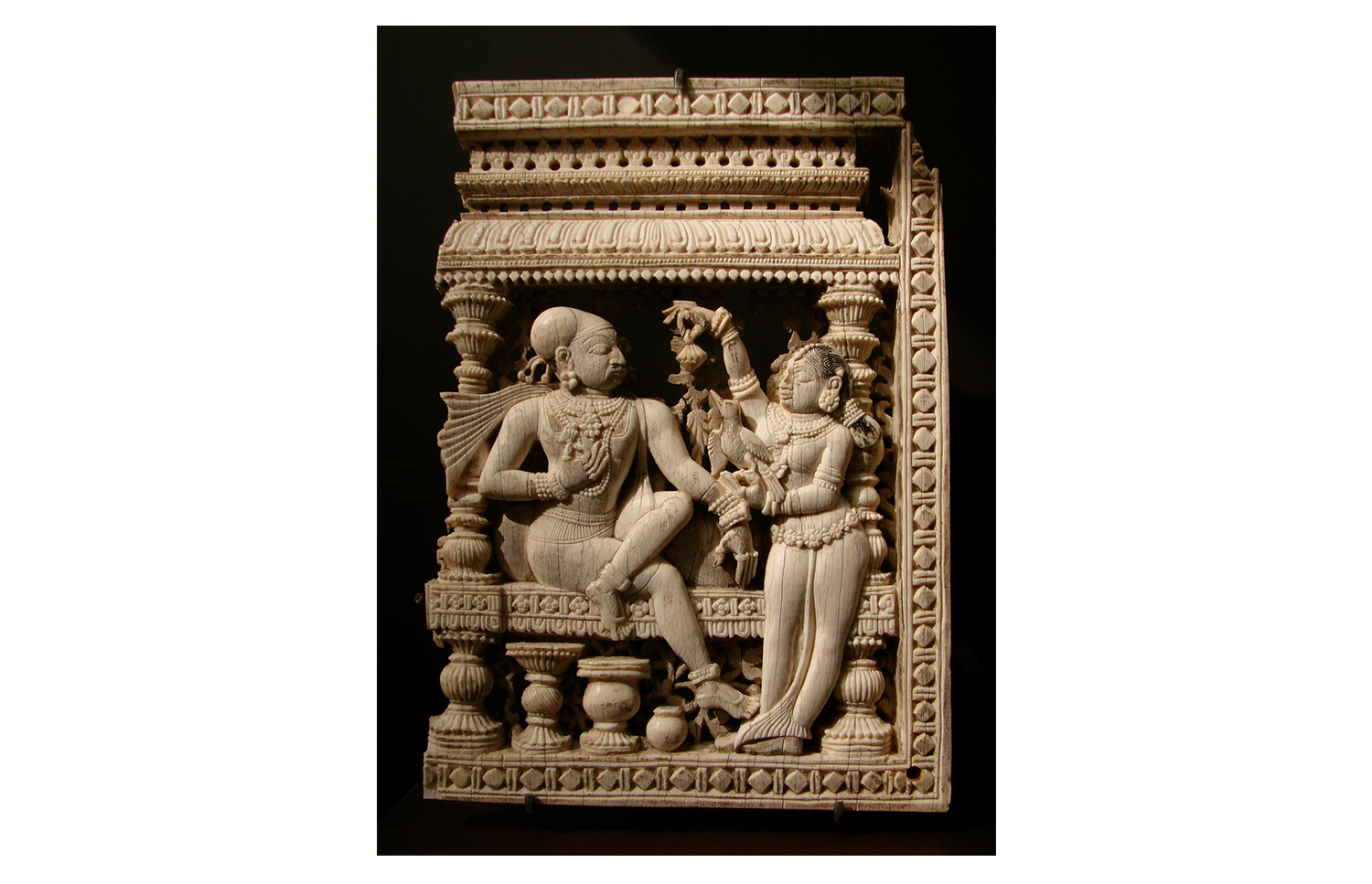
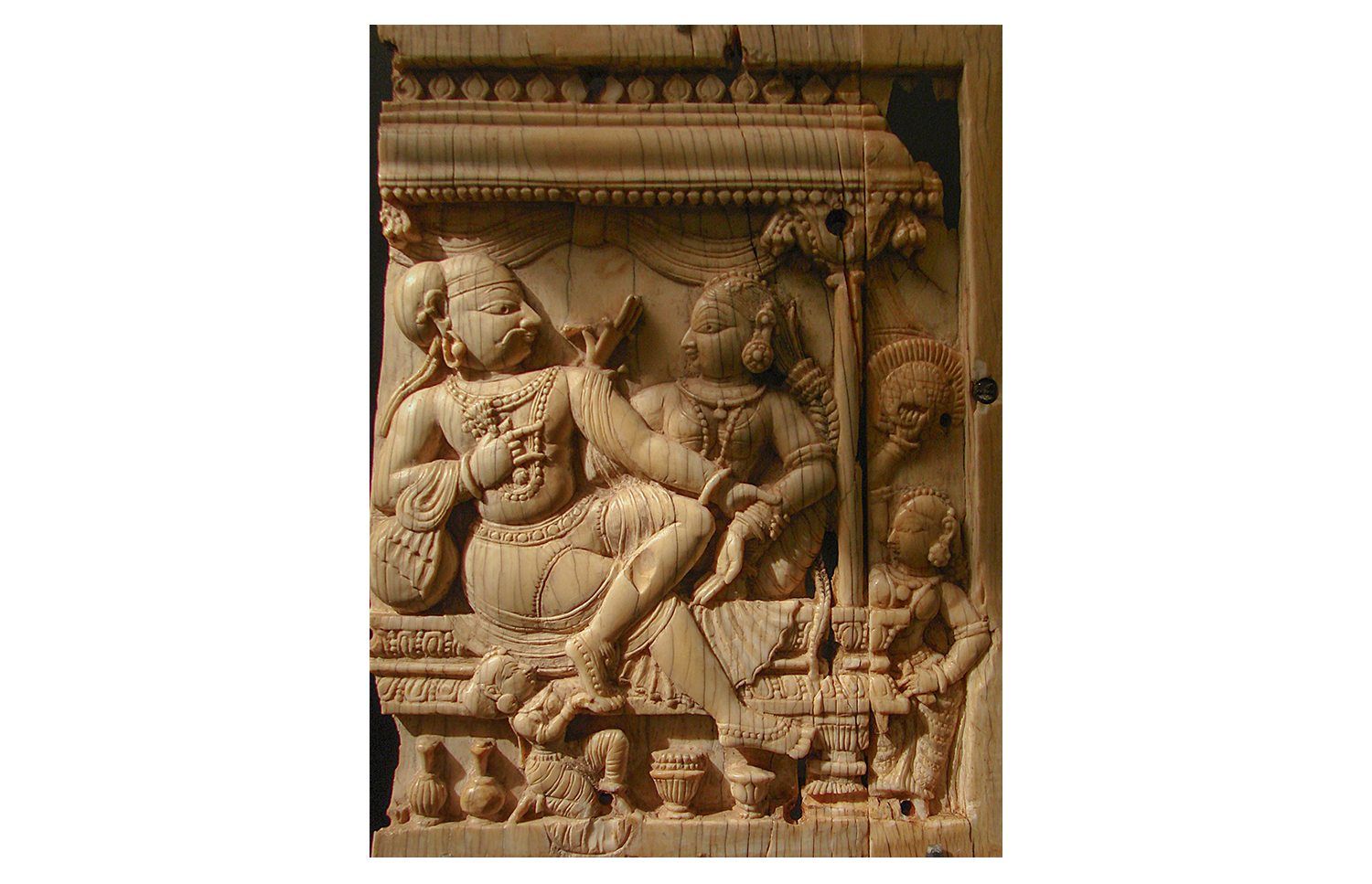
Although ivory carving was practised in southern India well before the sixteenth century, and continued into the colonial period, these are considered far less sophisticated than those made with Nayaka patronage. Today, collections of these miniature works in ivory can be found in the collections of major temples in Tamil Nadu, as well as institutions abroad such as the Metropolitan Museum of Art in New York, the Museum of Fine Arts in Boston, the British Museum and the Victoria and Albert Museum, London.
First published: 29 September 2023
Image Gallery
Bibliography
“Casket Panels Ivory Southern India, possibly Travancore, Nayak Period.” Sotheby’s. https://www.sothebys.com/en/auctions/ecatalogue/2007/indian-and-southeast-asian-works-of-art-n08332/lot.32.html
Coomaraswamy, Ananda K. “An Ivory Casket from Southern India.” The Art Bulletin 23, no. 3 (1941): 207–12. https://doi.org/10.2307/3046770.
“Ivory relief of Rama and Lakshmana.” Google Arts & Culture. https://artsandculture.google.com/asset/ivory-relief-of-rama-and-lakshmana/SAG7js840thQ_A?hl=en
Guy, John. “A ruler and his courtesans celebrating Vasantotsava: courtly and divine love in a Nayaka kalamkari.” In Sultans of the South Arts of India’s Deccan Courts, 1323-1687, edited by Navina Najat Haidar and Marika Sardar. New York: The Metropolitan Museum of Art, 2011.
“Marriage of Shiva and Parvati.” V&A Museum. https://collections.vam.ac.uk/item/O17691/marriage-of-shiva-and-parvati-relief-unknown/
“Rama, Sita, and Lakshmana being Honored by Sages, Hanuman, and his Army.” The MET Museum. https://www.metmuseum.org/art/collection/search/38551
“Two box panels with mithuna couples.” The MET Museum. https://www.metmuseum.org/art/collection/search/78873
Feedback